Are you a Quiet Speculation member?
If not, now is a perfect time to join up! Our powerful tools, breaking-news analysis, and exclusive Discord channel will make sure you stay up to date and ahead of the curve.
I've been singing Modern's praises for, well, ever. At one time, I thought I was either the format's single biggest proponent or just some kind of insane zealot. But as time goes on and Modern steadily grows in popularity, articles like PVDDR's "The Problem with Modern" start looking hopelessly dated, and are met with a rising tide of affirming format-explainers like Jadine Klomparen's "How I Learned to Stop Worrying and Love Modern."
While singing those praises of mine, I've written from a theoretical standpoint about many format features I enjoy. Not in a while, though, have I engaged with my love of Modern on a more personal level. In Magic, I like combat, and I like interacting. So naturally, aggressive decks with disruptive elements tend to end up my favorites. Today's article covers the three decks I'm currently on that allow me to get all I need out of the format, each boasting its own unique style (and set of spells, besides lone repeat Tarmogoyf) without escaping the aggro-control macro-archetype.
Thresh: A Quick Clock and some "No"
Thresh is a spell-based tempo archetype that rides a few fast, efficient threats to victory by supplementing them with ample reactive disruption. The strategy never gained much traction in Modern, a format historically dominated by the rock decks that tend to hassle thresh; it's far more celebrated in Legacy. Still, as BGx Rock loses shares to focused aggro decks like Shadow and Humans, thresh becomes more appealing here.
I used to get my thresh kicks on Temur Delver, a deck I came to be known for. But I've held since the Gitaxian Probe banning that Counter-Cat is where thresh players want to be in Modern.
Counter-Cat, by Jordan Boisvert
Creatures
4 Wild Nacatl
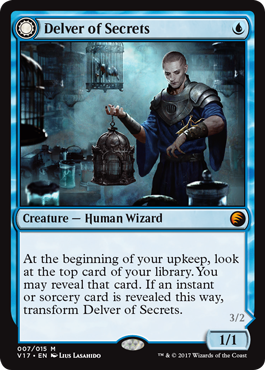
4 Delver of Secrets
4 Tarmogoyf
3 Hooting Mandrills
1 Snapcaster Mage
Instants
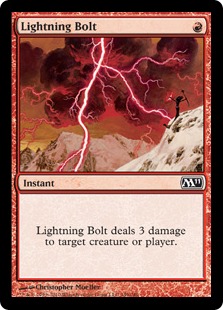
4 Lightning Bolt
4 Path to Exile
2 Thought Scour
3 Disrupting Shoal
2 Spell Pierce
2 Mana Leak
Sorceries
4 Serum Visions
2 Sleight of Hand
3 Chart a Course
Lands
4 Misty Rainforest
2 Arid Mesa
3 Scalding Tarn
2 Flooded Strand
1 Breeding Pool
1 Stomping Ground
1 Hallowed Fountain
1 Steam Vents
1 Temple Garden
1 Island
1 Forest
Sideboard
1 Snapcaster Mage
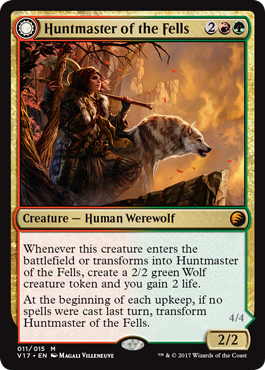
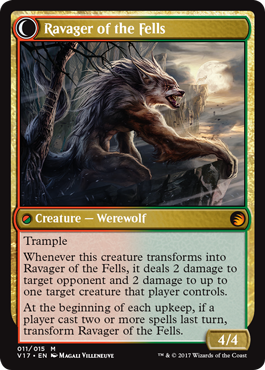
2 Huntmaster of the Fells
1 Tamiyo, Field Researcher
2 Spreading Seas
1 Ancient Grudge
2 Negate
2 Engineered Explosives
1 Pithing Needle
1 Surgical Extraction
2 Pyroclasm
Counter-Cat seeks to set up a board advantage (a feat often as simple as playing a turn one Wild Nacatl) and then maintain it until the opponent loses through combat. So if opponents start ahead, Counter-Cat plays the midrange game to claw back ahead on the board; otherwise, it sits on permission spells to get in free attacks, and dumps its hand of stockpiled threats when it runs out. The deck's robust sideboard allows it to seamlessly transition into a removal-heavy midrange deck, a creature-heavy aggro deck, or a permission-heavy tempo deck as needed.
Further reading:
 Strengths & Weaknesses
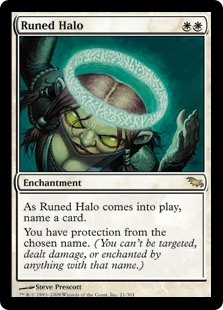
The deck's transformative sideboard abilities give it game against a large portion of the field, but a couple strategies or key cards line up so well against us that we're dogs to them no matter what. Those cards are Knight of the Reliquary, Drowner of Hope, and Runed Halo. Counter-Cat's toughest matchups are UW Control, Bant Eldrazi, Mardu Reveler.
On the bright side, threat-light aggro decks (Burn; Affinity; Infect), synergy-dependant aggro decks (Merfolk; Slivers; Spirits), and uninteractive combo decks (Counters Company; Storm; Valakut) are all a breeze to beat. Three-color midrange decks and Eldrazi decks besides Bant find themselves in the middle.
What's New
Not much has changed since the last version of Counter-Cat I posted here, but I have switched out the second Ancient Grudge for another Engineered Explosives in the side. Explosives is in a great spot for a deck like this one, since it deals with the pesky three-drops we hate---and that are now on the rise. I made the swap a couple weeks ago as a concession to Humans.
Stompy: Lock You Out, Beat You Down
Stompy decks are relative newcomers to Modern, first bursting onto the scene at Pro Tour Oath of the Gatewatch in Colorless Eldrazi Stompy and sticking around to some degree in Skred and Eldrazi Tron. The archetype wants to slam lock pieces and follow up with big threats, killing opponents before they can draw out of the lock.
Both as a Blood Moon aficionado generally and as a person who's always wanted Chalice of the Void to succeed in Modern, I'm a big fan of the strategy. As soon as the "little" Eldrazi creatures were spoiled, I got to work on various stompy shells, and still play the one that dominated the Pro Tour.
Colorless Eldrazi Stompy, by Jordan Boisvert
Creatures
4 Eldrazi Mimic
4 Eternal Scourge
2 Matter Reshaper
2 Endless One
4 Thought-Knot Seer
4 Reality Smasher
4 Simian Spirit Guide
Artifacts
4 Serum Powder
4 Chalice of the Void
1 Smuggler's Copter
Instants
4 Dismember
Lands
4 Eldrazi Temple
3 Gemstone Caverns
4 Ghost Quarter
4 Blinkmoth Nexus
2 Mutavault
2 Sea Gate Wreckage
2 Scavenger Grounds
2 Wastes
Sideboard
4 Relic of Progenitus
1 Surgical Extraction
3 Ratchet Bomb
1 Pithing Needle
1 Grafdigger's Cage
3 Spatial Contortion
1 Gut Shot
1 All is Dust
Colorless Eldrazi Stompy leverages Serum Powder and Gemstone Caverns, each propped up by Eternal Scourge, to aggressively mulligan into hands that operate at a speed opponents can't compete with. Any five-to-seven-card hand without a "free win" dimension is usually sent back. Those dimensions include turn one Chalice of the Void (against Serum Visions decks and aggro-combo), Eternal Scourge (against removal-heavy midrange decks), and, of course, Eldrazi Temple.
Further reading:
Strengths & Weaknesses
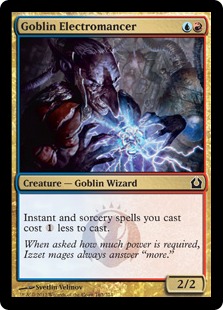 It makes the most sense to discuss this deck's strengths and weaknesses relative to those of its natural foil, Eldrazi Tron. Stompy is definitely unfavored in that pseudo-mirror, as well as weaker to value-based Company decks. But it gains points elsewhere: our Affinity, Storm, and Ad Nauseam matchups are quite good, for instance, as are our creature combo matchups. Gx Tron is also a cinch for Stompy thanks to Eldrazi Mimic and our faster Chalices. I also prefer our odds against Shadow, since in addition to Chalice of the Void, we pack a full set of Relic and the frustrating Scourge package.
Differences aside, Stompy obviously has many similarities with Eldrazi Tron. Like that deck, we're practically invulnerable to Blood Moon, and can steal plenty of games with Chalice or Thought-Knot. We're also helpless in the face of Valakut, the Molten Pinnacle without a quick start.
What's New
For starters, the flex spot split in the main now consists of 2 Matter Reshaper, 2 Endless One, and 1 Smuggler's Copter. Reshaper's stock falls as the format becomes unintractive, and without so much Fatal Push anymore, I like cutting two for Endless Ones. Copter is a fantastic smoother in this deck that lets us attack from a different dimension with flying, but was also unplayable with Push running rampant.
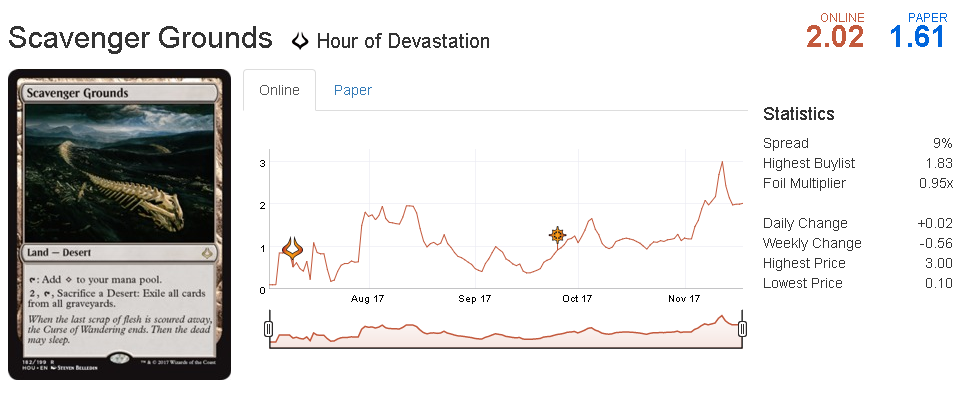
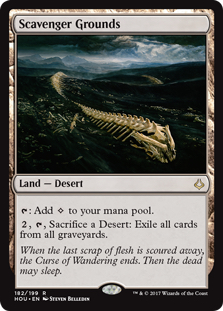 Gone too are Urborg, Tomb of Yawgmoth and the third Sea Gate Wreckage, those lands replaced by Scavenger Grounds. Grounds does give us incidental graveyard hate for Storm and friends in game 1, but more importantly lets us slam Eternal Scourges guilt-free into counterspells and other 3/3s alike, knowing we can rebuy them all later. The addition greatly improves our midrange matchups pre-board, a crucial adjustment now that they've adapted to fight our cousin, Eldrazi Tron. Sea Gate is a great mana sink in the late-game, but if we're adding Grounds, I'm comfortable cutting one. Between the six manlands, 2 Grounds, and 2 Wreckage, I think we've got plenty to do with our mana---especially since Grounds also lets us re-cast deceased Scourges. As for Urborg, I liked the land most of the time, but it proved a bit unreliable at one copy. We're back to running Copter now, giving us another use for those uncastable Dismembers in the late-game and making Urborg more superfluous.
The sideboard also gets an update. Excited as I was for Sorcerous Spyglass in this deck, things just didn't work out; most Pithing Needle matchups didn't require a Chalice on 1 anyway, and would often have me board out the Guides. Needle truly shines as a reactive answer to manlands and planeswalkers, and as a proactive answer to combo pieces and Cranial Plating. Its cheaper cost is vastly preferable to Spyglass's information in these cases. Grafdigger's Cage and All is Dust are concessions to value Company decks, the latter also helping against anyone going wide who can beat a few Spatial Contortions (i.e. Humans). Gut Shot still an auto-include because sometimes your opponent's at 1 life and you draw it.
Rock: Strip, Strip, Strip; Now, Kill This!
Rock is a spell-based midrange archetype that uses cheap, proactive disruption to pave the way for its powerful threats. Thresh is synonymous with Legacy as rock is with Modern: no matter how the format shifts, many players will always associate the format with discard spell into Tarmogoyf. Historically, gatekeepers Jund and Abzan have held the keys to Club Rock; Death's Shadow, though, with its decent big mana matchups, changed that by diversifying the archetype.
The low curve inherent to Shadow decks is what drew me to rock for the first time, and lately I've been learning to love targeted discard with the little guy's help in Tarmogoyf colors.
Delirium Shadow, by Jordan Boisvert
Creatures
4 Death's Shadow
4 Tarmogoyf
4 Street Wraith
Planeswalkers
2 Liliana of the Veil
Artifacts
4 Mishra's Bauble
Instants
3 Fatal Push
1 Tarfire
2 Abrupt Decay
1 Terminate
1 Dismember
2 Stubborn Denial
2 Temur Battle Rage
Sorceries
4 Inquisition of Kozilek
4 Thoughtseize
4 Traverse the Ulvenwald
Lands
4 Verdant Catacombs
4 Polluted Delta
4 Bloodstained Mire
2 Overgrown Tomb
1 Watery Grave
1 Blood Crypt
1 Stomping Ground
1 Swamp
Sideboard
1 Izzet Staticaster
1 Ranger of Eos
2 Ancient Grudge
2 Disdainful Stroke
1 Stubborn Denial
1 Kozilek's Return
2 Collective Brutality
1 Liliana, the Last Hope
3 Lingering Souls
1 Godless Shrine
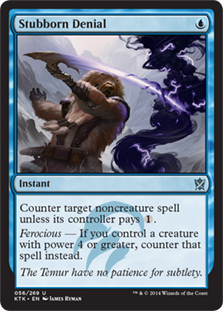
The natural evolution of Death's Shadow Jund, Delirium Shadow preserves that deck's Traverse the Ulvenwald-centered core while splashing blue or white for Stubborn Denial or Lingering Souls, respectively---and often both.
Strengths & Weaknesses
After a period of metagame consolidation around Eldrazi Tron, Grixis Shadow, and Storm, Modern is fanning out again, and at a massive scale. Narrow hosers like Rest in Peace lose value in these scenarios, as evidenced by the success of graveyard-independant decks such as Humans. Modern today is a far cry from the Modern of two months ago, when everyone and their moms brought a box full of Nihil Spellbomb to each event. Thus, the stage is set for Delirium to again usurp Grixis and other delve-based versions as top Shadow deck.
 By many measures, Delirium is a better deck; it's certainly more proactive and consistent, which helps immensely in an open metagame. Another thing Delirium has going for it: its flexibility. The deck can be built any which way; foregoing a splash or Temur Battle Rage, dipping into more exotic card types, and splitting up the planeswalker suite are all options for potential pilots. As with Counter-Cat, plenty of colors yield plenty of options.
As mentioned, Delirium is softer to graveyard hate and to Fatal Push than Delve Shadow, although both of those things are on the downswing. It also struggles with Shadow's traditional weaknesses: go-wide aggro decks, like Humans and Affinity, and prison strategies featuring pertinent hosers like Blood Moon or Chalice of the Void. Jeskai's recent success is no accident, either; that deck has more removal spells than Shadow has threats, not to mention enough burn to close out the game outside of combat. (For what it's worth, Goyf is as good as ever against Jeskai.)
What's New
I've only messed around with this deck for a month or so, and still have a ton to learn. But a few of my choices might seem a bit wacky. First, I like a Tarfire for the upside with Goyf. Damage-based removal is great in a format that's mostly shifted towards Fatal Push, as it's got more targets; Tireless Tracker, Devoted Druid, and Goblin Rabblemaster all die to the instant. I added Tarfire over the third Denial to hedge against go-wide aggro.
 Terminate also shares its spots with Dismember. The Phyrexian instant generates blowouts in this deck since it can act as a double-Mutagenic Growth at any time for our Shadows. It also gives us a big edge against other Shadow decks, especially those with delve threats, and Eldrazi.
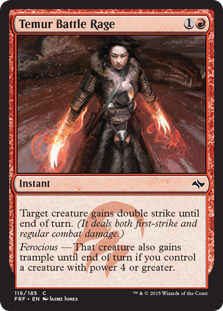
Lastly, I'm firmly in the Temur Battle Rage camp with this deck. Adding a combo dimension for such a minimal investment allows us to make really stupid attacks even when we don't have the Rage and still force odd blocks. I'm guessing that's the reason some omit it, too; opponents might put us on Rage regardless. But I've been in plenty of situations where the one card I can draw to bail me out of a given situation is Temur Battle Rage, and for that reason, I love packing it. Rage also has the additional benefit of lightening the load on our sideboard and flex spots, since it gives us a compact way to beat cards we otherwise shouldn't, like Lingering Souls or Mirran Crusader. Tarfire and Dismember both improve the card, too, by growing our threats extra stages for double strike.
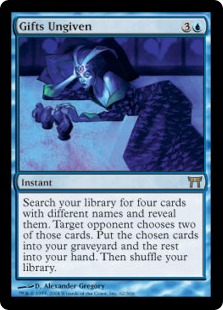
Thanks Ungiven
So those are the three decks I'm most thankful for this season. Hopefully everyone has a good holiday. And as we inch closer to the new year, remember this lesson from ol' me: always play what you love!







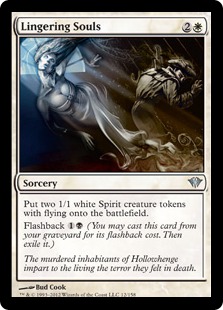 Lingering Souls is very good in this deck because it gives you chump-blockers when you're on the defense and a resilient threat with evasion in control or midrange matchups.


 Historically, sideboard strategy has simply extended this logic. Control versus control was about who was the better control deck. The first time I heard about this was during
  If nothing else, this article series has served to dredge up important old articles. One article that spoke to me and developed my sideboarding was already old when I got serious about competitive Magic: Mike Flores's "
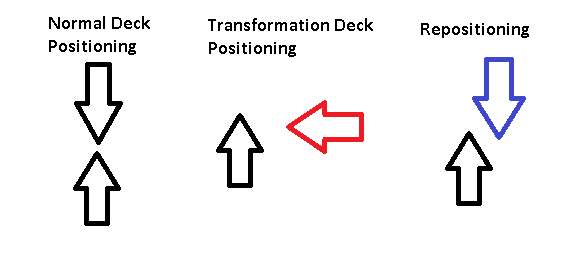 I am simplifying this, but when two decks oppose each other, they tend to attack each other on one axis. Control vs. aggro being consistently about threats is one example. When you transform, you have pivoted to an entirely new axis; one utterly different from your initial gameplan. When you reposition, you're shifting out of the way of the incoming attack. It's not about dramatically changing your gameplan, but invalidating your opponent's strategy. It's picking the ground where you are ready and advantaged to fight on.
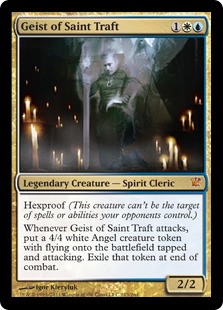 You never want to fight on your opponent's terms. They picked that ground for a reason; do you really want to be
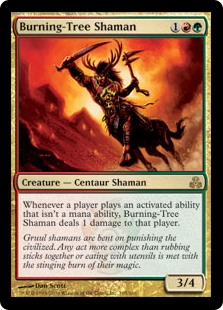 For an older but much clearer example, think back to Ravnica/Time Spiral Standard. The default aggro deck of the day was Gruul Aggro. It had all the best (read: biggest) creatures at the low slots, including Tarmogoyf. It was hard for other decks to compete in the same space. I was running Boros Aggro and absolutely crushed crushed the Gruul decks that Regionals. My deck ran 20 creatures, 20 burn spells, and 20 lands, and I was using Boros Garrison to cheat on land. The typical Gruul deck was mostly creatures and ~22 lands. I had Inherent Card Advantage (go back to Dave Price), so I just embraced it. I traded every creature I played, burned all of their creatures, used Jotun Grunt to contain Tarmogoyf, and I won the attrition fight every time.
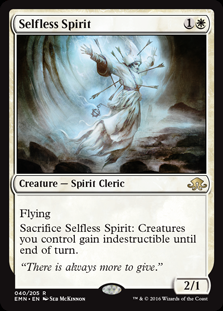 You see this often in control verses aggro matchups, though it's everywhere. Sweepers are very powerful against creature aggro, so you expect control decks to have a lot of them after-board. Sideboarding into Selfless Spirit or Heroic Intervention completely negates this plan. You anticipated your opponent's sideboarding strategy and shut it down. This is normal boarding. The counter designation applies to the Spirit, which actively advances your gameplan while also answering their strategy. Intervention, like Brave the Elements, is just an answer; Spirit actively wins the game. That's a true counterboard. Counterboarding requires answers that proactively advance your core gameplan.