menu

Insider: Scouring the Market for Commons

Are you a Quiet Speculation member?

If not, now is a perfect time to join up! Our powerful tools, breaking-news analysis, and exclusive Discord channel will make sure you stay up to date and ahead of the curve.

Another Pro Tour come and gone, this event proved to be an enjoyable weekend of Modern. Well, enjoyable for the spectators at least. I’m not sure if all professional players are as excited to play Modern as speculators are as excited to watch it, but it proved to be a successful weekend. And there were even some prime opportunities to make some money for QS Insiders—always a good thing!

There was an error retrieving a chart for Bedlam Reveler

In years past, I would write an analysis of the Pro Tour, the top decks, and key cards worth watching coming out of the event. But this tournament seemed fairly straightforward, and Quiet Speculation’s PT Coverage Team did a phenomenal job covering the event. Therefore, I’m not going to attempt to write about the event since there are others far more qualified to do so.

Instead, I want to stay on the topic of Pauper, which continues to surprise me. It seems a couple times a week now there’s a random common from Magic’s history that spikes due to Pauper. These exogenous events are driven heavily by Pauper excitement, and I want to try and participate a little more actively in the trend. Unfortunately, I’m no Pauper metagame expert either. So when Cho-Manno's Blessing spiked over the weekend, I was left scratching my head, wondering how I could have caught this buyout.

There was an error retrieving a chart for Cho-Manno's Blessing

Then it occurred to me. The same strategy I used to pick up Reserved List cards about to spike can be reapplied to Pauper cards! Allow me to explain.

The Method

TCGplayer is an extremely valuable tool when it comes to monitoring market trends. And it just so happens that they have a nice feature that sorts cards in order of popularity whenever you perform a search. What does that mean? It means any search you run will return the cards that have been selling the most in recent days. Well, that’s exactly the kind of data we need to predict buyouts!

So the process is simple: pick an older set and do an advanced search where you review all cards from that set. The best selling cards will be on top. From there, you only need to check for commons with low stock—especially in Near Mint and Lightly Played play sets—and target accordingly. If you want to focus only on commons, you could filter results further to do so.

The only other thing I’d recommend is checking major shops like Star City Games and Card Kingdom to make sure they are low in stock or sold out. Otherwise, data can be misleading. You don’t want to finish buying out a common for $1 each only to find Star City Games still had 20 in stock at a quarter a piece.

Once you confirm the card is selling well, low in stock, and absent at most vendors’ websites, you know a spike is likely and a buy list increase is imminent. That’s when you scour your LGS and your secret websites to find copies at cheap prices!

A Few Examples

The previous section is the one that proverbially teaches you how to fish. But for those looking for the easiest money, I’ll even feed you a few fish myself to demonstrate the utility of this process.

I started with Judgment. It’s got a few Pauper all-stars I already knew about, such as Battle Screech and Prismatic Strands, and the set is plenty old! Here’s what I found.

Hello! This card appears to be spiking, and it’s still under the radar because it’s still under two bucks and won’t show up on MTG Stocks just yet. But with only 33 sellers (21 with NM/LP copies), this is all but bought out. Most vendors are sold out, and eBay is already priced more expensively. Flaring Pain is a screaming buy if you can find them for under a buck.

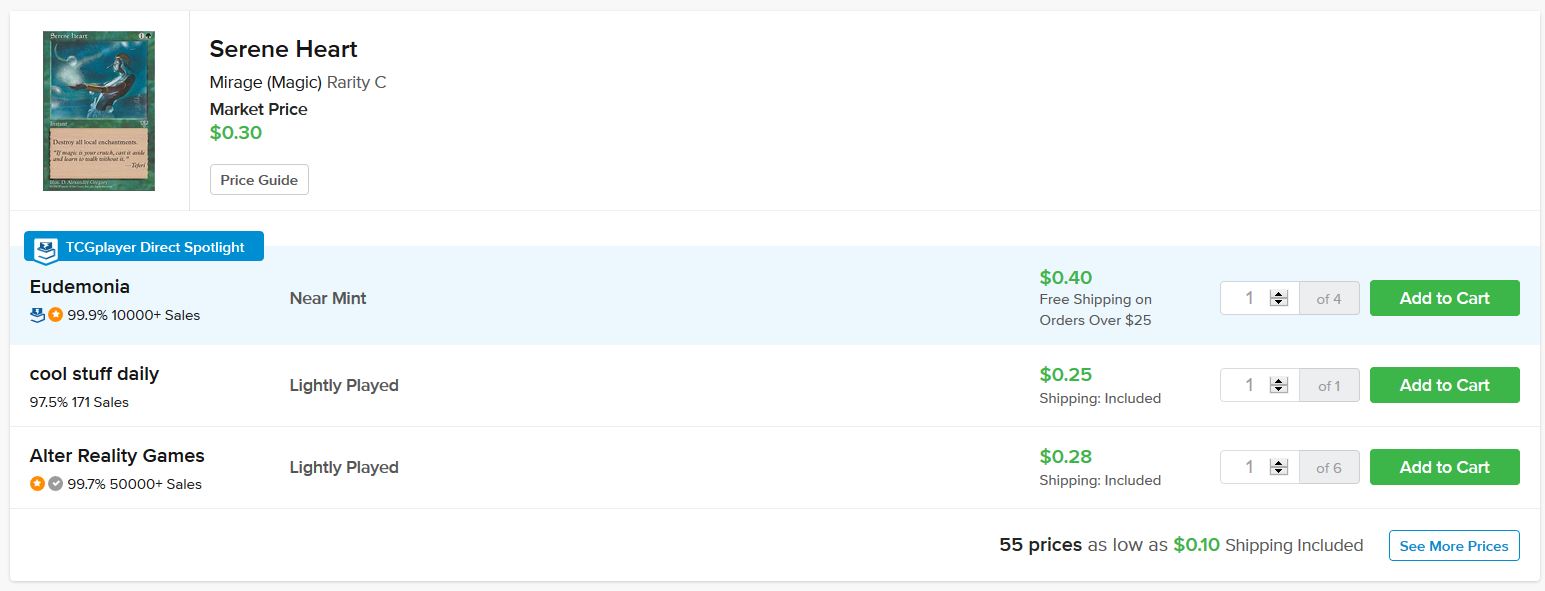
The next card that caught my eye was Serene Heart out of Mirage. It’s actually the second best seller (after Choking Sands) but has far less stock than the land destruction spell. Star City Games is sold out and I am pretty sure this card buy lists for non-bulk pricing already.

This one isn’t as close to popping as Flaring Pain, but it’s great sideboard tech against Bogles strategies in Pauper, and Mirage is a very old set.

Since Mirage turned up something useful, I thought I’d check Visions next. I was not expecting Quirion Ranger to show up on top. But seeing as it’s already $3, I fear we may have missed this boat.

There was an error retrieving a chart for Quirion Ranger

But the second card seems far more interesting.

As another card sold out at many shops, and just 49 total vendors on TCGplayer, Crypt Rats seems primed to pop. I’m pretty sure there’s a Rats deck of sorts in Pauper, so that is likely the source of demand.

How about one more? I looked at a bunch of other older sets, but nothing really leapt out at me. Then I found Morningtide and saw Distant Melody.

The card seems like it would be popular in any tribal Pauper deck, or any tribal deck for that matter. I do see that Star City Games has a bunch of played copies in stock at $1.19 each, so this one isn’t exactly spiking. But it is selling well now and may jump should those last copies dry up.

Shifting Gears a Bit

While running through this exercise, I have to take a quick detour and point out some trends in Alpha cards. The All Alpha format is gaining traction, and while you’re not about to see 100-player side events at Grands Prix anytime soon, it doesn’t take more than a few incremental players to trigger notable movement in the market.

So what shows up when I do the same exercise on TCGplayer? Funny enough, it’s a bunch of commons! But these cards aren’t hot because of Pauper. Instead, they’re selling out to collectors and All Alpha deck builders. Trust me, this is a thing.

Mono-green decks are a popular choice, hence the recent run on Alpha Llanowar Elves, Giant Growth and most recently, Tranquility.

No one has paid the new price yet on TCGplayer, and the market price is just $7. I did a broader search and found some copies near that price on eBay and with other vendors. But these price moves are happening fast considering the fact these cards have been stagnant for ages.

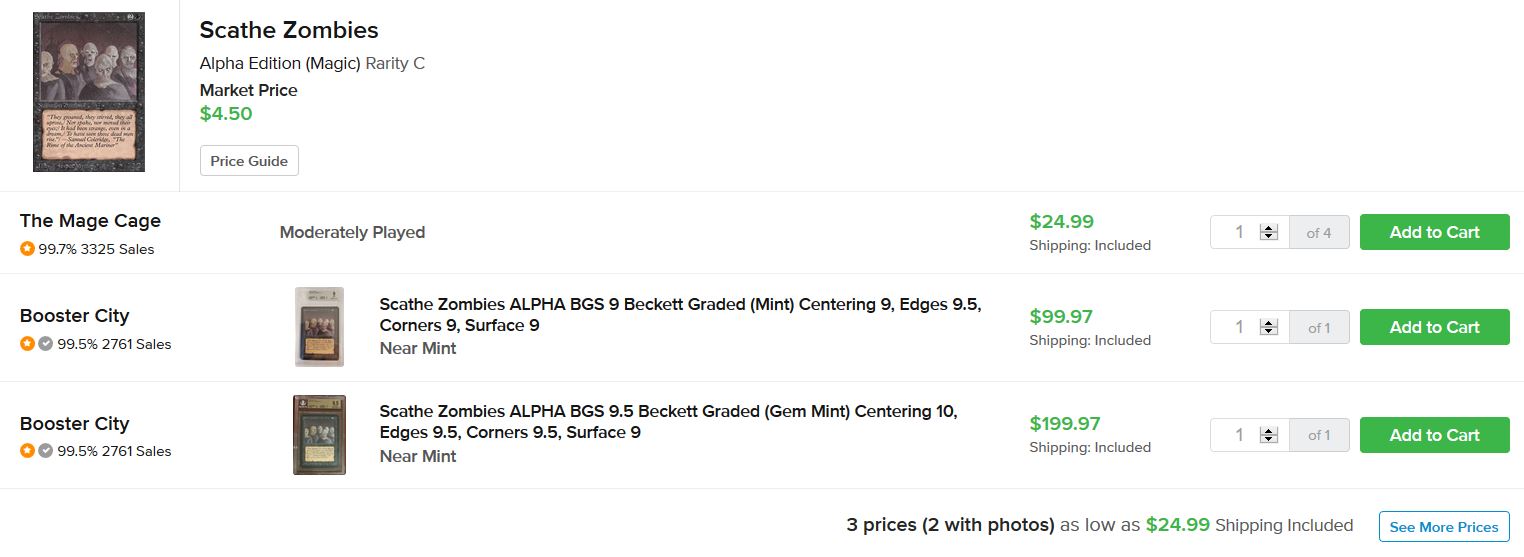
Next on the list of top sellers is Scathe Zombies.

Yes. Scathe Zombies. As in, the vanilla 2/2 for three mana. There are three copies in stock, with the cheapest listed at $24.99. Again, the market price isn’t nearly that high, but this could trigger folks buying out cheaper copies they can scrounge up at other sites. I did a search myself and couldn’t find many at the market price of $4.50.

Next is another black card worth your attention. And this one does sell at a higher price already.

This card doubles as playable in Old School. It’s just a common, but it’s nearly gone from TCGplayer. It’s only a matter of time before these sell, and then the only copies left will be $25 and up just like the other cards discussed. Or maybe this one trends more like Llanowar Elves and Giant Growth, where the only cards left on TCGplayer are three figures. Granted, that kind of price won’t stick, but this is the new reality for the Alpha market.

Before you jump in head first, though, be aware of some of the limitations of these investments. They’re a little less liquid than some of the Pauper cards I mentioned earlier. Also, it can be easy to be fooled into paying too much for a card simply because pricing on TCGplayer is whacky. Before making any purchases, make sure you scour the internet thoroughly to ensure the copies you’re buying are truly underpriced relative to the rest of the market. For example, if you had bought those Alpha Tranquilitys on TCGplayer, you would be overpaying relative to eBay.

Lastly, think before you buy. This should always go without saying, but with Alpha cards in particular, it’s easy to see a buyout and go crazy without considering the true utility of a card. You don’t have to know the All Alpha metagame to know that some cards are playable while others are flat-out useless. This judgement is critical with a market where bid/ask spreads can get huge.

Wrapping It Up

The theme of this week’s article is commons! Both commons for Pauper and commons for All Alpha are hot right now. And while often times commons are not worth examining due to their high populations, older sets are definitely worth browsing for hidden gems.

This week, I reminded readers the strategy I use to find cards that are about to spike. It’s not perfect, but it does help you get ahead of trends before they suddenly show up on the MTG Stocks Interests page. By then, it’s often too late. Short of monitoring metagame trends closely, I’ve found this to be one of the more effective methods in tracking these trends.

Lastly, I want to touch upon something I forgot to mention in last week’s Pauper article: foils. When looking at these older cards, foils can be a much better way of profiting from Pauper hype. Just make sure you’re sticking to copies in nicer condition. I noticed Land Grant was selling well from Judgment, but there are far too many copies in stock to be interesting. But perhaps foils are better to pick up to make a quick buck? Something to consider.

It’s a strange time to be buying up commons left and right, but this is the current reality. Rather than ignore this trend, let’s embrace it and try to get ahead of the curve where possible. That’s the best way to ensure we can make money on Magic no matter what format is popular at any given moment.

…

Sigbits

  • For Sigbits this week, I’m going to look at Card Kingdom prices/stock rather than Star City Games. It seems SCG hasn’t hopped onto the Old School / Alpha bandwagon yet, so their prices are still way too low. For example, SCG shows Alpha Plague Rats (one of my favorites) at $9.99. Meanwhile Card Kingdom has just one copy in stock, EX, priced at $19.99. This is a much more accurate representation of the market!
  • Llanowar Elves is another good one: Card Kingdom’s current NM price is $49.99 but they are sold out. I trust they will raise their price yet again. Alpha cards are really popping on Card Kingdom’s buy list, and this will push the trend even harder. The same goes for Giant Growth, sold out at $19.99 and likely to go higher.
  • If you still have doubts that Alpha cards are very desirable right now, look no further than Benalish Hero. When this card is sold out at Card Kingdom with a price tag of $11.99, you know the trend is real. Alpha cards are hot. Hard stop.

Daily Stock Watch: Pro Tour Rivals of Ixalan Special

Are you a Quiet Speculation member?

If not, now is a perfect time to join up! Our powerful tools, breaking-news analysis, and exclusive Discord channel will make sure you stay up to date and ahead of the curve.

Hello, everyone and welcome to the Pro Tour Rivals of Ixalan special edition of the Daily Stock Watch! I'd stray away from the usual format of this segment, and try to make picks out of the top 10 archetypes from the event (assuming at least half of these decks would make it to the top eight).

So here are the top 10 archetypes (based on the number of players who are playing it on the event, and the total percentage of the deck in the field out of 464 players):

Five-Color Humans - 43 players (9.30%)
Affinity - 37 players (8.00%)
Burn - 34 players - (7.30%)
Tron - 32 players - (6.90%)
Grixis Shadow - 30 players - (6.50%)
Eldrazi Tron - 26 players - (5.60%)
Jeskai Control - 23 players - (5.00%)
W/U Control - 23 players - (5.00%)
U/R Gifts Storm - 23 players - (5.00%)
Dredge - 17 players  - (3.70%)

MY PICKS:

POSSIBLE BIGGEST GAINERS IN MY OPINION

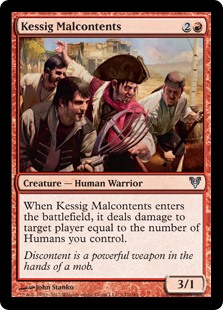
Unclaimed Territory (Five-Color Humans) - Along with Ancient Ziggurat and Cavern of Souls, the Five-Color Humans is the hottest deck in Modern right now because it could maximize its best personnel, thanks to these lands, which allows it to play any human card out there. Ross Merriam's new human-tech addition of Kessig Malcontents would have been my pick, but player preference could always be different. I'd rather choose this card because it would always be a four-of on any list.

Mox Opal (Affinity) - I already talked about this card here, so please try reading the article if you want more reasons on why I like the card.

Goblin Guide (Red Deck Wins) - People have forgotten about this card because Red Deck Wins have been off the grid for a while. It is still one of the best one-drops in the game (in my opinion), and three hits from this guy could put you in the red zone against this deck.

Collective Brutality (BG Urzatron) - I already covered this card here, so just try going over the article to see my analysis.

Thoughtseize (Grixis Shadow) - Arguably the best one CMC disruption spell in Magic, this helps out in thinning the life total of the Death Shadow player while giving him access to the opponent's hand. I also think that this card is underpriced nowadays.

Chalice of the Void (Eldra Tron) - This card has been very expensive, and rightfully so it should be. It could shutdown a lot of decks at one go, and I've always been afraid that this could get banned at any moment. Multiple Eldra Trons in the top eight could bolster its price (and the probability that this might get banned).

Geist of Saint Traft (Jeskai Control) - I've also talked about this card last year over here, and a top eight finish might be all it needs to become a $20 card again.

Field of Ruin (UW Control) - I could have picked another card from the list (such as Gideon of the Trials or Search for Azcanta) but this card seems to be a bit underrated for me despite of its power level. I talked about the potential of its foil copies over here before as well.

Manamorphose (UR Gifts Storm) - I haven't changed my mind about picking this as one of the breakthrough cards of the event, and I still think that at least one UR Storm player will make it to the top eight. This was my Daily Stock Watch pick last Wednesday, so you should be able to backtrack a bit on why I like this card.

Bloodghast (Dredge) - Dredge has been powerful despite the loss of Golgari Grave-Troll, and much of it could be attributed to the consistency of this card and Narcomoeba. Copies from Iconic Masters are everywhere, and this has been the reason why its price has dropped for a bit despite of its power level (this is also a key component in Hollow One decks).

To sum it up..

A lot of things could happen over the next couple of days, and I won't be surprised if none of these decks above would win the whole thing. Modern has been very diverse and healthy, but we can never guess what goes through the mind of the peeps from WotC. Always proceed with caution when buying cards (especially the very expensive ones) for spec purposes, and never fall in love with the idea of holding on to them for too long. Keep in mind that Masters 25 is just around the corner.

And that’s it for this week's special edition of the Daily Stock Watch! See you again next week, as we go back to our regular routine on this segment. As always, feel free to share your opinion in the comments section below. And if you want to keep up with all the market movement, be sure to check in with the QS Discord Channel for real time market information, and stay ahead of the hottest specs!

Colorless Eldrazi Stompy Mini-Primer: Play Tips

Are you a Quiet Speculation member?

If not, now is a perfect time to join up! Our powerful tools, breaking-news analysis, and exclusive Discord channel will make sure you stay up to date and ahead of the curve.

I've long considered myself a Delver die-hard when it comes to Modern. But I haven't been on much Delver at all since the Gitaxian Probe ban. Rather, the deck I've come to be known for in Boston is Colorless Eldrazi Stompy. In past weeks, I've reacted to local and online enthusiasm for the deck by crafting in-depth strategy primers on mulligans and sideboarding. Those two articles form a solid base for Stompy newcomers, but leave out a tougher-to-pin-down area I've taken for granted as a habitual Scourge-slinger: the deck's wealth of micro-synergies and in-game subtleties. This article seeks to rectify that.
Primers often feature a little list of helpful tips at their closure. It turns out my list is 4,000 words long. Today, we'll look closely at the individual roles played by Stompy's more challenging cards, as well as the interactions between them that must be learned to succeed with the deck.

Before we get started, here are links to the other two entries in this series:

And my current decklist, for reference:

Colorless Eldrazi Stompy, by Jordan Boisvert

Creatures

4 Eldrazi Mimic
4 Eternal Scourge
2 Matter Reshaper
2 Endless One
4 Thought-Knot Seer
4 Reality Smasher
4 Simian Spirit Guide

Artifacts

4 Serum Powder
4 Chalice of the Void
1 Smuggler's Copter

Instants

4 Dismember

Lands

4 Eldrazi Temple
3 Gemstone Caverns
4 Ghost Quarter
4 Blinkmoth Nexus
2 Mutavault
2 Sea Gate Wreckage
2 Scavenger Grounds
2 Wastes

Sideboard

3 Spatial Contortion
1 Gut Shot
4 Relic of Progenitus
2 Surgical Extraction
3 Ratchet Bomb
2 Pithing Needle

I'm actually playing a second Gut Shot over that second Surgical in the board right now, but as discussed in the last Mini-Primer, the spot is flex and doesn't affect any information here. For the sake of consistency, we'll leave the decklist untouched.

Wielding Threats

The second wave of Eldrazi are as known for their sheer bulk as for their funky text boxes. There's more to these creatures than they reveal on paper.

Eternal Scourge
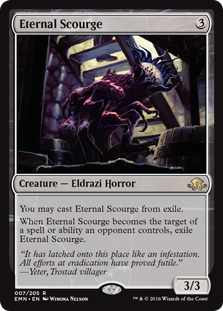
We'll kick things off with our lynchpin creature, Eternal Scourge. Before the game starts, Scourge plays a Noble Hierarch/Urza's Tower role in enabling Serum Powder and Gemstone Caverns, which set up our fast mana. After, it opens up a free win dimension against opponents relying on removal or combat (read: most of them). There are few keys to remember when it comes to successfully leveraging Scourge into a "free win."

Against reactive fair decks, sit on Scourge indefinitely. In this situation, the creature's like Isochron Scepter with a Lightning Bolt, or a constantly flipping Huntmaster of the Fells: let your other resources pile up in hand while Scourge does the heavy lifting and chips away at opponents. Eventually, they'll be forced to start throwing removal spells at the thing; when they run out, we'll often still have Scourge, as well as a hand full of Seers and Smashers. It's fine to cast additional Scourges in this scenario (unless you fear sweepers and lack an exile effect), as well as Serum Powder.

These same reactive decks will still employ some proactive elements to actually close the game. Let's focus on Modern's best-performing reactive deck, Jeskai Tempo (the following principles in fact apply to all reactive decks). Their ideal line against Scourge is actually to try racing us, although many less-experienced pilots will fail to spot it and just hand us the game. Racing means end-step Spell Quellers and Snapcaster Mages. It's correct to kill these creatures on sight or add pressure to the board to combat these types of moves and maintain a damage advantage in the race. Sweepers like Supreme Verdict may also be employed to deal with Scourge, as well as tap-out math-changers like Geist of Saint Traft or Celestial Colonnade. These plays remove countermagic from the equation, affording us opportunities to cast the high-impact cards we have saved up.

Eldrazi Mimic
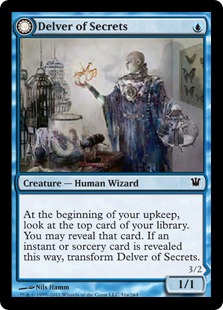
Our "Delver of Secrets," Mimic's role is to pressure uninteractive decks early. It's almost always correct to run it out on turn one with a Temple or Gemstone in the dark (never a Guide, and turn one Chalice is a better blind play when available). Against removal-heavy decks, it can be fine to wait and lead on Eternal Scourge to soak up removal spells, but with a sweet creature curve, just slam the Mimic and continue adding threats to the board. In that case, opponents won't be able to keep up.

Mimic's also unique in this deck for its low mana cost. Given a hand full of Mimics and three-drops, take care to spend the most mana in each turn cycle—this deck is built to tap out. For instance, it's usually correct to cast a three-drop with three mana, even if we could draw Seer next turn and hit for an extra damage with Mimic. Next turn, then, we can cast both Mimic and a two-cost utility spell like Ratchet Bomb.

Matter Reshaper

Matter Reshaper occupies the same slot on the curve as Eternal Scourge, and similarly helps out-resource attrition decks. Reshaper's applications are a little different, since it provides a small burst of value rather than warp the gamestate around itself. To its credit, Reshaper also offers tempo, or mana, by putting the revealed card directly into play. Which of the two you want to cast first depends on the kind of resource a game values.
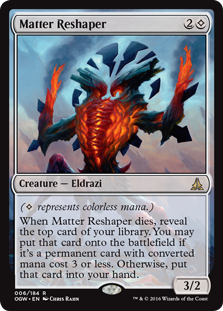
Since Scourge grants nothing for hitting the graveyard, Reshaper's a better blocker. We also want the tempo badly when under pressure, making it an ideal play against offensive creatures. That said, Scourge's larger body can change things when it comes to 2/x creatures like Thalia, Guardian of Thraben or Goblin Guide.

The two also fight for priority based on an opponent's removal options. Against reactive decks with a Chalice in play on 1, Reshaper should be played first—enemy Bolts, Pushes, and Paths become Unsummons against Eternal Scourge regardless of Chalice, making Reshaper a more reliable damage output. But without a Chalice, if you expect these removal spells, lead on Scourge to absorb them.

Endless One

Endless often functions as an additional Eldrazi Mimic. As with Mimic, it's fine to slam Endless One for 2 with a Temple in the dark, given a robust creature curve. Otherwise, it's best to wait a turn and see what opponents are packing. Endless has utility throughout the game; it's great fast versus linear decks, on the cheap to crew Copter or present a chump block, and on 4 or more against Bolt decks. Endless can also set up an alpha strike with one or more Mimics in the late-game.

Also like Mimic, Endless should be paced or played to ensure all our mana is spent each turn. In scenarios that could go either way, though, it should of course be preserved in hand, since it comes down for more later. But don't be afraid to slam Endless for 4 or even 3 despite the rate appearing lackluster. In a topdeck scenario, tapping out for a huge One often beats playing a smaller one to activate utility lands like Sea Gate Wreckage.

Thought-Knot Seer
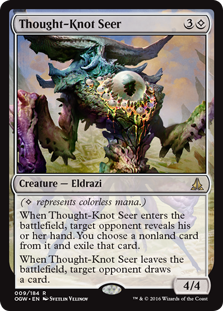
Should be saved for last in removal spell matchups, but resolved quickly against combo decks. An exception for the latter: don't rush Seer out if doing so means blowing Guides and messing up your curve. Our goal in combo matchups is to build the fastest clock possible while ensuring a Seer resolution before combo's critical turn, but as close as possible to that turn. Critical mass combo decks like Storm, as well as ones with mana cheats like Simian Spirit Guide, incentivize earlier Seers to mess with their assembling, get under oops-I-wins, and work the information for disruption purposes.

Reality Smasher

There's not much to say about this guy that isn't made painfully obvious by his ridiculous text box, but I'll mention that Smasher's an ideal threat to sandbag when it comes to playing around sweepers. Similarly, it's excellent against planeswalkers, which opponents go to great lengths to resolve on empty boards against us. Never walk Smasher into Liliana of the Veil against BGx. Just wait for another threat, or a mana to animate Blinkmoth in response.

Using Utility

Colorless Eldrazi Stompy's many utility spells also have some play to them.

Smuggler's Copter

In my article on sideboarding, I included Copter among the flex spot options for this deck, noting it should only really not be in the deck if everyone's playing Jund. I've since gotten in plenty of reps against Jund specifically, and have come to realize that Copter is actually insane in that matchup. As such, it joins the core and should always be included at 1 in this deck.
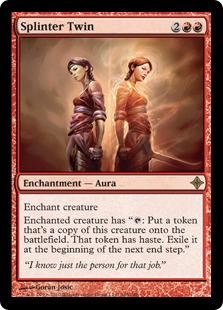
So why is Copter so good against Jund, a deck with a million ways to remove it at a parity gain? The card gives us what I like to call a Splinter Twin Effect. When UR Twin had Pestermite or Deceiver Exarch in play, opponents would fearfully represent one or two mana each turn as insurance for a possible combo kill. Twin leveraged the tempo stolen from that untapped mana to turn Pestermite and Exarch into legitimate threats on their own, a notion exemplified by Patrick Dickmann's Tarmogoyf-splashing Tempo Twin.

Similarly, resolving Copter heavily incentivizes opponents to represent Fatal Push mana each turn. And if they do, we've got plenty of other lines: casting and attacking with Eternal Scourge, for instance. It's almost never correct to actually crew the copter when opponents can kill it. At the end of the day, the only way they'll get past our Eldrazi Plan A is to impact the board, which forces them to tap out into Copter. It goes without saying that the amount of tempo we can gain from powering Copter out on turn one with Guide or Caverns is immense.

Opposing mana can also be dealt with proactively by casting must-answer cards like Thought-Knot Seer pre-combat, letting us crew Copter after opponents tap out to remove a creature or counter a spell. In Seer's case, the Eldrazi can crew Copter in response to removal, making the pairing especially deadly.

It's true that some decks don't need to impact the board in order to beat us—linear decks like Storm and RG Valakut spring to mind. These decks won't tap out so readily. But they also don't carry removal for Smuggler's Copter, letting us safely find Seers and Smashers to put things away. After all, Copter wouldn't produce a Splinter Twin Effect unless it was actually worth holding up mana for, but looting every turn and giving our creatures pseudo-haste (and flying) is really freaking good. If opponents want to let us do that, so be it; we'll bury them in high-impact cards.
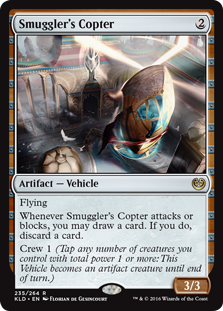
Things get even better for Copter. It's got some synergy with Eternal Scourge, especially post-board—discarding Scourge and then exiling it to Relic of Progenitus (or Scavenger Grounds) results in a straight plus; then, Scourge can be cast from exile next turn to crew the Copter again. The Vehicle also plays an important function for us by looting past dead cards, especially Phyrexian bricks like Dismember when our life gets too low to cast them, or more lands than we can play in a turn. Doing so turns Sea Gate Wreckage back on, letting us see up to three cards per turn and efficiently dig for answers to board stalls, prison elements, or other problems. (We used to have Urborg, Tomb of Yawgmoth to deal with uncastable Dismembers, but post-Grounds, we can't fit it.)

The opportunity cost of a single Copter is quite low, although drawing multiples when you need a pilot can stink (it happened to me once at last year's Regionals; lesson learned). As a result, I can't make a compelling case for the second Copter. A "favorable" metagame for that choice would be full of value-style Company decks, making Contortion and Bomb more attractive flex spot options. But at 1, the card's one of our strongest—if densest—utility options, and a clear staple going forward.

Relic of Progenitus

By now, Relic's proactive applications with Eternal Scourge are well-known. Less obvious is the related pacing. Against counterspell decks, for example, save Relic until after casting Scourge; opponents are likely to windmill slam Ceremonious Rejection or Logic Knot when they see the Eldrazi, turning Relic into a free plus on cast. Walking Scourge into Liliana of the Veil or Supreme Verdict yields similar results.
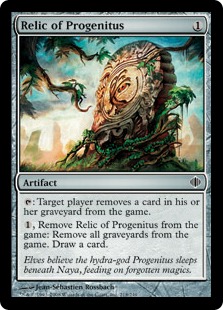
As for grindy opponents with artifact removal, it's ideal to represent Relic mana when possible. The primary benefit of doing so is to delay Relic's removal process. Reactive opponents versed in the matchup remove Relic on sight and take the minus in stride; the rest, hungry for "value," wait on us to tap out for Smasher. Instead, Scourge eventually puts them under enough pressure that they'll be forced to remove Relic at minus anyway just to get their own engines online.

So the card is almost a guaranteed plus against reactive strategies, and often draws us many cards while disrupting opponents.

Ratchet Bomb

Like Relic, it's good to hold Bomb in hand sometimes, especially when we plan on cracking it for zero. That comes up against Storm (let them commit to Goblin tokens, which they are likely to in the face of graveyard hate) or Lingering Souls (wait for an opportunity to hit four tokens or kill them now and crash in for more damage), and Eldrazi Tron (Hangerback Walker and its tokens; Walking Ballista).
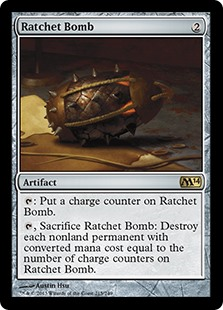
Conversely, in matchups where we're worried about a specific mana cost, Bomb needs to come down fast to start ticking up. Chief offenders include Gideon of the Trials, Geist of Saint Traft, and opposing Thought-Knot Seers. It's usually correct to tick Bomb up to the number just under our target's cost; that way we can add a charge counter on end step and blow that Geist before it blocks or attacks, and retain the option to kill Snapcasters in the meantime, for instance.

Pithing Needle

Needle is almost always saved until a target appears, unless we boast a truly fantastic curve, in which case we'll just hit the card we care most about. Common pre-emptive hits include Walking Ballista and Arcbound Ravager.

I was stoked for Sorceress Spyglass when it was spoiled, but testing has revealed its limitations. It's often a "three-drop" in this deck (we tend to start with Eldrazi Temple), which makes it incredibly clunky. And since we like saving our Needles anyway, the info only marginally improved the card. Clashing with Chalice never comes up with Needle, either; we Chalice for 0 against Affinity and side the artifact out in most other Needle matchups.

Surgical Extraction/Gut Shot

Free spells should usually be cast late, and reactively. For example, don't immediately Gut Shot that Noble Hierarch. Draw for turn first and see if anything changes. Sometimes it's better to spend turn one's extra mana on a freshly-peeled Dismember and save the Shot for a more mana-hungry turn.
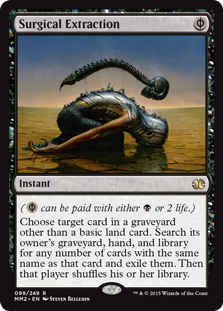
The same mostly applies to Surgical, although proactively tearing out Remands or Path to Exiles can be correct before going for Reality Smasher or something. Surgical's one of those tricky cards that becomes better and better as format and matchup knowledge improves, and there's no way I could list all its uses in this section. The good news is, they tend to carry over from other Surgical-featuring decks.

One Stompy-specific thing to keep on the radar, though, and the reason a single Surgical is forever locked into this deck's sideboard, is the card's interaction with Eternal Scourge. Once opponents find a way to "permanently" remove the creature, Surgical allows us to put a full four of them into rotation, which generally ends the game.

Lands and Mana

One draw to Stompy over other Eldrazi decks is its manabase, which is composed of multi-purpose role-players.

Simian Spirit Guide/Serum Powder/Gemstone Caverns

Simian Spirit Guide is about accelerating into Chalice of the Void, but it has other uses. One can cast another, and Gemstone Caverns can cast them all. Spiting out a three-drop on turn one is fine if we have multiples and a sloppy curve. Surprise manland activations can also come in clutch.
Post-board, Guide helps enable some of our plans. Chalice on 2 shuts down Storm and even RG Valakut in some games. Guide also lets us tap out for creatures with Relic in play and blow Storm out in response to Past in Flames. It works the same way with Dismember against creature-based combos.

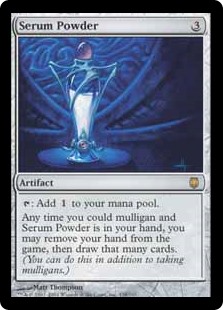
Serum Powder's not very exciting as a mana rock, but certainly passable. It gets us to Smasher on turn four without a Temple, and whenever we have exactly two mana to spare, it comes down free of charge (then tapping for whatever else we do). That comes up mostly with manland activations, Dismember, and Sea Gate Wreckage.

The card's also incidentally ridiculous against Wrench Mind out of 8-Rack, and hoses land destruction plans (especially Blood Moon, which is significantly worse than the cantripping Blood Sun against us).

Gemstone Caverns looks straightforward on paper, but it's not always correct to use it on the draw. Land-light openers without a two-drop play, or that want to lead on Relic, reward holding the Caverns in hand, especially against attrition-focused midrange decks. Other than that, pitching an extra Caverns or Powder is a great way to mitigate the drawback, and of course pitching Scourge results in a plus (we draw for turn despite functionally being on the play at no cost).

Mutavault/Blinkmoth Nexus
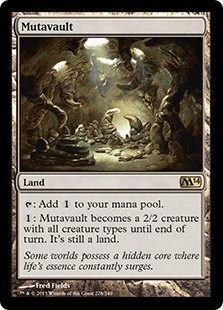
The idea behind utility lands is to ensure we've got uses for all our mana each turn, even after we've exhausted our hand. Along with Quarter, Vault and Blinkmoth most commonly activate before we run out of cards. Muta's the best on offense, although I've won many games by flying over board stalls. Blinkmoth's better on D, blocking evasive Affinity creatures (outright walling Signal Pest) as well as random stuff like Vendilion Clique. Blinkmoth can activate to pump itself after blocking, even the turn it comes into play, and can pump Mutavault—which is also an Eldrazi!

Mutavault's also a Merfolk, AKA a River Bear when opponents control Lord of Atlantis. I happily learned this at a PPTQ last summer when a spectating judge walked over to our table and informed my dumbstruck opponent that he was actually dead to my last-ditch attack.

When it comes to aggression, don't mindlessly animate manlands unless you don't mind losing them (which does come up). If possible, sponge removal with Scourge before formally calling on the backseat army.

Ghost Quarter

Our main "disruption land," Quarter helps us keep up with purer big mana strategies and disrupts land-based combos based on stuff like Gavony Township (or, more recently, Search for Azcanta).
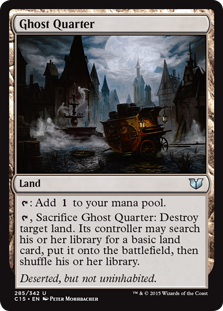
It also destroys manlands, notably Celestial Colonnade and Inkmoth Nexus. Against said manlands, it's frequently optimal to "quarter" Ghost Quarter off to the side and wait until opponents animate (which may be never). Destroying manlands proactively is only worthwhile when doing so mana- or color-screws opponents, which is rare in non-Affinity matchups.

Screwing opponents is an important aspect of the card. Grixis Shadow only plays two basics, meaning a Quarter-heavy opener can actually tear up their mana. It's also good to pop red lands against that and many midrange decks, as Blood Moon's existence incentivizes many of them to skimp on running Mountain. Getting red back immediately then costs three life, which makes an attack from our manlands more attractive. This kind of "color-pop" is best executed on an opponent's end step, to ensure they don't have the color available next turn.

As a general rule, though, blowing up lands should take place on an opponent's draw step, especially against basic-light decks like Tron and Shadow. That way, there's a chance they've drawn a basic for turn and have to miss the Quarter search. (Same deal with Surgical Extraction.) Careful against Jeskai Tempo, though, which can sometimes spend the extra mana from the land we target on Opt or a Bolt effect.

Lastly, Quarter can target our own lands in a pinch. Sometimes we need to lock in a colorless mana source in response to Blood Moon; others, we want to fizzle a Spreading Seas draw—or just turn our blockers back on against those pesky Merfolk.

Sea Gate Wreckage
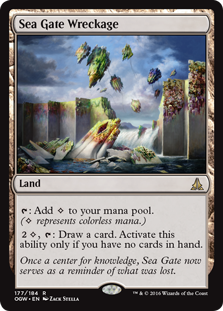
Sea Gate Wreckage's role is to help us out-card opponents in a stall. It's useful against slower aggro decks, when the board can become gummed up, and of course against attrition strategies. We can activate one Sea Gate in response to the other, since they both meet the activation condition of no cards in hand.

We can also activate Sea Gate in our upkeep, although it's often unadvisable to. If we're dead without exactly Dismember it can be good, since we might have a brick like Serum Powder on top. Otherwise, we're better off just drawing that Powder, casting it, animating a manland, and trying again next turn. Upkeep activations do become relevant when our mana piles up, which is where Powder starts to pull its in-game weight. In these cases, we should have enough mana left over to cast at least a three-drop.

Scavenger Grounds

A relative newcomer to the deck, Scavenger Grounds has handsomely earned its place in Colorless Eldrazi Stompy. It gives us a way to recycle used Scourges pre-board, which makes the creature all the more powerful against midrange strategies—suddenly, countering Scourge or stripping it with discard doesn't look so hot. It's also invaluable against Tarmogoyf, which can grow quite large sans Relic, and graveyard decks like Company and Storm.

In the matchups where Grounds has non-Scourge applications, it's usually best to sit on the land until it's needed (i.e. in response to a persist trigger) and rebuy the Scourges then than to pop it proactively. Just holding up Grounds scares opponents from casting their Snapcasters. And re: persist, it's always a hoot when Scourge trades with Kitchen Finks and then gets exiled to Grounds at the same time as the Ouphe.
Kill Spells

Removal-wise, I just have a couple little tips that don't deserve their own sections.

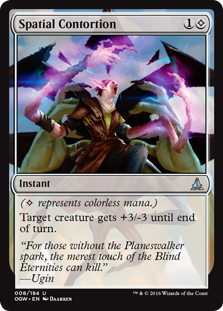
  • Spatial Contortion can pump our larger creatures to push through lethal.
  • Dismember can kill our blocked creature to fade lifelink from a Wurmcoil Engine.

1017 Brick Squad

I've often heard newcomers express frustration at this deck's "dead draws." But it doesn't really have any. Powder and Guide are often unexciting draws, sure, but they play roles later in the game in addition to as early as its mulligan stage. Regardless, the many micro-synergies explored in this guide tend to vastly overshadow even multiple dead draws—just this week, I beat a guy at the LGS on a mull to 5 after drawing three straight uncastable Powders, all thanks to a couple Scourges. Learn to love the brick!

On that note, this three-part "Mini-Primer" series ended up yielding an utterly comprehensive guide to Colorless Eldrazi Stompy. Hopefully it inspires more Modernites to give the deck a whirl, and who knows... maybe we'll even see some Serum Powders flying around at the Pro Tour this weekend!


Insider: Store Buylists by Format

Are you a Quiet Speculation member?

If not, now is a perfect time to join up! Our powerful tools, breaking-news analysis, and exclusive Discord channel will make sure you stay up to date and ahead of the curve.

Welcome back, readers! I owe today's article idea to Mr. George Tudor. We often talk about the best buylist prices per store, but when you're going through a large amount of cards looking up each one, it can take a considerable amount of time if they are all different. So the question is, do any particular stores pay more for any particular competitive or casual format?

With an answer to this question, you could sort by format first. Sure, this requires knowledge of said formats and the cards played in them, but is still much faster than typing everything up in one list. And this way, you know that you're most likely getting the best price on cards if they fall into said format.

This information would also be extremely handy if you've got an ogre'd box at a GP. If you know which stores pay best on which formats, you can start at the places that will be most interested in the cards you're carrying. When you're dealing with potentially 15 or 20 merchants in a day, knowing in advance who is likely to pay the most can save you a ton of time.

For the reasons above, we're going to look into this very question today: do certain stores pay better for cards from particular formats?

There was an error retrieving a chart for Epic Experiment

We want to make sure we conduct this like a proper experiment. So the first thing we'll want to do is gather a list of format staples. I'm going to use MTG Goldfish for this, as their information is current, available, and easy to read. Next, we'll get a group of the major stores that have large buylists and compare each one's price per staple and how far off it is from the "top price." Finally, we'll average the percentages and see which one pays closest to top dollar per format.

Obviously, there is potential for a store to have recently stocked up on a bunch of staples of a given format and thus lowered their buylist prices, but we don't have access to full inventories, so we will have to hope none fall into this category. It may be that examining this data multiple times at different points in the year will refine our results – a topic that we will perhaps discuss later!

While there are more stores on Trader Tools, I've had the most personal success selling to these stores:

  • Card Kingdom
  • Channel Fireball
  • Cool Stuff, Inc.
  • ABU Games
  • Adventures On

Standard

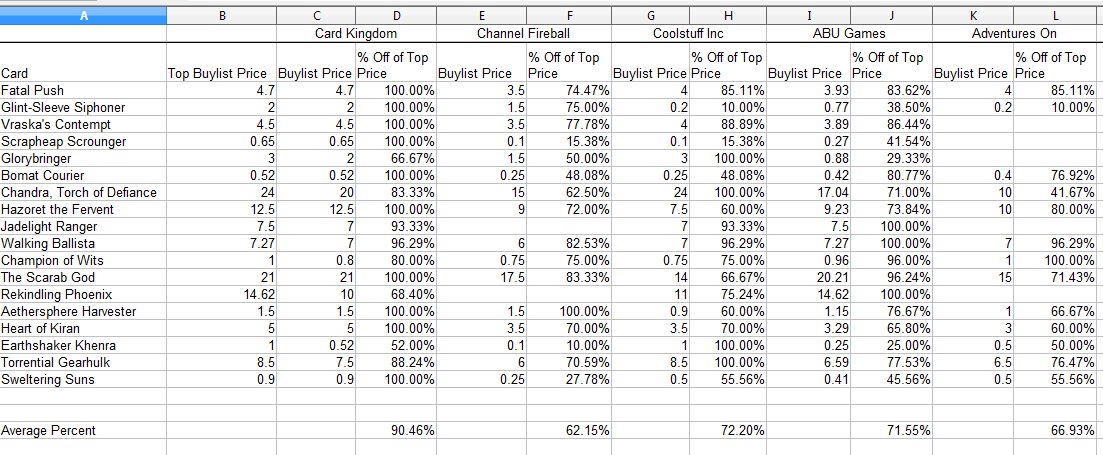
Here's a list of commonly played Standard cards and their buy prices:


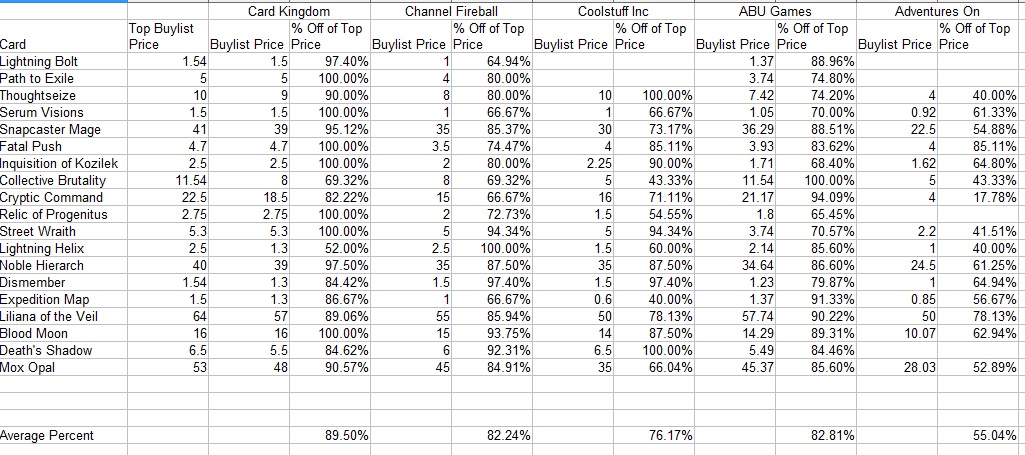
So the number we care most about is the bottom "average percent" which shows how close a vendor is to the top buy price. The clear winner here is Card Kingdom, and the worst-paying on Standard cards is Channel Fireball. The empty cells had no buy price options (it was odd that CFB didn't have any of the new Rivals of Ixalan cards available to buylist at the time of me writing this on 1/27). So the takeaway is that if you have a bunch of Standard cards you want to unload but you don't want to take the time or effort to finding the best buy price for every card, your best bet is to take them to Card Kingdom.

Modern

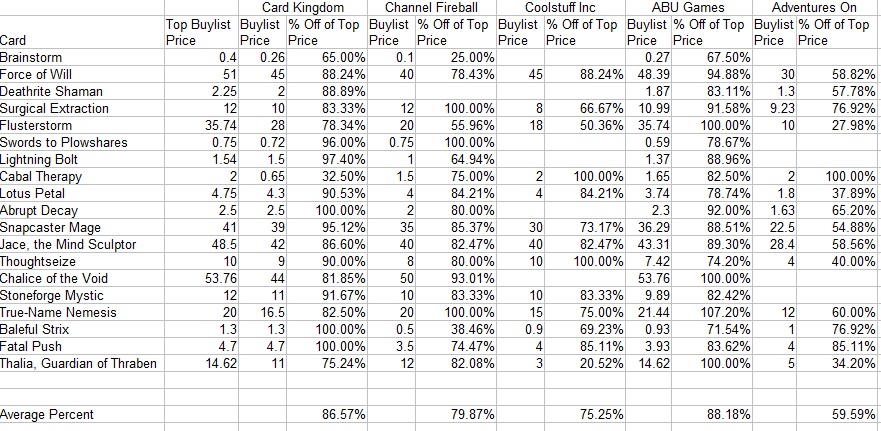
Next up, I went through the same process for Modern. I will note that I think there was a typo on Adventures On's buylist for the Lorwyn Cryptic Command (they have it at $4, whereas, the Modern Masters versions are both $14). However, until it's fixed I'll keep it into the equation.

Again, we have Card Kingdom at the top of the pile, though Channel Fireball and ABU Games aren't too far behind when it comes to Modern staples. So depending on your options and time constraints, each of the three would likely yield similar results. In fact, the buylist prices for the first 4 stores are all relatively close (when you compare the percentage differences). Adventures On appears to be the one lagging behind. I'm not sure if they simply don't update their buylist often, are currently overleveraged in Modern staples, or have some other reason for such low buylist prices compared to their competition.

Legacy

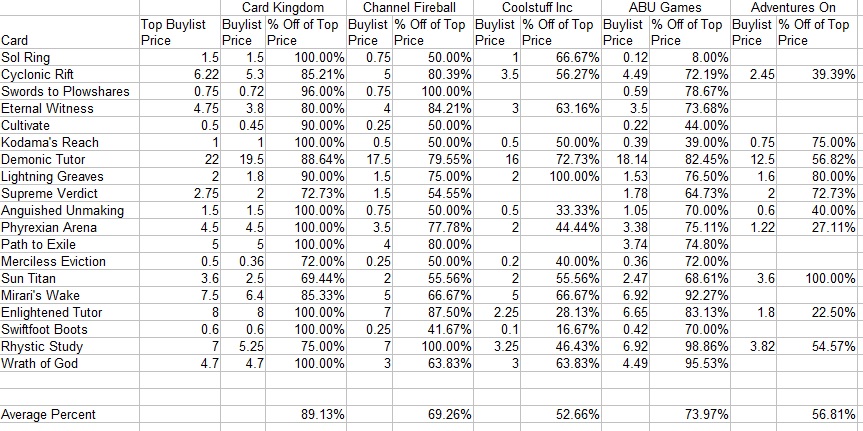
For the Legacy buylists we see a the smallest "spread" yet between buylist percents. This is likely due to the relative stableness of the format and the fact that most stores feel pretty comfortable buying Legacy cards. Again we see Adventure's On lagging behind the others (and it is important to note that that percentage is averaged from the cards they do buy..so they are not dinged for cards they aren't buying).

Commander

Here we have another company dethrone Card Kingdom when it comes to Legacy cards. It appears that ABU Games leads the pack in Legacy buylist prices, although by a very thin margin. It is interesting to note how most of the stores are within 15 percent of each other (ignoring Adventures On), which implies that the buylist prices are relatively stable.

What's interesting is how far off Cool Stuff, Inc. and Adventures On are in comparison. Based on these numbers, chances are if you take them a lot of Commander cards, you will be losing out on a lot of potential profits.Yet again, Card Kingdom tops the list (if you haven't been counting, they pay best on three of four formats so far).

These numbers honestly surprised me, as Commander has proven a beloved format, and it's one that often brings in players that may not have frequented stores much five years ago, so one would expect stores to aggressively keep the staples in stock. Now, it is fair to point out that there are definitely some cards on this list that have a decent shot at being reprinted in the next Masters set, and especially given how eight of the cards on the list are uncommons and three are common, they would likely take a significant hit if reprinted.

Pauper

Lastly we have the new hotness, Pauper.

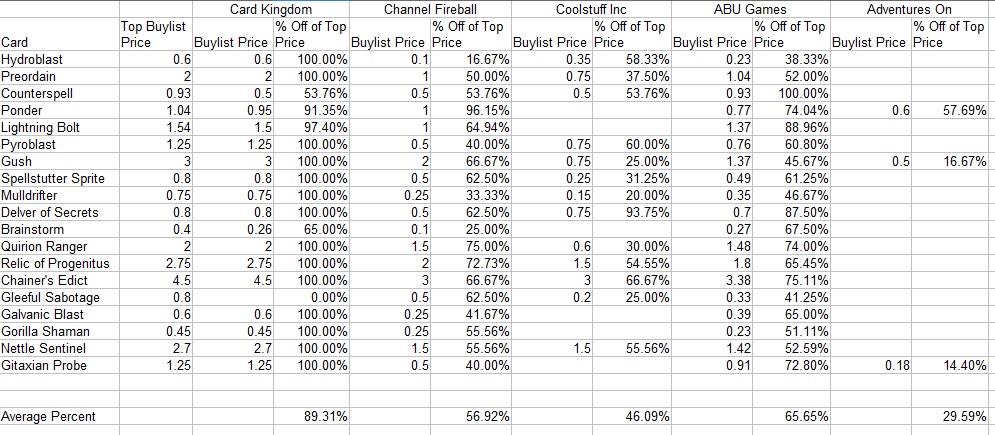
It's honestly quite surprising that Channel Fireball's Pauper buylist prices are so poor, given their decision to host Pauper events at GPs has caused the surge in demand and prices. It is possible that they had planned on doing this for a while and simply stocked up before announcing it (which would have been a very wise financial decision).This one is interesting. It's possible that some stores simply haven't adjusted their buylists to support the Pauper format just yet (or perhaps they don't want to), but the difference between average buylist percents is the largest of any format reviewed. Though it is important to note that the store that caused this huge spread (Adventures On) wasn't buying much Pauper stuff at all, and they weren't paying much for the cards they were buying, which does imply that they aren't really wanting to invest in the format at this time (which is their prerogative).

Conclusion

For everything that isn't a Legacy staple, it seems that Card Kingdom is your best option, as they lead the pack in almost every format when it comes to buylist prices.

There was an error retrieving a chart for Ultimate Price

As I stated in the beginning, these are all stores I've sold cards to before at GPs, so I knew they were all willing to pay competitive prices on cards (and quite often my ogre'd boxes are heavily influenced by Card Kingdom's prices, so many of them have matched those prices when buying).

There was definitely one store that was almost dead last in every category, so I personally would think twice before sending them a big batch of cards that I hadn't compared elsewhere ahead of time. However, my experiences in the past have been good, so I would still sell them any cards that they had the highest buylist price on (like Sun Titan, Cabal Therapy or Champion of Wits).

I feel like this was a good approach to take on this subject, and I'm confident that the data trends are fairly accurate (obviously if you're focus was on one format, you would take a much larger card pool and likely a larger vendor pool). However, different times of year, vendor stocks and other factors may lead to adjustments over time. That said, I feel that the results are accurate enough that one could feel fairly confident handing certain stores a large stack of staples from a given format, knowing that you were likely getting close to maximum profits.

Questions? Comments? You know what to do.

Daily Stock Watch: Inkmoth Nexus

Are you a Quiet Speculation member?

If not, now is a perfect time to join up! Our powerful tools, breaking-news analysis, and exclusive Discord channel will make sure you stay up to date and ahead of the curve.

Hello, everyone and welcome to the Thursday special edition of the Daily Stock Watch! Some decks have been under the radar for a while after losing much of their popularity (and swag, thanks to other tier one decks) but I think that one of them is definitely primed for a comeback over the weekend's Pro Tour. My pick for today is one of the key components of the deck that I think will break through again at PT RIX, and it could spike again if Infect performs well.

There was an error retrieving a chart for Inkmoth Nexus

Infect became immensely (pun intended) popular in 2016 after winning some big events. This caused the price of Inkmoth Nexus to reach a high of $45.97 during the first quarter of that year. For a deck that could kill you twice as fast as a normal one, this card is highly regarded as the "finisher" as it allows you to beat an opponent out of nowhere as long as they are low on resources to defend themselves, and you have the spells needed to protect Inkmoth Nexus. Last year, the deck became less used because the format has shifted to a creature-based meta, which made cards like Fatal Push, Lightning Bolt, and Path to Exile more popular, all of which could actually finish off your Nexus at one go. However, recent history tells us that players are favoring big mana decks such as Eldra Tron and Titanshift, which means that they are more concerned about destroying the strategy of these decks via hand disruption or counter-magic (both of which Inkmoth Nexus isn't really concerned with).

With all these in mind, I think that now is the best time to use Infect again. The pros might have other things in mind but hey, that's just my two cents. For a more in-depth look at how the deck looks like, check this one out that recently went undefeated in an MTGO Competitive Modern League.

Infect

Creatures

4 Blighted Agent
4 Glistener Elf
4 Noble Hierarch
4 Plague Stinger

Other Spells

2 Become Immense
4 Blossoming Defense
2 Dismember
4 Groundswell
4 Might of Old Krosa
4 Mutagenic Growth
4 Vines of Vastwood

Lands

2 Breeding Pool
1 Forest
4 Inkmoth Nexus
4 Misty Rainforest
2 Overgrown Tomb
2 Pendelhaven
4 Windswept Heath
1 Wooded Foothills

Sideboard

2 Abrupt Decay
2 Dispel
1 Dryad Arbor
1 Fatal Push
2 Nature's Claim
3 Shapers' Sanctuary
2 Spell Pierce
2 Viridian Corrupter

The list hasn't changed that much from the one that was extensively used two years ago, and this says a lot about a deck's capability of winning. Other tier one decks have adjusted to hate cards with the help of new technology from newer sets (Fatal Push, Search for Azcanta, and Kitesail Freebooter are the new ones that come to mind) so the lack of a new piece might be hurting the stock of infect here. The only upside I see in this deck's possible path to resurgence is the lack of a preparation for it in main decks, therefore allowing it to adjust to more removals post-board. However, land destroyers have been more prominent lately to respond to the threat of the big mana decks. I still see lots of room for Inkmoth Nexus to be efficient in a meta like this, as I doubt that your opponent's will single-handedly think of inserting land removals just so they could deal with the Nexus.

The Killers

RG Ponza is actually a deck again, and it feels like it's 2009 all over again. There are a lot of land hosers in Modern, but Infect isn't all about Inkmoth Nexus. For all we know, Infect might just win the whole thing come Sunday.

Right now, Inkmoth Nexus is available in online stores such as StarCityGames, Channel Fireball, TCGPlayer, and Card Kingdom for $15.99-$17.99. This isn't really a good spec if it doesn't win, but the chances of getting hurt with purchases is minimal as the deck is still very much potent in Legacy. I'd like to look at the idea of this hitting the $30-$40 price range again if it does win (or at least two of the deck makes it to top eight), so I'd say that it would be good to gamble on at least two playsets for now. Stay away from foil copies for now, as there really isn't much growth in it even if the normal ones spike due to the availability of the WMCQ foils.

And that’s it for the Thursday edition of the Daily Stock Watch! See you again tomorrow, as we check out a new card that should be on the go, or good enough for speculating. As always, feel free to share your opinion in the comments section below. And if you want to keep up with all the market movement, be sure to check in with the QS Discord Channel for real time market information, and stay ahead of the hottest specs!

Video Series with Ryland: Humans #2

Are you a Quiet Speculation member?

If not, now is a perfect time to join up! Our powerful tools, breaking-news analysis, and exclusive Discord channel will make sure you stay up to date and ahead of the curve.

I've largely avoided repeating decks for this series to keep the content fresh and interesting. That said, I think the Humans deck has gone through a slew of changes, and while the core of the deck remains the same, the gameplay can be quite different. On top of that, it seems we still haven't found the optimal list of the archetype yet. People are still debating how to fill the "flex slot" and some lists are shifting gears in an even more aggressive way.

Week-to-week decklists have changed; for a particular stretch of time that one flex slot seemed to be the only card in flux. People had long since settled on the incredible innovation of Phantasmal Image. At this point, lists showing up had frequently opted for Dark Confidant in the 60th slot—that is until Kessig Malcontents started to creep into decklists, usually as a singleton.

Turns out, Kessig Malcontents is a house. After playing just a few games with it, you'll find yourself yearning to draw it in nearly every game. In close games it is often your best closer, and sometimes your only out. In that regard, it feels very similar to Mantis Rider. On average, I find the two cards serve nearly the exact same function the turn they come into play, each with their own unique upside. Malcontents is generally a Lava Spike in a removal-heavy matchup, Mantis Rider is often the same. Obviously the value of these cards relative to each other can easily change from situation to situation, but functionally they serve a similar purpose. They give you that much needed reach to close out tougher games.
As an aside, if there is anyone out there who has not been convinced of the truth that is Phantasmal Image, then this message is for you. It feels strange to call a "Clone" effect the best card in the deck, but in this case it is not a far cry. If you play few leagues with Humans you will likely mentally divide the deck in a few different sections. You have your interactive bears: Thalia, Guardian of Thraben, Meddling Mage, and Kitesail Freebooter. Next you have the pressure: Champion of the Parish, Thalia's Lieutenant, and Mantis Rider. Lastly, you have your closers: Mantis Rider also occupies this role, and is joined by the previously mentioned Kessig Malcontents.

In some matchups, you can't possibly draw too many Meddlers and Freebooters; in some you want to just put as much power and toughness on the table. In others the ground will get gummed up which will force you to take to the skies to whittle your opponent down, or deal them direct damage with Malcontents. In any case, your Images are additional copies of the cards that happen to matter in that particular matchup and situation. Need more Meddling Mages? No problem! Couldn't care less about naming a card? Time to ride the Mantis twice as fast. Sure, the card can get awkward in games where you simply have too many, or your opponent has so many one-for-one instant-speed removal spells they don't know what to do with themselves. Most frequently though, you will be very happy to see it join your hand.

Humans still has some issues in the format, predominately with Jeskai Control and other decks like it. That said, I think it is a strong deck and will continue to see play in the format, and most importantly, continue to become a more refined list. There are still a lot of questions about how best to build this deck and as those questions begin to come to more complete answers, I expect the deck to be an even more formidable Modern player.

I hope you enjoy the matches and, as usual, I'm interested to hear what kind of content you'd like to see moving forward, so I can continue to evolve and improve my videos. Please let me know your thoughts, and any improvements you would like to see concerning formatting, presentation, or whatever else strikes your fancy. If you'd like to see similar content, check out my Twitch channel for some more live Modern!

[youtube https://www.youtube.com/playlist?list=PL261kJ_cAQC91T0DR7nzv94l2xNdNfOZz]

Humans, by Ryland Taliaferro

Creatures

4 Champion of the Parish
3 Kessig Malcontents
3 Kitesail Freebooter
4 Mantis Rider
3 Meddling Mage
4 Noble Hierarch
4 Phantasmal Image
2 Reflector Mage
4 Thalia's Lieutenant
3 Thalia, Guardian of Thraben
3 Thraben Inspector

Artifacts

4 Aether Vial

Lands

4 Ancient Ziggurat
4 Cavern of Souls
4 Horizon Canopy
1 Plains
2 Seachrome Coast
4 Unclaimed Territory

Sideboard

2 Dismember
2 Grafdigger's Cage
2 Izzet Staticaster
1 Kitesail Freebooter
1 Meddling Mage
1 Mirran Crusader
1 Reflector Mage
2 Sin Collector
2 Vithian Renegades
1 Xathrid Necromancer

Insider: How Metagames Affect Price Shifts

Are you a Quiet Speculation member?

If not, now is a perfect time to join up! Our powerful tools, breaking-news analysis, and exclusive Discord channel will make sure you stay up to date and ahead of the curve.

Hello, Magic players, and welcome back!

Every three months, we live in a new world of Magic.  New sets mean new cards, new options, new decks, and most importantly, an entirely new metagame to analyze.  With this new metagame comes heavy changes, both in competitive tournament Magic as well as in the sales of any card store.

First Thing’s First: Banned & Restricted Changes

The Standard format took another hit going into this new set release, as Attune with Aether, Rogue Refiner, Ramunap Ruins, and Rampaging Ferocidon all got banned.  During the majority of the past three months, Temur Energy and Ramunap Red were completely dominant over the metagame, ultimately leading to these changes. Temur Energy got hit the hardest, and Ramunap Red got a small hit so that it wouldn’t take over fully with the Rogue Refiner and Attune with Aether bans.

There was an error retrieving a chart for Rogue Refiner

During the time period before the ban, cards in the Temur Energy and Ramunap Red decks stayed at higher price levels, and other cards that were legal in Standard (but seeing virtually no play) dropped down to negligible prices.  Now that we have Rivals of Ixalan legal in Standard, it is possible to see price increases across the board in the Standard format.

Rollercoaster Prices & You: An Explanation

We are all currently living in an undefined metagame world.  While Rivals of Ixalan did not have heavy implications on the Modern format outside of (possibly) Blue-Green Merfolk, every one of the cards in the set currently has potential in this new Standard format.  Add this to the price drops of several playable cards from Kaladesh all the way to Ixalan that were overshadowed by Temur Energy and Ramunap Red, and suddenly there is open season on the market.

So what does that mean for you?  Well, the most recent Standard Classic in Dallas showcased 11 different new archetypes in the Top 16.  The only multiple deck showings were Mardu Vehicles, which was at the very top of a previous Standard metagame six months ago, and Grixis Energy, which is essentially the new placeholder for most Energy strategies.

That is a great deal of possibilities!

Now, if you want to try to force any kind of archetype, you have the opportunity to give it a shot, and be reasonably competitive too!  Additionally, the entry cost is quite low.  Sticking with Dallas, here are some examples of the average prices of decks that were played:

  • First Place – Mono-Red Aggro – $185.13
  • Top 4 – Blue-White Auras – $64.48
  • Top 16 – Black-White Tokens – $153.12
  • Top 16 – Blue-Red Flyers – $168.12

Having multiple Standard decks that hold an average price tag of under $200 is fairly rare.  Also, quite uniquely, not a single card in Blue-White Auras or Black-White Tokens is over $8.  The only cards in Mono-Red Aggro that are over $8 are Hazoret the Fervent and Chandra, Torch of Defiance.  Even Glorybringer, a staple in both Temur Energy and Ramunap Red that is still seeing a great deal of play in other new decks, is under $5 currently.

There was an error retrieving a chart for Chandra, Torch of Defiance

Overall, card prices are particularly welcoming at the moment.  Almost any rare from Kaladesh to Ixalan that is under $5 is likely worth picking up or trading for if you want to try a new strategy.  These cards simply can’t get much lower than they currently are now.

Alternatively, several new strategies means that unloading cards at the top end can also be a good idea.  A metagame requires several tournaments to fully formulate.  Cards from the new set such as Rekindling Phoenix (currently $16) and Jadelight Ranger (currently $11) could be the real deal, but they have no long-term implications and the risk is likely too high to hold on to them for more than a month.

What Does This Mean for My Local Game Store?

When a metagame shifts, price spikes become commonplace.  This is not just for the Standard metagame, but all potential changes in Eternal formats as well.  Depending on how well-stocked your LGS is able to keep their inventory, there are two possible scenarios:

  • Your LGS does very well by selling many new types of cards within a new metagame
  • Your LGS has issues getting cards to its customers due to lack of inventory

When a store has good inventory, it creates possibility across the board. Sales get made on both small transactions of commons and uncommons, and large transactions of potentially hundreds of dollars for competitive and casual customers alike.  Players can implement new ideas, enjoy more possibilities, and even go as far as creating a new archetype.  It is a win-win scenario for both the LGS and the players.

There was an error retrieving a chart for Coalition Victory

When a store has difficulty maintaining inventory numbers, players will have less opportunity to try new things.  Often times, this translates to lost sales for stores.  However, there is a potential bright side – the sale of packs.  More casual player bases are not shy about purchasing packs in large quantities to get the cards they are looking for, which can be beneficial to the stores as well, because these players might also turn around and sell their personally unwanted extra cards.

Shifting metagames are necessary for the overall success of an LGS with any form of competitive player base.  Businesses need to continue to generate sales in order to function, and the need for different cards creates more overall business.  Of the two aforementioned examples, all LGS locations should strive to be the first option, because the second option could spell disaster.

How Does an LGS Improve Its Inventory?

This is the quintessential “million dollar question” for every LGS.  Maintaining not just an influx of cards from the local community, but also procuring additional inventory from outside of your particular area, is a tall order and difficult to accomplish.

Different stores have come up with different answers to this problem.  Some stores will have an individual drive around the country looking to pick up collections on various back-end websites.  Others will take the financial plunge into getting a booth at a Grand Prix or another large local tournament.  These two examples are the only ways I’ve personally seen stores maintain varying Eternal-format inventory.

There was an error retrieving a chart for Force of Will

Casual players are often times the key to maintaining inventory from current time periods.  Many competitive players will simply buy single individual cards, but casual players have a higher tendency to open packs with their loose capital.  Every time a pack is opened, the possibility for more cards in a store’s inventory is created.  If a casual player opens a good card, and they do not want it, they will sometimes wheel it back into the store…and if it is worth a decent value, they might get even more packs!

How Long Does a Metagame Take to Stabilize?

This depends specifically on the number of tournaments played, as opposed to a determined length of time.  If we get a new Standard set during a point in time where there is a Modern Pro Tour event, the focus is taken off of Standard for a little while, and the new Standard metagame takes a bit longer to formulate.

On average, about a month into any new format, players begin to pick up on heavy trends.  Early speculation into this current new Standard would point at Mono-Red Aggro and Mardu Vehicles as the early favorites, as they are very consistent, but there are a lot of deck possibilities to answer these, so nothing is quite yet determined.  Around late February, it will be evident what the best decks in the format are.

For a format to become “solved,” it usually takes about three months on average, which is the duration of any Standard format.  When a format is “healthy,” the metagame constantly shifts even without the introduction of new cards, and never fully becomes “solved.”

There was an error retrieving a chart for Ray of Dissolution

The eight-set Standard of Return to Ravnica through M14 is a perfect example of an unsolved format, which had up to 10 different decks consistently placing in the top eights of big tournaments.  The Lorwyn Standard is an example of a fully solved format, which had Faeries running wild and taking up over 70 percent of all competitive decks, and was possibly the highest percentage of a metagame domination in history without having a card banned from the deck.

Where Are We Now?

We are currently in a very unsolved, unstable spot in multiple formats.  While Standard is brand new, Modern also has several competitive decks, frequently having the Top 8 of a large tournament having eight different archetypes.  It may be the healthiest format, statistically speaking, in Magic history.

As new decks pop up in both formats, it might be a good time to take some financial risks and invest in cheap cards.  This is especially true if decks appear more than once with difficult-to-find cards that cost anywhere under $5 for Standard and $10 for Modern.  The potential for price spikes is much higher than usual in an unsolved metagame.

The most current example of a Modern price spike on a difficult-to-find card is Goblin Lore.  The current numbers don’t reflect the actual selling price as of now.  If you have any of these lying around, now might be the time to unload.

It’s time for the financial community to truly tune into the metagame.  You never know what the next Goblin Lore will be.

As always, thanks for reading!
Pete

@smash_pacman on Twitter

Insider: QS Flash Cast #3: PTRIX Preparation

Are you a Quiet Speculation member?

If not, now is a perfect time to join up! Our powerful tools, breaking-news analysis, and exclusive Discord channel will make sure you stay up to date and ahead of the curve.

The QS Cast returns! Chaz, and Tarkan come together as the new panel – and in this episode they discuss the following:

Cards Discussed:

Enjoy!

Avatar photo

Chaz V

Started playing during Invasion block at the age of 13. Always a competitive person by nature, he continues playing to this day. Got into the financial aspect of the game as a method to pay for the hobby and now writes, Podcasts, and covers all aspects of the game, always trying to contribute to the community and create great content for readers and listeners.

View More By Chaz V

Posted in Free Insider, QS CastTagged , , , Leave a Comment on Insider: QS Flash Cast #3: PTRIX Preparation

Have you joined the Quiet Speculation Discord?

If you haven't, you're leaving value on the table! Join our community of experts, enthusiasts, entertainers, and educators and enjoy exclusive podcasts, questions asked and answered, trades, sales, and everything else Discord has to offer.

Want to create content with Quiet Speculation?

All you need to succeed is a passion for Magic: The Gathering, and the ability to write coherently. Share your knowledge of MTG and how you leverage it to win games, get value from your cards – or even turn a profit.

QS Cast #86: The Ogre Cast!

Are you a Quiet Speculation member?

If not, now is a perfect time to join up! Our powerful tools, breaking-news analysis, and exclusive Discord channel will make sure you stay up to date and ahead of the curve.

Play

The QS Cast returns! Chaz, and Tarkan come together as the new panel – and in this episode they discuss the following:

  • Renowned guest "Ogre" joins the Cast! Ogre is well known in the GP "back-pack" scene and revolutionized the Art of Trade.
  • Ogre's background and business experiences in the Magic Market.
  • Current GP policies.
  • The future of the Magic Market - and trading/background trading.
  • Questions from Listeners.


Enjoy!

Avatar photo

Chaz V

Started playing during Invasion block at the age of 13. Always a competitive person by nature, he continues playing to this day. Got into the financial aspect of the game as a method to pay for the hobby and now writes, Podcasts, and covers all aspects of the game, always trying to contribute to the community and create great content for readers and listeners.

View More By Chaz V

Posted in FreeLeave a Comment on QS Cast #86: The Ogre Cast!

Have you joined the Quiet Speculation Discord?

If you haven't, you're leaving value on the table! Join our community of experts, enthusiasts, entertainers, and educators and enjoy exclusive podcasts, questions asked and answered, trades, sales, and everything else Discord has to offer.

Want to create content with Quiet Speculation?

All you need to succeed is a passion for Magic: The Gathering, and the ability to write coherently. Share your knowledge of MTG and how you leverage it to win games, get value from your cards – or even turn a profit.

Daily Stock Watch: Manamorphose

Are you a Quiet Speculation member?

If not, now is a perfect time to join up! Our powerful tools, breaking-news analysis, and exclusive Discord channel will make sure you stay up to date and ahead of the curve.

Hello, everyone and welcome to the Wednesday special edition of the Daily Stock Watch! It's the middle of the week and we're close to finding out what decks will come out victorious at Pro Tour Rivals of Ixalan. My pick for today is a vital cog to one of the favorites to win the whole thing, and it's also seeing action in a darkhorse deck that could pull off a major surprise over the weekend.

There was an error retrieving a chart for Manamorphose

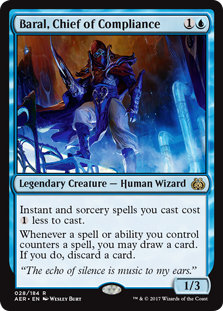
Manamorphose is a R/G cantrip that serves as the "firestarter" in both UR Storm and Instant Reanimator decks. It pads the spell count for Storm while helping its pilot dig deeper into the deck for the missing pieces of the combo, while it appears in a cameo role for the Reanimator deck as an extra spell that could help in mana-fixing issues of the deck. Today, this card just reached its all-time high of $7.54, and I expect this number to continue climbing after this weekend's spectacle.

UR Storm

Creatures

4 Baral, Chief of Compliance
2 Goblin Electromancer

Other Spells

4 Desperate Ritual
1 Echoing Truth
4 Gifts Ungiven
2 Grapeshot
4 Manamorphose
1 Noxious Revival
4 Opt
2 Past in Flames
4 Pyretic Ritual
3 Remand
4 Serum Visions
4 Sleight of Hand

Lands

3 Island
1 Mountain
4 Shivan Reef
1 Snow-Covered Island
4 Spirebluff Canal
4 Steam Vents

Sideboard

1 Echoing Truth
3 Empty the Warrens
3 Lightning Bolt
4 Pieces of the Puzzle
2 Shattering Spree
2 Swan Song

According to my Utility Checker, an average of 3.5 copies of Manamorphose was used by 5% of winning decks last year, while 3.4 copies of it are being used by 6% of successful decks this year. It's safe to say that UR Storm is a tier one deck, barring any bans on its key components, for the coming months. Since Manamorphose was last printed in the original Modern Masters set, the supplies have been low lately as the demand for it continues to rise. If Path to Exile is a sub-$10 card despite its multiple printings (and arguably a lower demand nowadays), I'd like to think that Manamorphose is primed to reach that price tag sooner than later.

Manamorphose and Friends

Taking into consideration that one of these cards could get banned in the coming days, the meta could change dramatically and that could mean two things for our spec's immediate future: it could either plummet to sub-$5 range if UR Storm dies or gets nerfed; or it could propel itself to $10-$12 territory as an important piece of Modern's top dog. I'm leaning more towards this card's progress, and I'd like to pick up copies now for $5-$6 before it doubles in price.

At the moment, Star City Games is out of stock for the MM copies of the card, but they still have a lot of the Shadowmoor version for only $5.99. Card Kingdom is almost dry for the MM version as well, and they are already selling copies of the older version for $8.99. The lowest you could get from TCGPlayer is at $7.34, and the same price is what Channel Fireball has for their remaining copies. The foil copies are handsomely priced at north of $15, and it would be great if you could pick them up at prices lower than this for extra profit. I think that this is a safe bet considering how useful it is. However, Masters 25 is just across the horizon, so don't go all in on this card. It's not really due for a reprint, but it could just be included in the set to help reduce its value. I'd say that we still have at least two to three weeks to let go of whatever we could hoard for the time being.

And that’s it for the Wednesday edition of the Daily Stock Watch! See you again tomorrow, as we check out a new card that should be on the go, or good enough for speculating. As always, feel free to share your opinion in the comments section below. And if you want to keep up with all the market movement, be sure to check in with the QS Discord Channel for real time market information, and stay ahead of the hottest specs!

Insider: MTGO Market Report for January 31st, 2018

Are you a Quiet Speculation member?

If not, now is a perfect time to join up! Our powerful tools, breaking-news analysis, and exclusive Discord channel will make sure you stay up to date and ahead of the curve.

Welcome to the MTGO Market Report as compiled by Matthew Lewis. The report will cover a range of topics, including a summary of set prices and price changes for redeemable sets, a look at the major trends in various Constructed formats and a "Trade of the Week" section that highlights a particular speculative strategy with an example and accompanying explanation.

As always, speculators should take into account their own budgets, risk tolerances and current portfolios before buying or selling any digital objects. Please send questions via private message or post below in the article comments.

There are no prices this week, as I am on vacation and don't have access to my usual computing facilities. The set prices table will return next week.

There was an error retrieving a chart for Traveling Philosopher

Three-Month Outlook

First up, the Modern Pro Tour in Spain. That’s this weekend, and the top eight Constructed decks will drive the market in the short-term. For speculators, if you are holding any positions that experience a substantial price spike, then you should sell into that strength. Players should be enjoying the coverage and trying out their favourite decks, not looking to round out their collections at this time. On the other hand, if you have a playset of a card that you haven't used in a while and the price skyrockets as a result of being hyped in coverage, then feel free to take the opportunity to sell your playset.

There was an error retrieving a chart for Rocket Launcher

For me, I am looking to sell any Modern position into buying strength this weekend. The reality of Modern speculation in the age of Treasure Chests is that long-term positions inevitably suffer fatigue. The steady drip of supply from Treasure Chests erodes the price support on any card in Modern, given a long enough time frame.

Most of my Modern positions I established in the fall, and they are getting long in the tooth at this point. Some will be sold for a modest profit, some have already been sold for a tidy profit, and some will be sold at a loss. The trick here is to not less small losses extend into larger losses. Speculators lose out doubly in this situation, since you have the potential to take a large loss as prices decline, but you also are being charged the opportunity cost of holding onto your position. It’s much better in the abstract to cut your losses and approach the next speculation target with fresh eyes. In practice, this requires discipline and honesty with what you are doing.

After I have wrapped up my Modern positions, I will still be on the look out for good opportunities to speculate on single cards. Sometimes a card's price will decline to a level where there is a ton of value in that card. I still won't hesitate to pull the trigger on these, though the big, macro shift towards Modern cards will be largely over. There is also the risk of reprint in the Masters 25 set which will be released in March. Although reprint risk is often overblown, it is still a real risk.

There was an error retrieving a chart for Artful Maneuver

In terms of where to deploy resources, the next big opportunity is in full sets of Ixalan (XLN) and Rivals of Ixalan (RIX). I talked about this in last week's article, but I'll reiterate how I am thinking about it here. I’ll be moving tix into these sets prior to the release of Dominaria (DOM) in April. RIX will be an easy purchase towards the end of March, but XLN is a little trickier to time its price bottom. I am still watching the market closely on the fall set, and it’s dip into the 50- to 55-tix range has got me revising my buy price target on this set. I’ll be looking to buy at under 50 tix now, but as long as the price keeps declining, then I'll be cautious about buying.

Another avenue where speculators and players can have some fun looking at XLN block is in pursuing junk rares. By this, I mean considering mythic rares priced at between 0.1 and 0.3 tix and rares priced between 0.01 and 0.05 tix or less. Although these are not absolute price ranges, it’s a good guide for rares priced at the junk level. The trick is to identify cards that are in this price range but that have potential for breaking out into a Standard playable or Standard staple card. If a card does break out, a price of 1 tix or higher is possible for a rare and 2 tix or higher is possible for a mythic rare. One recent example of this is Dark Salvation which peaked at over 1 tix last spring but was widely available for less than 0.01 tix in the winter.

Rowdy Crew is a card with potential that I’ve previously identified as having potential. It still remains completely crowded out by Hazoret, the Fervent and Chandra, Torch of Defiance in the four-casting-cost slot for red decks. This is a card that I’ll be accumulating before April as long as I can get a good price. The trick is to scan the market a few times a week and to buy up the cheapest copies.

There was an error retrieving a chart for Rowdy Crew

If I can’t get a good price, I think waiting until XLN redemption closes. At that point there will be no redemption value in any XLN card and prices will be largely dictated by a card’s play value. If Rowdy Crew continues to see very little play in Standard, then it’s price will drift down over the summer. Once KLD and AKH rotate out of Standard in the fall, then Rowdy Crew will get a chance to shine.

The great thing about a junk rare strategy is that you don’t need each pick to be successful. When you gather  a group of ten or more long shot rares, all bought at junk prices, then it only takes one breakout card to pay for the rest. If you are lucky and catch a couple of breakout cards, then you are moving into profitable territory. It’s also a cheap strategy since using 10 tix or so can often mean you are buying hundreds of rares. The thrill of evaluating a cards true potential, and then seeing that potential realized and validated by the market is a real payoff.

Boosters from Amonkhet (AKH) block have recovered in price since the release of RIX. The price target remains 8 to 9 tix for a draft set. Currently, two HOU boosters and one AKH booster is approaching the lower end of that range, and I anticipate they will move into the upper end of that range by mid March. It’s difficult to sell large quantities of these all at once, since the booster bots will adjust prices quickly in reaction to the flood of supply price, so I intend to slowly but steadily sell down my stock of these boosters over the next eight to ten weeks.

There was an error retrieving a chart for Wasteland

Once Dominaria (DOM) is released in April, XLN and RIX boosters will be the next ones to go on sale. The price of these boosters will drop when DOM limited events begin as players sell their boosters in order to play with the new set. Since demand drops off a cliff at that time too, the price of XLN and RIX boosters will respond accordingly, and that’s when speculators and players can swoop in to get a good deal.

In terms of which boosters to target, in the past, focusing attention on the second set of the block would have been correct based on historical price movements. Gains in HOU and AER were superior to AKH and KLD respectively. But this time, the booster market is going to be in better balance due to the preview event prizes that awarded only RIX boosters. The important thing is the pool of value associated with tix-only entry into drafts, which is 10 tix. That’s the equilibrium price for a tix-only draft. Thus, the strategy remains buying draft sets below this equilibrium price in order to reduce risk and to capture the gains that accrue to these under priced boosters.

Sets of foil mythic rares continue to be a profitable strategy. The plan for XLN and RIX will be to exit the market prior to the end of redemption in June. I’ve already been selling down some of my XLN foil mythic rares, and I see no problem with continuing to do that in the near term. I don’t need to try to wring out the last few percentage points of return when there is risk of prices falling close to the end of redemption.

If a large quantity of players and speculators all seek to exit the foil mythic rare strategy at same time, then buy prices will collapse, and it will be difficult or impossible to exit the position in a timely and profitable manner. The market is liquid enough over the course of weeks, but over the course of days, there is a strong risk of a liquidity crunch. Since this strategy is proving consistently profitable, I am happy to continue making modest gains and rolling over the tix into the next set's foil mythic rares, steadily building up tix over time. Holding on until the end of redemption in an effort to maximize gains sounds foolish to me and is unnecessarily risky.

There was an error retrieving a chart for Risky Move

Trade of the Week

For a complete look at my recent trades, please check out the portfolio. I am on vacation this week and thus do not have any trades. The Pro Tour is rapidly approaching, though, so I am anticipating a good selling window for Modern staples and am preparing for this.

Just Keep Swimming: SCG Classic Top 16 Report

Are you a Quiet Speculation member?

If not, now is a perfect time to join up! Our powerful tools, breaking-news analysis, and exclusive Discord channel will make sure you stay up to date and ahead of the curve.

The 2018 Star City Games Team Constructed Open was held in "Philadelphia" (the location of the event was about a half hour drive away from the actual city) this past weekend, and given that it's the first major paper tournament that's been held within an hour of me in a long time, I resolved to attend. I wasn't able to wrangle a Legacy player in order to enter the team event, so I decided to play in Sunday's SCG Classic instead. I had a pretty good run at the event, and scored a Top 16 finish with Merfolk.

In this article, I'll give you a rundown of my tournament experience, and some of the observations I had about my deck, the field, and the Modern metagame.

Preparing for the Event

The first question that had to be answered once I registered for the Modern Classic was deck choice: I am primarily a Merfolk pilot in Modern, and I feel very comfortable with the timeless mono-blue list. However, as I had mentioned in my piece discussing the Rivals of Ixalan spoilers, I have been testing UG Merfolk. I have made some edits to the list I proposed in that article (namely dropping the underperforming Merfolk Branchwalker in favor of Merrow Reejerey). My most recent UG list has been performing at a high level in Magic Online leagues, and I found myself somewhat torn as to which paper deck to sleeve up. I ultimately chose mono-blue, in large part because of my greater familiarity with the deck, which is something I consider to be highly important in Modern.

The next question I had to ask myself was one of flex spots: Kira, Great Glass-Spinner has been the traditional choice for the last few creature spots in Merfolk for a long time, but I feel like the current meta is a tad light on pure attrition decks, rendering Kira a glorified Wind Drake. Ixalan brought Merfolk some handy new options in the flex department in Kopala, Warden of Waves and Watertrap Weaver, and I've been liking both. I ultimately opted to go with Weaver, namely because I felt like needing to disrupt would come up more often than needing to protect. This is the list I ended up taking to the event:

Merfolk, by Roland F. Rivera Santiago

Creatures

4 Cursecatcher
4 Harbinger of the Tides
4 Lord of Atlantis
4 Master of the Pearl Trident
4 Master of Waves
4 Merrow Reejerey
4 Silvergill Adept
2 Watertrap Weaver

Artifacts

4 Aether Vial

Enchantments

4 Spreading Seas

Instants

2 Dismember

Lands

2 Cavern of Souls
12 Island
1 Minamo, School at Water's Edge
4 Mutavault
1 Oboro, Palace in the Clouds

Sideboard

3 Ceremonious Rejection
2 Dispel
2 Echoing Truth
4 Negate
4 Relic of Progenitus

Note the high counts of every card I have chosen to include; I run no singletons (besides the legendary lands), and only a handful of cards at two copies. I feel strongly that one of Merfolk's major strengths is being highly consistent and redundant, and I have built my deck to maximize that trait while still packing a diverse suite of answers. I'm also going heavy on my sideboard countermagic and graveyard hate, as I have found that the mainboard configuration holds its own very well against most creature decks, so I can devote lots of space to hedging against combo and control.

Overall, I feel the deck is somewhat underrated. Not many people talk about Merfolk or consider it a serious contender, but as I've had consistently positive results with it online and in paper, I sought to validate my findings against stiffer competition at the Classic.

At the Event

I arrived with a bit of time to spare, which let me take a quick look around the room. The first thing that struck me was the amount of people intending on entering the Classic. I never heard a final tally, but I believe over 300 players participated, which likely meant I would have to go through nine rounds of Swiss, and do very well in order to prize. I saw a wide variety of decklists being written up, so I had to be prepared to face pretty much anything.

The Matches

I did my best to take detailed notes throughout the course of the day, but the details of some matches stood out more than others. This section summarizes my feelings on the matchup, the result of the match, and my progress in the tournament at the top of each entry. It also gives a brief description of what cards I sideboarded in or out and why.

Round 1: Brandon on Gifts Storm (2-0 games; 1-0 matches)

This is a matchup that can be a little rough preboard as cards like Spreading Seas and Harbinger of the Tides do next to nothing, but with extensive postboard hate to bring in, I actually feel pretty confident in it overall.

Game 1 (draw): My opponent begins with the traditional fastland into cantrip, but stumbles on his second land drop despite a second cantrip. This gives me the ability to Vial in Cursecatcher when he attempts to cantrip on Turn 3, giving Master of Waves time to bash in for lethal.

Game 2 (draw): My opener is light on pressure but stuffed with hate. Dispel, a Negate, a Dismember, and a Relic of Progenitus all figure to be useful, so I keep it. I quickly remove my opponent's first cost reducer, stick my Relic, and slowly ramp up the pressure while holding up countermagic, and my opponent is unable to find a foothold, in part because of a deluge of topdecked lands.

Sideboarding

-4 Harbinger of the Tides
-4 Master of Waves
-4 Spreading Seas

+2 Dispel
+2 Echoing Truth
+4 Negate
+4 Relic of Progenitus

I bring in all of my relevant countermagic and graveyard hate, as well as Echoing Truth to out Storm's Empty the Warrens plan. On the outbound side, Harbinger and Seas do very little, and Master is a step too slow here.

Round 2: Jason on Dredge (2-0 games; 2-0 matches)

Dredge is another matchup I feel comfortable with, this time thanks to Master of Waves providing a way to come back from Conflagrate. Things only get better postboard, as the full playset of Relic is a beating for such a graveyard-centric strategy.
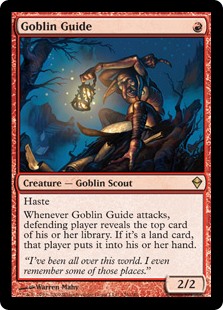
Game 1 (play, mull 6): Despite my being on the play, my opponent gets off to a pretty solid start, finding three copies of Prized Amalgam along with some Narcomoebas and Bloodghasts in his first few dredges. However, choosing to go for a natural draw on one of his turns cracks open the door, and some Reejerey-Vial shenanigans allow me to steal the game.

I'll describe that situation in a bit more detail, as I felt that it was one of the coolest sequences I was involved in during the tournament. My opponent cast Life from the Loam followed by Conflagrate to wipe my board, then moved to combat with a gaggle of creatures. I had two copies of Aether Vial on the battlefield. One had three charge counters, and deployed a Watertrap Weaver to tap down an Amalgam and preserve my life total. I untapped at 6 life, activated Vial in response to its upkeep trigger to bring a Merrow Reejerey onto the battlefield, then ticked Vial up to four charge counters. I then drew a land and used it to cast my second Weaver, which tapped down another Amalgam. The Reejerey trigger from casting this Weaver untapped my Vial. On my opponent's turn, he cast the aftermath mode on Driven // Despair in an effort to force some awkward blocks, but my last card in hand was Master of Waves. I Vialed in Master after my opponent had declared attacks, blocked just enough creatures to end my opponent's turn on my last point of life, then dealt lethal damage on the crackback. Phew!

Game 2 (draw): My opponent never really got off the ground on this one, as Seas combined with bounce effect after bounce effect kept the battlefield clear for my Lords and a late Master of Waves to beat him down.

Sideboarding

-2 Dismember
-4 Merrow Reejerey

+2 Echoing Truth
+4 Relic of Progenitus

Despite Reejerey's Game 1 heroics, he's generally a bit of a risky play in this matchup, as he costs too much to quickly pressure the Dredge player, but also doesn't have the massive comeback potential exhibited by Master of Waves. Dismember does little against a deck with so many recursive threats.

Round 3: Tim on GB Tron (2-0 games; 3-0 matches)

Game 1 here is pretty close, with Merfolk having a bit of an edge thanks to Spreading Seas. Postboard, this is one of the matchups my counterspell-heavy sideboard is built to face.

Game 1 (play): I come out with guns blazing, and quickly threaten a turn four kill. My opponent attempts to slow me down with Fatal Push and a turn four Ugin, but a couple of Mutavaults finish him off.

Game 2 (draw): This game went long, in part because I drew quite a few lands early. However, I was able to keep my opponent off Tron for a time with Seas, then bounce my Seas in response to an Oblivion Stone activation with Echoing Truth in order to reapply the lock. That combined with some counterspells for his bombs, and a few islandwalkers were enough to get past his Thragtusk and seal the deal.

Sideboarding

-1 Cursecatcher
-2 Dismember
-4 Harbinger of the Tides
-4 Master of Waves

+3 Ceremonious Rejection
+2 Dispel
+2 Echoing Truth
+4 Negate

This is a matchup where Merfolk needs to go heavy on the tempo. Tron packs little removal other than sweepers, which the counterspell lineup is built to negate. You want to deploy aggressively in the early game, slap a Seas on their Tron lands if you can find it, and then attack while holding up countermagic.

Round 4: Adam on Burn (2-1 games; 4-0 matches)

This is the matchup I feel most confident in as a Merfolk player. Seas effects are very painful for such a red-hungry deck, and the painless manabase combined with cards like Aether Vial to dodge Eidolon of the Great Revel and Master of Waves as a curve topper they can do little about make me a convincing favorite.
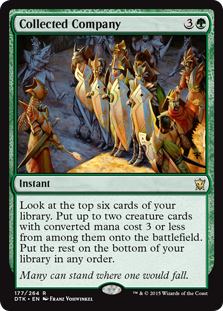
Game 1 (play): We trade cards at first, but my opponent is no match for the Master of Waves that follows my early Silvergill Adepts and Harbinger of the Tides. He gets me to single digits, but can't quite finish it before being overwhelmed by a swarm of Elemental tokens.

Game 2 (draw): My opponent finds pretty much the ideal hand against Merfolk. Swiftspear into Eidolon into Searing effects on the play puts a bit too much damage on my ledger, and my tap-out attempt at a comeback is thwarted by Boros Charm.

Game 3 (play): An early Spreading Seascripples my opponent's ability to cast his spells on curve, and Lords on offense with Master of Waves on defense run away with this one.

Sideboarding

-2 Dismember
-4 Merrow Reejerey

+2 Dispel
+4 Negate

Countermagic comes in against Burn to fight them on the stack. Reejerey is cut because having it Bolted or Searing Blazed is simply an unacceptable tempo loss, while Dismember actively helps my opponent's gameplan.

Round 5: Dylan on Affinity (0-2 games; 4-1 matches)

As anyone who's been on either side of this matchup knows, this is tough sledding for the Merfolk player. It's very difficult to draw enough disruption to make up for the difference in speed, and that disruption must be paired with a way to push damage through quickly or it still won't be enough.

Game 1 (draw): This is where I commit my first major mistake of the day. I decided to cast Harbinger of the Tides despite having an Aether Vial on two charge counters. The decision precludes me from casting a Watertrap Weaver in that same turn, results in a round of Cranial Plating-fueled damage I could have avoided, and is ultimately the difference as I am one turn away from killing my opponent.

Game 2 (play): My opponent mulls to five, but two of his cards are Whipflares. He manages to cast both of them in the same turn in order to bring himself back to card parity, and then topdecks a bit better on the empty boards.

Sideboarding

-1 Cursecatcher
-4 Master of Waves

+3 Ceremonious Rejection
+2 Echoing Truth

Rejection is the exact kind of card that's built to address decks like Affinity, and Echoing Truth can be a nice catch-all. As usual in matchups this fast, Master of Waves is too slow.

Round 6: Roman on GW Company (2-0 games; 5-1 matches)

This grindy, value-focused deck can sometimes drag Merfolk into the mid-to-late game by virtue of having beefy blockers, but my experience is that it generally just gets outmuscled by the Lords and the evasiveness provided by Spreading Seas (though they do have a ready answer for that in Ghost Quarter).
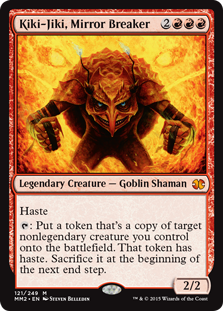
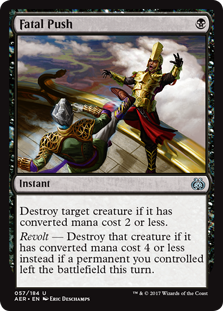
Game 1 (draw): My opponent mulls to five, and I have a hand stuffed to the brim with Lord effects. He puts up a token amount of resistance, but we're on to Game 2 pretty quickly.

Game 2 (draw, mull 5): This time, it's my turn to mull to five. However, I topdeck two copies of Merrow Reejerey, and those combine with Master of the Pearl Trident and a steady stream of Cursecatchers to tap down my opponent's blockers and keep my opponent from casting Collected Company.

Sideboarding

-4 Harbinger of the Tides
-4 Master of Waves

+2 Dispel
+2 Echoing Truth
+4 Relic of Progenitus

GW Company is highly graveyard-centric, so attacking them on that axis typically yields good results. I also bring in some disruption against Company or Path and a way to clear away blockers. Harbinger is of questionable value because the deck is typically playing defense against Merfolk, and while Master of Waves could be kept in for its army-in-a-can effect, I generally prefer to stack Lords and outmuscle them.

Round 7: Andrew on UR Kiki (2-0 games, 6-1 matches)

Combo-control decks with a relatively slow finish, limited amounts of removal, an Island-based manabase, and some virtually irrelevant disruption in Blood Moon are about as good a matchup as I can ask for. This is especially true because most of them prep very little for the Merfolk matchup, and thus only have a token amount of sweepers postboard.

Game 1 (draw): My opponent cantrips but misses a few land drops, which lets my Vial-powered hand overwhelm his disruption pretty easily. My opponent casts a Deceiver Exarch in an attempt to slow me down, but it's no match for Master of Waves backed up by Lords.

Game 2 (draw): My opponent attempts to disrupt me using Remand and Electrolyze early, and then taps out for Vedalken Shackles while Reejerey is on the battlefield. Unbeknownst to him, I have the second Reejerey and the requisite land in my hand to make my board state spiral out of control before he can untap and employ the artifact in any meaningful way. While this was not literally a turn four kill, I was insurmountably ahead by then.

Sideboarding:

-4 Spreading Seas

+2 Dispel
+2 Echoing Truth

Because this combo is creature-based and can be interrupted by Harbinger, I'm worrying less about disrupting any graveyard synergies or countering big noncreature spells and more about putting on a fast clock with my plethora of evasive creatures. Master of Waves also stays in due to my opponent's almost complete inability to answer it.

Round 8: Scott on Jund (2-0 games; 7-1 matches)

While this matchup can be challenging for the more inexperienced Merfolk players, I find it to be pretty good: I can grind along with Jund in ways other creature decks cannot, manabase disruption often hurts Jund badly, and I have a threat they struggle to remove in Master of Waves. The key is to recognize that Aether Vial is a bad card in this matchup, and to side it out.
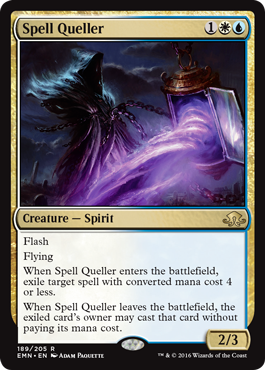
Game 1 (draw): This game goes about as well as it possibly could for me. Double Spreading Seas on Blackcleave Cliffs takes my opponent off both black and red, significantly stymying his development. I then find double Master of Waves and quickly close the game.

Game 2 (draw): A significantly closer game than the last, thanks in large part to an early Dark Confidant that goes unanswered continually flipping over cheap removal. This time, double Master of Waves allows me to come back from a precarious board state, and my opponent never finds revolt for his Fatal Pushes and is promptly killed.

Sideboarding

-4 Aether Vial

+4 Relic of Progenitus

In a sense, my Merfolk deck is pre-boarded for Jund thanks to the deep creature count and the manabase interaction; all I really want is a way to attack the graveyard.

Round 9: A.J. on Bant Counters Company (1-2 games; 7-2 matches)

Counters Company decks are generally tough matchups for Merfolk, as we only have a handful of ways to disrupt the combo preboard, and the speed at which it can be assembled is a definite issue. However, Bant is likely the easiest of those decks for me to face, thanks to islandwalk being live a higher percentage of the time. I wouldn't consider myself to be favored, but I think I have game.

Game 1 (play): My opponent manages to line up a Spell Queller with a Lord, but double Master of Waves overwhelms his ability to block. My opponent doesn't show me any Chords or combo pieces, so I incorrectly assume he is on Knightfall.

Game 2 (draw): The assumption that he is on Knightfall ends up biting me, as I fail to play around the combo and proceed to die to it one turn before I can present lethal.

Game 3 (play): This is where I committed the mistake that more than likely kept me out of Top 8 contention; my opponent attempts to cast a Worship while I have a Negate in hand and two blue mana open, but my relaxed language upon seeing the card lets the card through. We then end up in a tight race, which he wins thanks to being able to hold up his Queller to catch my Echoing Truth rather than the other way around. I got sloppy at the worst possible time.

Sideboarding

-4 Spreading Seas
-4 Master of Waves
-2 Watertrap Weaver

+2 Dispel
+2 Echoing Truth
+2 Negate
+4 Relic of Progenitus

I'm looking to interact on the stack more in this matchup, so counterspells come in. Most of the deck's backup plans involve the graveyard in some way, so I bring Relics to shut that off. This is one of the rare creature-based matchups in which Weaver doesn't do much; I outmuscle my opponent's forces pretty readily, and it doesn't disrupt any of their combos. Master is just a bit too slow, and Seas is not critical given the presence of Islands and the lack of truly scary utility lands.

Notes and Observations

While a Top 16 finish is certainly nothing to sneeze at, I do feel like I left a Top 8 berth on the table with a couple of less-than-optimal moves that would have allowed me to steal games from bad matchups. My sloppy play aside, I think my run clearly demonstrates my initial claim: Merfolk has game against the current field. The proactive plan is strong and consistent, most of the matchups I faced were 50/50 or better, and you can generally scratch together enough disruption to affect your opponent's gameplan and help the rush hit home.



I may try out UG Merfolk the next time I get a chance to participate in one of these larger paper events, as it is slanted even more toward proactivity, but I feel very comfortable with my mono-blue list, and am confident it can thrive in most environments. If you have any comments or observations, feel free to drop me a line in the comments.

Insider: A Treasure Trove of Pauper Bulk

Are you a Quiet Speculation member?

If not, now is a perfect time to join up! Our powerful tools, breaking-news analysis, and exclusive Discord channel will make sure you stay up to date and ahead of the curve.

Pauper is basically the hottest thing going on in Magic over the past few weeks. The format has risen from relative obscurity to steal the spotlight. It's crazy. The popularity is real to the point that my local game store cannot keep staple singles in stock!

How did this happen? Well, it's been a marriage of grassroots and the social media hype machine. A perfect storm of loyal fan support and other people looking in and saying, "That looks cool and I'd like to try it!" It also doesn't hurt that the format is relatively cheap to buy into. It's one of the obvious advantages of being mono-commons.

I also have to give Standard some credit for helping fan the flames of Pauper. We saw a similar phenomenon last year when Frontier saw a surge in play. People want to play games of Magic that are fun and when Standard gets a little stanky the people have demonstrated that they'll get their kicks elsewhere.

There are some major differences between Frontier and Pauper that lead me to believe that Pauper is here to stay. Obviously, Frontier kind of flamed out. Compared to Frontier, Pauper has some serious advantages. First of all, as an escape from Standard format, Pauper has a bigger gap than Frontier. Whereas Frontier is kind of like "double Standard," Pauper is indistinguishable from anything we've ever seen before. Also, did I mention it is super cheap to buy decks?

Pauper is less like a Standard variant and more like an eternal format. The card pool goes back to the beginning. Despite only using commons, the format is extremely large and complex. Pauper also has its own dynamic and feel that separates it from anything else.

The cards are powerful but there are limits to the goodness. The format lacks absurd bombs that are typically printed at rare or mythic rare. There are no Titans, Jittes, or Emrakuls that can end a game all on their own. Think about the kinds of cards that tend to be printed at common. The commons tend to be the basic ingredients of playing Magic whereas the more rare cards tend to be the flashy icing on the cake.

Basic creatures. Mana fixing. Removal. Combat tricks. Pauper is all the best parts of Limited without those pesky, annoying, game-breaking bomb rares.

The actual play experience has more back and forth because of the card pool. There are very few cards that you can play where if your opponent doesn't have a kill spell on the spot the game is just over. Hero of Bladehold. I get to untap with it? Yeah, game's over.

Okay, so the point of the article today isn't just to sing the praises of Pauper. The "singing of the praises" actually functions to illustrate why I believe Pauper has staying power. I think it is an inherently good format that people will continue to want to play in the future. I also think the fact that people can build and change decks easily (because the cost isn't prohibitive) is a huge boon that will bode well for the survival of the format.

Also, let's not forget that Channel Fireball has been lending some support to the format by offering side events at Grand Prix. Did you know that the random Pauper event at Grand Prix Indianapolis got hundreds of players? It was a three-round Pauper side event that got 200 players. That is insane.

I got the idea for this article because of local interest in Pauper at my LGS. I mentioned that the store has been having a terrible time trying to keep the singles in stock for the local players. It is true that the singles don't tend to be terribly expensive, but readily accessible is another story...

Another interesting thing to consider is that the staple singles in Pauper are very different from any other format. I've been spending a lot of time trying to learn all of the random Pauper cards. Part of the issue for me, and for stores, is that many of the cards have never been good before!

When I'm picking through bulk, I'll typically save anything that has ever been good anywhere before. I've been playing from the beginning so it's pretty easy for me to know whether the card has been playable. Pauper is like reinventing the wheel, because there are so many cards that are only good in Pauper.

There was an error retrieving a chart for Prophetic Prism

We've sold through several hundred copies of this card in the past six months. It's crazy. It's also not something that I would typically pick or save. It's a real challenge if you are working in a retail setting to stay on top of all the random cards.

The one big highlight about the endless randomness of Pauper singles is that they can be had cheaply, if you know where to look!

One of the big problems with trying to stock these cards is that nobody has them to trade in because they are not cards that have ever been good before. Essentially, much of Pauper is just a bunch of bulk from the past. Which means one of the best places to look for these cards is, literally, in the bulk!

I've started looking to buy more bulk in search of these staples. It is so strange to go through bulk and be happy to find Artful Dodge and Goblin Cohort. A month ago I would have sent these cards down the river, but these days there is a line of people waiting to buy them!

There was an error retrieving a chart for Goblin Cohort

The meat of today's article is the hint that buying random bulk to pick for Pauper cards might be a genius move—especially if you can get your hands on bulk that goes back a little ways into the past. The early Modern blocks, Mirrodin, Kamigawa, Ravnica, Time Spiral, Lorwyn, and Shards are really packed with Pauper staples. More importantly, these staples are not things that people would likely have picked out before the Pauper boom. The key is that most bulk will still have these cards intact.

I'm actually a little bit annoyed. I have roughly 50,000 bulk commons and uncommons at my home that I picked clean over the past year, and now I'm tempted to go back through it. Does it ever end?

Bulk is always great value if you don't mind picking through it. One man's trash is another's treasure, but treasure is always treasure. There is always something that get's missed.

I had an absolutely insane bulk collection come in last week from a guy who bought bulk from somebody on Craig's List. It was a huge collection that had been picked "a while back," but not recently for Pauper. So, there was no insane hotness... Aether Vial, Serum Visions, Mishra's Bauble, Devoted Druid, etc. But it was chock full of all the stuff we keep selling out of. Obviously, stay safe if you go to Craig's List, but it's another option to consider when 'bulking up' on Pauper staples.

Last Pauper thought of the day: I think it is really smart to be looking at Pauper foils right now. One of the big draws to the format is that it is cheap, but people still like to bling out their decks and are willing to pay big money to do so. Even if the cards are all commons, that doesn't mean that common foils are cheap. I mean, have you ever heard of foil Brainstorm?

There was an error retrieving a chart for Brainstorm

One of the major places I'm looking to grind value are on Pauper foils. It's pretty easy to do. Just look at decklists and target foils from sets that haven't been in Standard for five years. It's a great place to search for value. Look for cards that are played and cheap because they likely won't be for too much longer.

Pauper is real. Time to make a move before the dust settles!

Want Prices?

Browse thousands of prices with the first and most comprehensive MTG Finance tool around.


Trader Tools lists both buylist and retail prices for every MTG card, going back a decade.

Quiet Speculation