menu

Speculating on Recent Metagame Trends

Are you a Quiet Speculation member?

If not, now is a perfect time to join up! Our powerful tools, breaking-news analysis, and exclusive Discord channel will make sure you stay up to date and ahead of the curve.

The Pioneer Players Tours are behind us, and it left behind a metagame and market that looks stable for the time being. Both will break out in a frenzy if bans of cards like Inverter of Truth and Lotus Field eventually happen, but for now, there is not much happening and the Pioneer market has been relatively quiet in terms of big movers. While there are still some moves to be made in Pioneer, I have noticed increased attention on other formats like Modern and Standard, which was highlighted by last weekend’s World Championships. 

I’m always looking for the next breakout card, usually by studying what’s happening on the Magic Online world that tends to precede paper, and I’ve noticed a few online trends that seem to translate to strong paper buys.

There was an error retrieving a chart for Archmage's Charm

A great example is Archmage's Charm, which was released among many other great cards that stole attention, but was always an obviously strong card, and is finally coming into its own. It’s being used heavily in the Dimir Urza deck that has replaced the old Oko and Mox Opal version, and its price is starting to spike. It was just 2 tickets online two weeks ago but now sits at nearly 6, while the paper price has grown around 50% in the same period, from $2 to over $3. Most of that growth has been in the past few days, and I only see it going higher as it grows into a true staple.

There was an error retrieving a chart for Kroxa, Titan of Death's Hunger

Kroxa, Titan of Death's Hunger hasn’t done much of anything in Standard, but it has somewhat surprisingly been picked up as a two-of in Modern Jund, where its ability to generate value from the graveyard is a nice addition. That has helped to double its price on Magic Online over the past week or so, from under 8 and peaking over 16 tickets and surpassing Heliod, the Sun-Crowned as the second-most expensive card in Theros Beyond Death online. Its paper price has nearly broken the $10 level, but it’s still #5 in terms of price. It’s possible that over time, paper prices will mirror online and it will be second only to its fellow titan Uro, Titan of Nature's Wrath.


There was an error retrieving a chart for Magus of the Moon

With Primeval Titan decks like Amulet Titan at the top of the Modern metagame, there’s been a resurgence in Blood Moon effects, including Magus of the Moon as part of new style of Red-Green Midrange deck that emerged with the printing of Klothys, God of Destiny. Unlike Blood Moon, Magus of the Moon can be found by Once Upon a Time, still one of the most broken cards in Modern, and leads to incredibly consistent access to the card when it’s needed. Its online price started growing over the past few weeks, and its paper price is starting to follow along and rise from a two-year-long slump after its reprinting in Iconic Masters, with both versions showing clear growth of about $1 in February and likely kicking off more to follow.

There was an error retrieving a chart for Thought Lash

The Dimir Inverter deck winning the Players Tour in Phoenix has brought attention to the power of Thassa's Oracle in other formats, including Legacy. That format has not only Paradigm Shift,  but also Thought Lash, which is actually even more powerful because it can remove the entire library. A deck with both of them posted a league 5-0 and drove up their price online, and while Paradigm Shift has already spiked in paper, Thought Lash has lagged behind. As a Reserved List card it’s a fundamentally solid spec in terms of a low downside, and I expect its price will start creep higher as more players catch on. 

There was an error retrieving a chart for Zur the Enchanter
 

I haven’t noticed it online, but it seems like every day Zur the Enchanter shows up on paper price movers as it continues to gain. There are no obvious competitive applications, so I suspect this is due to Commander and casual demand driven by Theros Beyond Death providing a wealth of new enchantments to tutor for. The original Coldsnap printing has grown from $3 to nearly $5 since its release, so the Modern Masters 2017 version that’s still under $3.50 looks especially attractive. 

There was an error retrieving a chart for Languish

This same concept of buying a cheaper alternative printing could also apply to Languish, which has grown into its own as a staple sweeper of Pioneer. The Magic Origins version sits around $1.5, up from 0.7 before the format began, but alternative Commander printings still sit at about $1 despite starting around the same price. Holding the distinction of the biggest Pioneer price gainer on MTGO since the format started, currently over a ticket and peaking over three, from somewhere in the realm of thousandths of a ticket, I think its current paper price is a bargain.

There was an error retrieving a chart for Pack Rat

The second biggest online Pioneer winner was Pack Rat, which saw most of its growth in the past month due to sideboard play in the Dimir Inverter deck. Now a proven staple of the format, It’s one of the most powerful one-card engines available that has a lot more play in its future. While its price online has plummeted along with cards like Inverter of Truth itself, its paper price shows very clear signs of growth. Sitting around $4.5 for months, it grew to $5 after the Players Tour, and a $0.50 jump on Wednesday reveals it could be on the edge of truly breaking out as supply dries up.

There was an error retrieving a chart for Ishkanah, Grafwidow

Another strong Pioneer prospect that broke out at the Players Tour  is Ishkanah, Grafwidow, used in the Brussels-winning Sultai Delirium. It’s a very attractive spec because it will grow even better if the format sees a ban, which would make the deck even better and maybe the best in the field. Both its online and paper prices have been increasing since, but the paper graph starting to incline in the past week and break $2 leads me to believe it’s going to truly spike before long. 

Picking Pioneer: Bulk Picks from Throne of Eldraine

Are you a Quiet Speculation member?

If not, now is a perfect time to join up! Our powerful tools, breaking-news analysis, and exclusive Discord channel will make sure you stay up to date and ahead of the curve.

A large percentage of dealing in bulk cards is knowing which cards currently have value or have a high potential upside in the future. So while any bulk buyer worth their salt will know to pick Veil of Summer and Aether Gust, the real value is in cards that get left as draft chaff with high potential upside. These cards usually have unique and powerful effects or are undercosted relative to other options.

Identifying these cards is not always easy, starting with Throne of Eldraine. Picking Pioneer will give the best bulk picks for each set in the format starting with Throne of Eldraine. Cards will be chosen on primarily on the likelihood for long-term upside based on uniqueness of the effect, competitive play, and/or availability

Mystic Sanctuary

Formats: Modern, Legacy, Vintage

There was an error retrieving a chart for Mystic Sanctuary

As a totally unique effect on a land and minimal deckbuilding cost for blue decks, Mystic Sanctuary is a great long term hold. In formats with fetchlands, this allows players to rebuy critical instants and sorceries at will. Get your Show and Tell, Scapeshift, or Dig Through Time discarded or countered? Just crack a fetch for this Throne of Eldraine common on your opponent's end step, untap and jam.

On the other hand, need to draw a Counterspell or Thoughtseize to disrupt your opponent for just one more turn? Sanctuary will have you covered. The sky is really the limit (or as high as a limit it can be for a modern era common), but eternal play is a sure mark of sustained demand especially after packs stop being opened. Mystic Sanctuary will probably end up closer to Warped Landscape than Bojuka Bog, but there are a lot worse positions than finding dollar bills in draft chaff.

Thrill of Possibility

Formats: Pioneer, Modern, Pauper

There was an error retrieving a chart for Thrill of Possibility

It is amazing what a changing a single line of text can do to a card, but the upgrade from sorcery, Tormenting Voice to an instant, Thrill of Possibility is a perfect example of how minor changes (and a banning RIP Faithless Looting) can totally change the landscape of how good certain effects can be. Thrill has two major utilities as either a graveyard enabler for decks looking to pitch cards while simultaneously digging for other pieces or velocity boosters for spell-based decks looking to turn cards from trash to gas at instant speed.

In Modern, the former can primarily be seen in Jund Conscriptor decks looking to combo off with Eldrazi Conscription and Storm Herald. While the latter can be seen in Pioneer where the card pulls double duty as both a way to get Arclight Phoenix in the graveyard and trigger its ability all in the same card, or a way to fix blank draws in the Lotus Field decks.

Thrill is also picking up steam in Pauper as a juiced card draw spell in Burn and Goblins looking to get across the finish line in the late game. Thrill is not likely to ever reach more than a dollar but will be a solid buylist filler until something better comes along.

All That Glitters

Formats: Modern, Standard, Pioneer

There was an error retrieving a chart for All That Glitters

There are plenty of effects that can Voltron up a creature for massive damage based on the number of artifacts (Urza, Lord High Artificer) or the number of enchantments you control (Ethereal Armor), but this Throne uncommon is the only one that gets +1/+1 for each and is quickly becoming a staple in decks looking to suit up one slippery buddy and battle (Slippery Bogle or Favored Hoplite across multiple constructed formats with sometimes the full four copies. Ethereal Armor would be its closest analog and regularly buylists for more than $0.25, so the upside is certainly there for similar cards with a higher rarity.

All That Glitters might shine in 60-card constructed formats but is also picking up in EDH where it's a solid role player in artifact and or enchantress decks. While it sees 50% as much play as Ethereal Armor based on EDHRec.com it is still played in more than 2,000 EDH decks registered on the site. Similar Bogles cards have always been solid buylist options, but the ceiling is kinda low for these effects. That said, it already has a very strong floor for the same reason; certainly not a home run, but a solid pick up.

Beanstalk Giant

Formats: Standard, EDH

There was an error retrieving a chart for Fertile Footsteps

Unlike the above picks that will have long term upside as 60-card constructed staples for a large number of decks, the future of Beanstalk Giant is primarily based on casual and EDH demand. The rich flavor of all the adventure cards for Western High Fantasy will draw in more casual minded players into adventure-based decks. With the limited number of adventure cards that are at or above rate, those decks will likely be mostly concentrated in green for other enablers like Edgewall Innkeeper. With that in mind, the giant provides a totally unique effect for adventures that naturally synergize with bigger and slower formats i.e. this will be a must include for any and all green adventure decks.

This is similar to how even the B squad of Ninja creatures (Looking at you, Mistblade Shinobi usually get added to Ninja decks just based on how few of them there are. The upside of cards like this tends to be solid especially if the adventure mechanic returns in a later set.

Summary

Those four cards are my sleeper hits for Throne of Eldraine, each offering a mechanically unique effect with solid long term upside of essentially zero investment. So while these cards might not be buylisting for much, if at all, right now the future is bright for making easy money on turning Trash to Treasure. If you think I missed any sleeper Throne of Eldraine picks let me know in the comment section! If you are interested in learning more about getting into bulk check out my Bulk to Bayou series only available at QS!

Right Tools for the Job: Top-Tier Tech

Are you a Quiet Speculation member?

If not, now is a perfect time to join up! Our powerful tools, breaking-news analysis, and exclusive Discord channel will make sure you stay up to date and ahead of the curve.

The metagame is beginning to take form, and now is the time for players to start adapting. This could mean adjusting which decks they play, how they play them, or what cards they play. Now is naturally a time for experimentation, but no such transitional period is free from common mistakes. Whether it's misunderstanding how a deck actually plays to what actually matters in the matchup, there's a lot of strategic ground being misevaluated and conceded. Today, I'll cover and correct the more questionable choices being made.

I've been watching the metagame slowly develop for the past several weeks. The initial assumption, based primarily on MTGO data, was that Amulet Titan, Mono-Red Prowess, Dredge, Jund, and Burn were the top dogs. Since then, Prowess has performed up to expectations, Amulet Titan has not, Dredge has disappeared, Burn has been eclipsed by Prowess, Company decks have surged, and Jund just "Junds along," as ever. I'll focus on Titan, Prowess, and Company decks today; what works, what doesn't, and what to play for some blowout spice in your life.

Answering the Titans

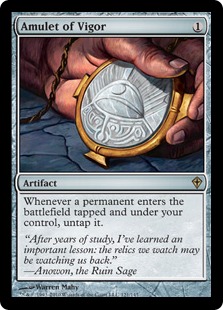
There was a time when Amulet Titan was a fairly straightforward land-combo deck. Play Amulet of Vigor, find Primeval Titan, find Sunhome, Fortress of the Legion, deal absurd damage. In this simpler era, the correct choice was to attack the Titans. Thanks to Field of the Dead and Dryad of the Ilysian Grove, that strategy is no longer effective. Titan is still the heart of the deck, but removing doesn't guarantee a win. Now, it's critical to target Amulet of Vigor.

What I'd Use

This section is for those cards that are proven effective against the deck in question. By either attacking the critical resource or answering the right problem, these cards are my first choice against the deck in question. Against Amulet, removing Titan or neutering it aren't enough without additional plans or adequate pressure. The cards I'll be highlighting are damaging enough that Titan has to answer them.

Blood Moon
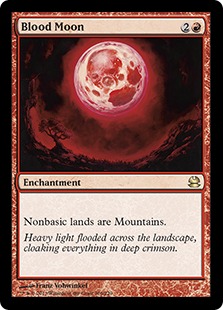
There was a time when Blood Moon was considered a clean kill against Amulet Titan. Then, Titan upped its basic count, and while Moon was still crippling, it was no longer deadly. We've come full circle: Moon is increasingly devastating against Titan. To make room for all the new nonbasic toys Wizards has made, Titan decks have been cutting Forests. Because of timestamps, Moon overrides a previously-played Dryad, and even if Dryad came second, all those special lands still lose their non-mana producing effects.

Damping Sphere

Despite being (typically) one-sided, Sphere is weaker than Blood Moon, though still a solid card. Like Moon, it shuts down Amulet's special acceleration and significantly delays (if not just prevents) casting Titan. The Karoo lands and Castle Garenbrig are pretty anemic as Wastes. However, Sphere does nothing against Valakut or Field. Sphere is therefore weaker than Moon, though it's a fine card for decks that can't accommodate the enchantment.

What Not to Use

There are some cards that just aren't effective, but I've seen lots of players try anyway (prompting this article in the first place). Either they don't attack correctly, are too narrow, or are too easily overcome by the target deck. In Amulet's case, the problem is that a lot of players approach the deck from its older roots or treat it like another big-mana deck. This ignores the reality of the new Amulet mana base and gameplay.

Alpine Moon

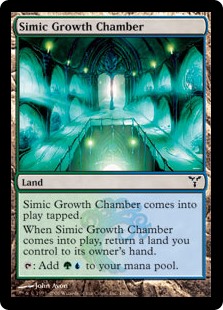
Alpine Moon is decent at shutting off one critical land, particularly if that land is named Valakut, the Molten Pinnacle. When Amulet was just comboing lands with Titan, Moon was similarly fine. However, Amulet now has multiple critical lands. Regardless of which land is named, there's another to take its place. Name Castle Garenbrig, Amulet plays Simic Growth Chamber. Name Field of the Dead, and Amulet fetches up Valakut. Couple with all the extra land drops, and shutting off the special text without eliminating useful mana doesn't work against Amulet any more.

Fulminator Mage
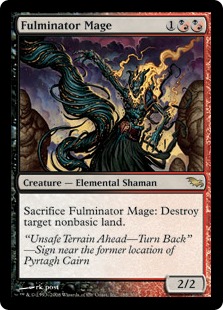
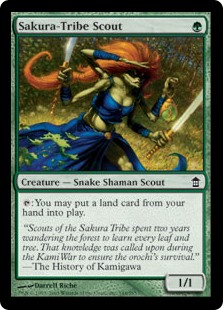
Mage and other one-shot destruction effects are not effective against Amulet. Field of Ruin was a beating for previous versions and made the matchup reasonable for UW Control, but Amulet has changed. Sakura-Tribe Scout always represents a chance to bounce the targeted land with Simic Growth Chamber, especially since Castle Garenbrig obviates the need to actually use Chamber for mana. Mage was previously critical for keeping Amulet off six mana, but now Amulet has too many land drops to keep it down forever. Garenbrig reduces the number of necessary lands for a Titan cast anyway, meaning clever sequencing by the Amulet player usually just dodges one-shots.The plan can still work by looping Mage with Thunderkin Awakener and Incandescent Soulstoke, but such a plan is by no means splashable.

Unmoored Ego

Extraction effects are only good when they're extracting critical cards from a fragile deck. This used to apply to Amulet, and naming Primeval Titan with Ego or Lost Legacy was usually game over. Field of the Dead and Valakut have gutted this strategy. Titan makes those kills much easier, but Amulet can make it happen without Titan now. These lands are also only one- or two-ofs, so Ego can't effectively neuter Amulet either. Thus, the cards end up being tempo-negative and ineffective.

The Spicy Tech

This is where we get to have some fun. Cards in this category aren't necessarily reliable or tournament-winning, but they also cards the opponent is unlikely to consider or plan to play around. So their blowout potential is staggering.

Choke/Boil
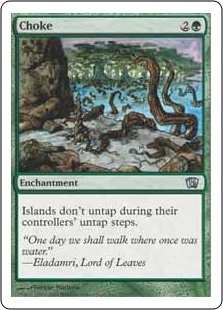
If you've ever wondered how good players can fall to Ponza's darkside, cast Boil in response to a Dryad of the Ilysian Grove-fueled Valakut kill with Field of the Dead triggers. It's the greatest blow-out high you can experience in Magic and you will start thinking that Ponza is a good deck. Doing so after they Summoner's Pacted for Primeval Titan for said win is like [analogy censored].

Similarly, Choke is less costly and already sees sideboard play against blue decks. Choke is less decisive than Boil since it can be destroyed, but as a response to a big (and hopefully Pact-fueled turn) turn, Choke can still be devastating. It's not a plan that will work out consistently since it depends on the opponent playing Dryad first, but as a one-of blow out, Choke and Boil are almost better than [analogy EXTREMELY censored].

Surviving the Rush

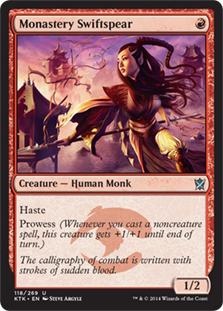
Mono-Red Prowess has been supplanting Burn as the premier red aggro deck in Modern. It's had very strong showings on the SCG Tour. It has a somewhat better matchup against Amulet Titan because it frontloads its damage, making it harder for Titan to stabilize with Radiant Fountain. Prowess also plays a more flexible sideboard, which includes Blood Moon. However, another potentially significant factor is cost. According to pricing information from MTGGoldfish's buying guide, purchasing Prowess in paper costs ~$270, which is a pittance in Modern. Burn, meanwhile, will run to $450 or more. Either through good positioning or being more accessible, Prowess is the deck to prepare against.

What I'd Use

While it is tempting to simply cross-apply all the Burn hate to Prowess, doing so is incorrect. While derived from the same strategic premise, their methodology diverges enough that hate doesn't function perfectly. Burn's creatures are really just glorified burn spells, while Prowess is all about massive, velocity-fueled attacks. This gives Prowess a speed advantage at the cost of lowered inevitability, or a harder time closing if the creatures don't connect; that failing should be exploited by players looking to beat the deck.

mtg_card]Kor Firewalker[/mtg_card]
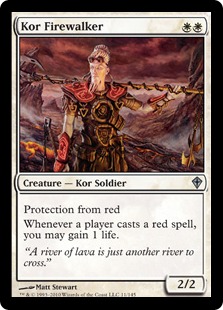
Kor Firewalker is frequently overplayed against regular Burn. Protection is nice to roadblock creatures or dodging Searing Blaze, but the lifegain is just buying time. Firewalker essentially prevents one damage from each burn spell, which isn't awful, but won't totally prevent fiery death. Prowess's burn spells are fewer and frequently smaller, so the lifegain is more significant. Prowess also plays non-burn red spells, so Firewalker can actually plus on life. The additional creatures mean that blocking is more important. Just watch out for Shrine of Burning Rage, which sidesteps Firewalker entirely.

Circle of Protection: Red

Similarly, Circle: Red is not effective against Burn. It's a huge tempo hole, and Burn will just wait until it can overwhelm Circle on mana. Or worse, Skullcracking first renders Circle dead cardboard. However, Prowess doesn't play Skullcrack, and its actual burn count is lower. Thus, it's easier to be strategic with prevention shields. It's not necessary to stop attacks every turn; just when the creatures have been pumped several times. Therefore, more mana is available to advance the board and actually stabilize.

What You Shouldn't Use

Timely Reinforcements

Timely is one of the best anti-Burn cards around, leading many to think it is equally effective against Prowess. The mistake is that Timely is great against Burn because the lifegain trades with two burn spells and the tokens represent at least another 3 life from chump blocks. Burn is very good at dealing 20; getting more is asking a lot. Because Prowess runs more creatures and thus more persistent sources of damage, they can overcome lifegain more easily. Adding insult to injury is Crash Through. Where it can take Burn multiple turns to erase a single Timely Reinforcements, a couple Prowess creatures, a Crash, and any other spell erase Timely immediately, rendering it a minor speed bump at best.

Collective Brutality
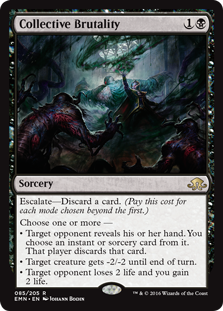
Brutality is phenomenal against Burn for similar reasons. A fully-escalated Brutality kills a Goblin Guide, discards a burn spell, and drains to nullify most of another spell. This is a huge tempo swing against Burn. While making Prowess discard cards is fine, the rest of Brutality doesn't do enough. There is no guarantee Brutality will kill anything thanks to prowess, and even if it does, there will be more creatures. As mentioned, Prowess excels at dealing chunks of damage, so a drain can't provide the same cushion. All that's left is the discard, leaving Brutality as an overpriced Duress. The tempo swing is too low for Brutality to be a main plan against Prowess.

The Spicy Tech

The hate for red decks looks to be fairly established at this point. However, Prowess's all-in approach leaves the door open for some exploitation from a forgotten source.

Luminesce
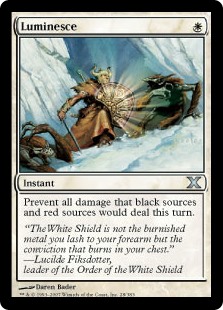
Normally, Fog effects aren't good in Constructed unless they're played in bulk, and even then they're not good against burn. However, Luminesce, which I forgot existed until doing the research for this article, is an exception in this instance. It doesn't prevent combat damage, it prevents damage from all red (or black) sources. For an entire turn. Played in response to a burn spell, it counters not only the spell, but all the prowess triggers they've built up that turn. This can often be a huge tempo and card advantage swing, gaining upwards of 10 life for one mana, and with good follow-up, it becomes game winning. As a bonus, Luminesce is a good answer to all of Storm's win conditions.

Breaking the Toolbox

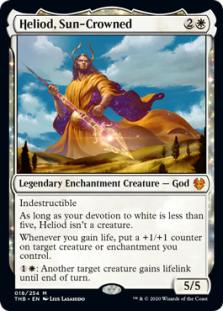
Golgari Yawgmoth has received a lot of attention thanks to Aaron Barich's performance at SCG Knoxville. However, it's been Devoted Company decks, now running Heliod, Sun-Crowned, that are actually putting up results.

I'm not surprised that Yawgmoth is getting attention, nor that it's not putting up results. It's effectively a My First Aggro deck with a sneaky combo kill that makes it good. Because seriously, Young Wolf? In Modern? Devoted Company's been around awhile, and now there's a new reason to try out the deck. It's a proven core with something new to try, so of course it's doing well with more players picking it up. While their gameplans are ultimately very different, they share the same exploitable vulnerabilities, so I'll be treating them the same.

What I'd Use

Grafdigger's Cage
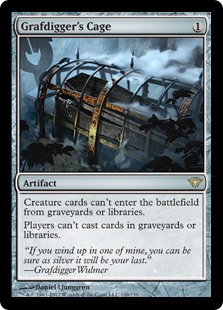
Cage is far and away the best card against these decks. The tutors are what make the decks and Cage blanks Collected Company, Chord of Calling, Eldritch Evolution, and Finale of Devastation. It also stops the graveyard-based combos, meaning Young Wolf is as terrible as Young Wolf is supposed to be. It's not utterly final, as it does little against naturally-drawn combos from the Devoted decks, but there is no other single card as devastating against these decks as Cage.

Anger of the Gods

The second-place card is Anger. Both decks are filled with lots of tiny creatures and lack ways to protect them. Anger exiles all it kills, rendering undying meaningless. Given that both decks can run Eternal Witness, normal sweepers tend to suffer. Anger is the best individual removal spell against both decks and is most effective at stabilizing the board. Just beware Burrenton Forge-Tender from Company's board.

What You Shouldn't Use

Ashiok, Mind Render
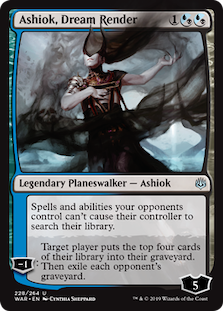
Given what I said about Grafdigger's Cage, Ashiok, Mind Render seems like a very good pick. After all, Ashiok also hits Ranger-Captain of Eos and has applications against Titan decks.

The problems here are twofold. The first is that Ashiok does nothing against Collected Company. Chord is common in Devoted decks but not universally played, where every version of either deck I've seen has 4 Company. Ashiok also can't answer the undying creatures.

Finally, as a three-mana planeswalker, Ashiok is too slow and vulnerable. Cage is good because it requires specific answers and costs one mana. Ashiok may hit too late to stop the critical tutor, and can just be attacked to death. Ashiok is decent against the land search decks, but too slow against creature search ones.

Pithing Needle

Pithing Needle shuts down the critical combo pieces of both decks. However, it doesn't stop the search engine, and that's a problem when both decks can just search up Reclamation Sage and break out. Worse, both have sufficient Plan B's to just play through Needle. Name Heliod, lose to Devoted Druid. Name Druid, lose to Viscera Seer. Name Yawgmoth, Thran Physician, just get swung at. Needle ends up too narrow and fragile.

The Spicy Tech

Suppression Field
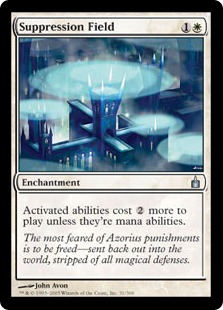
Hey, those are nice infinite combos there. Be a real shame if someone were to tax them all. Field shuts down all the combos by ensuring they can't go infinite and also taxes both decks' fetch-heavy manabase. It is vulnerable to Reclamation Sage, but the mana taxing slightly mitigates this problem. Linvala, Keeper of Silence is of course more robust against these decks, but she's also a harder fit for most lists and more expensive.

What's To Come?

As the metagame continues to develop, I expect to see more decks being mis-sideboarded against. Are there some you'd like me to cover? Let me know in the comments.


QS Vendor Series – Jon Saso and Mashi Scanlan of ChannelFireball

Are you a Quiet Speculation member?

If not, now is a perfect time to join up! Our powerful tools, breaking-news analysis, and exclusive Discord channel will make sure you stay up to date and ahead of the curve.

The QS Vendor Series returns! Tarkan sits down with Jon Saso and Mashi Scanlan of ChannelFireball for a jam-packed cast on:

  • QS Vendor Series – ChannelFireball returns!
  • Theros Beyond Death
  • West Coast MagicFests
  • Inventory Acquisition
  • Insider Questions

Thanks so much to Jon and Mashi for an awesome show!

*If you want live recording sessions and up to date postings before anywhere check out the QS Insider Discord!

Stocks vs. Magic Card Investing (Part 2)

Are you a Quiet Speculation member?

If not, now is a perfect time to join up! Our powerful tools, breaking-news analysis, and exclusive Discord channel will make sure you stay up to date and ahead of the curve.

Last week I began an article series to examine the differences between the stock market and the Magic market. These fundamental deviations make comparing the two markets a dicey proposition at best.

The first article looked at physical data (or lack thereof) to contrast how price and volume tracking takes place between the two markets. The lack of transparent data in the Magic market enables the market manipulation, speculation, and buyouts that are much more difficult to instigate in the stock market.

This week I want to shift focus to how emotions are tracked between the two markets. It turns out there are some major differences in the emotions of stock and Magic investing and how these emotions manifest themselves. Then I’ll shift gears and look at how regulations try to prevent big fish from exploiting these emotions, and then dwell on how such regulations are absent from the Magic market.

Once again, I want to thank Jarrod Ator (@jarrodator) for his ongoing dialogue and inspiration to write on this topic.

The Volatility Index

When I visit CNBC’s landing page, the top banner contains the most popularly tracked indexes in the United States: the Dow Jones Index, the S&P 500, the NASDAQ, and the Russel 2K. But furthest to the right is something that doesn’t quite fit in with the rest.

When market volatility increases or decreases, it is displayed via the Volatility Index, or VIX for short. This index is designed to track S&P 500 volatility via an elaborate calculation; most investors simply refer to the VIX as the “fear gauge” because it has become a proxy for market volatility.

Often (but not always), when there’s a monumental event that triggers a market sell-off, this index will spike double-digit percentage points. Conversely, when the market barely moves or gradually climbs higher over the course of a few days or weeks, you’ll see the VIX drop. Many experienced traders have tried to develop correlations between the Volatility Index and the near-term moves in the stock market.

One can also trade volatility via a number of complex financial instruments. This is beyond the scope of this article, however.

It should come as no surprise that no such “fear index” exists for Magic cards. There is no way to track market volatility in as quantifiable a fashion. The only method I can think of involves reviewing MTG Stocks’ website on a daily basis and tracking how many cards have moved by at least some percentage. The more cards that are moving drastically, the higher the Magic “volatility index” would become.

The lack of a trackable “volatility index” in the Magic market has implications. For stocks, the VIX serves a few key purposes. According to Investopedia:

  • Stock market volatility is generally associated with investment risk; however, it may also be used to lock in superior returns.
  • Volatility is most traditionally measured using the standard deviation, which indicates how tightly the price of a stock is clustered around the mean or moving average.
  • Larger standard deviations point to higher dispersions of returns as well as greater investment risk.

Put simply, the VIX helps investors determine the current risk/reward landscape of the stock market. It also indicates how much stock prices are deviating from their recent prices.

With Magic cards, there is no easy way to examine these factors with a calculation. Unless you’ve been tracking card prices continuously over the course of a few months, you may not realize how much volatility is present in the market. We notice when buyouts occur, but beyond that, it’s hard to determine what risks and rewards are in the market.

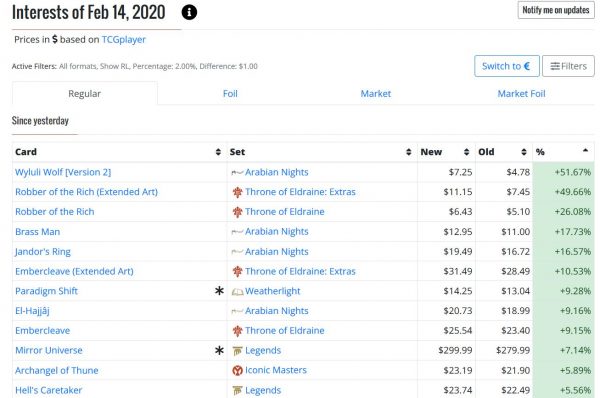
As a tangible example, let’s refer to Wyluli Wolf, which supposedly jumped 51.67% yesterday. Last week I talked about how this pricing method is less robust than pricing methodology in the stock market. But pushing that aside, I would expect such a high spike on this trivial card is uncharacteristic. Therefore, the associated “volatility” would be high—I anticipate this card to drop significantly in the near future so that its price moves closer to its moving average.

There was an error retrieving a chart for Wyluli Wolf

If there was an obvious volatility measure, it would indicate the greater risk now associated with this card. But this doesn’t exist. Therefore, prospective investors may see the “spike” and react emotionally without realizing the risk they are taking on.

This example is trivial, but the concept can be generalized to the entire Magic market. When the Old School market blew up, the volatility index would have soared. If we had that index, we’d also be able to use it to determine when the sell-off in the overheated Old School market would be nearing its end.

When a big reprint set is announced, card prices tend to drop rapidly. A fear index could have helped indicate when the sell-off became overdone and prices are bottoming.

A lack of volatility index is a lack of information for traders and investors. We are left to evaluate risk and reward on our own accord—this is suboptimal to say the least!

Big Fish and Transparency

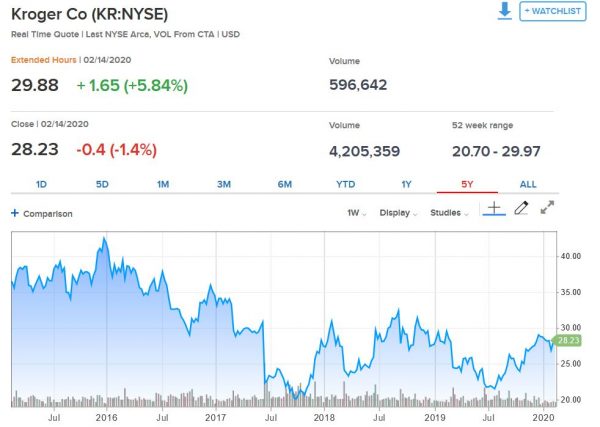
Major transactions by big-time stock investors have to be reported on a quarterly basis. When someone like Warren Buffett makes such transactions, people notice. Recently, his company Berkshire Hathaway revealed a new stock position in Kroger. This is an understatement—he revealed a gigantic position in Kroger stock: 18.9 million shares to be exact! At market close on Feb 14, Kroger’s stock was valued at nearly $30. Therefore Berkshire’s stock purchase equates to $567 million.

Knowing Buffett’s investment strategy, we can infer that he perceived there to be value in Kroger stock at its current price. The supermarket chain had been struggling recently—the stock is down about 25% from its 2016 high. Maybe he anticipates a turnaround or a bottoming of the stock. One thing is certain: Kroger’s stock is perceived to be cheap relative to its earnings potential in the coming years.

Before I transition to Magic, I want to note a few things. First, observe that Kroger’s current market cap (stock price times number of shares) is $22.6 billion. Therefore, Berkshire Hathaway now owns 2.5% of Kroger stock! Second, this significant position was acquired over the past quarter without notice—it’s a good thing Berkshire is required to disclose these purchases, because otherwise, we may never know such share concentration was taking place.

Big fish in the stock market have to be transparent with their big transactions. Does the SEC have such rules for Magic cards? Of course not! What would happen if someone bought up 2.5% of the market’s supply of a given Magic card? The price would jump significantly!

For example, when someone bought up all the Pyramids, it triggered a major (still-sustained) price increase. As a U2, there are 20,500 copies of Pyramids in existence. To purchase 2.5%, one would need to buy over 500 copies—I don’t think one could even find 500 copies for sale in the U.S., at least not at any given point in time.

There was an error retrieving a chart for Pyramids

In the case of Pyramids, we’re fortunate that the person doing the buyout was vocal about their actions. This isn’t always the case. Should someone decide to buy 2.5% of the market supply of a given card—especially a Reserved List card—they could do so, influence the price drastically, and do so completely anonymously. There are no rules in place requiring such purchases need to be disclosed.

This lack of oversight further fuels the prone nature of market buyouts and panic-buying. Last week we learned how easy it is to artificially manipulate a card’s price. This week we’re learning that large positions in a stock needs to be disclosed publicly, but no similar oversight exists in the Magic market. Therefore, not only is it easy to manipulate a card’s price, it can also be done anonymously without legal ramifications.

Suddenly we can see how such an opportunity could entice big fish with deep pockets. And with the lack of transparency, we can understand how easily emotions take over, creating a fear of missing out (FOMO) when prices start to climb. If I see that Pyramids are disappearing from the market, I have no way of knowing who is doing the buying and how many copies they’re buying. All I see is that copies are disappearing, I don’t know if they’ll return to the market, and so I may decide to buy copies immediately in case they spike even higher.

Thus, buyouts are easily cascaded due to fear. If only there was a measure for this “fear” to warn buyers of the risk they’re taking!

Wrapping It Up

Emotions are part of the human condition; they will always interfere with investing where common sense and numbers should reign. But there are measures in place in the stock market to try and help make these emotions more transparent and quantified. The Volatility Index, or VIX, is a measure of market “fear”, and it is useful when evaluating the current risk/reward proposition of the stock market.

Without such a measure in the Magic market, we’re left to our own devices when determining how stable the market is at any given time. If there’s a wave of buyouts, or if a reprint set starts hitting card prices, we have to constantly monitor prices to determine when they may stabilize. Without this transparency, fear can run rampant and unchecked, unbeknownst to investors.

This fear cannot easily be preyed upon in the stock market by the big fish—many have to disclose significant transactions. Warren Buffett’s Berkshire Hathaway can’t quietly accumulate a few percent of a given stock. It would be illegal for them not to disclose such a transaction.

With Magic cards, there are no such laws. Someone with deep pockets could quietly (or overtly) purchase 3% of the market’s supply of a card, and there are no laws to regulate such transactions. Given how easy it is to manipulate card prices, you can see how this could trigger FOMO and lead to wild oscillations in price.

Actually, we’re fortunate more investors with deep pockets aren’t active in the Magic market. Should a few Wall Street buffs suddenly decide to make Magic an alternate investment in their portfolio, it could devastate a portion of the Magic market. Magic can’t handle multi-million dollar positions like the stock market can. It’s not cut out for that.

Once again, these fundamental differences between stocks and Magic cards have far-reaching implications. That doesn’t mean one shouldn’t consider an investment in Magic. I’m just ensuring prospective buyers are fully aware of the Wild West landscape that is the reality of Magic card investing.

Buyer (and seller) beware!

…

Sigbits

  • After tumbling a long ways, Nether Void may finally be bottoming. It’s at the top of Card Kingdom’s hotlist, with a $270 buy price. Lightly played copies had been selling for as low as $350 recently, so that buy/sell spread is tightening, indicating the price may stabilize at last.
  • For a while, the FtV foil version of Mox Diamond was trending in step with the Stronghold But recently, Card Kingdom’s hotlist has seen these two prices diverge a bit. The foil printing carries a $235 buy price whereas the original version now buylists for $180. Both are on Card Kingdom’s hotlist, but it’ll be interesting to see how this trend unfolds over the coming year.
  • The top Masterpiece card on Card Kingdom’s hotlist remains Misty Rainforest, with a buy price of $190. They probably pay more on other Masterpieces (Sol Ring and Mana Crypt come to mind). But as far as the hotlist goes, Misty Rainforest takes the prize. Perhaps Wizards is seeing more demand for these at their current price point, whereas volume may have slowed down on the most expensive Masterpieces.


Feb ’20 Brew Report: Together Forever

Are you a Quiet Speculation member?

If not, now is a perfect time to join up! Our powerful tools, breaking-news analysis, and exclusive Discord channel will make sure you stay up to date and ahead of the curve.

Happy Valentine's Day, Nexus readers! While I know this holiday can be a controversial one, today I'll invite you to set aside your differences (or crippling loneliness, or whatever) and join me in celebrating the strong bonds between some of the most eligible decks of the year. As Modern again finds its footing, the format is playing home to a myriad of novel strategies and neat twists on old favorites. Behold, the betrothed!

Does Every Rose Have Its Thorn?

Bant Stoneblade is one of the unlikely winners after Modern's recent shakeups, its niche opened up now that Simic Urza no longer executes its overarching midrange gameplan more effectively and reliably.

Bant Stoneblade, SWARM_OF_MATS (4-1, Modern Preliminary #12081600)

Creatures

4 Ice-Fang Coatl
2 Snapcaster Mage
4 Stoneforge Mystic
1 Uro, Titan of Nature's Wrath

Planeswalkers

1 Elspeth, Sun's Nemesis
2 Jace, the Mind Sculptor
2 Teferi, Time Raveler

Artifacts

4 Arcum's Astrolabe
1 Batterskull
1 Sword of Feast and Famine

Instants

1 Archmage's Charm
2 Cryptic Command
3 Force of Negation
2 Mana Leak
4 Path to Exile
1 Spell Snare

Sorceries

2 Supreme Verdict

Lands

1 Breeding Pool
3 Field of Ruin
4 Flooded Strand
1 Hallowed Fountain
4 Misty Rainforest
1 Mystic Sanctuary
1 Snow-Covered Forest
4 Snow-Covered Island
2 Snow-Covered Plains
1 Steam Vents
1 Temple Garden

Sideboard

2 Ashiok, Dream Render
2 Blood Moon
2 Disdainful Stroke
2 Kor Firewalker
1 Mystical Dispute
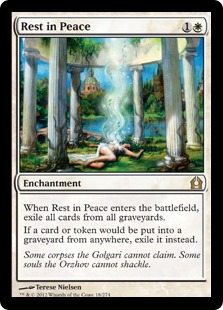
2 Rest in Peace
2 Timely Reinforcements
2 Veil of Summer

This build seems to be where most players are settling, with namesake Stoneforge Mystic the proverbial "thorn" in an otherwise unremarkable Bant midrange deck. Ice-Fang Coatl is a flexible role-player enabled by Arcum's Astrolabe, able to trade with menacing threats while cantripping or just carry a Sword to victory itself. And since Astrolabe makes the mana so good, palpitation-inducing packages like Blood Moon are available from the sideboard.

Bant Bladeless, SOULSTRONG (3-2, Modern Preliminary #12081619)

Creatures

3 Uro, Titan of Nature's Wrath
4 Ice-Fang Coatl
2 Snapcaster Mage

Planeswalkers

2 Jace, the Mind Sculptor
1 Teferi, Hero of Dominaria
2 Teferi, Time Raveler

Artifacts

4 Arcum's Astrolabe

Instants

2 Cryptic Command
3 Force of Negation
3 Mana Leak
3 Opt
4 Path to Exile

Sorceries

2 Supreme Verdict
1 Timely Reinforcements

Lands

2 Breeding Pool
3 Field of Ruin
4 Flooded Strand
1 Hallowed Fountain
4 Misty Rainforest
1 Mystic Sanctuary
1 Snow-Covered Forest
5 Snow-Covered Island
1 Snow-Covered Plains
1 Steam Vents
1 Temple Garden

Sideboard

1 Timely Reinforcements
2 Ashiok, Dream Render
2 Blood Moon
1 Celestial Purge
2 Disdainful Stroke
1 Kor Firewalker
1 Mystical Dispute
2 Rest in Peace
2 Veil of Summer
1 Wrath of God

And here's the same deck, minus the Stoneforge! SOULSTRONG told himself the Ice-Fangs and Astrolabes were great, but was less impressed by the deck's corest component. So in come extra copies of Uro, Titan of Nature's Wrath. 6/6 is no joke in Modern, and plenty of decks this month have discovered that the slightly overpriced front-side of this Titan is well worth the Big Late-Game Energy it furnishes down the road. We haven't seen the last of this primordial cupid....

Confection Collection

Collected Company has long been paired with another instant or sorcery in a deck otherwise stocked full of creatures—Chord of Calling, Eldritch Evolution, and others have all seen their day. As players' love for the four-drop seems to know no bounds, today we'll welcome a couple of its newer mistresses into the fold.

Once Collected, XAKX47X (3-2, Modern Preliminary #12081600)

Creatures

3 Anafenza, Kin-Tree Spirit
3 Birds of Paradise
4 Giver of Runes
4 Heliod, Sun-Crowned
4 Kitchen Finks
4 Noble Hierarch
4 Ranger-Captain of Eos
4 Spike Feeder
1 Viscera Seer
1 Walking Ballista

Instants

4 Collected Company
4 Once Upon a Time

Lands

1 Forest
1 Godless Shrine
2 Horizon Canopy
2 Marsh Flats
1 Overgrown Tomb
2 Plains
3 Razorverge Thicket
2 Temple Garden
2 Verdant Catacombs
4 Windswept Heath

Sideboard

2 Auriok Champion
2 Damping Sphere
1 Gideon, Ally of Zendikar
2 Mirran Crusader
3 Path to Exile
3 Thoughtseize
2 Veil of Summer

Once Collected, Forever Protected, as the saying goes. XAKX47X took this just-invented expression to heart, complimenting his trusty set of Companies with the cantrip that's got every faithful Modern die-hard gazing after it longingly as the dallying dude from that meme, including yours truly. Once ensures early-game curves loaded up with the right mix of mana dorks and payoffs, a balance now supremely tweak-able depending on the opponent—in postboard games against Jund, for instance, pilots can dig for extra dorks to replace the first one, which is almost certainly dead on arrival, or just Giver of Runes, a one-mana handful for any spot-removal deck.

Collected Blink, ANTOINE57437 (1st, Modern Challenge #ANTOINE57437)

Creatures

1 Charming Prince
3 Eternal Witness
1 Fiend Hunter
4 Flickerwisp
3 Giver of Runes
2 Kitesail Freebooter
2 Knight of the Reliquary
1 Scavenging Ooze
4 Tidehollow Sculler
2 Wall of Omens
4 Wasteland Strangler

Artifacts

4 Aether Vial

Instants

4 Collected Company
4 Ephemerate
1 Once Upon a Time

Lands

1 Bojuka Bog
1 Field of Ruin
1 Godless Shrine
1 Horizon Canopy
3 Marsh Flats
1 Overgrown Tomb
1 Razorverge Thicket
1 Snow-Covered Forest
2 Snow-Covered Plains
1 Snow-Covered Swamp
1 Temple Garden
2 Verdant Catacombs
4 Windswept Heath

Sideboard

2 Auriok Champion
2 Aven Mindcensor
1 Collector Ouphe
1 Eldritch Evolution
2 Gaddock Teeg
1 Kambal, Consul of Allocation
1 Phyrexian Revoker
2 Plague Engineer
1 Sin Collector
2 Veil of Summer

Modern Challenge winner ANTOINE57437 skipped over Once in favor of Ephemerate in Collected Blink. Well, not entirely; the card may well be too good not to include, as evinced by the single copy that did make the cut! More of a Blink deck that splashes Company, Collected Blink features the usual Blink suspects, including the Wasteland Strangler and Tidehollow Sculler package and a staple, recurring Black Lotus effect in Aether Vial. Even when it's scooping up the deck's one- and two-drops, Collected Company finds plenty of high-value targets in this build, including hosers like Kambal, Consul of Allocation and Gaddock Teeg after siding.

Flirting With Death

It wouldn't be a Modern Brew Report without a couple of graveyard decks, and February is certainly delivering on that front.

Hollow Ox, KANM_H (5-0)

Creatures

4 Flameblade Adept
4 Flamewake Phoenix
1 Goblin Bushwhacker
4 Hollow One
3 Ox of Agonas
3 Runaway Steam-Kin
4 Street Wraith

Enchantments

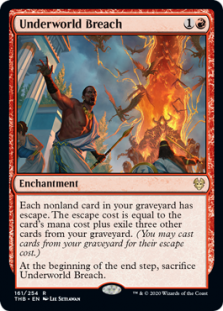
3 Underworld Breach

Instants

4 Lightning Bolt

Sorceries

4 Burning Inquiry
3 Cathartic Reunion
4 Goblin Lore

Lands

4 Forgotten Cave
13 Mountain
2 Snow-Covered Mountain

Sideboard

1 Anger of the Gods
3 Blood Moon
3 Dragon's Claw
4 Leyline of the Void
2 Rampaging Ferocidon
2 Shattering Spree

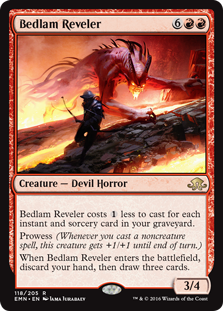
Faithless Looting may be gone, but Hollow Ox has a plan regarding how to revitalize the neutered Hollow Phoenix decks of old. First up is Ox of Agonas, replacing Bedlam Reveler as a restocking top-end threat; Ox cares not for the type of card in the graveyard, rewarding "bad" Burning Inquiry loots and turning the card into a velocity granter extraordinaire. It's also exactly the card pilots want in the graveyard, since that's where it can be cast from for escape.

Fueling Ox best is Underworld Breach, a Yawgmoth's Will of sorts for the deck's draw power. Topdecking Breach in the mid-game lets pilots recast their Inquiries and Reunions at will, helping locate and bin Ox only to drop it in play for even more card advantage. Rampaging Ferocidon from the sideboard joins Flameblade Adept and Runaway Steam-Kin as plans that persevere in sickness, health, and through Rest in Peace.

Assault Loam, LANTEROR (28th, Modern Challenge #12086268)

Creatures

4 Elvish Reclaimer
3 Simian Spirit Guide

Planeswalkers

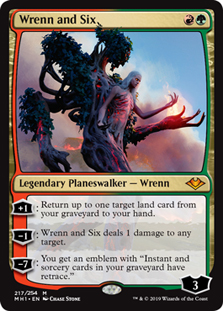
4 Wrenn and Six

Artifacts

4 Ensnaring Bridge

Enchantments

1 Molten Vortex
4 Seismic Assault

Instants

2 Abrade
2 Magmatic Sinkhole

Sorceries

3 Anger of the Gods
3 Life from the Loam

Lands

4 Arid Mesa
1 Blast Zone
2 Field of Ruin
1 Field of the Dead
1 Forest
4 Forgotten Cave
1 Ghost Quarter
6 Mountain
1 Sheltered Thicket
1 Snow-Covered Forest
1 Snow-Covered Mountain
3 Stomping Ground
4 Wooded Foothills

Sideboard

1 Magmatic Sinkhole
2 Chandra, Awakened Inferno
3 Collector Ouphe
2 Force of Vigor
3 Ravenous Trap
1 Sorcerous Spyglass
3 Tireless Tracker

Then there's this unique take on Assault Loam, which seems cognizant of the deck's positioning as a tad too slow to play the game it wants to in Modern. The solution? A playset of Ensnaring Bridge to slow down those faster aggro-combo strategies if not beat them outright. Sped into via Simian Spirit Guide, Bridge can stop assaults in their tracks as early as turn two. Wrenn and Six and Elvish Reclaimer are on-theme Plan B's should opponents find ways of quelling the Assault-Loam strategy, such as with Surgical Extraction; Tireless Tracker and Chandra, Awakened Inferno also make appearances as totally new angles of attack.

The Fairly Odd Couple

The next two decks share only their quirkiness, which us high school graduates know can be more than enough to excuse a courtship.

Spark Double Skred, CHERRYXMAN (5-0)

Creatures

4 Spark Double
4 Tarmogoyf
4 Ice-Fang Coatl
2 Uro, Titan of Nature's Wrath

Planeswalkers

4 Garruk Relentless
3 Wrenn and Six

Artifacts

4 Arcum's Astrolabe

Enchantments

2 Blood Moon

Instants

4 Lightning Bolt
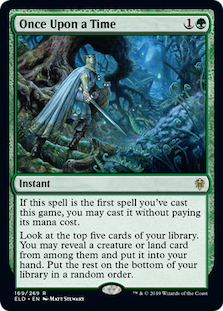
3 Once Upon a Time
1 Shadow of Doubt
4 Skred

Sorceries

1 Repudiate // Replicate

Lands

4 Misty Rainforest
4 Prismatic Vista
2 Scalding Tarn
2 Snow-Covered Forest
2 Snow-Covered Island
1 Snow-Covered Mountain
1 Steam Vents
1 Stomping Ground
3 Wooded Foothills

Sideboard

1 Uro, Titan of Nature's Wrath
2 Blood Moon
4 Grafdigger's Cage
1 Spell Snare
3 Tireless Tracker
3 Veil of Summer
1 Weather the Storm

It may cost twice as much as Phantasmal Image, but Spark Double has the benefit of being able to copy planeswalkers and get around the legend rule. Although this nuance has never led to its play before, Spark Double Skred makes great use of the four-drop by flexing just how impactful it can be to have two of the same planeswalker on board ticking up or down with shared goals. Once the mana's online, it can't even be so bad to copy the lowly Ice-Fang Coatl, which nonetheless cantrips and leaves behind a deathly blocker for our trouble, or just fat-ass Tarmogoyf, who appears to be experiencing a resurgence this month with all the wonky card types running around.
Similarly, Tireless Tracker appears ever-popular as a boarded Plan B these days, with Veil of Summer also claiming hella spots across the board as an all-purpose answer to "your stuff" in the majority of interactive matchups.

Lazav Titans, LANNYNYNY (5-0)

Creatures

4 Lazav, the Multifarious
4 Kroxa, Titan of Death's Hunger
2 Uro, Titan of Nature's Wrath

Planeswalkers

2 Liliana of the Veil

Artifacts

4 Arcum's Astrolabe

Instants

4 Once Upon a Time
1 Assassin's Trophy
4 Fatal Push
1 Kolaghan's Command
2 Stubborn Denial
4 Thought Scour

Sorceries

3 Inquisition of Kozilek
3 Thoughtseize

Lands

1 Blood Crypt
2 Overgrown Tomb
4 Polluted Delta
2 Scalding Tarn
1 Snow-Covered Forest
1 Snow-Covered Island
1 Snow-Covered Mountain
1 Snow-Covered Swamp
1 Steam Vents
1 Stomping Ground
2 Verdant Catacombs
2 Watery Grave
3 Wooded Foothills

Sideboard

1 Stubborn Denial
2 Ancient Grudge
1 Ashiok, Dream Render
1 Damping Sphere
4 Leyline of the Void
1 Lightning Axe
2 Mystical Dispute
1 Unmoored Ego
2 Veil of Summer

I told you we hadn't seen the last of Uro, Titan of Nature's Wrath! Both these decks run it, but neither as deliberately as Lazav Titans, whose creature suite paints a plain picture of its devious aspirations: front-end or otherwise put a Titan into the graveyard (such as with Scour, Liliana, or Lazav's random mill), then copy it for its "cheating" price with Lazav, the Multifarious. Once Lazav is big and strong, Stubborn Denial can protect it from removal as it lays the smack down, Project Pat voice.

There's no way to start any fairytale romance like Once Upon a Time, which naturally slots in here as a way to find Lazav or one of its Titan role models and set up the gameplan quickly. In the meantime, though, Jund's classic discard suite of 3 Inquisition, 3 Thoughtseize, coupled with a full 4 Fatal Push, should keep enemies at bay.

Valentine's is often a snowy holiday here in Montreal; Lazav Titan is ready for summer, though, running not a single snow synergy to go along with Arcum's Astrolabe. Rather, the egg earns its place purely based on its color-converting capabilities, which speaks to how incredibly strong it is even as a mana filter. And in the sideboard, again with the Tracker-Veil-Moon package! Blood Moon seems mostly employed right now as a way to mess with Amulet Titan, even by color-intensive decks, although as David noted earlier this week, Ashiok, Dream Render (which too makes an appearance in the sideboard) is starting to catch on as a more deliberate Primeval Titan answer.

My Heart Still Beats On

Modern's future has been uncertain as of late, with many potential threats to its continued existence causing players to question the format's long-term viability. But if these lists are any indication, its pulse remains Kimye-strong. Tune in soon to find out what else won my affection this month!

Titanic Whimper: The Meta Develops

Are you a Quiet Speculation member?

If not, now is a perfect time to join up! Our powerful tools, breaking-news analysis, and exclusive Discord channel will make sure you stay up to date and ahead of the curve.

Last week, we made a forecast about Modern in 2020. And with a starting point established, we can now begin tracking developments!

I previously concluded that the SCG circuit was overplaying Amulet Titan, and that Modern players were forgetting to pack their graveyard hate. This week, I will be adding to the data with additional events. There's another SCG Classic to tackle, and an unexpected new source of data. The meta is still in its early stages, but it appears that the lessons from last week were at least heard. Whether they're actually going to be internalized for the long run remains to be seen.

SCG Philadelphia

SCG Philadelphia was another team event, so everything I said last week about the problems of such events analytically still applies. However, Philly's data is more useful than Richmond's was because it was a follow-up event. Richmond was the first major Modern tournament since the bannings (even if it was only partially Modern), and so it happened in a vacuum: there was no other data to draw on, so Richmond reflected player assumptions rather than reality. Amulet Titan's absurd population demonstrated this succinctly. The teams in Philly appear to have learned from Richmond, and the Day 2 metagame has adjusted.

Deck NameTotal #
Amulet Titan7
Heliod Company5
Dimir Whirza2
Gifts Storm2
Azorius Control2
Golgari Yagmoth1
Grixis Death's Shadow1
Mono-Red Prowess1
Infect1
Azorius Stoneblade1

Amulet Titan is down to half its Richmond total, and Mono-Red Prowess has also dropped. Heliod Company sees a slight increase over last week, while Gifts Storm holds steady. This suggests that players shied away from the big two.
Of course, the overall field is much narrower than Richmond's, so the starting population may be a factor. However, I've been told before that larger SCG events often yield smaller Day 2's due to cleaner tiebreakers. If the former scenario is true, the results aren't necessarily indicative of much. This is possibly true regardless, given how team events work, but I would still expect Day 2 data to reflect the relative population from Day 1, thus indicating not necessarily deck strength but at least player choices.

If the latter is true, then this is a watershed moment. It would indicate that players abandoned Titan, which had been their mainstay, in droves from one event to the next. As I noted last week, Titan had an outsized presence in Day 2, but that didn't translate into better results. The same is true here. If players picked up on this fact, they may have switched to something they think is better-positioned. Or at least less overhyped, in hopes of dodging sideboard hate.

The Classic

The real data is as always from individual open events, and so the real test of my hypothesis is the Modern Classic's Top 16. It's not as large a starting population as an Open or GP, so it's not as random (and thus valid) as I'd like. However, it is an individual event, and large enough to be instructive. I'll be using the Philly Classic to study changes from Richmond. Philly should provide a more refined take on the new Modern and is more likely to be accurate to the hypothetical real metagame.

Deck NameTotal #
Mono-Red Prowess4
Ad Nauseam1
Mardu Pyromancer1
Heliod Company1
Dimir Whirza1
Mono-Green Tron1
Azorius Stoneblade1
Neobrand1
Dimir Mill1
Infect1
Mono-Green Devotion1
Amulet Titan1
Dredge1

Prowess continues to be the most popular deck, even putting up the same numbers as in Richmond. However, no other deck managed more than one copy.
Prowess also won again, though it's far more surprising this time. Traditionally, Ad Nauseam laughs at red decks. Besides its own goldfish speed, Phyrexian Unlife is 10+ life, and like many combo decks Ad Nauseam always packs Leyline of Sanctity. William Moody's deck doesn't look atypical, and Lucas Molho isn't playing any anti-combo cards, so Ad Nauseam losing is a bit of a mystery to me; that said, no deck is 100% favored against anything. The best guess I have is Moody got very unlucky, while Molho curved perfectly.

If Titan was the menace that it's made out to be, it should have at least put more decks into the Top 16. It didn't, and was instead just another member of the pack. This is consistent with what non-SCG data I've had suggests. Titan didn't appear in last week's PTQ data, and while it's a top deck in the online data, it isn't The Deck in absolute or relative terms. Outside of the most blitzy aggro deck doing well, the data is indicating a wide-open and non-polarized metagame that is trying to figure itself out. The Philly classic runs the gamut from old standby Tron to fringe players Dimir Mill and Neobrand. It's an open metagame, and players should be ready for anything.

SCG's Tail Chasing

If the data consistently fails to back the hype, why does the hype persist? Star City is so convinced that Amulet Titan is the best deck in Modern they asked the Philly Top 4 how to beat it. The responses indicated that, despite not all of them playing Titan, they did all agree that Titan as the best deck and that beating it is a struggle.
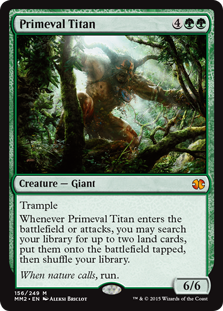
Again, there's no evidence that Amulet is any better than any other deck, and diving both the Open and Classic deckists failed to produce an inordinate amount of anti-Titan hate. Titan just isn't living up to the hype that the SCG Tour keeps building, which indicates that SCG is chasing its own tail. They think Amulet Titan is best because of their own Amulet Titan hype, regardless of whether that hype checks out.

I can't definitively say how this happened, but I believe two scenarios are plausible. The first, I call The Wannabe. Titan has never been an especially popular deck, but it has remained a solid one since 2015. Thus, it has a very dedicated fanbase and a long list of players that have been impressed by the deck, even if they don't actually play it. That core of admirers has been boosted by recent developments, specifically the adoption of Castle Garenbrig, Field of the Dead, and Dryad of the Ilysian Grove. It makes sense that a very solid deck that receives a boost would be better. Given that Amulet did well before Oko was banned, folks are loudly proclaiming it to be best; in lieu of convincing arguments in the face of Amulet Titan appearing more powerful, everyone is going along with the narrative.
The second is The Self-Defeating Prophecy. Again, Amulet was a good deck even under Oko's reign. It was boosted, and so the prophets declared it the New Best Deck. It had been good before, and a major threat had been eliminated, so what could be left to stop it? However, by proclaiming it the New Best Deck, pundits reminded players of the threat. Either through better playtesting and strategic play or changing their sideboarding strategy, players adapted to a more powerful Amulet Titan. The deck now finds itself in a prepared metagame, which means it no longer has any special advantage, and so never actually becomes the New Best Deck.

Cardmarket Paris Series

I thought that Star City was unique in having its own Magic tour, completely ignorant that Cardmarket was doing exactly that but for Europe until I saw a reddit post about the Top 8. They get no coverage in the States, so I only knew Cardmarket as a PT team. Another source of Open events for the data set is a godsend with the advantage of wider geography for more diverse data. And that data paints a very different picture of Modern than SCG's.

Deck NameTotal #
Azorius Stoneblade2
Amulet Titan1
Eldrazi & Taxes1
Bant Stoneblade1
Abzan Ephemerate1
Jund1
Humans1

Where SCG is overrun by Prowess and Titan, MKM appears to be all about Stoneblade, both UW and Bant. This is shocking to me, as Stoneblade hasn't done anything notable stateside. I've played almost the exactly same list as winner Arnaud Hocquemiller many times, and mostly been frustrated. I have no idea if it's a case of a very different, and ostensibly more favorable, metagame in Europe than America, or if Arnaud simply knows the deck better, but at minimum it means I'll be reexamining the deck again soon.
Again, Amulet Titan is just another deck in this Top 8, but everyone is aware of the deck. Ashiok, Dream Render is in most sideboards, and while Ashiok does remove graveyards, its main draw nowadays is stopping deck searches. Primeval Titan isn't a Modern card when reduced to just a 6/6 with trample.

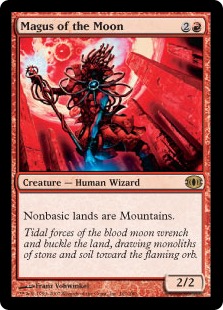
A more interesting adoption is Magus of the Moon in Humans. Initially, Blood Moon was game-ending against Amulet Bloom, but over the years players adapted and ran more basics to compensate. Dryad of the Ilysian Grove gives Amulet an out, but it isn't perfect. The main draw of new Amulet is the value from Field of the Dead and Valakut, the Molten Pinnacle. Even if Moon effects can't lock Amulet out anymore, Moon still guts Amulet's gameplan. Dropping Magus hurts Humans too, but Aether Vial and Noble Hierarch help a lot, and Magus only needs to buy a turn or two for Humans to win.

A Counterpoint

By itself, the MKM Paris Top 8 provides a strong counterpoint to everything from the SCG Tours. Midrange decks are the power in Europe while Prowess is ruling in America. I don't have enough information about either metagame to guess as to why, but the discrepancy does further support that the SCG Tour is not the definitive word on the Modern metagame.
More interesting to me are the views of Amulet Titan. It's obvious that SCG simply accepts that Amulet is best and will happily live in that reality, but MKM is actively fighting Titan, and apparently winning. To listen to SCG players and commentary is to believe that it's "play Amulet or be wrong." MKM seems to argue that while Amulet is a rising deck, it's just something else to prepare for. They're more concerned with the red decks, specifically Prowess; but again, not in terms of it being The Best Deck, but as something to be wary of and prepare for. Frankly, I find the latter a more healthy and productive attitude.

Alternative Metagame

Another advantage of looking at the MKM data is that they released the metagame data for their Modern event. It appears that this is the overall starting metagame. Either way, this is the first look at true open event data we have, and further reinforces the metagame I've been building with the Classic and PTQ data.

Deck NameTotal %
Other29.4
Mono-Red Prowess6.6
Burn6.1
WUx Control6.1
Tron6.1
Stoneblade5.6
Dredge5.1
Death's Shadow4.6
Amulet Titan4.6
Valakut4.1
Jund4.1
Humans4.1
Devoted Company4.1
Eldrazi4.1
Urza3.0
Infect2.5

Red decks are the top decks here, with Prowess continuing to beat out Burn, though not by much. Amulet Titan continues to be in the middle of the pack, beaten very handily by Stoneblade variants. This fact makes me wonder just how badly wrong I've been playing Stoneblade, as again I'd never have put it as that strong a contender. The Other category continues to be the highest by quite a margin, which I've long considered a sign of overall health in Modern. Given the usual trends for post-ban metagames, my conclusion is that Modern is still settling and the format is wide open.

Titan's Fall?

It is tempting at this point to say that Titan has fallen from grace. However, I think that a bit premature. The deck hasn't fallen from anything; it hadn't risen in the first place! Amulet Titan was assumed to be the best deck in Modern. That the assumption hasn't been demonstrated true says more about the assumptions themselves than the deck.
The metagame is still young, and there is time for Titan to rise as high as the hype machine claims it will (or has). However, the data from open individual events argues that being prepared is sufficient to beat Amulet. The data indicates that Amulet Titan is a strong deck and may be highly tiered. But, it's much too early to be proclaiming metagame winners. More data is still necessary.

MTGO: Theros Financial Power Rankings: Mythic Edition

Are you a Quiet Speculation member?

If not, now is a perfect time to join up! Our powerful tools, breaking-news analysis, and exclusive Discord channel will make sure you stay up to date and ahead of the curve.

Last week I was in Colombia and visited Bogotá and Villa de Leyva. While I was gone, Theros Beyond Death digital prices have continued to dip - Theros remains a popular draft format, and drafting is still slightly outpacing what I am told is a healthy redemption demand. Since Redemption begins Wednesday (February 12th), this will likely change, causing mythic prices to rise. So now that I've returned to the snow-laden ground of Canada, it's time to examine the financial potential of the Theros mythics.

The value these mythics have is largely located in three areas of demand: Redemption, Pioneer, and Modern. Standard and Legacy demand will have an impact, but nowhere near as much as the other three. We also need to keep in mind that Theros is a heavily drafted set whose final supply will likely be 80-100% of Eldraine's.

I. Cheap Mythics (below $2)

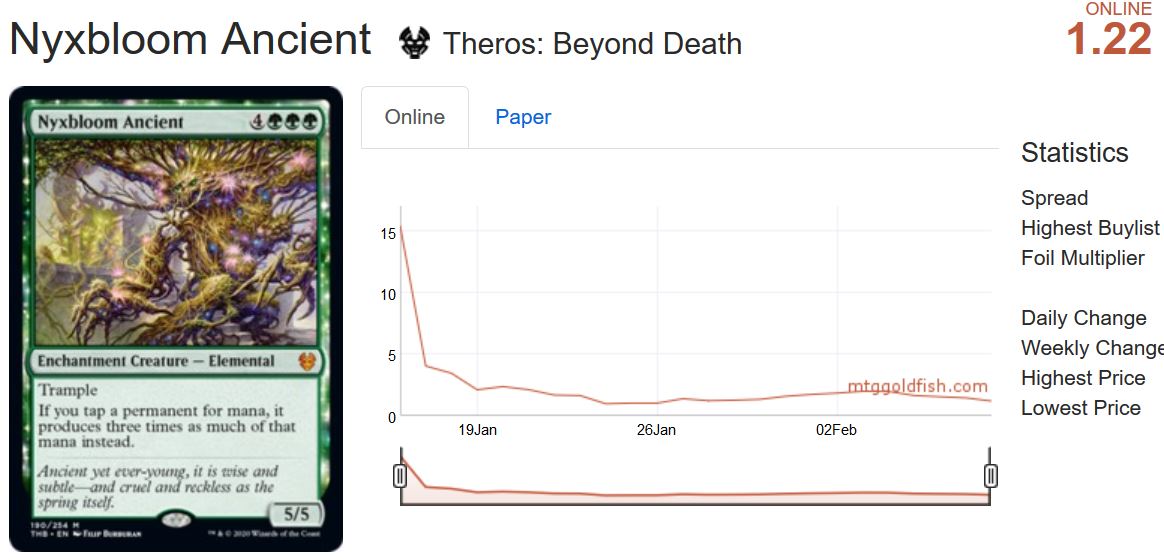
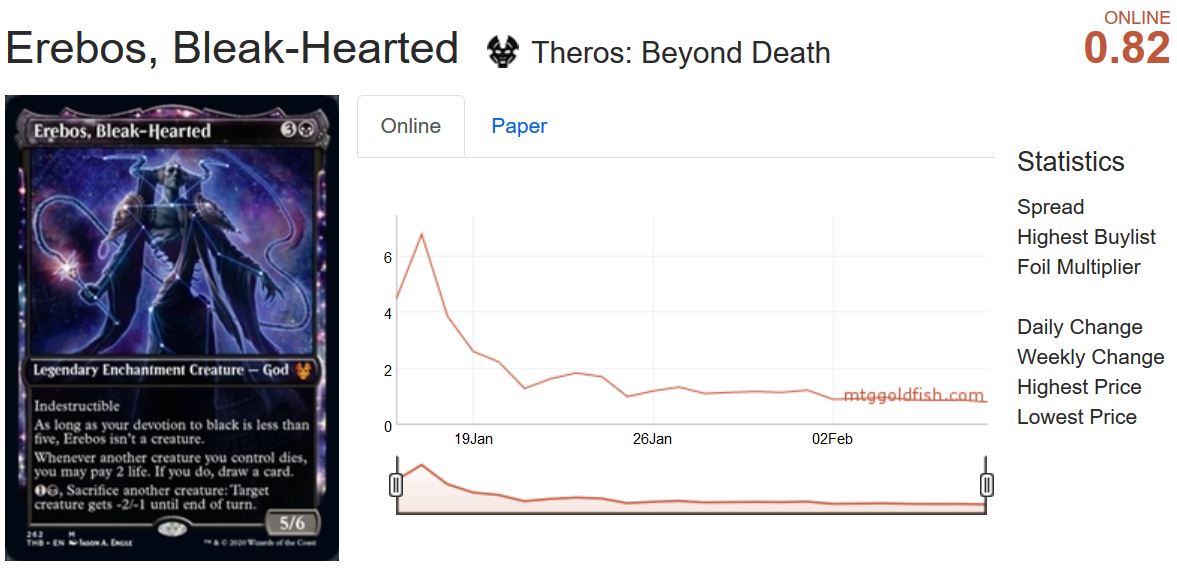
Theros has seven bulk mythics, ranging from Purphoros, Bronze-Blooded at $0.73 to Nyxbloom Ancient at $1.22. The reason these seven are so low is simple - they are seeing virtually no play in any format, and their value is tied entirely to redemption and Commander demand.

#3--#7:

I do not consider any of these to be good speculations or investments. All have low potential to go up and will likely settle about 50% lower than they are now. The only ones that are viable Constructed cards are Nylea, Keen-Eyed and Kiora Bests the Sea God, and I think you will be able to buy both for under $0.50 in a few months if you want to do so.

#2: Nyxbloom Ancient

Unlike those ranked beneath it, I expect Nyxbloom Ancient to maintain its value thanks to high demand amongst the Magic Online Commander community. I also believe there is a slight chance that Nyxbloom Ancient finds its way into Standard depending on what gets printed in future sets. With that said, this does not strike me as a card to invest in, as it is highly likely to remain stagnant.

#1) Erebos, Bleak-Hearted

Erebos is a powerful card and is the only bulk mythic from Theros I could see being an essential part of a tier 1 Standard deck in the future. I don't find it all that likely, however, and thus deem it a mediocre spec. I'd be much more excited about Erebos if it cost one less mana. If Erebos dips below $0.50 or $0.40 I'll grow more tempted.

II. Midsize Mythics ($2-$5)

Many of my favorite specs come in this class. All four of these cards have proven worthy of Constructed play to some extent, and therefore redemption removing many of these from the market will have a stronger effect on supply than for those in the bulk class.

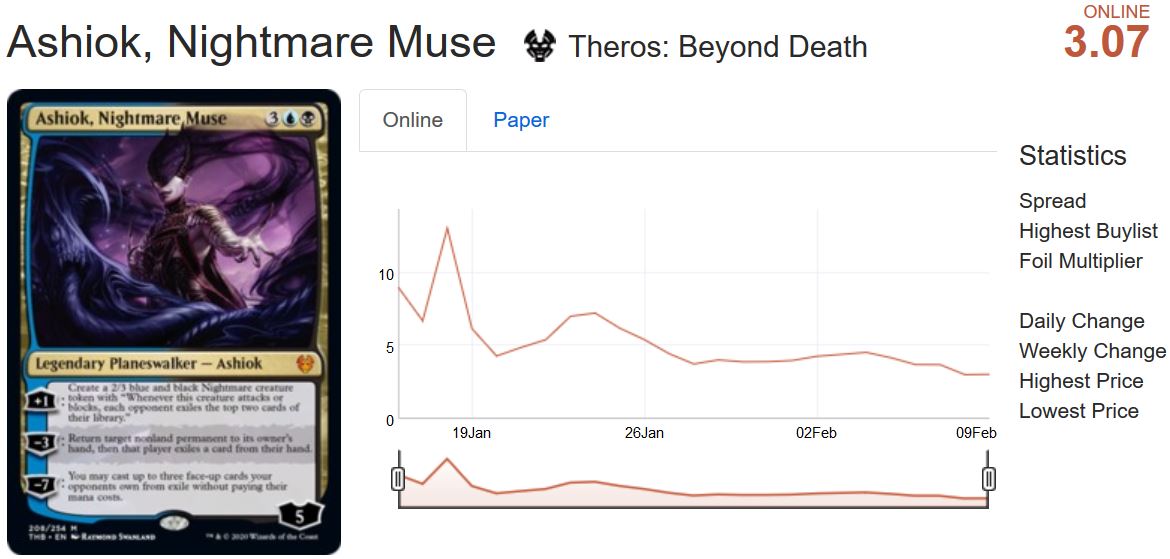
#4) Ashiok, Nightmare Muse

Ashiok has definitely surprised me by seeing play across almost every format. The main reason to hold off on Ashiok is that a large source of its demand comes from the Inverter deck in Pioneer that will possibly be banned sooner than later.

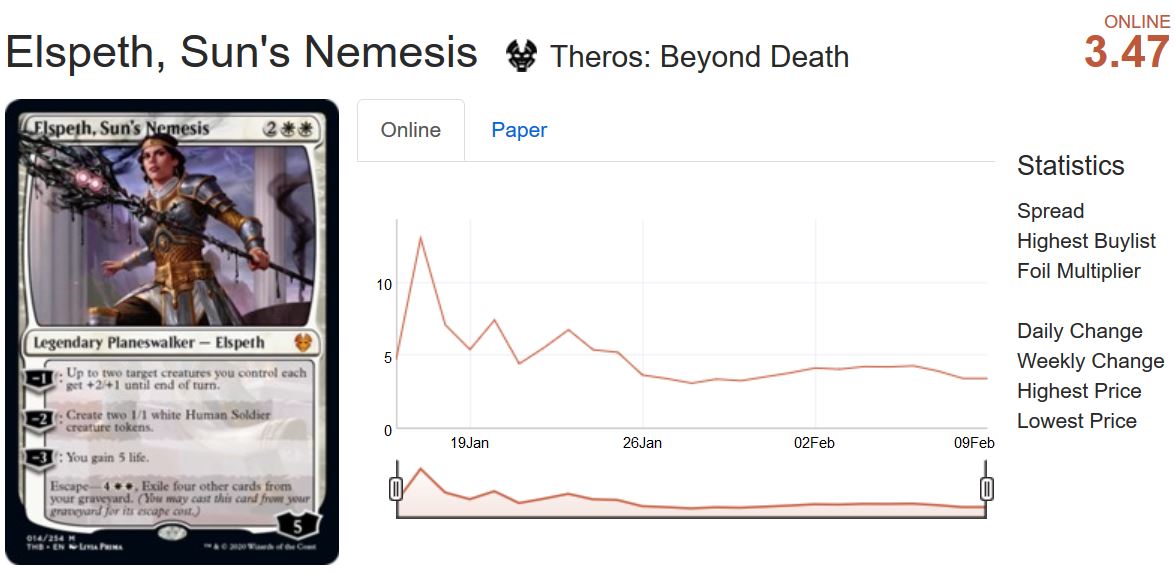
#3) Elspeth, Sun's Nemesis

Elspeth sees widespread play across Standard, Modern, and Pioneer because it is a persistent and stabilizing value engine for control players. While she will never be more than a one or two-of in Constructed decks, her role as a better Gift of Immortality is unique and will keep her in demand. I see modest room for growth longterm, but less so in the immediate future as drafting continues apace.

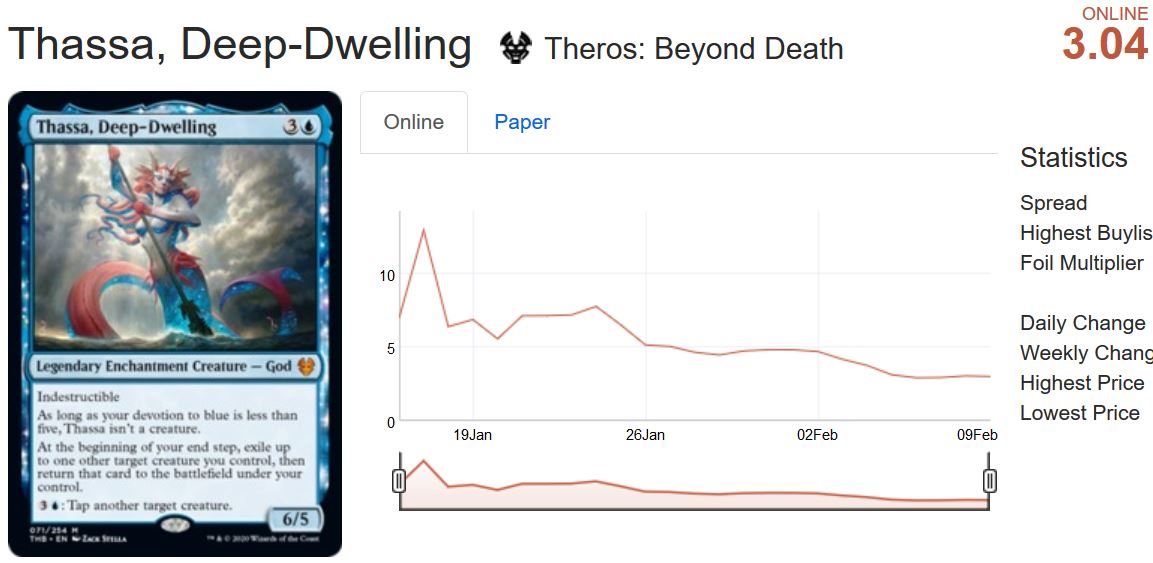
#2) Thassa, Deep-Dwelling

Thassa is a powerful card that is seeing play in Standard and Pioneer. An indestructible blink-engine is a unique tool for Constructed, and I expect competitive players to find new ways to abuse her as time goes on. Put differently, this is a card with high potential, and I like buying in at what will possibly be her floor.

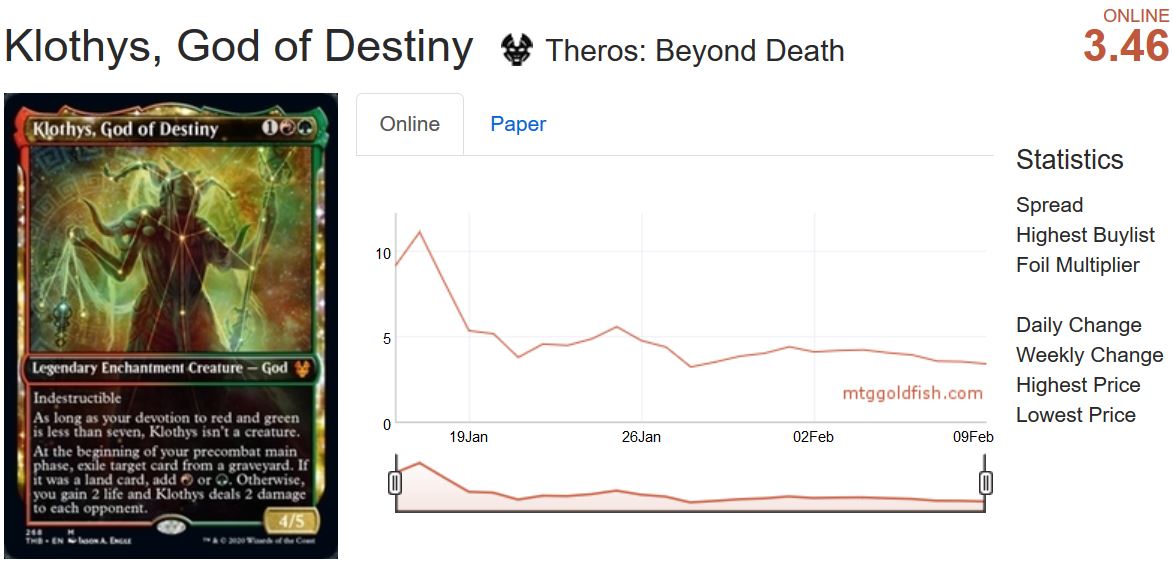
#1) Klothys, God of Destiny

An indestructible Sulfuric Vortex with lifelink and other upsides is insanely potent. Yet, the card hasn't broken out despite seeing play in all formats. Expect the needle on Klothys to move upwards as redemption eats up supply and as players get more time to play with Klothys. This card is just too versatile, and fits into too many shells, for it to remain at its current price going forward.

III. Expensive Mythics ($5+)

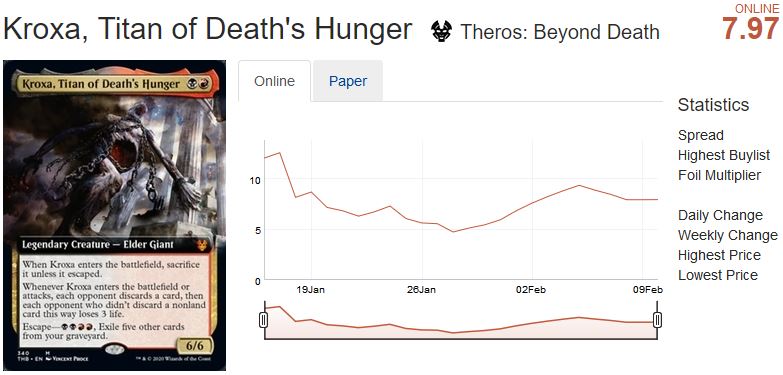
#4) Kroxa, Titan of Death's Hunger

Of the mythics in this class, Kroxa is the one I least like as a speculation target. It takes significant demand to sustain an $8 price tag, and my worry is that Kroxa is just a little too derpy and inefficient to really breakout in any format. It's more of a potent filler piece than a card to build around, and that scares me a bit. The main argument in its favor is that its demand is highest in Modern, and Modern is due for a resurgence in the coming months. This might be one to revisit if its price declines.

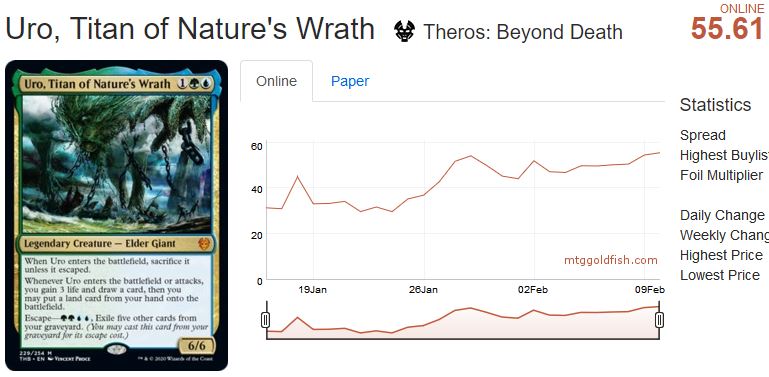
#3) Uro, Titan of Nature's Wrath

As expected, Uro is the most widely used card from Theros. It has become a format staple Standard and Modern, and is seeing extensive play in Pioneer. In the decks that it goes in it tends to be a full playset, which is different than most of the cards in this article (I've noticed this trend among Theros cards). I also must confess that, once a card is worth more than $30, it's very hard to guess or estimate what the cost of the card should be. We all know the difference between a $10 and $20 card, but it's harder to discern what constitutes a $50 card versus a $60 card.

We have a few historical precedents to guide us. Jace, Vryn's Prodigy reached $90, as did Oko, Thief of Crowns. Uro will not be as dominant as either of those two cards and thus I would expect Uro to peak around $75 when drafting wanes. At its current price, Uro does not make for a great investment because the return as a percentage is too low for the risk incurred. But if you want to own your playset for playing, I don't think buying now is unwise.

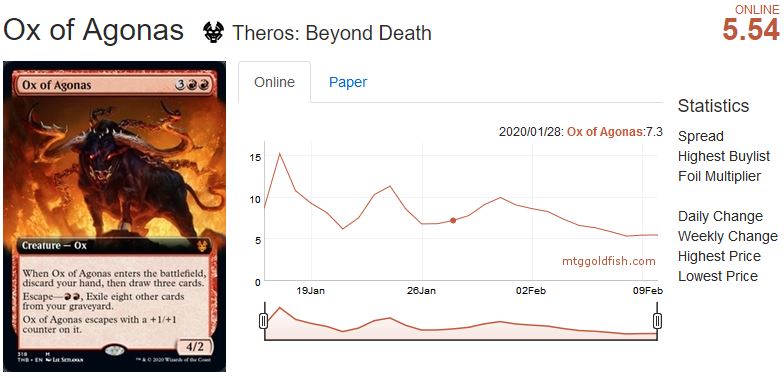
 #2) Ox of Agonas

Ox of Agonas is a powerful card that is really potent in select graveyard strategies like Dredge. I like that it is a three-of in Dredge, and I like that is room for its demand to grow -- it isn't seeing play in Standard or Pioneer right now. Ox of Agonas is one of those low to medium risk high reward cards that I like to speculate on. It might be a bit early to speculate on the Ox since it's predominantly a Modern card, but I think $5 is still a decent entry point.

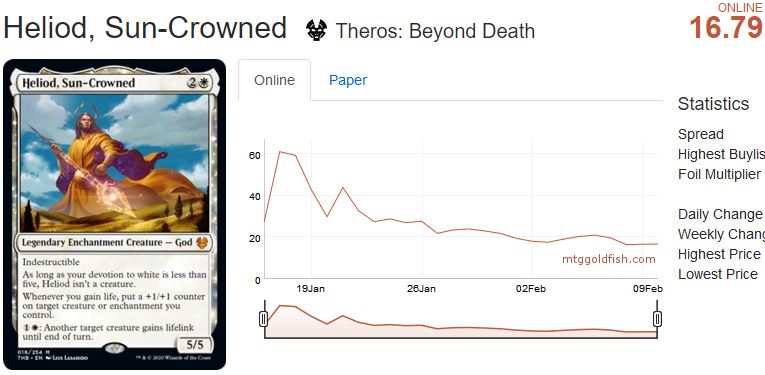
#1) Heliod, Sun-Crowned

Heliod is an extremely potent combo piece for Pioneer and Modern, and can be played "fairly" in Standard and in Pioneer as well. Its $16 price tag signals the strong start that Heliod has had in Constructed play, although it's showing at the PT was poor, likely due to the dominance of Lotus Breach and Dimir Inverter. A Heliod spec is a bet that Lotus Breach and Dimir Inverter will be met with the ban hammer. I consider Heliod a high-risk, high-reward spec - I think Heliod could be a $30 to $35 card if Lotus Breach and Dimir Inverter have key pieces banned, and if Heliod breaks out in Modern; Heliod could also be a $7.50 card if it is a tier two or three staple in both Pioneer and Modern.

IV. Signing Off

I hope you enjoyed this latest installment in the financial power rankings series. Soon I will do the same for the rares and uncommons from Theros, but drafting needs to significantly slow before we even begin to look at investing in rares and uncommons from the set. I've thoroughly enjoyed drafting Theros and, although I couldn't draft while in Colombia, I hope to do some drafting this week. Which Theros cards are you most excited to invest in, either in paper or in digital? Would your rankings look different than mine? Let me know down in the comments below or on Discord. Have a good week and I'll see you next time!


Stocks vs. Magic Card Investing (Part 1)

Are you a Quiet Speculation member?

If not, now is a perfect time to join up! Our powerful tools, breaking-news analysis, and exclusive Discord channel will make sure you stay up to date and ahead of the curve.

Because I view Magic cards as a viable alternative investment vehicle, I often compare it to other investment options. In the past, I’ve compared various parts of Magic with comic books, artwork, vintage video games, and of course the stock market.

The stock market comparison runs deeply, with many parallels (up to and including websites that track prices on a chart). However, a recent Twitter conversation with Jarrod Ator (@jarrodator) has helped me recognize multiple contrasts. It turns out, some of the similarities I’ve perceived are somewhat misleading. This week I want to share key takeaways from our conversation and offer some words of caution when comparing Magic to stocks.

Difference 1: How “Price” is Defined

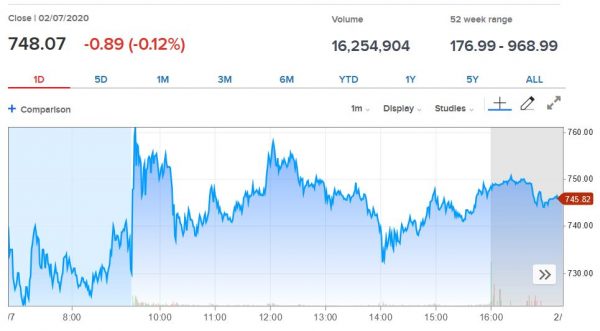
The first difference I want to highlight is easiest conveyed with an example. Let’s say I asked readers to research and identify the current price for Tesla stock (symbol: TSLA). The exercise is trivial—I typed TSLA into CNBC, Yahoo Finance, and Google and obtained the identical answer in each case: $748.07 at the close of February 7th, 2020.

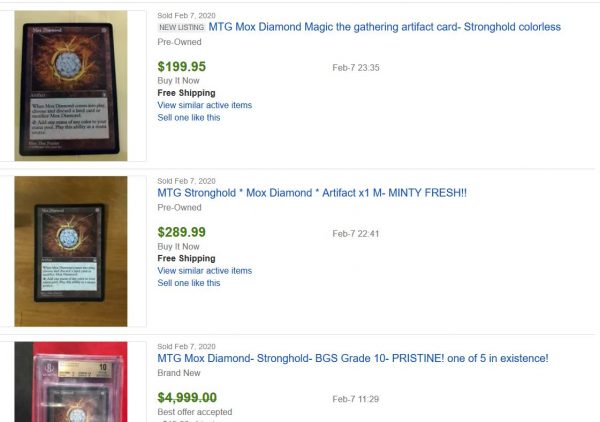
Now I ask a similar question about Magic: what is a near mint Mox Diamond worth? Just like before, I checked three popular sites for pricing. Here’s what I found:

Card Kingdom: $289.99 (sold out of NM, they had EX in stock at $260.99)
Channel Fireball: Sold out of NM, no pricing provided. They had SP in stock at $249.99
TCGPlayer: Cheapest LP is $223.50, cheapest NM is $254.99

There was an error retrieving a chart for Mox Diamond

Three different stores with three different prices. If different stock brokers used different prices for their stocks, what would happen? The broker with the cheapest shares would have theirs sell first, within moments, and then the next cheapest shares would sell, and so on.

Granted when I researched Tesla’s stock price, I wasn’t checking brokers individually. But we can be confident the price differential between brokers would be no more than a couple pennies (and that difference would constantly evaporate).

This example captures the first major difference between Magic and stocks: pricing research is inconsistent. Every stock price can be researched with utmost precision, and every stock price reflects the last transaction. Therefore, a stock’s “price” on CNBC or Yahoo Finance reflects the most recent price someone bought at and someone sold at.

When researching a card’s price, all we have is a list of seller’s asking prices. This is reflected as “TCG low”, or Card Kingdom pricing, or MKM pricing, etc. We use the lowest asking price to establish a card’s value, rather than the last sold price. This allows for the price manipulation we’re used to seeing during buyouts. Just because people suddenly demand 10x for the same card doesn’t mean it’s actually worth that much more.

There was an error retrieving a chart for Plague of Vermin

On the other hand, if a stock’s price jumps significantly, it means people have truly bought the stock at the higher price (at least momentarily).

If all shareholders of the stock above (Telenav Inc) decided they didn’t want to sell their shares for less than $6 anymore, they all could have raised their sell price. But the price on CNBC and other websites would only reflect a higher value if shares actually exchanged hands at that higher price.

Thus, there’s a dramatic difference between a quoted stock price and a quoted Magic card price with profound implications on how people interpret the market.

Volume Volume Volume

Keen scrutinizers of the previous section may challenge me on one comment I made regarding completed transactions. Technically, thanks to eBay, we can explore recently sold listings to help establish pricing in a way that mimics the stock market.

But how useful is eBay’s data, really? Take a look at the last three sold listings for Mox Diamond and tell me what it’s worth…

The top listing sold for $200, well below “market price”. The middle listing sold for $290, more than major vendors are even asking for a nice copy. And the third listing sold for who-knows how much, given its grade.

In total, I counted around 20 completed listings thus far for the month of February, with pricing and condition all over the place. This data could be a helpful guide in determining a card’s price, but it’s far too incomplete to be a definitive source. What’s more, this only reflects the cards sold on one website, and likely captures only a small fraction of the monthly volume of transactions.

What fraction is it? We have no clue! That’s the second fundamental difference between the stock market and the Magic market. Let’s rewind back to that Tesla stock chart I showed for February 7th.

The number above the chart, under “Volume”, indicates how many shares exchanged hands throughout that day. There are two things I want to point out with that number. First, notice how precise it is: 16,254,904. This is not to be confused with 16,254,903 or 16,254,905. No rounding here, folks, this is the exact number of shares to exchange hands.

Second, understand the sheer volume of shares exchanged in a single day. At $750 a share, that’s over $12 billion in transacted dollars in one day! This highlights the magnitude of the stock market as well as the liquidity. Compare that to the 20 Mox Diamonds that sold on eBay for an average of roughly $250, or $5000 in “liquidity”. Just a few orders of magnitude less, right?

This key difference has far-reaching implications. The larger market cap and volume offered by stocks supports my thesis that scaling in stocks is far easier. For example, someone could purchase $1 million worth of a single stock without having much impact on the overall market. It would be a momentary blip. But spending this much money on a Magic card is impractical at best. Imagine purchasing $1 million in Mox Diamonds—you would 50 copies in and suddenly the price would be 30% higher. After 200 copies, you may have bought out most of the internet!

The low volume of Magic becomes even more problematic when dealing in rarer cards. Looking up the value of Alpha Wheel of Fortune, for example, is no easy task. Besides the heavy dependence on condition, the “last sold” transaction may or may not be all that useful in determining current value. Without much volume, only seller asking prices can be used to estimate value—this, of course, biases cards to reflect higher prices.

There was an error retrieving a chart for Wheel Of Fortune

Store buylists are one way of reviewing “bids” for the card, but they’re often biased far lower so the vendors can turn a profit. There’s no website where individuals can post what they’re willing to pay on various cards to create a reliable “bid” to compare with the “ask” prices we’re used to. In theory, such bids exist because players and collectors are always wanting to get various cards at the right price. But lack of transparent information creates a deep divide between valuing stocks and valuing Magic cards.

Wrapping It Up

Investing in Magic cards is rather straightforward. By now most serious buyers know the right places to park their resources—Power, Duals, highly graded Alpha and Beta cards, Reserved List, etc. These assets have provided spectacular returns over the past 25 years, often outperforming the stock market.

However, just because we can compare returns between Magic cards and stocks doesn’t mean the two are exact parallels. In fact, there are many profound differences between the two markets that have far-reaching implications. Recent Twitter discussions with Jarrod Ator inspired me to think about these implications more deeply.

Two of the most critical differences revolve around the lack of information available in the Magic market. First, the value of stocks involve the “last traded” price while the value of Magic cards typically uses seller asking prices only. And second, there isn’t volume information on Magic cards outside of eBay completed listings, which can be convoluted and misleading.

These two factors create an environment in Magic that leads to things like arbitrage, price manipulation, and temporary buyouts. Such pitfalls must be avoided to profitably invest in Magic. And there are others.

This topic has broad reach and can touch on even more differences between these and other markets. Next week, I hope to expand this into a series of at least two parts, where I explore even more of these differences and explain how they make Magic a unique market for investing. If you liked this week’s topic, stay tuned for more next week!

…

Sigbits

  • It’s no coincidence that I mentioned Mox Diamond as one of the examples of this article. That artifact has been climbing in price lately, with Card Kingdom’s buylist reaching up to $205. That means they’ve upped their buy price from $170 to $200 to $205 in just a couple weeks—to me this reflects a legitimate rise in demand.
  • Another Reserved List card that has shown strength lately is Grim Monolith. While perhaps not at its previous high, the card now appears on Card Kingdom’s hotlist with a $90 buy price. Lightly Played copies start at $105 on TCGPlayer, so relatively speaking Card Kingdom’s buy price is rather aggressive considering that 30% trade-in bonus!
  • One very popular Reserved List card is Wheel of Fortune, and it has been a stable card on Card Kingdom’s hotlist for a while now. The buy price has fluctuated some, but currently Card Kingdom is offering $80 for Revised Given its utility in Commander, the red sorcery is likely to climb ever-so-slowly over time as copies disappear into decks, never to hit the market again.

Bans, Pioneer, Arena, and the Death of Modern

Are you a Quiet Speculation member?

If not, now is a perfect time to join up! Our powerful tools, breaking-news analysis, and exclusive Discord channel will make sure you stay up to date and ahead of the curve.

Modern is at a crossroads right now. Between changes in banlist philosophy, the arrival and surging popularity of Pioneer, and the breakout success of Magic: Arena, doomsayers are out in force and quick to declare Modern passé. Today, we'll explore each of the supposed challenges Modern faces and measure its staying power.

Sporadic Banlists

Towards the end of the year, Wizards made an announcement that sent shockwaves through the Modern community: they resolved to stop releasing banlists on a predetermined schedule.

Going forward, we'll no longer be making a commitment in advance to when the next B&R update will be. While we still expect changes to come in a similar pace, and will always announce changes on a Monday, we'll be allowing some flexibility in the exact week of changes.
The article went on to discuss the benefits of Wizards allowing itself more flexibility in timing its banlists, chief among them avoiding tournaments with "unhealthy" metagames. That advantage, says the company, will translate to more players actually participating in tournaments, as nobody wants to travel to an event just to play a broken format.

Players I've spoken with about the change seemed more skeptical. Arguments against sporadic banlists tend to focus on the fact that players won't know for a long while when a banlist is coming, which could have adverse effects on card pricing and render players even more unsure about which tournaments to make travel arrangements around.

Peeking Into the Shadow Realm

Which brings us to Yu-Gi-Oh!, a game that's had sporadic banlists for over five years. Indeed, the online community is constantly raging at the structure in place: Konami willfully allows Tier 0 decks to dominate for months on end, mass-reprints the broken product, and then issues bans once players have their hands on the cheaper versions, only to usher in a new Tier 0 format fueled by whatever new expansion has just released.
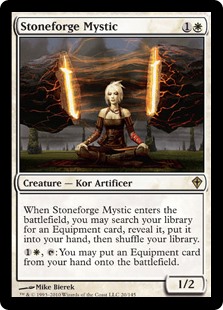
The banlists, for their part, are always offered with no explanation and feature this message: "The next update after this will be no sooner than March 30, 2020" (or other arbitrary future date). So players are told for how long they can definitely play their new decks for, but not how long after that point they'll be able to. In some cases, such as was the case a couple years ago, the banlist has taken upwards of 10 months past the listed date to be announced, out of the blue as always, after months of players complaining.

If that sounds overblown or hellish to you, Magic reader, consider how good we have things on this side. Wizards is certainly taking one step in the direction of Konami's banlist policy. But one step will still leave us pretty far-off from Yu-Gi-Oh!'s Tier 0 dystopia.

There's also the fact to consider that Konami maintains their banlist policy despite online vitriol. At the end of the day, they're not going to want to implement a structure that players hate enough to stop playing; they have the numbers, and are probably happy with the way things are going financially. By that same token, Wizards has the numbers on its side, and I'm confident whatever change they make to Magic will be done so with the aims of drawing new players and keeping old ones. I for one am grateful that a vocal internet minority does not dictate the way they do things at corporate.
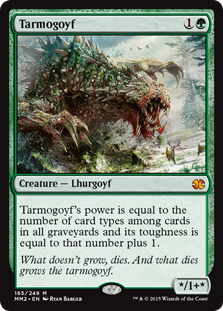
Price of Success

I do expect this change to dramatically affect secondary market prices, which have always been a hot topic for Modern players.

With scheduled banlist updates, the prices of banned cards would always creep upwards near the announcement; the prices of Jace, the Mind Sculptor, Stoneforge Mystic, and Bloodbraid Elf saw wild rides every announcement years before they ever saw the light of day in Modern. Similarly, with an announcement on the horizon, the prices of staples played in high-tier decks would trend downwards, and players proved more hesitant to buy into popular decks like Phoenix and Hogaak around that time.

Modern prices are notoriously high and volatile for a number of reasons, scheduled banlist announcements being just one of them. But if anything, this change should alleviate some amount of pricing pressure on secondary market singles.

The Rise of Pioneer

Something a bit more concerning for Modern is the new format on the block, Pioneer. Multiple local game stores I know of have noticed a sharp decline in Modern attendance lately, coupled with a steady uptick in Pioneer interest. I attribute Pioneer's popularity to a few factors and think it poses a threat to Modern numbers-wise, but not necessarily in the long-run.

New God Flow

Novelty gets the juices flowing. Heck, it's what prompted the creation of Modern Nexus in the first place. There's no feeling quite like carving out niches in a brand-new format. And while Modern continues to home countless tech innovations, the developments we're seeing in this format can't compare to those of a brand-new landscape.

A major factor in Pioneer's appeal is its newness, but on the flip side of the coin, the format lacks a stable identity. As soon as it gains one, Wizards corrects the skew with a ban. That process is more or less normal at this stage, but it means too that as Pioneer ages, its novelty will wear off and be replaced with reliable format pillars. Whether those pillars are fun for players to play with remains to be seen, and will help decide the level of Pioneer's popularity down the road.

Why Modern Sucks in 96

Besides the allure of something new, Pioneer is also buoyed by content creators hungry for new material. I'll even admit that it can be tough to come up with Modern-related articles week after week when so much of the Magic community has its attention focused on where the action is!
Additionally, many of Magic's content juggernauts are also card stores, giving their writers a direct financial incentive to talk up Pioneer: old, dead stock becomes valuable overnight if a promising brew features them. Modern went through a phase like this, too, but now its time is up; cards skyrocket in price when speculators buy them out, something that mostly happens when breakthrough likelihood (or perceived interest in a given strategy) is high. The bar is already so elevated for cards and strategies to break into Modern that many have become disillusioned with new ideas here; in Pioneer, the opposite is true, and cards that haven't moved in years are tripling in price.

Forever Little Brother

With all that said, I don't think Pioneer is set to replace Modern, now or ever. In fact, I think once the hype dies down, the format will be living in Modern's shadow.

The pivotal factor distinguishing Modern and Pioneer from Legacy and Vintage is the Reserved List, which prevents certain cards from ever being reprinted. In practice, the two newer formats are identical: they include all cards from a certain point on and feature their own unique banlists. In other words, they share the same niche as nonrotating, non-Reserved-List formats; Pioneer just has a smaller card pool, and as such will rapidly gain an enduring reputation as "Modern-lite."
Even once Pioneer has established its own format identity and developed a cohesive metagame, its players are likely to see it as a stepping stone into Modern. Indeed, it's in Wizards' financial interest to continue pushing Modern that way. The format was once touted as a place for rotating Standard cards to continue seeing play; nowadays, the bar is too high for many of those cards to enter the picture. So they can transition first to Pioneer, which replaces Modern as a just-out-of-Standard option. And Modern, with its storied history, enormous card pool, and shared lack of a reserved list, awaits the next graduation of Standard-cum-Pioneer players into its arms.

It may well happen that eventually, Wizards sees the need for another power reboot, or a nonrotating, non-Reserved-List format with an even later cutoff date than Pioneer's. Should that happen, I believe Modern will hang on as the older format of choice, while Pioneer fades into the background entirely as a holdover format.

Step Into the Arena

While the Level 0 is to assume Arena replaces Magic Online, each platform has its purpose going forward: the former is for Standard and limited, and the latter is for competitively playing nonrotating constructed formats. But yes, for draft and Standard formats, it does seem like Arena has supplanted Magic Online; it's sleek, flashy, easy to use, and features plenty of quality-of-life upgrades (less queuing, easier collection management, etc.). Which begs the question: how does Arena affect Modern?

Tempting Our Faithful

Modern's reputation as a hub of innovation and discovery attracted players keen on the idea of putting something new together and expressing themselves through deckbuilding. Now that the format is more solved, it's harder to break through with a new strategy than it used to be, giving these players less of a home here. The fresher Pioneer format affords more such opportunities, as does draft format.

Another draw to Modern is one shared by most constructed formats: the idea that once a deck is purchased, players can use it forever. Conversely, getting into limited formats instead means coughing up $15 every tournament for a few booster packs. Not so on Arena, which lets players draft for free; plus, the "my deck is safe" mentality has all but evaporated in the wake of Modern shake-ups and bannings.
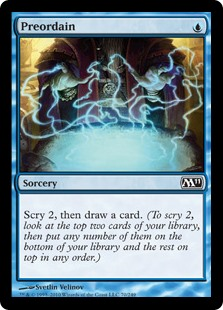


These elements provide incentive for somewhat dissatisfied or frustrated Modern players to turn towards Arena. Part of the Modern attendance dip being reported is probably attributable to Arena's poaching of these players.

Burning Paper

Forget about the death of Modern---what about the death of paper Magic altogether? Wizards is pushing the brand in a digital direction, but I don't find this argument so compelling. There's no evidence that a totally digital brand is their end-game. Looking back at Yu-Gi-Oh!, Konami too went digital with their own Arena-style alt-game in Duel Links (itself hugely successful) and nonetheless sells plenty of cardboard. I'd imagine it's better for the company's bottom line to have its paws on as many markets as possible than to deliberately cut itself off an existing market.

Wings of Hope

Pioneer is likely coming to Arena, which makes sense for a couple key reasons: it sells more new product than Modern, and has more buzz behind it. I don't think that paper-wise, and in the long-run, it will ever overtake Modern. But I'd brace for the format lull to continue as Pioneer finds its footing.

In my eyes, Modern remains a safe format to invest in. Some cards may drop in price, sure, but the format's pace grinding to a halt outside of small communities, as has Legacy's, seems extremely remote to me. Modern simply doesn't have the logistical hurdles that Legacy does; the format was even created to avoid such pitfalls. As long as we play it, it's here to stay!

Insider: MTG Business Models (Part 2)

Are you a Quiet Speculation member?

If not, now is a perfect time to join up! Our powerful tools, breaking-news analysis, and exclusive Discord channel will make sure you stay up to date and ahead of the curve.

This is part two of a series. The first article in this series can be found here.

There was an error retrieving a chart for Rewards of Diversity

Diversification

Most financial managers and stockbrokers will suggest diversifying your investment portfolio. The reason you do this is to spread out risk. If you have 100% of your money invested in one companies stock, you carry a significant amount of risk. Should that stock perform poorly, you lose a lot of money. The same concept should apply to what inventory a store carries. While this site is dedicated solely to Magic: The Gathering, there are a lot of other similar products available in the marketplace.

As we previously discussed, WoTC has a monopoly on MTG cards, which means that if they create a format that a lot of people dislike (typically accompanied by a lot of bannings to help alleviate this dislike) then singles sales will likely decline. If your main source of income as a store is MTG singles sales, a bad format can greatly reduce your income. We have seen other major stores like SCG, ChannelFireball, Troll and Toad, and Card Kingdom branch out into selling more than MTG cards and singles. Looking over their websites you can purchase:

  • MTG artwork/lithographs
  • Special playmats
  • Sleeves
  • Deckboxes
  • Pins
  • Dice
  • Apparel
  • PokĂ©mon cards
  • Transformers cards
  • Binders
  • Coffee mugs
  • Yugioh cards
  • Heroclix
  • Miniatures for various games

These major retailers have all diversified what they sell, with many having branded options on this list.

There was an error retrieving a chart for Gwafa Hazid, Profiteer

Inventory Dictates Profit and Effort

The inventory you offer will completely dictate your profits and the amount of effort required to run your business. Obviously, the fewer cards you have available for sale, the fewer sales you'll make as a whole, and the less effort will be required to run the business. Thus, effort and profit are on opposite sides of the same coin. This leads to several different business strategies one could take depending on their actual goal:

  • Keep your inventory focused on specific formats.
    • Pros- You reduce the amount of inventory you need to maintain.
    • Pros- You reduce the amount of money you have to plow back into inventory acquisition.
    • Pros- Your business requires less effort to maintain.
    • Cons- You miss sales of cards in formats that aren't supported.
    • Cons- You reduce your business's ability to grow.
    • Cons- Your inventory tends to get hit harder with reprints because it's less diverse.
  • Maximize your inventory.
    • Pros- You maximize the number of sales you will have.
    • Pros- You maximize your business's ability to grow.
    • Pros- Your inventory takes less of a hit with reprints because it's very diverse.
    • Pros- You are in the best position to purchase larger collections because the seller knows you will offer for everything.
    • Cons- You maximize the effort necessary to run the business.
    • Cons- You maximize the amount of money you have to plow back into inventory acquisition.
  • Focus solely on high-velocity cards.
    • Pros- You maximize the number of transactions you have with the least inventory.
    • Pros- You reduce your inventory acquisition requirements.
    • Cons- You miss out on sales of lower velocity cards.
    • Cons- The cards you're likely trying to pickup are the same as most competitors so you will likely have to offer higher buy prices to maintain inventory, thus you'll tend to have lower profit margins per transaction.
    • Cons- Your inventory tends to get hit harder with reprints because it's less diverse.
    • Cons- The high-velocity cards are often metagame dependent, so a change in metagame can hurt your inventory value more.
  • Focus solely on high end reserved list cards.
    • Pros- Your inventory is very safe from reprint risks, though a better similar version could still affect inventory value.
    • Pros- Due to the higher value nature of these cards you are likely to have fewer transactions for any given inventory value. So less effort is required to run this type of business.
    • Cons- You will miss out on a lot of potential sales.
    • Cons- Restocking inventory will often require large investments, which may cause cash flow issues.
    • Cons- Due to the fact that these cards are relative "safe" investments, most people selling them demand a premium, so your profit margins will likely be lower unless the price spikes.
  • Focus on buying and picking bulk.
    • Pros- High-profit margins.
    • Pros- Limited cost of inventory acquisition.
    • Cons- Significant time commitment with no guaranteed return.
    • Cons- Typically limited to lower-dollar sales which means shipping cuts into your profits more.
    • Cons- Bulk can take up a lot of space. Before going too deep on bulk it would be wise to contact other big bulk buyers to try and figure out a way to move the remaining bulk once you have picked through it.


The important thing to remember about any of these strategies is that you will have to determine the weight you'd assign to each pro and con.

I have focused on limiting my inventory to specific formats, typically Commander, Modern, and Pioneer. I also buy bulk from local players when I can. I have slowly started reducing Modern inventory to focus on the other two. The reason I have gone this route is that my MTG sales are side-income, and I don't want to spend too much time on it every day.

There was an error retrieving a chart for Quiet Speculation

Speculation

I realize it might seem like blasphemy, but as I have been growing my business I have pulled back from speculating like I used to. I now limit my specs almost exclusively to cards that combo with a new commander. This prevents me from sinking too much money into an unknown time commitment. I typically buy these specs with the intent of flipping them within one to three months, which usually coincides with new commander releases.

I used to love speculating on any format, but now that WoTC has started aggressively reprinting cards via supplemental products, I dislike the increased risk. I have found that buying collections near buylist is less risky; you can turn a quick profit, though it does require more effort in acquiring inventory. I also enjoy picking through bulk, so I love buying bulk, though the amount of space it takes up in my house is becoming an issue.

And So It Begins: Metagame Starting Point

Are you a Quiet Speculation member?

If not, now is a perfect time to join up! Our powerful tools, breaking-news analysis, and exclusive Discord channel will make sure you stay up to date and ahead of the curve.

Everything has to begin somewhere. The Modern metagame is no exception, and last week I used the MTGO metagame as a bellwether for the emerging format. The five decks I examined have done well online. However, as I noted, the data isn't necessarily accurate or indicative of what players will encounter at a Modern event. It's time to start testing the data against observed reality.

The main tournament stage is currently reserved for Pioneer. Wizards and players have spent the past few months effectively beta-testing the format, and now it's having actual events. Hopefully, this will finally answer the question of whether the format is good or fatally flawed. In any case, Modern-wise, we'll have to wait until March for true, open-tournament results to analyze. However, there is some smaller-scale data being generated, and I'll be using that to start building a picture of the current Modern metagame.

SCG Richmond

The Modern played at SCG Richmond last weekend is not the kind suited for our data set. SCG Richmond was a team event, obscuring the results: two of three players on a team need to win to secure the match, which means a deck's final standings aren't necessarily based on its own merits. I've been to a few team events where one player on a team could not win a game to save his life, but still finished high thanks to his teammates' records. Therefore, the final standings convey how well the team did, not a given deck's individual strength. While the data isn't a reliable measure of the meta, it does indicate what players thought was good. This in turn is informative about the SCG Tour's playerbase.

Deck NameTotal #
Amulet Titan13
Heliod Company4
Mono-Red Prowess4
Gifts Storm2
Burn1
Humans1
Golgari Yawgmoth1
Devoted Devastation1
Mono-Green Tron1
Charge Tron1
UW Control1
Dimir Whirza1
Titanshift1
Jund1
Jund Conscription1
Jund Death's Shadow1
4-C Death's Shadow1
Infect1

Frankly, that is an absurd amount of Amulet Titan. I suppose this should come as no surprise, as SCG events have been swamped with Amulet decks since Hogaak, Arisen Necropolis was banned. However, what's inexplicable is how this keeps happening without corresponding payoff. While Oko was still legal, Amulet Titan always did well in the Day 2 metagame standings, but that success didn't translate into Top 32 placings. This time Titan made up 35% of the Modern Day 2 population and put two copies into the Top 4, a decent outcome until the entirety of the standings are considered. If Amulet was as good as its ubiquity indicates, its population should be more clustered in the upper standings. But it's not; Titan decks are peppered throughout.
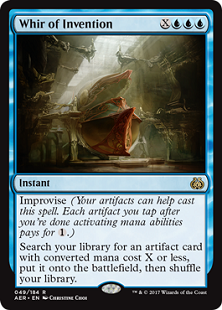
Again, the standings are not necessarily indicative of actual deck power. Still, nothing I've seen so far proves that Titan is worthy of its popularity. That said, it's clear that the SCG Tour believes that Amulet Titan is the best deck in Modern, and it's behaving accordingly. Were I going to an SCG event, my primary concern would be preparing for Titan decks.

Classic Results

The individual SCG Classics that accompany the Opens do provide useful data, though it's harder to draw conclusions from them than from the individual Opens; Classics generally have lower starting populations, and the only data released is the Top 16. It's hard to judge deck performance in a vacuum, or without at least Day 2 population numbers. Typically, I've assumed that the starting populations for side events are cast-offs from the main event. This is unlikely to be perfectly true all the time, and especially here, since Richmond was a team event. Therefore, I'm going to deal with the results as they stand as a starting point for the developing metagame. Besides, the Richmond Classic presents another problem for Titan's assumed strength.

Deck NameTotal #
Mono-Red Prowess4
Amulet Titan3
Dimir Whirza2
Golgari Yawgmoth1
UW Control1
Grixis Death's Shadow1
Heliod Company1
Burn1
Titanshift1
Ad Nauseam1

Mono-Red Prowess was the most successful deck in the Classic by population and result. It had four placings to Amulet's three, and Prowess closed out the finals. The best-placing Amulet deck took 6th, and another sneaked in at 16th. This indicates that Titan isn't any better than Prowess. Amulet may not be better than the 3rd-place Dimir Whirza, which placed ahead of Titan at 5th and 11th places. Whether Prowess and Whirza are better than Titan or simply very well-positioned is impossible to say at this point, but the bottom line is I continue to not find evidence supporting the proposition that Amulet Titan is the best deck in Modern.
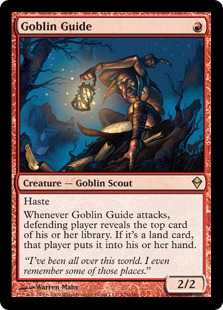
Considering the rest of the field, Modern looks quite open. We find an even mix of old stalwarts and new hotness, including the Heliod, Sun-Crowned combo. Of course, in this version, Heliod is a one-of and backup plan for the typical Devoted Druid combo. More interesting is the decision to invest more heavily in a toolbox plan with Ranger-Captain of Eos. Ranger-Captain means Company decks can tutor for Walking Ballista or Viscera Seer and then protect against interaction to combo off. If necessary, Company decks could also triple-down on protection by searching up Giver of Runes.

Implications

It is painfully clear at this point that the SCG Tour believes Amulet Titan is the best deck in Modern. Its consistently played in large quantities, and it always shows up in force for Day 2. However, Titan hasn't been rewarding its faithful with success. Both during the Oko era and now, the huge numbers in Day 2 are not reflected by Titan's final results. Thus, I would prepare heavily against Amulet Titan were I going to play an SCG Event. Simultaneously, I wouldn't recommend actually playing Titan. The deck has not demonstrated above-average power in months, and players will be targeting the deck.

Secondly, Prowess looks to be extending its lead over Burn. I noted last week that red decks do well in unstable, developing metagames, and it wasn't clear which was better. It appears that Prowess gets the decisive nod in SCG's Titan-heavy metagame thanks to how it can front-load damage. Burn's damage is spread out because it's literally throwing burn at an opponent's head every turn; Prowess is about dumping its hand and turning all that velocity into damage in a turn or two. This concentrated assault makes it harder to stabilize against Prowess, but comes at the cost of Burn's inevitability. Given how Titan plays, this seems a worthy sacrifice.

Finally, it's clear that Urza's back. Dimir Whirza (which is just Grixis Whirza minus Galvanic Blast and Goblin Engineer) won the Open and did well in the Classic. I predicted that banning Mox Opal wouldn't keep Urza down because it would just fall back to Whirza. Apparently, Grixis isn't reliable enough without the color-fixing Mox Opal, but the core strategy of prison pieces and Thopter Foundry combo kills has remained intact and is as powerful as ever. The only reason it ever went away was that Oko, Thief of Crowns was better. I'd keep my eye on Dimir Whirza, as I expect that this deck, not Amulet Titan, is the real next Big Thing.

PT Weekend PTQs

The next source of data is from the Players Tours that also took place last weekend. Yes, those events were Pioneer, but they had Grand Prix tournaments accompanying them. These were also Pioneer, but their PTQs were Modern. My understanding was that both Brussels and Nagoya would have two Modern PTQ's, but I've only seen the two results from Brussels posted anywhere. The pair of events nonetheless form a metagame picture that is distinct from Richmond's.

Deck NameTotal #
4C Death's Shadow2
Eldrazi Tron2
Mono-Red Prowess2
Dredge2
Burn1
Sultai Whirza1
Infect1
Devoted Devastation1
UB Mill1
Crabvine1
Heliod Company1

These PTQs are as Titan-devoid as SCG events are Amulet Titan heavy. Instead, there is a very even spread of decks. This further pegs Amulet's prevalence as a function of SCG-circuit popularity, and not due to any real metagame strength. The observable field doesn't look significantly different than what is seen in the SCG data, so I can't point to a uniquely hostile metagame as the cause. Still, more evidence from non-SCG sources is necessary to confirm the hypothesis that Titan just isn't that much better than other good Modern decks.

Prowess just piped Burn as the most played red-deck, but Burn took home the blue envelope. Again, if my theory about why Prowess was better in Richmond is correct, then Burn doing better in Brussels makes perfect sense. Looking around, I'm seeing decks that are in various stages of adjustment. While they're called 4-Color Shadow decks, in reality they're Sultai Shadow splashing red for Temur Battle Rage. I suspect this is a space issue, since they're running both Traverse the Ulvenwald and Once Upon a Time. Similarly, the Whirza list from Brussels is only technically Sultai. Maindeck, it features just 2 Abrupt Decay; green is mainly there for sideboard cards, specifically Weather the Storm to beat red decks.
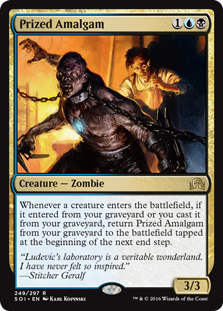
The More Things Change...

Graveyard decks are back in force. Dredge won a PTQ and is part of the four-way tie for most popular deck. Both decks look comparable to the post-ban Dredge lists, except for 2 Ox of Agonas. As I read things, Dredge is still a metagame force, while Ox is mainly an excuse to pick up the deck.

Crabvine also made Top 8. While it's fallen a long way since the days of Hogaak, Crabvine can still produce a ridiculous amount of power very quickly. It's just not as reliable or consistent as Dredge. Its biggest advantage is that in a pinch, it can switch to being a mill deck (and UB Mill also made Top 8). In a nutshell, the old boogeymen of Modern are still here, and players need to be ready for them.

...The More the Lesson Stays the Same

Graveyard hate is still essential in Modern. Dredge isn't going away, and pilots now have an excuse to pick it back up. Furthermore, there are plenty of other decks using graveyard synergies. Faithless Looting's banning nerfed the graveyard decks and made them less prevalent, but it didn't kill them. Be ready!
The other redundant lesson is that Modern remains wide open. Outside of SCG events, there's no clear best deck, although red decks continue to be very prevalent. There's still considerable room to innovate and experiment, and so players need to be ready for anything.

Where is Modern Going?

As more events occur and data arrives, the picture will become clearer. I'm hopeful that Modern remains wide-open this year. The past few have seen warps from extremely popular or overpowered decks which are great for metagaming, but not for diversity. We'll have to wait and see.

Bulk to Bayou: Why Get into Bulk?

Are you a Quiet Speculation member?

If not, now is a perfect time to join up! Our powerful tools, breaking-news analysis, and exclusive Discord channel will make sure you stay up to date and ahead of the curve.

Traders and MTG finance players normally see buying bulk as a fool's errand. This type of buying is reserved only for the largest stores capable of absorbing low margins by having a retail out for even the cheapest cards. The Bulk to Bayou series will illustrate how bulk can be a lucrative MTG finance strategy if executed correctly. This article will outline the advantages of getting into bulk in the first place, based on three main factors as compared to buying collections or speculating: 

  1. Lower Capital Requirements
  2. Lower Requisite Knowledge 
  3. Less Competition

Low capital costs compared buying and selling full collections

The first advantage of getting into bulk trades is the minimal capital requirement. MTG finance is all about balancing risk versus reward; with a limited bankroll and an event horizon for specs potentially lasting years, the ability to turn over and realize gains to build your bankroll (or collection!) quickly is critical. Aim to minimize risks such as reprints, bannings, and an ever-shifting metagame.

Thus, if your bankroll is small, you need to minimize risk. A couple of busted specs can wipe out your funds while providing no immediate profit. Buying and selling bulk, on the other hand, is much more similar to taking advantage of market efficiencies like a day trader rather than picking a basket of speculative goods.

It's all about building and capitalizing incremental advantage with a high velocity of events that are nearly a sure thing, as opposed to swinging for the fences and hitting it big 10% of the time (i.e. applying the concepts of MoneyBall to MTG finance). Put another way, imagine you find an awesome local collection that will likely provide 2x retail returns in three months with minimal risk but will cost $1000, or a premium spec that as a 75% chance of doubling within the next 12 months.

There was an error retrieving a chart for Fact or Fiction

In theory, both hypotheticals are easy double-up opportunities, but the latter requires a very large bankroll to get started. Potentially tieing up precious operating capital for months, especially in a highly competitive space, creates large exposure to risk (again: reprints, bannings, meta changes, etc). So while a 75% chance at a double-up is a solid investment in a collection or spec, it could take months to mature and return a profit. Moreover, the opportunity to realize those gains over and over is low.

Unlike the examples above, most players are able to scrounge up $50 and take a 90% chance of making a $50 profit in just a couple hours in a bulk collection. Compare the above to a massive bulk collection of 20K cards purchased for $50 and flipped for a $75 profit in a matter of days. Unlike with buying collections, the likelihood of a single or couple cards paying for the entire collection is low, but the likelihood 50-100 cards buylisting for $100 is nearly a sure bet.

In addition, it's much more common to find extract an extra $100 out of a $50 collection (or a 200% ROI) than $2000 out of $1000 collection, based on the simple fact that people are more likely to forget a Triumph of the Hordes in New Phyrexia bulk (600 times the bulk rate) versus a Surgical Extraction in a Modern collection (160 times the bulk rare rate).

There was an error retrieving a chart for Surgical Extraction
 
There was an error retrieving a chart for Triumph of the Hordes

Lower knowledge threshold for getting started

Picking bulk with robust background knowledge of Magic's various formats certainly expedites the entire process, but is by no means a requirement of success. Unlike buying full collections wherein the buyer needs a firm grasp of not only the current price, liquidity, and future trends of nearly every card in Magic's history, you must also be able to beat the market and ensure they are not overpaying for the collection at hand. 

Instead, buying bulk is based on digging for diamonds in the rough. You do not need to know every card from Magic 2011 that buylists for more than a nickel, just the top five. Given MTG finance's current resource landscape, even the most naive of buyers will be able to pick 80% of the value from a collection of bulk by just picking cards they have heard of before. If you're a QS Insider, it's even easier, as shown below using the Trader Tools to quickly look up the top ten cards in any set. 

Less competitive than buying full collections or speculation 

The ability to quickly and accurately price cards higher than buylist for stores at a glance is critical when buying full collections, as you have to compete with stores operating on much tighter margins based on having higher volumes.

For example: if a player is selling a collection worth around $1000 based on TCGPlayer Low, you as the buyer need to be able to offer enough above buylist to snag the sale (potentially $750), while still low enough that taxes, shipping, and fees don’t totally obliterate your margins. On top of that, you must also consider the process of selling the cards quickly (maybe $900 before overhead) to minimize risk and turn over capital.

Unlike with buying collections or specs, the thin margins of stores actually works in your favor when buying bulk! Stores have to include taxes, labor, and overhead into the cost of doing business. Thus, the low margins and low value of bulk make buying and selling bulk difficult to pencil out; this holds true for not only online-only stores, but also your local brick and mortar. 

The shipping costs of sending bulk adds an additional competitive advantage for small players. Even the stores efficient enough to take advantage of economies of scale struggle to get bulk because it is so prohibitively costed to ship for most players. Most players are unwilling to go through the hassle of shipping bulk to only end up netting $1-2 per thousand cards after shipping costs. 

At a local level, the competition in your local market for bulk is likely limited, as the margins are too low for stores and the friction for players is too high to deal with shipping cards across the country for marginal returns. 

Summary

All in all, buying and selling bulk is very likely a mostly untapped local market with significant upside, based on limited competition from larger players in the space, low capital requirements, and a gradual learning curve. That said, buying and selling bulk is not without its pitfalls. The low margins that scare away major players mean a few missteps could dry up any profits from the collection. What these pitfalls are and how to avoid them will be explored later in the next part of the series, with in depth guides on buying, picking, sorting, and finally selling bulk. Join me next time for the next installment of Bulk to Bayou!

Want Prices?

Browse thousands of prices with the first and most comprehensive MTG Finance tool around.


Trader Tools lists both buylist and retail prices for every MTG card, going back a decade.

Quiet Speculation