menu

Insider: The New Color…Less (Part 2)

Are you a Quiet Speculation member?

If not, now is a perfect time to join up! Our powerful tools, breaking-news analysis, and exclusive Discord channel will make sure you stay up to date and ahead of the curve.

Welcome back, readers! Today's article is a follow-up to last week's, covering the two formats I couldn't squeeze in: Commander and Legacy. While doing research for this mini-series of articles, I found that the Commander section would likely have the most options for speculation and growth, so let's start there.

Commander

Colorless-Producing Artifacts

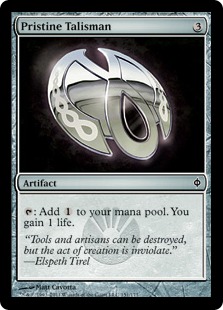
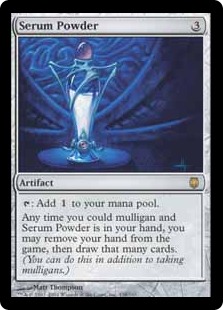
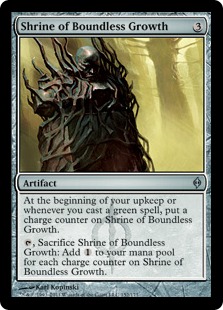
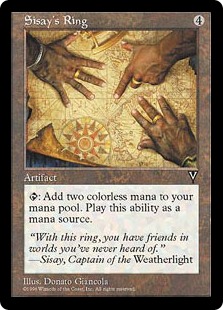
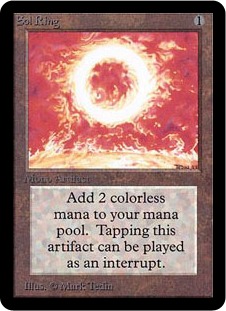
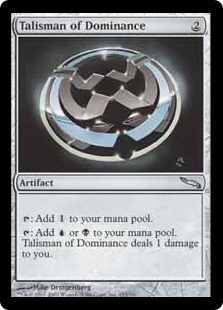
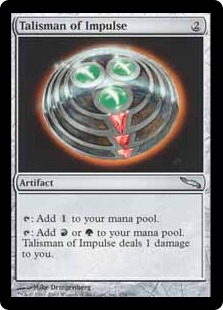
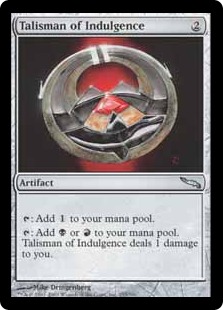
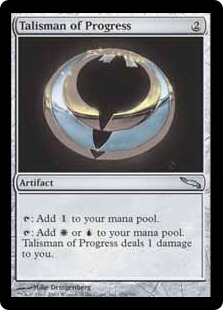
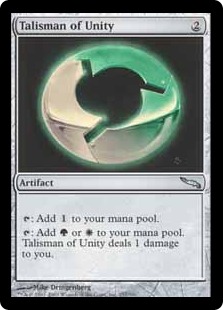
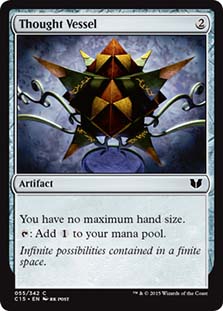
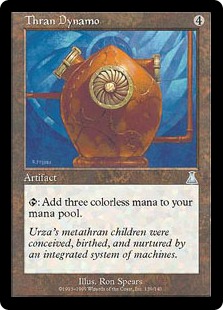
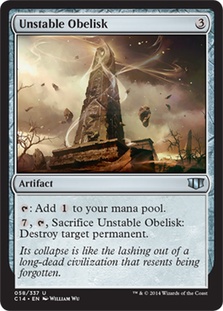
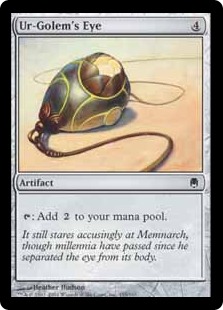
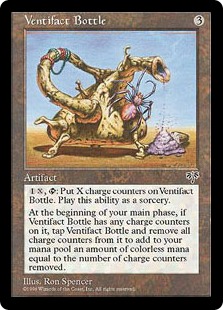
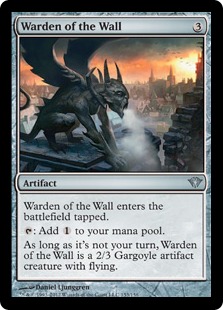
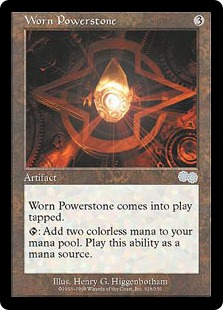
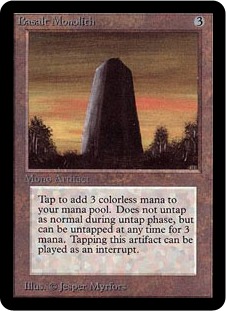
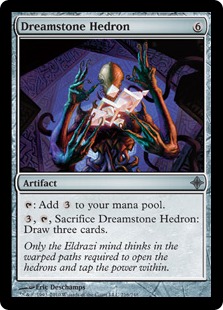
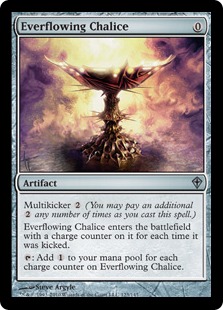
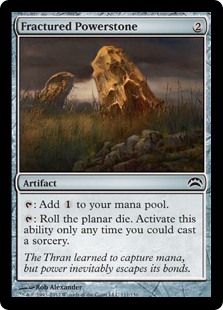
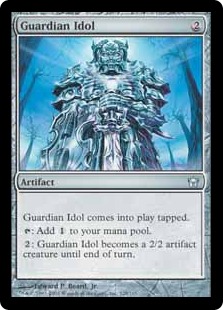
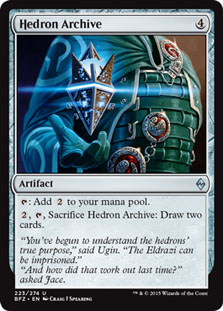
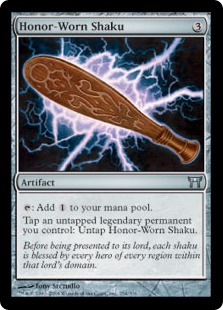
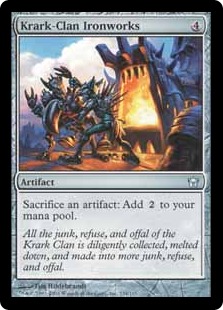
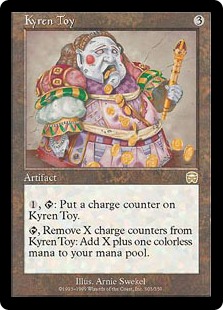
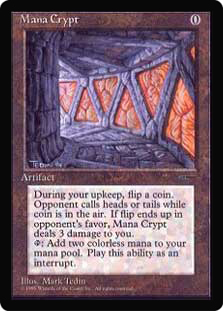
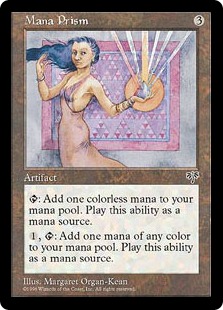
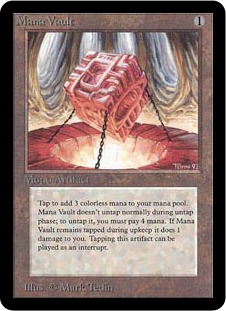
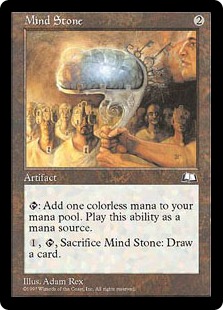
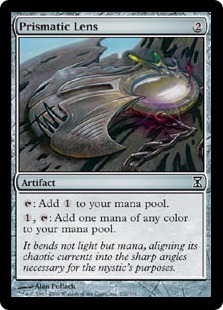
PristineTalisman SerumPowder ShrineOfBoundlessGrowth SisaysRing SolRing TalismanOfDominance TalismanOfImpulse TalismanOfIndulgence TalismanOfProgress TalismanOfUnity ThoughtVessel ThranDynamo UnstableObelisk UrGolemsEye VentifactBottle WardenOfTheWall WornPowerstone BasaltMonolith DreamstoneHedron EverflowingChalice FracturedPowerstone GrimMonolith GuardianIdol HedronArchive HonorWornShaku KrarkClanIronworks KyrenToy ManaCrypt ManaPrism manavault MindStone PrismaticLens

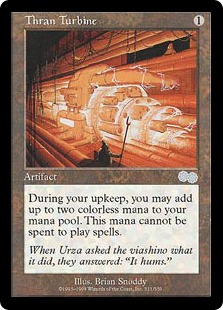
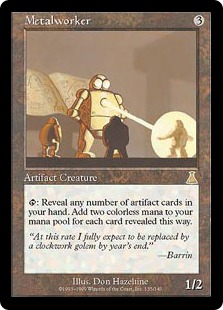
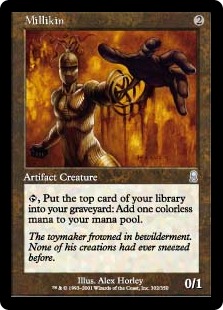
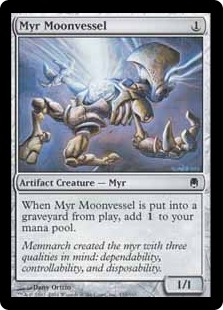
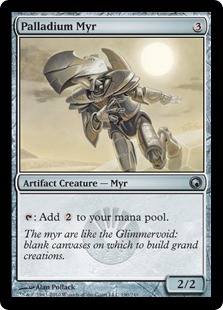
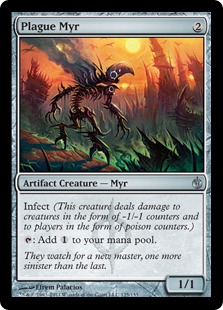
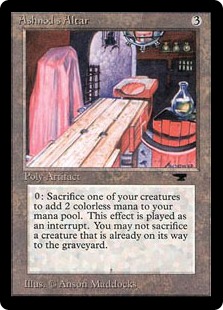
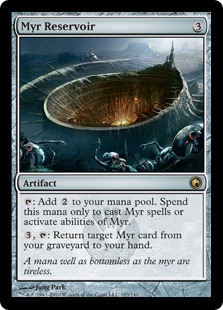
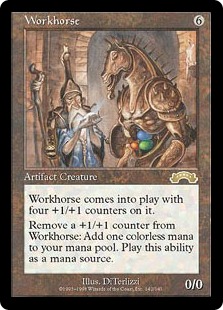
ThranTurbine AshnodsAltar MyrReservoirWorkhorseCathodionManakinMetalworkerMillikinMyrMoonvesselPalladiumMyrPlagueMyrSuChi

This is a pretty big list to pull from, so we should probably define some additional criteria. As mentioned last time, when it comes to speculation targets the number of copies that exist can play a huge role in the price ceiling and floor. Thus, a single printing (ideally from an older set) is definitely a boon, whereas multiple reprints (or a printing from a recent set like Innistrad or forward) will limit price growth.

Of course this also means mythics have the most potential, followed by rares, uncommons and lastly commons. But because we're dealing with cards that span Magic's entire history, we can still include commons as speculation targets. The common print run from older sets may in some cases actually be smaller than a mythic rare from a newer, large set.

Opportunities

Of these artifacts, the following are the ones I feel have the most opportunity for growth.

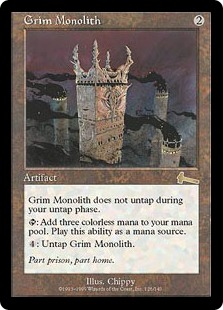
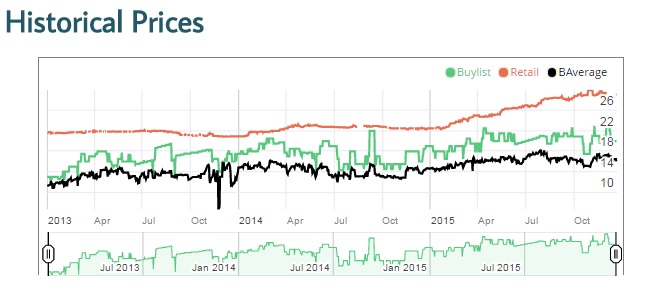
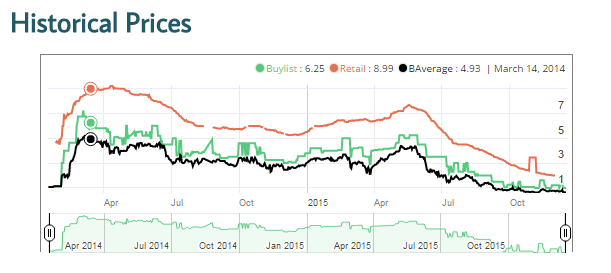
Grim Monolith - A single-print rare from 1999 (this card could get a driver's license in many states), this card's effect is very powerful and it's already both a Legacy and Commander staple. It combo's with Power Artifact for infinite mana and its price has been steadily increasing for the past year.

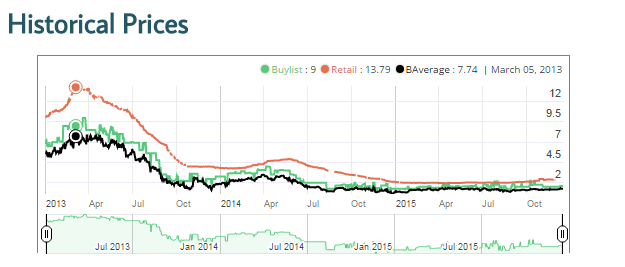
Monolith's price graph shows the exact type of growth we're looking for, as stable growth over time indicates a steady and accurate rise in demand. This thing isn't being driven by hype, but honest-to-god players who want to put it in sleeves and cast it.

grim monolith price trend

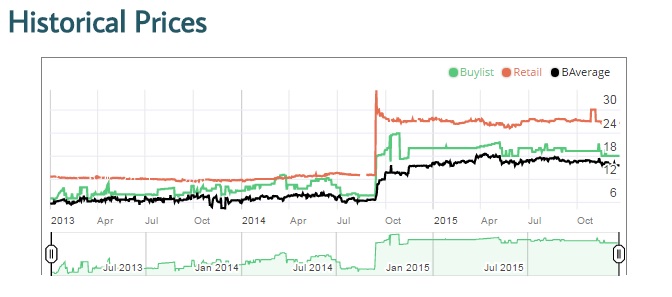
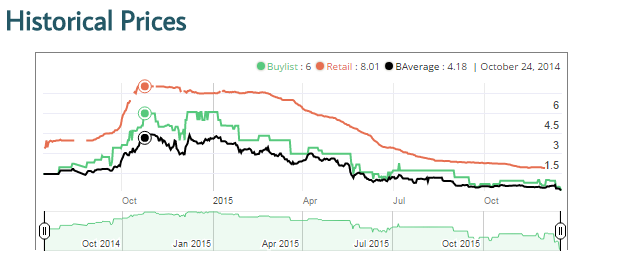
Metalworker - This card already saw a drastic price jump thanks to coming off of the Commander banned list. While it has given some artifact-based decks a much-needed shot in the arm, it hasn't broken the format by any means.

Given its ability to ramp out a Kozilek, the Great Distortion on turn four, we may see more of Metalworker in Commander's near future. The ironic part is that because Metalworker's ability requires a lot of artifacts in hand, you likely won't draw as many cards off of Kozilek's cast trigger.

This card also has a pretty stable price graph (save the price jump on the date of its unbanning in Commander).

metalworker price trend

Unstable Obelisk - While this was printed at uncommon, it only showed up in two of the 2014 Commander decks ("Sworn to Darkness" and "Peer Through Time"), which weren't all that popular (the chase decks were "Forged in Stone," which had Containment Priest, and "Built From Scratch," which had Wurmcoil Engine).

Obelisk provides a colorless Vindicate effect (at that, one you can cast early to slip under countermagic). This is a huge boon for mono-color decks with color pie issues removing certain types of permanents, like red with enchantments and black with artifacts.

Thran Turbine - This one might seem a little odd given that it doesn't allow us to use the mana to cast spells, but it's a one-mana artifact that continuously provides two colorless every turn, and it was printed in 1998.

This is on my short list of cards waiting for the other half of the combo to become broken. I wouldn't go out and buy hundreds of copies, but I'm going to make sure I have my personal playset and another just in case.

Kyren Toy - This one doesn't seem all that impressive at first, but Mercadian Masques wasn't a heavily opened set and this is another 16-year-old rare from said set. It's a bit slower and doesn't have that "wow factor," but it has potential. Due to age and rarity it's definitely one to keep an eye out for.

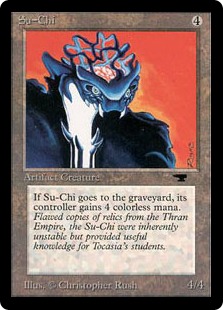
I was going to suggest Su-Chi as well, but it appears on November 30th it got bought out and is now sitting at three times the old price. It's a very old uncommon on the Reserved List with a single print run (Antiquities), but given how rarely I see its little brother Cathodion show up in Commander, I can't recommend Su-Chi at the new price.

Colorless-Producing Lands

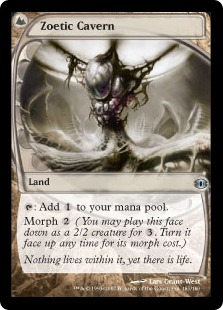
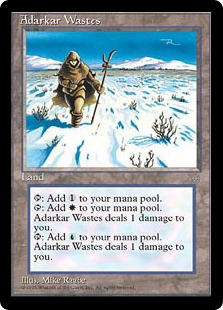
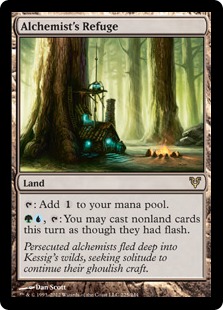
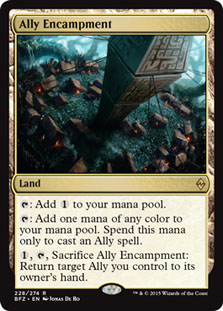
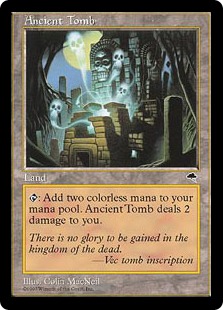
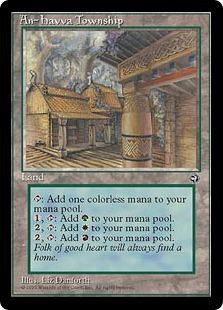
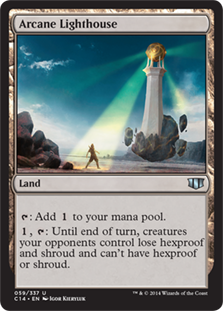
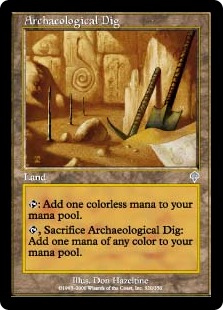
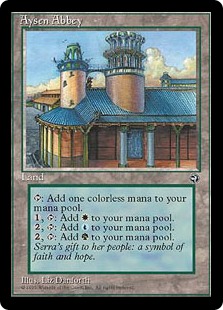
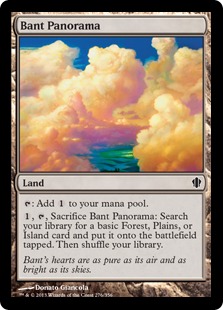
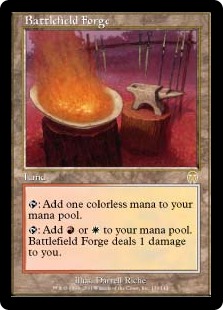
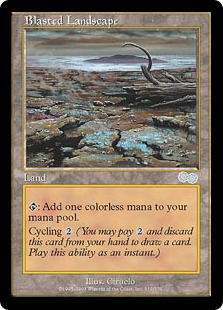
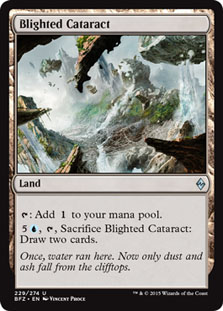
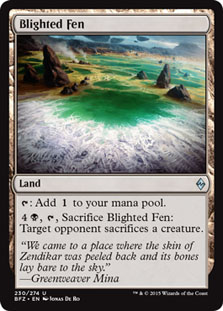
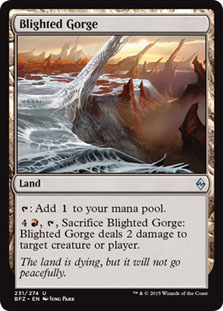
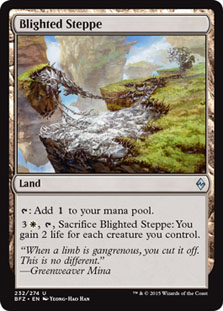
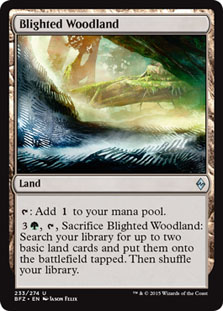
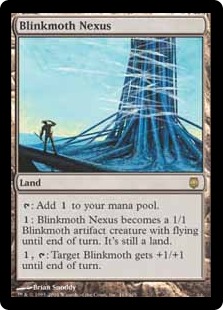
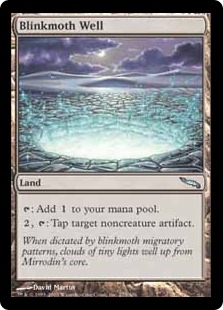
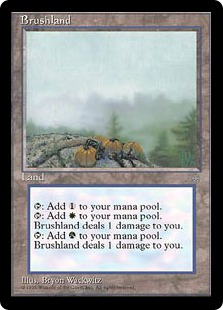
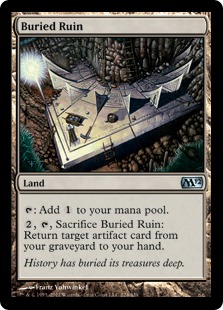
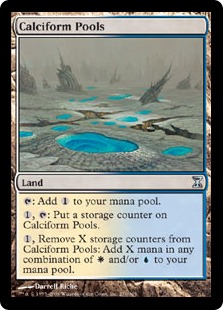
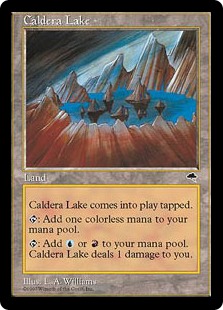
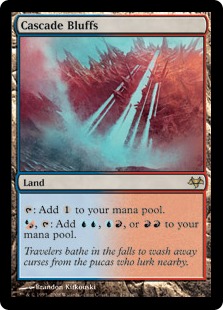
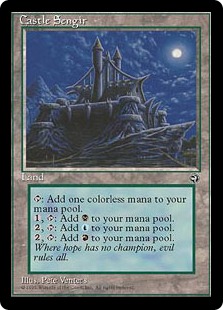
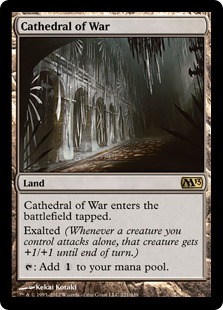
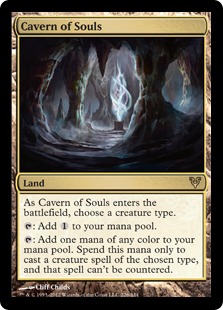
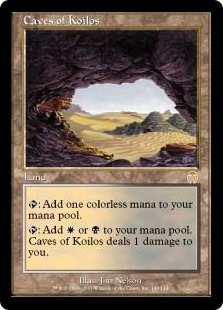
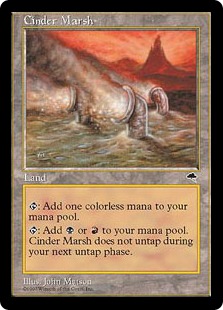
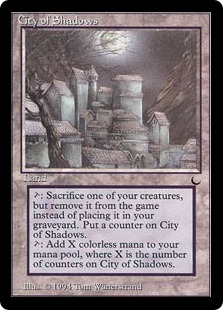
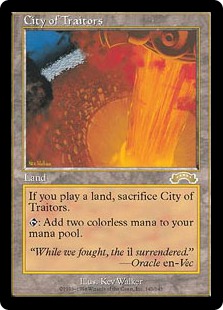
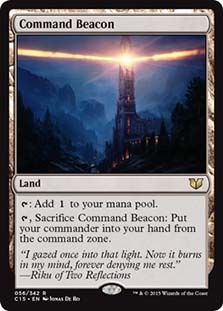
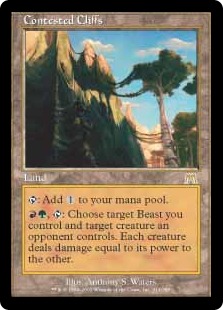
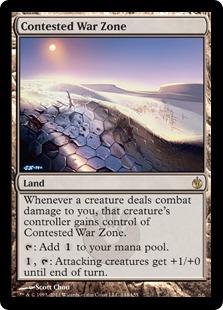
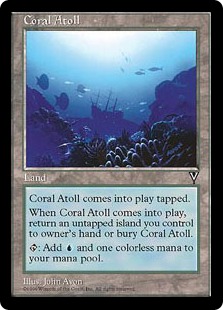
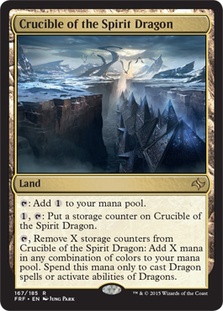
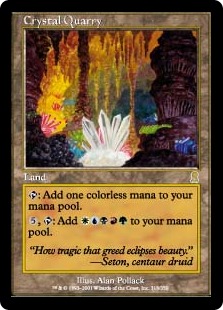
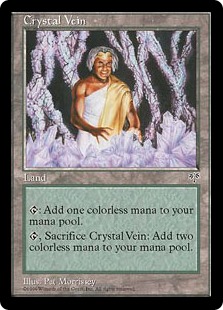
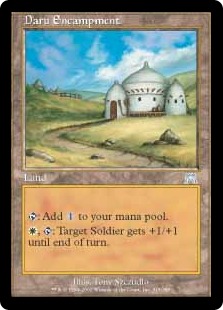
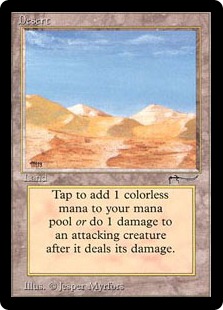
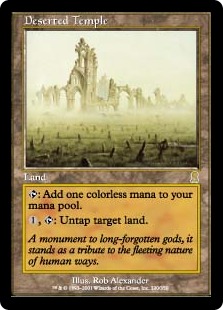
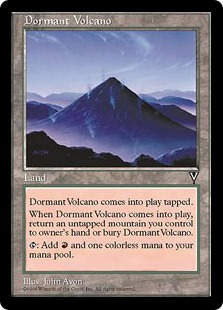
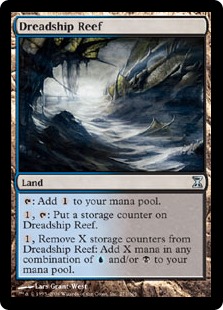
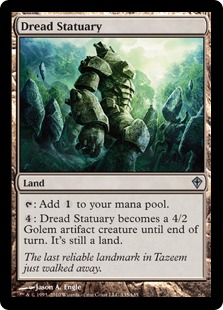
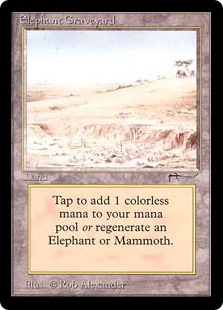
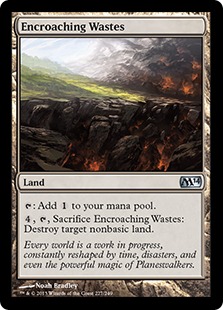
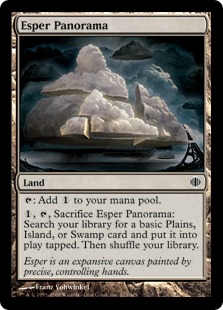
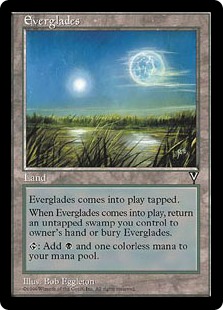
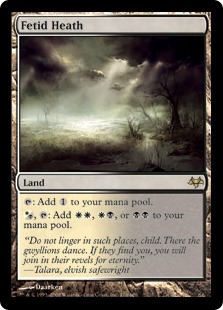
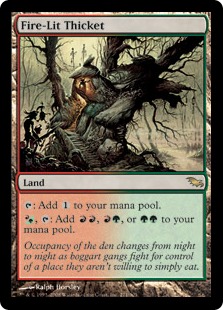
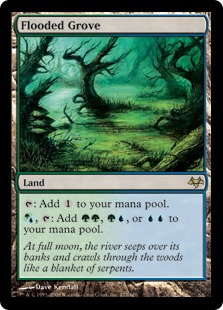
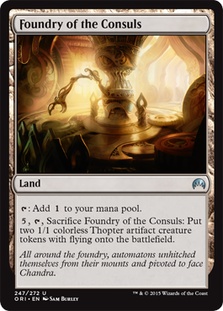
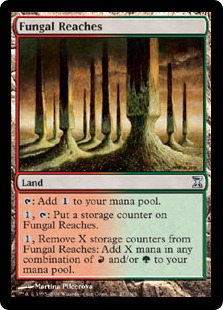
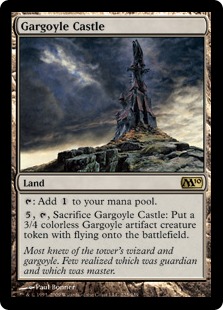
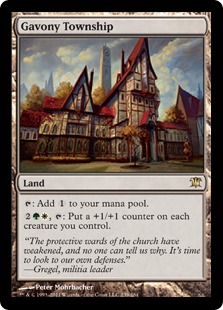
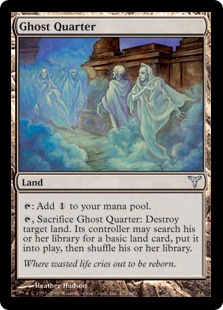
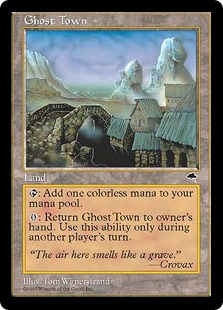
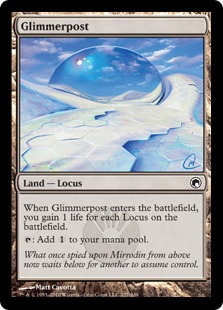
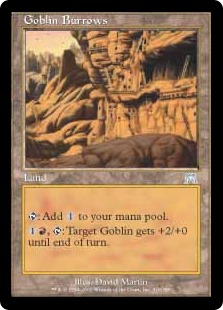
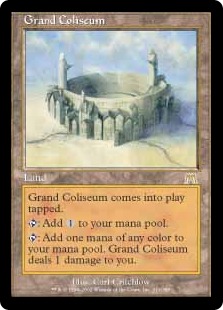
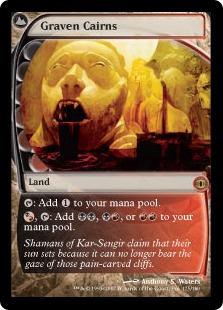
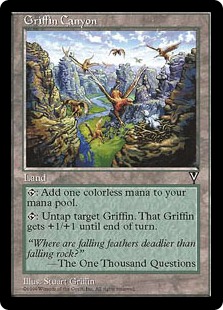
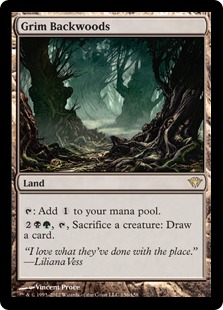
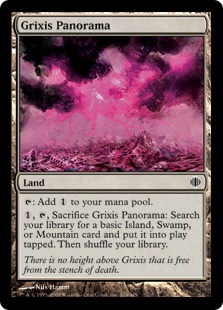
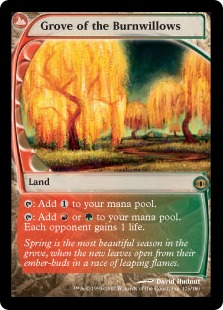
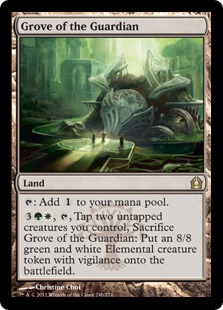
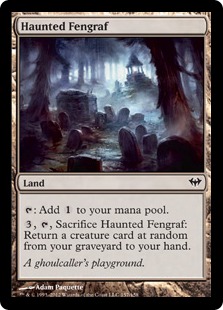
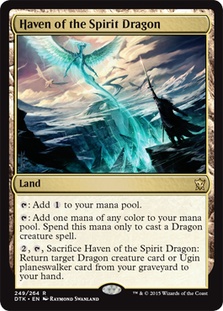
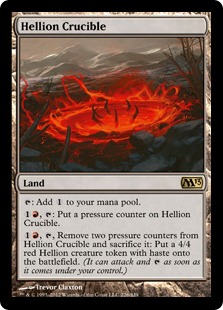
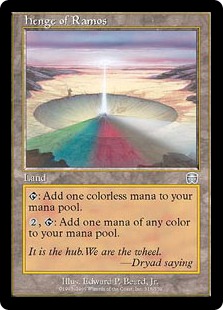
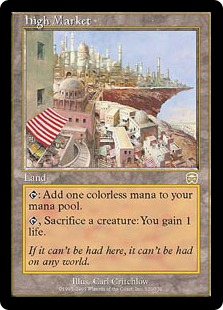
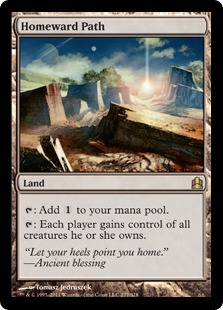
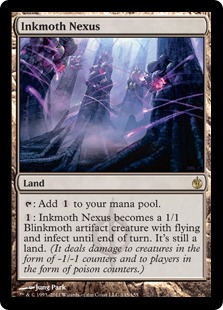
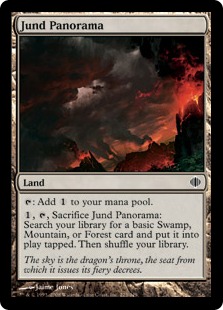
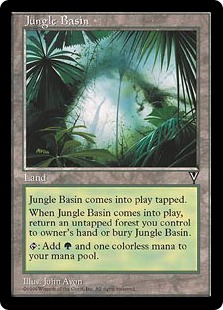
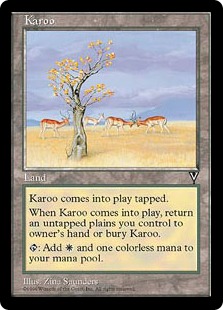
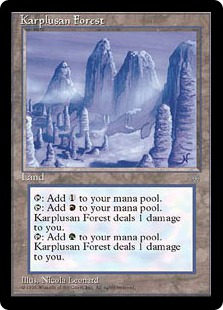
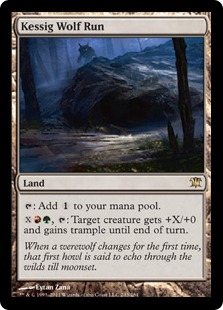
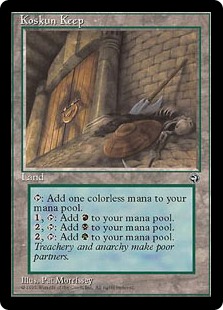
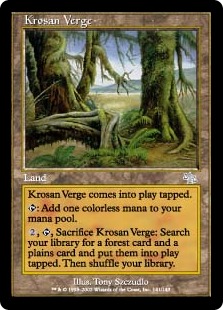
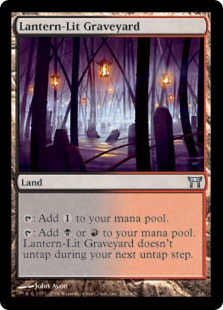
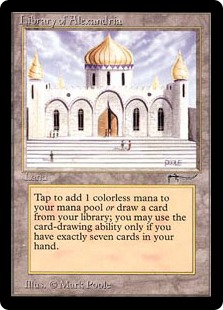
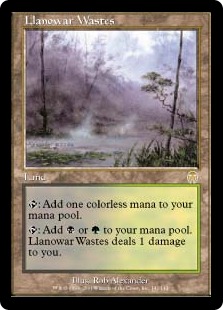
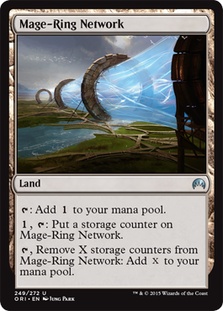
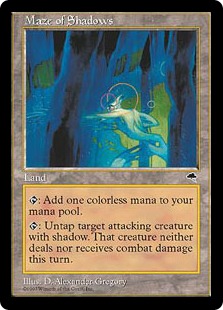
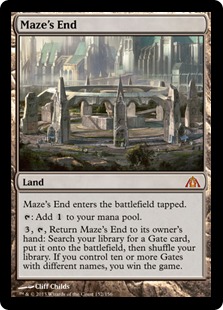
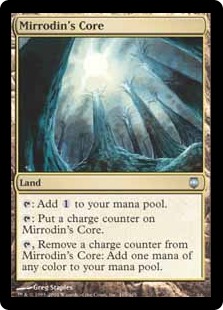
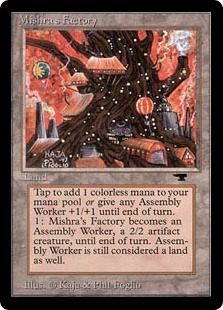
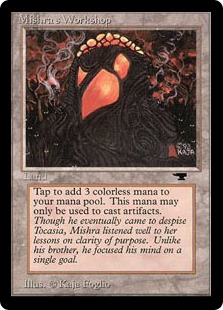
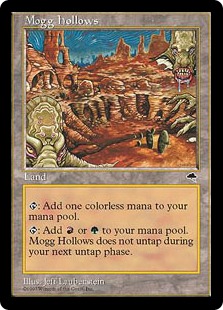
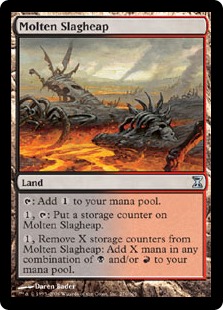
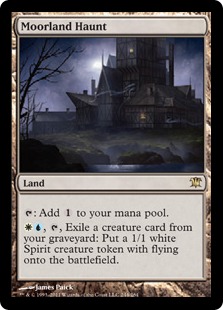
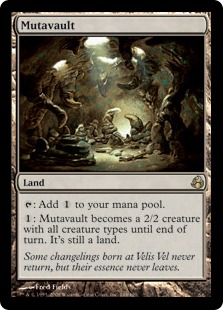
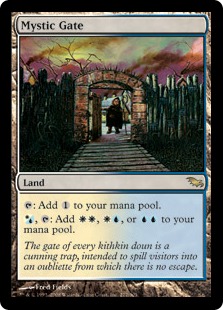
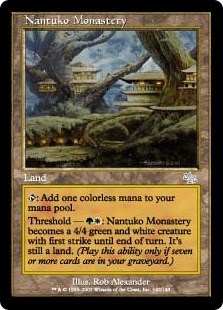
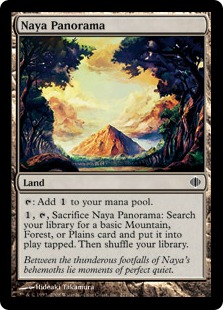
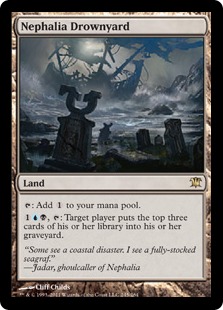
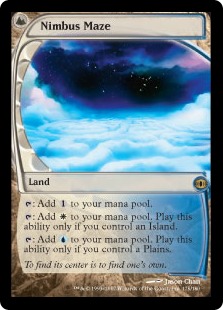
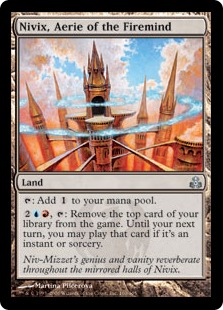
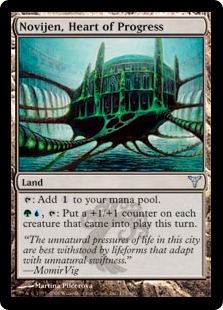
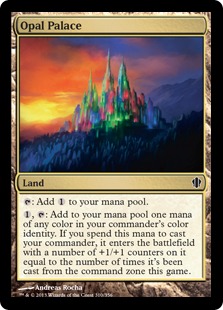
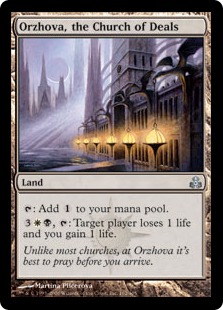
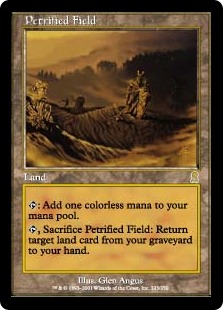
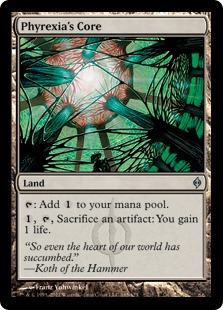
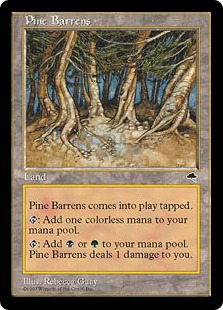
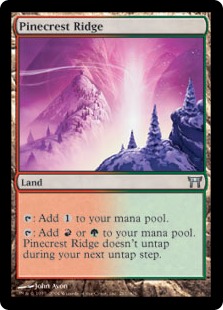
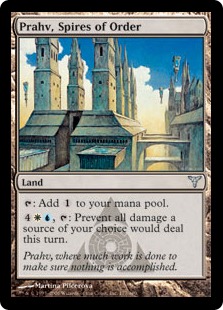
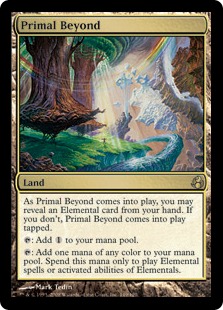
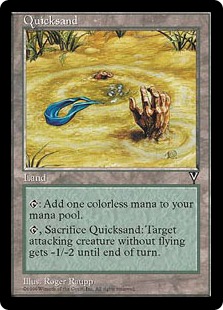
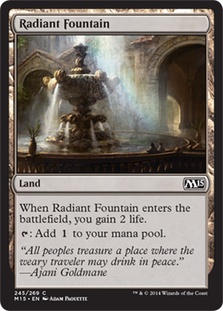
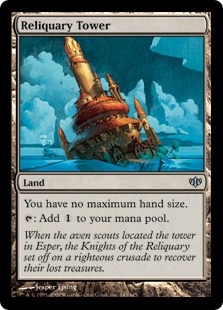
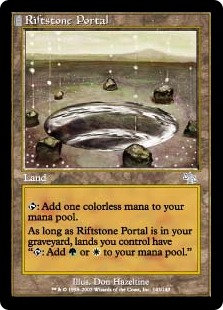
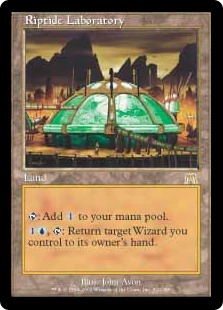
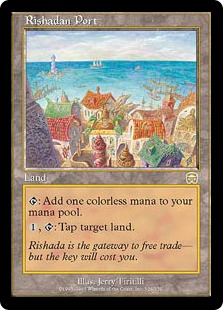
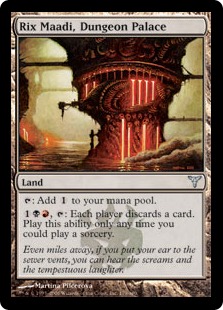
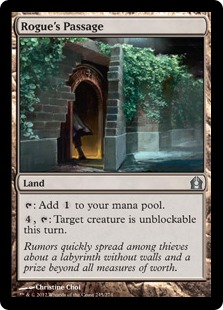
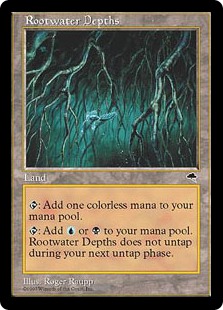
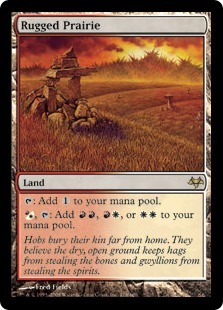
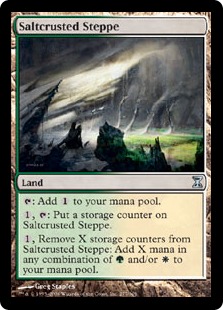
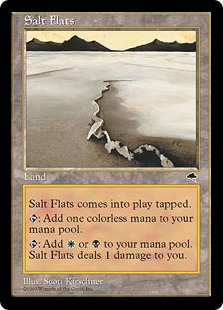
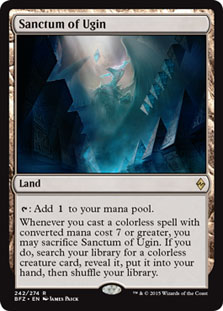
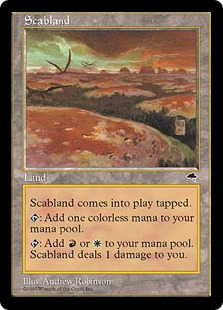
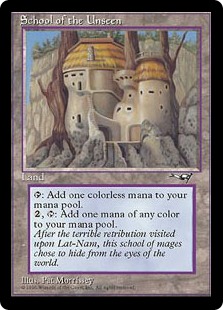
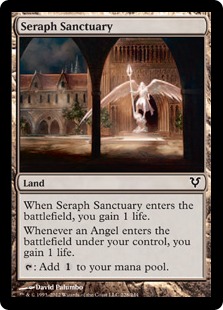
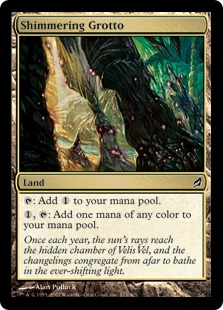
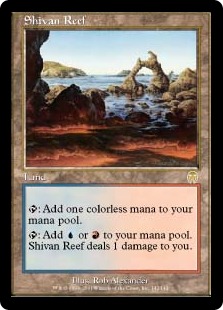
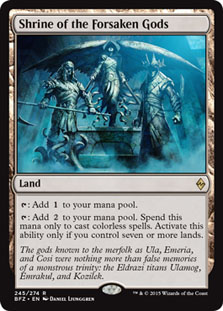
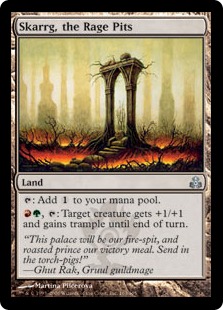
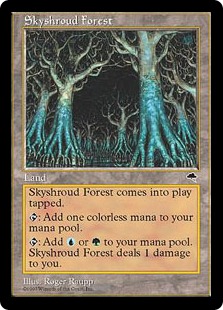
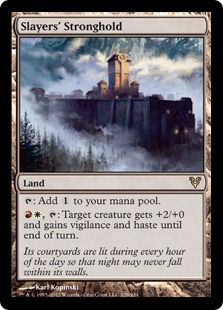
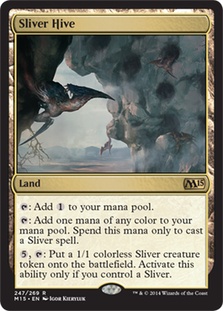
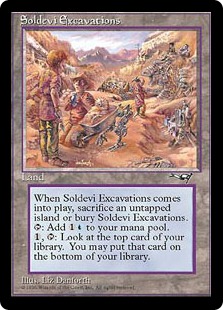
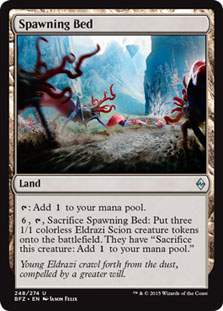
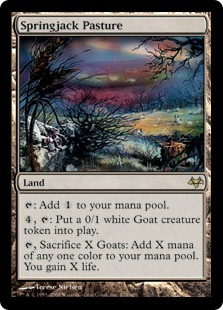
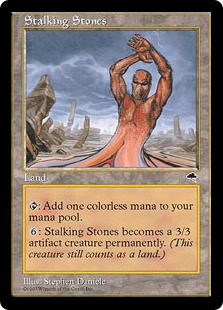
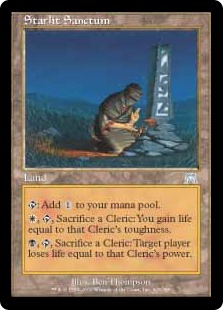
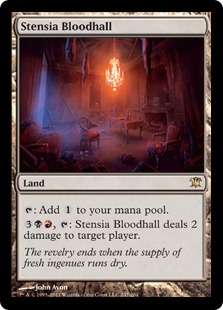
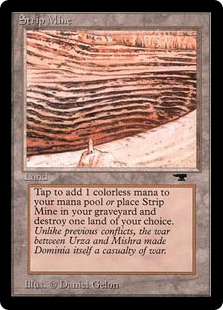
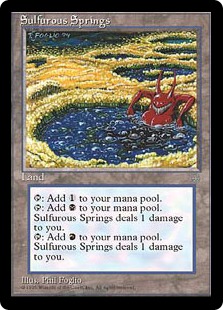
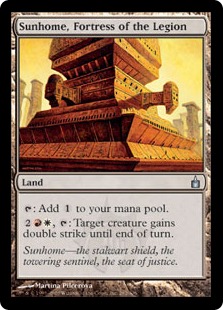
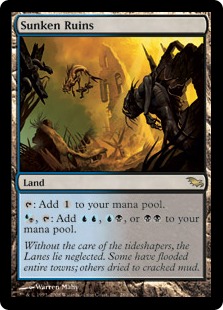
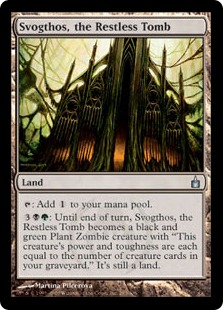
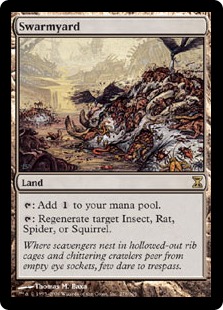
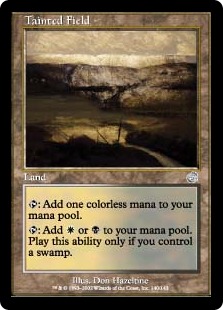
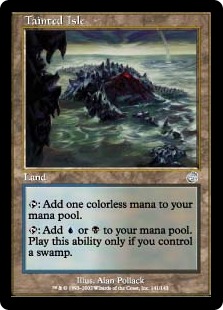
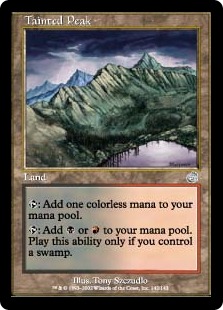
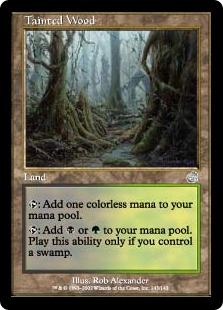
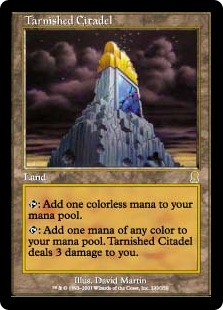
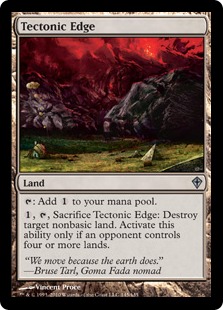
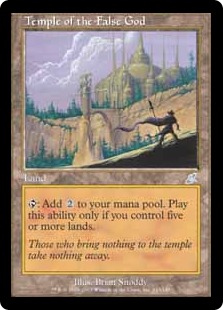
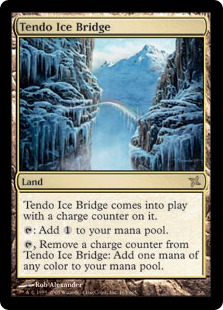
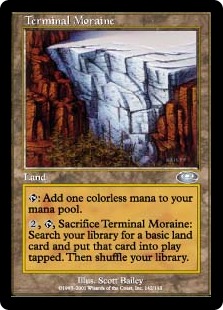
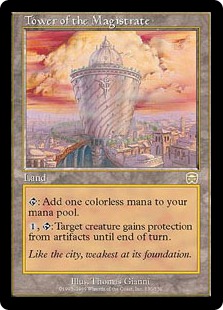
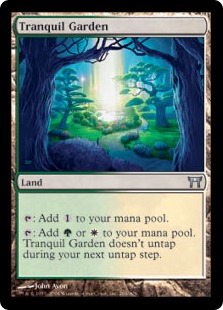
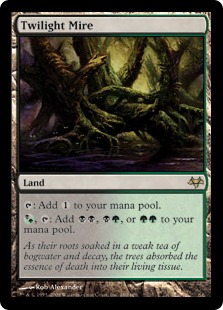
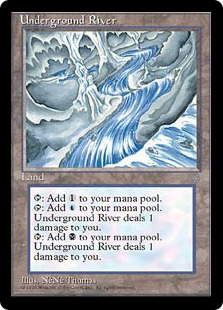
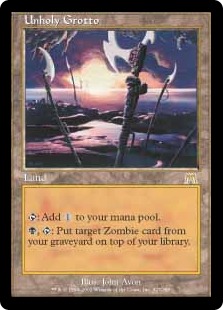
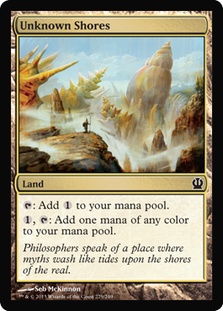
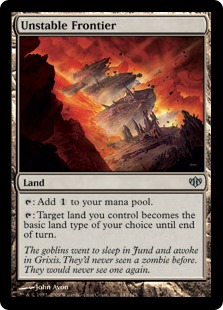
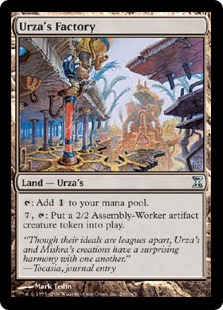
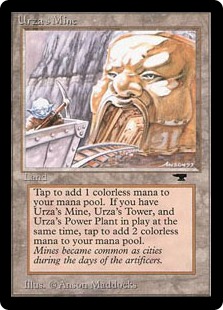
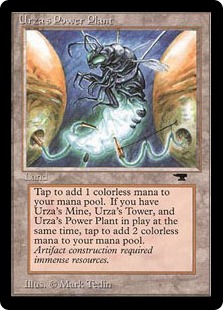
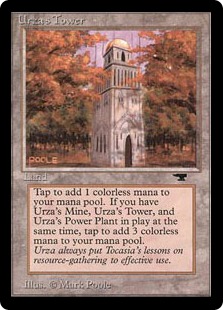
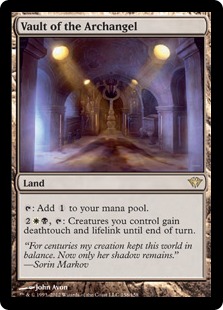
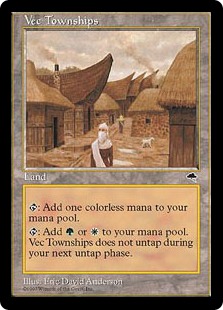
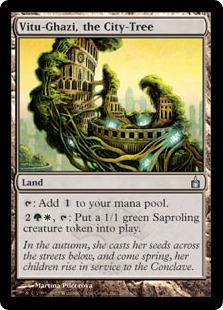
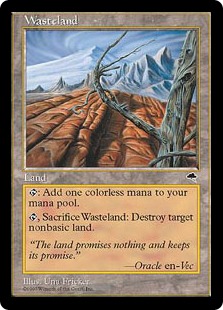
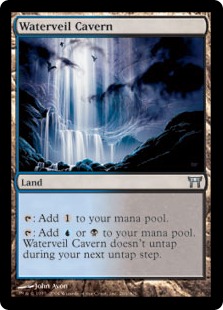
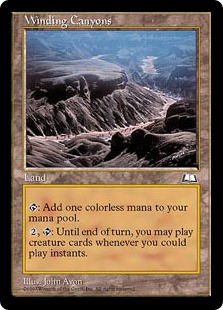
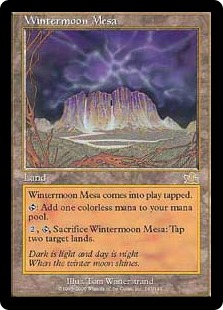
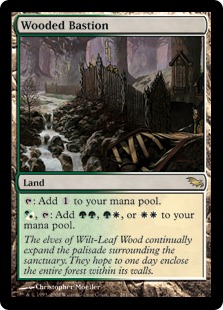
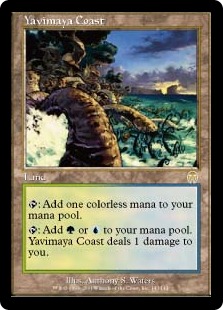
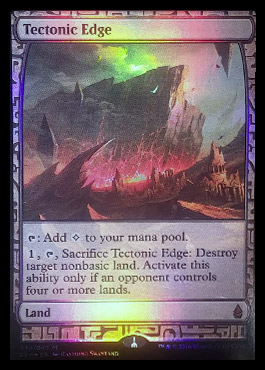
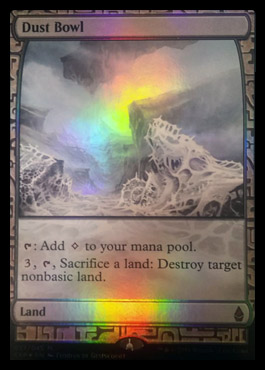
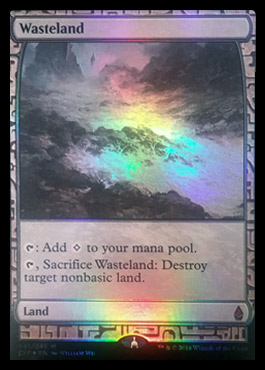
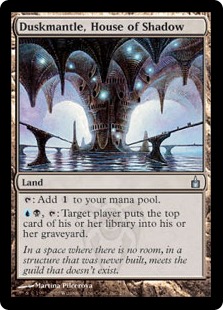
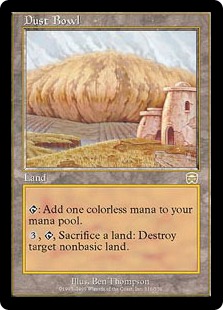
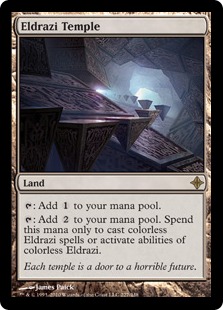
ZoeticCavern AdarkarWastes AlchemistsRefuge AllyEncampment AncientTomb AnHavvaTownship ArcaneLighthouse ArchaeologicalDig AysenAbbey BantPanorama BattlefieldForge BlastedLandscape BlightedCataract BlightedFen BlightedGorge BlightedSteppe BlightedWoodland BlinkmothNexus BlinkmothWell Brushland BuriedRuin CalciformPools CalderaLake CascadeBluffs CastleSengir CathedralOfWar CavernOfSouls CavesOfKoilos CinderMarsh CityOfShadows CityOfTraitors CloudcrestLake Cloudpost CommandBeacon ContestedCliffs ContestedWarZone CoralAtoll CrucibleOfTheSpiritDragon CrystalQuarry CrystalVein DaruEncampment Desert DesertedTemple DesolateLighthouse DormantVolcano DreadshipReef DreadStatuary DuskmantleHouseOfShadow DustBowl EldraziTemple ElephantGraveyard EncroachingWastes EsperPanorama Everglades FetidHeath FireLitThicket FloodedGrove FoundryOfTheConsuls FungalReaches GargoyleCastle GavonyTownship GhostQuarter GhostTown Glimmerpost GoblinBurrows GrandColiseum GravenCairns GriffinCanyon GrimBackwoods GrixisPanorama GroveOfTheBurnwillows GroveOfTheGuardian HauntedFengraf HavenOfTheSpiritDragon HellionCrucible HengeOfRamos HighMarket HomewardPath InkmothNexus JundPanorama JungleBasin Karoo KarplusanForest KessigWolfRun KoskunKeep KrosanVerge LanternLitGraveyard LibraryOfAlexandria LlanowarWastes MageRingNetwork MazeOfShadows MazesEnd MirrodinsCore MishrasFactoryAutumn MishrasWorkshop MoggHollows MoltenSlagheap MoorlandHaunt Mutavault MyriadLandscape MysticGate MystifyingMaze NantukoMonastery NayaPanorama NephaliaDrownyard NimbusMaze NivixAerieOfTheFiremind NovijenHeartOfProgress OpalPalace OrzhovaTheChurchOfDeals PetrifiedField PhyrexiasCore PineBarrens PinecrestRidge PrahvSpiresOfOrder PrimalBeyond Quicksand RadiantFountain ReliquaryTower RiftstonePortal RiptideLaboratory RishadanPort RixMaadiDungeonPalace RoguesPassage RootwaterDepths RuggedPrairie SaltcrustedSteppe SaltFlats SanctumOfUgin Scabland SchoolOfTheUnseen ScorchedRuins SeasideHaven SeraphSanctuary ShelteredValley ShimmeringGrotto ShivanReef ShrineOfTheForsakenGods SkarrgTheRagePits SkyshroudForest SlayersStronghold SliverHive SoldeviExcavations SpawningBed SpringjackPasture StalkingStones StarlitSanctum StensiaBloodhall StripMineNoSkyTower SulfurousSprings SunhomeFortressOfTheLegion SunkenRuins SvogthosTheRestlessTomb Swarmyard TaintedField TaintedIsle TaintedPeak TaintedWood TarnishedCitadel TectonicEdge TempleOfTheFalseGod TendoIceBridge TerminalMoraine TerrainGenerator ThalakosLowlands ThespiansStage TombOfTheSpiritDragon TowerOfTheMagistrate TranquilGarden TwilightMire UndergroundRiver UnholyGrotto UnknownShores UnstableFrontier UrzasFactory UrzasMineMouth UrzasPowerPlantBug UrzasTowerForest VaultOfTheArchangel VecTownships VituGhaziTheCityTree Wasteland WaterveilCavern WindingCanyons WintermoonMesa WirewoodLodge WizardsSchool WoodedBastion YavimayaCoast

That's every single land I could find that produces specifically colorless mana in one way or another. I did mention quite a few of these in my previous article as many are Modern-legal.

Many of these have additional abilities that tap for colored mana. While this is desirable in Modern, it can actually be a hindrance to a card's adoption in Commander, as we're limited by our commander's color identity. Thus to put any of these lands in our deck, their colored abilities must line up with the colors of our general.

This is relevant because while some of the new Eldrazi might fit well into existing archetypes, the biggest catalyst for Commander speculation is when a new commander comes out that makes a bunch of cards much better. This happened to extra attack phase cards with Narset, Enlightened Master, and Wheel of Fortune-style cards with Nekusar, the Mindrazer.

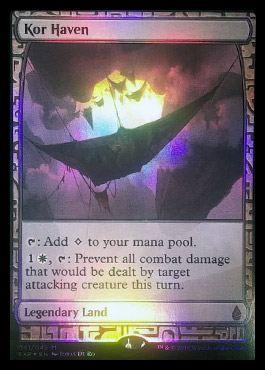
Keeping this in mind, many of the lands listed above become less appealing as spec options. Kozilek, the Great Distortion is the most powerful and exciting of the new Eldrazi cards, and he's (surprise, surprise) colorless. That's the first commander enthusiasts of the format will be building around on the day Oath releases. The lands they'll need to make up the mana base are the "true colorless" ones, so I'll be focusing on those.

Opportunities

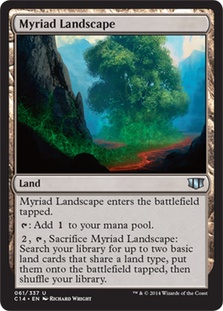
Myriad Landscape - This is another Commander 2014-only card that appeared in the less popular "Sworn to Darkness," "Peer Through Time," and "Guided by Nature" decks. The big catch with this particular card is that it also searches for basics...like the new Wastes, which can help power out our new colorless commander.

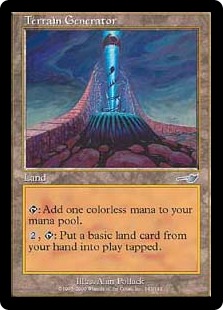
Terrain Generator - This was originally printed in Nemesis, and we already discussed how poor Masques block was from a sales standpoint. It did get reprinted in the Duel Deck Jace vs. Chandra (and again in the anthology reprinting), but neither of those print runs was particularly large. So the number of available copies is likely far lower than you might think.

The ability to put additional lands into play every turn is nothing to sneeze at, and being completely colorless allows non-green decks a way to ramp (as long as they have additional lands in hand). This will let players put Wastes into play from their hand to power Kozilek out faster.

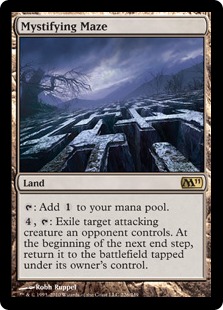
Mystifying Maze - Printed pre-Innistrad (before one of the biggest explosions in the playerbase and therefore in print runs as well), this throwback to Maze of Ith actually plays very well in Commander. Sadly you can't target your own creatures to re-use enters-the-battlefield abilities, but you can use it politically to assist allies to re-trigger theirs.

Coming from a core set, we can assume there are fewer copies of this floating around out there compared to the block sets from the same era (Scars of Mirrodin for those interested.)

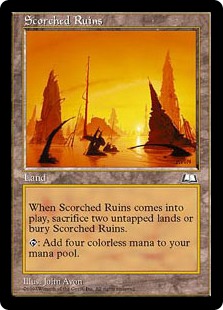
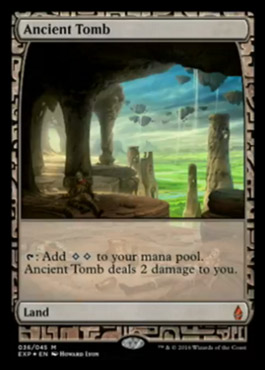
Scorched Ruins - This might be our biggest breakout star on the list. It's a single-print rare from Weatherlight printed in 1997 that can jump your mana production, à la Ancient Tomb or City of Traitors. While the cost is steep (sacrificing two untapped lands), this type of effect is hard to come by and borders on broken.

The current price tag is relatively low (sub-$3 as of this writing). I picked up two for myself after researching this article just in case.

Winding Canyons - This card was on Sigmund Ausfresser's old spec list from back in 2014 and since then it's actually done quite well. I remember picking them up in the $2-3 range and now they are sitting at $7-8.

As anyone who has played against Prophet of Kruphix can tell you, the flash ability here is very powerful. Being able to cast your colorless general at instant speed (especially this new Kozilek, who can then refill your hand) will likely lead to some epic games.

While this card has already moved upward once, it's a single-print rare on the Reserved List (again dating to 1997), so the ceiling is much higher than for many other speculation targets.

Legacy

By listing all of the cards available in Commander, we've conveniently covered everything that's an option for Legacy as well. The challenge in that format, of course, is a much higher bar for playables to make the grade. As a 99-card singleton format, there's simply more room in Commander decks for the second, third, and fourth best versions of a given effect---in Legacy not so much.

While I love the new Kozilek for Modern and Commander, I don't think he cuts it in Legacy. The biggest benefit of the previous Eldrazi titans was the stupidly broken annihilator mechanic. Kozilek's best attribute (the card draw) requires you cast him, which isn't likely to happen in Legacy outside of the specific interaction with Omniscience.

The ability to pitch cards to counter spells is still extremely strong---but as someone who has played a good bit of Legacy, I'd rather be staring across the table at him than Emrakul, the Aeons Torn any day. He's just not likely to find a home unless some deck that's already maxed out on 4x Emrakul is interested in more Eldrazi.

To make matters worse, on the card drawing front Kozilek still has to compete with Griselbrand. Big Daddy Griz is still king of that hill, since his ability can be used repeatedly and at instant speed.

Depending what else gets spoiled in Oath, we may yet see something with <> mana that could make a splash in Legacy. That's something to look out for, as if any of the rarer cards mentioned in this article suddenly become real staples, their ceiling could be pretty absurd.

Bloody Humans: 15th at SCG Vegas

Are you a Quiet Speculation member?

If not, now is a perfect time to join up! Our powerful tools, breaking-news analysis, and exclusive Discord channel will make sure you stay up to date and ahead of the curve.

Hello Modern Nexus! I'm Peter Niemeier and I'm here to talk about the aggressive, red prison deck I designed and piloted to a 15th place finish in the StarCityGames Modern Classic event in Las Vegas on December 13th. I had never played Modern before and the first game of Round 1 during SCG Las Vegas ended up being the first time I had ever experienced the format. I hadn't even been aware of similar red prison lists until after the event (like Ryan Hipp's 11th place build at my same event).
Prophetic Flamespeaker art

Today's tournament report is going to feature the deck's background, card choices, and a rundown of my performance at SCG Las Vegas. Bloody Humans is a strong deck for Modern and I hope you enjoy the report and try out the strategy!

[wp_ad_camp_1]

Prison Life

Revised was in print when I started playing Magic, so goofy combos and sadistic control decks really spoke to me. If you asked me in 1994 what my favorite cards were, I'd Winter Orbprobably rattle off Winter Orb, Icy Manipulator, and Stasis. Yeah, I'm that guy. I eventually started playing Legacy and began focusing on competitive Magic in the days when Mystic Enforcer and Exalted Angel were amazing creatures. I'm still doing the Legacy thing, playing both Dragon Stompy and Sylvan Plug. Obviously, I enjoy prison elements and mana-denial strategies. Because meta decks are also my cup of tea, I wondered if a Dragon Stompy type of deck could be effective in Modern. Although Blood Moon has a clear presence in Modern, from what I understood it wasn't typically expected in game one, let alone on the first or second turn. I set out to create a deck that could do this as reliably as possible without holding dead cards once the Moon effect had been powered out.
Deckstats.net is an incredible tool for creating and fine-tuning a deck, and was how I finalized my list for the SCG Classic. After popping in the pieces that seemed like they would belong in a Modern-legal version of Dragon Stompy, I studied the probabilities of both having the necessary cards in an opening hand and the frequency with which the deck can cast a Moon effect on turn one or two. A solid opening hand also has a couple of lands, as well as threats or protection in the form of cards like Chalice of the Void. Sometimes the extra pressure you're looking for is a Sword of War and Peace for your Magus of the Moon, a Prophetic Flamespeaker to dig through the deck for added threats and land drops, or a Kargan Dragonlord which can easily be leveled up and close out the game.

Blood in Your Hands

Since you're really looking to resolve a Moon effect before turn three, let's take a gander at openers which enable these lines of play:

On the play or draw:
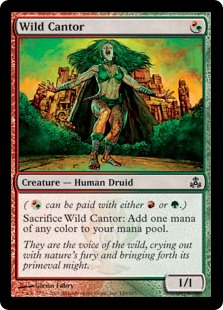
  • Wild CantorYou play a land, get red from a Simian Spirit Guide, and then cast a ritual.
  • You play a land and a Wild Cantor. Next turn you sacrifice it for mana and play your second land.
  • You play a land and then cast a ritual on your following turn after your next land drop.
  • You play a land and then get red from a Simian Spirit Guide on your following turn after your next land drop.

On the Draw:

  • Begin the game with Gemstone Caverns in play, put a second land into play and then cast a ritual.
  • Begin the game with Gemstone Caverns in play, make a land drop on turn one, get red from a Spirit Guide.
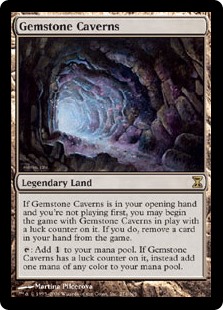
Gemstone CavernsCaverns requires you to exile a card so always choose a second ritual first. You shouldn't need more than one. That second ritual will usually only be fuel for Kargan Dragonlord or an early Koth of the Hammer, and Caverns should do that job for you. Redundant Swords, Gemstones, Moons, Chalices, threats, and excessive lands are also fair exile bait.

I strongly suggest you mulligan for either a Blood Moon or a Magus of the Moon if they are not in your starting hand. Being comfortable mulliganing down to six or even five will come with practice; have faith that the list was constructed to provide consistent hands even if you have had to mulligan. The new scry rule helps tremendously here and we do not run fetchlands. If you don't want to risk mulling to four, consider the strength of your threats and if you can protect them with Chalice of the Void. I kept a Microsoft Excel spreadsheet open which I used to track what cards were in randomly generated sample hands. Sometimes there were too many mana sources and not much to do after casting Moon. Other times, there were too many threats, which felt too slow and unimpressive. I needed to find a balance where the deck was reliable enough to execute its primary strategy while also being able to follow up with a good clock.

Hundreds of hands later, I settled on this:

Bloody Humans, by Peter Niemeier (15th, SCG Las Vegas 12/2015)

Creatures

4 Magus of the Moon
4 Prophetic Flamespeaker
4 Wild Cantor
4 Simian Spirit Guide
4 Kargan Dragonlord

Artifacts

4 Chalice of the Void
2 Sword of War and Peace

Enchantments

4 Blood Moon

Instants

4 Desperate Ritual
3 Pyretic Ritual

Planeswalkers

2 Koth of the Hammer

Lands

13 Mountain
4 Cavern of Souls
4 Gemstone Caverns

Sideboard

3 Damping Matrix
2 Trinisphere
3 Shattering Spree
3 Pyroclasm
2 Ratchet Bomb
2 Relic of Progenitus

The deck is fairly linear. Lock pieces come out and then threats beat up the opponent before they can stabilize. We want to punish players for not fetching properly and to make them aware of how dangerous it is to play with greedy manabases full of nonbasics.

If you've never played a deck like this before, it's generally good form to cast a Blood Moon prior to a Magus if you're holding both because the Wizard is much more vulnerable. For example, a player who is able to fetch for white in response can float the white mana and cast Path to Exile after Magus resolves. Ideally, your opponent doesn't see your Moon effect coming and they've already made a poor choice regarding their land drop. Catching your opponent with their pants down can often set you so many turns ahead that they are unlikely to recover. Factor in poor draws, and the Moon effects are sometimes a one card win condition. The Human Wizard version even provides a clock on his own!

Clock...

It should be noted that every Creature card is a Human. Naming the creature type for Cavern of Souls is self-explanatory.

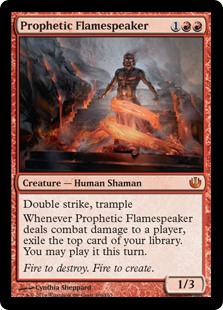
Magus of the Moon has a little body, as does his friend Prophetic Flamespeaker. Regardless, these threats can win after a few turns Prophetic Flamespeakerof connecting, and they are themselves easily cast under a Moon. Flamespeaker will quickly cause the game to snowball in your favor. His card advantage cannot be understated and, simply put, the Prophet is bonkers. Sword of War and Peace is often overlooked and for good reason: its payoff is dependent on cards staying in both players' hands which is unlikely in Modern. That said, consider this deck's game plan. Since your opponent will generally have a grip full of cards, the Sword trigger, combined with the larger body of the attacker, will usually end the game in one or two turns. It's not uncommon to cast and equip it on the same turn by going all-in and chaining rituals. An unmolested Flamespeaker wielding the Sword will generally win the game immediately. As an added bonus, Sword also grants protection from two of the most important creature removal colors in Magic.
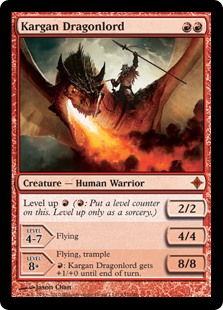
Kargan DragonlordKargan Dragonlord becomes an 8/8 fire-breathing monster surprisingly quickly when you feed it rituals and Simian Spirit Guides. He puts our mana to use when there is nothing else to do and is a fantastic clock on his own, even if he only grows up to be a 4/4. Oh, he can carry the Sword too. Koth of the Hammer tops out the curve, and you're only happy to see two if you can exile one to make your Gemstone Caverns lucky. The planeswalker pushes through that last bit of damage, levels up Kargan Dragonlord randomly, and, if for some reason there is a late game, he can allow your Mountains to ping for the kill. Don't forget that, when the situation calls for it, you can even beat with Wild Cantors and Simian Spirit Guides.

...Lock...

Moons are your most crippling lock pieces, but sometimes it's the Chalice of the Void that saves the day. It protects your threats from Path and Lightning Bolt, but we all know it does so much more. It hurts auras (Bogles), combo (Infect, Storm), and can flat-out blank many cards in your opponents deck. With the acceleration package, it's extremely easy and advisable to set this to one counter as soon as possible. If you're missing the Moon, it's often wise to resolve this prior to sticking a Magus. After boarding, it's possible to bring in Trinisphere to slow the game down further.

...And a Smoking Sideboard
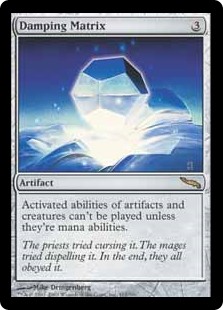
Damping MatrixTwin should fear the Damping Matrix. We need an answer for Twin and Rending Volley is far too narrow for my taste. Matrix is also very easy to cast in time, must be dealt with before they can go off, and comes down preemptively.  Incidentally, it also shuts down Arcbound Ravager, Steel Overseer, sometimes prevents pumping by Affinity's manlands, and deactivates other randomness like Tasigur, the Golden Fang's card advantage. The anti-synergy with Kargan Dragonlord and Sword is a shame but a necessary evil, although I might reconsider this in the future.

Trinisphere, as stated, slows the game down further and is particularly painful for Burn, combo decks, and Zoo when compounded with Chalice and Moons.
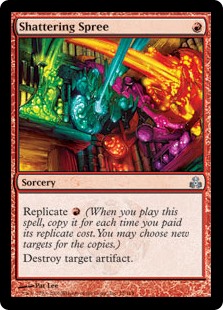
Shattering SpreeShattering Spree is, without question, one of the best weapons there is against Affinity. Shatterstorm was a consideration but it was discarded as being too slow as sometimes there is no acceleration and a ritual only bumps us up one mana. With Spree, we hit the targets that matter cheaply. Bonus points for replicate copies being put directly on the stack which means only the original is countered if Chalice is on one!

Pyroclasm kills our team but handles swarms nicely and sometimes you have a Sword equipped. There's room to possibly use other red sweepers instead such as Anger of the Gods, but I didn't test them.

Ratchet Bomb is used to wipe the board of annoying one drops and zero-cost permanents. Affinity, Infect, Bogles, and Burn come to mind.

Relic of Progenitus is there for Snapcaster Mage shenanigans, shutting down delve, messing with Tarmogoyf, and anything else graveyard related.

The Event

Round 1: A.E. Marling's Slivers (2-1)
Manaweft SliverGame 1

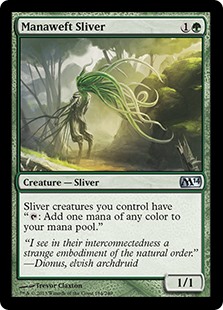
He resolves a Manaweft Sliver early. I am able to power out a Magus and a Sword. Surprisingly, he's still having issues casting his cards and concedes to conceal information before he has to discard down to seven.

I figure Pyroclasms might be good and swap out the Koths and a ritual for them.

Game 2

Although I get a Moon out fast, he is able to run me over extremely quickly with Sedge Sliver doing the lion's share of the damage.

Game 3

There's no way for me to cast Blood Moon on turn one but figure I'll be okay dropping it on turn two. Naturally, he Thoughtsiezes and takes the Moon away. Naturally again, I topdeck a Magus of the Moon and the game ends shortly afterwards.

In hindsight, I should have brought in Ratchet Bombs. Aether Vials are a major concern since they ignore Moon effects and many of the Slivers share low casting costs so it may net you an X for 1. These will come in for future matches. Molten Rain might also find its way into the board to deal with key lands.

Round 2: Daniel Hendrickson's Affinity (0-2)

Game 1

I'm not thrilled to already be facing Affinity in round two as I think this is a terrible match up for me. It's not a good feeling to just hope you dodge certain matchups but I feel pretty confident about the rest of the meta.

He immediately goes to town with Vault Skirge, Ornithopter, and Signal Pests. I made his Inkmoth a Mountain but the game was over faster that it took us to shuffle thanks to an early Cranial Plating.

I side in everything except for a Pyroclasm and the two Relic of Progenitus.

Game 2

I think I'm smart by dropping a Chalice of the Void for zero to shut off the Mox Opals and similar cards. I also get an early win by resolving a Magus, making his Inkmoth sad. A few turns later, I think I'm going to get the win when I get the Sword of War and Peace on the Magus after connecting for a couple of turns with Prophetic Flamespeaker.
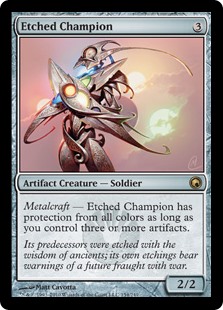
Etched ChampionThen out comes Etched Champion to block all day every day.

Daniel ends up with a board state consisting of the Inkmoth Nexus, two Etched Champions, Arcbound Ravager and Steel Overseer. I have a Ratchet Bomb on three, Kargan Dragonlord who is 2/2 due to Damping Matrix (which is saving me from his Ravager and Overseer), the Magus with the Sword, and my Flamespeaker. I'm also holding Pyroclasm.

Instead of thinking up better plays, I pop the Bomb. Everything disintegrates after that and I know a) I probably made a bad misplay and b) the game is over. I feel like I could have played it better with the Pyroclasm and Sword of War and Peace being moved over to the Kargan Dragonlord. But I can't actually move the Sword because of Matrix, so maybe this one wast just over anyway.

All in all, Moons are pretty bad against Affinity, so this is a matchup that will be challenging. Mulligan hard for Shattering Spree and dropping Chalice of the Void for zero as soon as possible. Going second often means Chalice is too late. Try to deploy a Damping Matrix to keep Ravager and Overseer small, and to shut down Platings, before nuking the board with Pyroclasm.

Round 3: Jimmy Brady's Ad Nauseam (2-0)

Game 1

I resolve a Magus of the Moon and lay down the sweet two-power beats. Chalice of the Void keeps him locked.

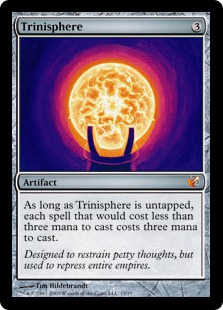
For Game 2, I swap Koths for Trinisphere.
TrinisphereGame 2

Same thing as Game 1, but this time he casts Phyrexian Unlife. He concedes after trying to wipe the Blood Moon from the board with Patrician's Scorn. Oops.

Trinisphere is really all that is needed out of the board. With Ad Nauseam's greedy manabase, just stick to the gameplan of Mooning them out. You'll also want to make things difficult with the Trinisphere. Consider you will likely be targeted by discard effects too, so i also advise you to keep doubles of Chalices or Moons.

Round 4: Justin Parente's Abzan (2-0)

Game 1

I play many early Moons and he concedes in short order.

The maindeck is built to attack decks like this so I just stick to the initial plan and pretend to sideboard. Pyroclasm is too weak to deal with anything outside of the largely irrelevant Lingering Souls.
Chalice of the VoidGame 2

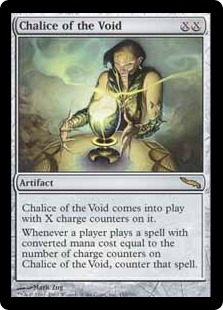
He fetches for a Plains with plans to Path a Magus, but I resolve a Chalice on one prior to resolving the Wizard. The game doesn't go much longer than that.

I will bring in Ratchet Bomb in the future to hit two-drops, blow up Spirit tokens, or perhaps even tick them up to explode Siege Rhinos. Again, be wary of discard and look for Moons. You'll be trying to race Tarmogoyf so become the aggro deck and get Dragonlord in the air as soon as possible.

Round 5: Zachary Sommer's Valakut (2-0)

Game 1

I get Sword of War and Peace on a Magus that was himself resolved very early. Zach never had a chance.

I sideboard in copes of Relic of Progenitus to address Snapcaster. Koth comes out.
Blood MoonGame 2

The game goes long and we end up with him holding two cards, a Tasigur, the Golden Fang in play, and a life total at 3. He's facing down Prophetic Flamespeaker holding the Sword. Tasigur's butt isn't big enough. When Zach blocks the Flamespeaker, one damage tramples over the 4/5 and triggers the Sword for the win.

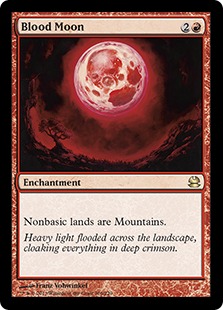
Scapeshift is very weak to an early Blood Moon. Stay on-plan and resolve them as early as possible. Not all Scapeshift lists sneak in Tasigur for Games 2-3, but you might encounter something like Thragtusk instead. Whatever the creature, fly over blockers and punish hard with counterattacks. If the Scapeshift player does get basics, beware of Izzet Charm when trying to cast Moon. Resolve multiple Moons so they're still locked down if they try to bounce or remove one.

Round 6: Eddie Davenport's One Drop Zoo (2-0)

Game 1

I go second and get a first turn Moon, not realizing how good this opening is in the matchup.

He gets me dangerously low with a first turn Monastery Swiftspear followed by a Grim Lavamancer and a lot of burn. Eventually he tries to close by adding a Goblin Guide to the team. It's all for naught as I ignore his blockers with a massive swing off the red-protected, Sword-bearing Flamespeaker. The equipment probably won the game on its own, as it is very likely I was dead the following turn.

I bring in some Pyroclasms, Trinispheres, and Ratchet Bombs.

Game 2
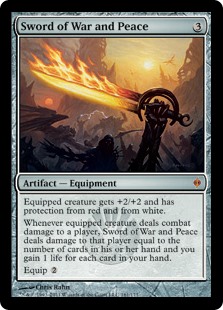
Sword of War and PeaceHe drops a Wild Nacatl and I power out a Chalice at one on my first turn. He joins his opening Forest with a followup Plains and starts beating me for two (then three) every turn with the Cat. It's a very close game and I'm afraid I'm within range of some kind of burn spell like Rift Bolt. Thankfully, Dragonlord is there to close. I chump his Nacatl before swinging in with an 8/8 Kargan equipped with Sword of War and Peace, hitting for lethal. I had just topdecked a Guide and had exactly enough mana to level him to eight for the win.

This is a tighter matchup than Eddie made it out to be. Without Chalice of the Void, I was within burn range. Chalices in your opening hand should almost never be mulled away. Sadly, Wild Nacatl can control the early game so try to keep it weak with Moon and start racing.

Round 7: Reginald Kimmich's Affinity (0-2)

Game 1

Here we go again. I concede when he shows me Cranial Plating after doing a few damage with Signal Pests and Ornithopter.

I go with the same sideboard plan as Round 2.

Shattering SpreeGame 2

I stop his Inkmoth with a Moon and, without thinking, set a Chalice to one instead of zero. Too much Legacy! Within moments, it turns out not to matter as he's beating me with an Ensoul Artifact on Vault Skirge. Next comes an Overseer and a Master of Etherium. Since I have a chalice on one counter, I can only replicate Shattering Spree twice. I take out the Overseer and the Skirge, but Reginald still has lethal next turn with the Master, Signal Pest, and some Nexus pumps.

Reginald is a very tight player and I commend him on his 2nd place finish. If you find yourself up against Affinity, it's critical to blow things up with Ratchet Bombs and land Chalices on zero. Sandbag removal so that you can deal with the aftermath of Ravager distributing counters. Etched Champion is a huge problem, and Bombing for three doesn't really solve it, as it wipes our board as well.

Round 8: Rob Pisano's Amulet Bloom (2-0)

Game 1

He's very upset that I want to play the match. It's moments like this where you must keep a cool head and focus on playing the game, which can be hard when opponents choose to make things uncomfortable.

Game 1 starts and I land a Magus of the Moon right away. He concedes a turn or two laer.

I don't really know what to expect, but I know this is a great matchup for me. I end up not sideboarding at all, although in the future, Ratchet Bomb and/or Shattering Spree will come in to quickly take out Amulet of Vigor.

Game 2

I get busy with Magus of the Moon and a Prophetic Flamespeaker. Flamespeaker's virtual card draw digs me up a Koth. Rob is stuck on the Moon effect, and packs it up after I get Koth to five loyalty

Again, this is a good matchup and is exactly the kind of deck I designed Bloody Humans to prey upon. Mulligan for Moon effects. Save duplicates in the event the Bloom player is able to remove any with Seal of Primordium. With that said, it can be safe to resolve multiples so that they do not regain access to their colored mana after casting their removal.

Next Steps for All In Red strategies

I could only do so much research. Late in the rounds I saw a few copies of Worship which made me wonder if I need to consider developing an answer for permanents of this caliber or if I just proceed with the gameplan of mana denial and ending the game before they can resolve it. I also made some play mistakes which I'd hope to iron out in a later tournament run.
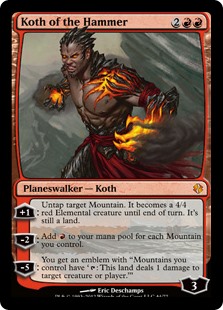
Koth of the HammerIn terms of the maindeck, I only cast Koth once. This is disappointing, because I really like the card a lot for how aggressive it is. That said, it clearly wasn't needed. I don't want to deviate from the deck's gameplan, but a couple of removal spells or another lock piece might be better than the cool planeswalker. Maybe I can use those slots to improve my Affinity matchup or to strengthen my game against the rest of the field even more. Perhaps stick in Molten Rain. There's a lot of room for improvement and I'm excited to see where the deck goes.

Thanks for reading! Hope you enjoyed the deck and I look forward to seeing more Moon abuse in Modern!

Kind regards,
Peter

Insider: 7 BFZ Singles to Ask Santa For

Are you a Quiet Speculation member?

If not, now is a perfect time to join up! Our powerful tools, breaking-news analysis, and exclusive Discord channel will make sure you stay up to date and ahead of the curve.

'Tis the season. With Christmas only a few days away it seems everybody is obsessed with getting good deals and finding secret value wherever possible. With all the gifting, celebrating, and traveling going on during the holiday season it's no surprise that finding a better deal is on a lot of people's minds.
Sometimes the unexpected deal can come from a surprising place. With all the presents and holiday festivities people need to shell out for this time of year, Magic singles prices have dipped pretty sharply. In particular, we notice Standard singles have taken a bit of a beating, as many people would rather invest their time and money in holiday-related activities (and Star Wars, which was great!).
My strategy for Magic investing has always been to get my dollars in when things are bottoming out. It doesn't make sense to buy things that are already in high demand and hope the hype train will continue driving down the tracks to dollarville forever. The key for me has always been to invest in things people don't covet highly right now, but which have a high probability of increased demand in the near future.

It's also a simple truth that good or flashy cards will always have a place at the kitchen table. One could do much worse than assume that wildly powerful Eldrazi monster cards will continue to be coveted by casual players for years to come!
In today's article I'll make a short list of cards from Battle for Zendikar (BFZ) I believe have dropped below what they ought to be worth. Generally, I think these cards are undervalued compared to their overall play value, and depending on what lies in store with Oath of the Gatewatch (OGW), are well situated to see big increases in demand.

In many cases, changes in the Standard metagame won't necessarily be required in order for these singles to gain value.
Ulamog, the Ceaseless Hunger

There was an error retrieving a chart for Ulamog, the Ceaseless Hunger

Ulamog, the Ceaseless Hunger has already proven itself in Standard and commands a reasonably high price tag. However, it's dropped in the past few weeks and I don't see it going much lower before beginning to rebound.

First of all, the card is very good. It will live forever in Modern as a staple win condition in G/R Tron decks. Once a card finds a home in Modern, it usually retains a solid price tag.

Another thing I'd like to note about Ulamog is that it certainly has that kitchen table flashiness going for it. Ulamog is one of the three named Eldrazi characters, alongside Emrakul and Kozilek. The same argument made about planeswalkers like Jace apply to the Eldrazi---it's an Ulamog so it will basically have value forever.

Aside from being a popular casual card and a Modern staple, the card has big time breakout potential in Standard once the new set and the eventual rotation roll around. One of the reasons Eldrazi and ramp strategies haven't been more than a role player in Standard is the overshadowing of BFZ by three potent multicolor Khans sets.

There's a three-to-one advantage for sets that support powerful gold spells like Siege Rhino and Mantis Rider and only one set with Eldrazi stuff going on. Once we get another Eldrazi-themed set into the mix (and eventually when Khans and Fate rotate) the Eldrazi spells and strategies will become a bigger part of Standard.

When ramp becomes a major component of the metagame, the biggest, most powerful finisher gains extra stock. The card that goes the biggest is always highly played, both as the best payoff for ramping, and as a trump in the mirror/control matchup. Ulamog is easily one of the most powerful options available (at least so far---we've not seen an Emrakul yet.)

Just because a card is expensive doesn't mean it isn't near its bottom. In the case of Ulamog, a gigantic, flashy, monster of a mythic, there's little chance of falling much lower than $10. At its current rate I'm willing to trade for extra copies in case it becomes a staple chase rare at some point in the future.

I'm hoping that Santa leaves some Eldrazi in my stocking this year!

Void Winnower

There was an error retrieving a chart for Void Winnower

Speaking of Eldrazi that are certainly better than coal...

Eldrazi are basically the theme of today's article. Their future power level in Standard is hard to assess and there are a lot of them floating around.

In the case of Void Winnower, I'm fairly certain it will have applications not only in Standard, but in Vintage and Legacy. It's certainly a problematic card when cheated into play, eliminating around half of your opponent's spells on the spot! It's also kind of a combo with Oath of Druids in Vintage because it can't be chumped by the spirit tokens made by Forbidden Orchard.

Let's not kid ourselves: a Meddling Mage that targets only your opponent and names half their deck is powerful and unique. It's also a fast clock and difficult to block. All things considered, the power level is here and it's quite disrespected by a $2 price tag.

Void Winnower also has that big splashy melee goodness of a Commander staple because it can cripple multiple opponents at the same time!

Basically, my thoughts on this card is that it's ridiculously undervalued. I'm trading for every copy at the current value I can get my hands on.

Oblivion Sower

There was an error retrieving a chart for Oblivion Sower

Let's not jump off the Eldrazi train just yet...

Oblivion Sower is a great card. In fact, I thought it was the best card in the set the first time I read through the spoiler. It's the type of card I'd want in most of my casual, Commander, or multiplayer decks and one I'd like to find an excuse to play in Standard. It has a huge body, ramps, and creates card advantage. What more can you ask for in a six-drop?

If Eldrazi are a thing after OGW, Sower will likely have a place in that deck, which makes me interested in collecting the card at its current $3-$4 price range. It already saw a spike about a month ago when it bumped up to around $10---this means people have demonstrated a willingness to shell out prices like this.

I also like foils on this card just because of how Commander-friendly it is.

Conduit of Ruin

There was an error retrieving a chart for Conduit of Ruin

So, one last Eldrazi, because what is Zendikar without the Eldrazis?

The Eldrazi are easily the most iconic cards from the original Zendikar block and the main thing people associate with the plane. Yes, some people will say Zendikar equals fetches. I think as time goes on the plane will become less and less associated with the five enemy fetches and remembered more and more as the home of the Eldrazi.

Remember fetches (the allied ones, at least) have now been printed in three different sets. They've also been printed in Duel Decks. The Khans reprint fetches went so far as to put the dragons themselves into the art. The fetches will become a generic part of Magic over time, whereas the Eldrazi will be more unique to Zendikar.

Anyways, Conduit of Ruin... Another good Eldrazi. He does a couple of cool things. He tutors for a follow-up play and helps cast it if they can't kill him first. The card has already seen play in Modern Tron to some success.

In addition it seems pretty great in Commander. At roughly $0.35 it is hard to miss on this card. I feel confident it can't go lower, and there's significant upside.

Undergrowth Champion

There was an error retrieving a chart for Undergrowth Champion

So, I did allude to non-Eldrazi cards on this list and here they come!

Undergrowth Champion is a powerful Magic card and feels like a solid constructed playable, but current Standard is hostile to it right now.

There are simply better options in the three-drop slot because the format so nicely facilitates playing three and four colors via the fetches and Battle lands. I don't anticipate Standard looking that way for much longer. Eventually, there will be constraints on mana that make a 1GG card significantly easier to cast than a WBG one.

It's also significant that Mantis Rider and Anafenza, the Foremost will be leaving Standard at the same time and possibly leaving a space for new three-drops to shine.

Champion was evaluated positively during spoilers and came out of the gates with a steep price tag. At one point they were selling for $30! Now that the card is under $4 it's a great time to pick up copies in hopes that it finds a spot in the future. Same idea here as the other cards---it can't go much lower so the upside clearly outweighs the risk.

Nissa's Renewal

There was an error retrieving a chart for Nissa's Renewal

I was hot on this card when the set first came out, and it has failed to find a place in Standard. However, I have played against the card multiple times in Modern...

I believe there will be a time when this card is part of a premier-level strategy in Standard. It's just really powerful. It facilitates casting Ugin, the Spirit Dragon and Ulamog way ahead of schedule. It also fits in many different Commander decks.

If the card is Commander-good, Modern-good, and likely to be Standard-good, fifty cents seems like a steal. For me, Renewal is a slam dunk speculation pick.

Painful Truths

There was an error retrieving a chart for Painful Truths

Last but certainly not least we have Painful Truths. It's seen a lot of play recently as a draw-three for three mana, which is about the best rate you can find even in Modern.

I've seen this card played in various Jund, Junk, and Grixis builds in Modern and all over the place in basically every Standard deck with access to three colors and black mana (so, all of them...).

It's currently lingering in the $2 range and the card is just way better than that price tag. I could easily see this card hitting $6-$10 in a couple of months. It's in the same tier as Kolaghan's Command as far as utility and raw power are concerned. It is a Modern card and it is all over the place in Standard. It may well be the single most important card in BFZ by the time things are all said and done.

It was one of the breakout cards of the SCG Invitational and now that trend is starting to pick up all over the place.

An actual draw spell in Modern is a big deal because there's so much parity and one-for-oneing, and this spell could go a long way to creating ripples in the format. If you're planning on playing Jund mirrors and all your opponents are packing two or three copies, you almost have to run some yourself. It becomes a kind of card advantage arms race.

I expect after the holidays when more people get back to playing Magic in the long, boring winter months that we're going to see a lot more of this powerful card drawer.

~

Generally speaking BFZ may have been something of a big, fat lump of coal---but that can work to our advantage. Since people think the set sucks they tend to undervalue the good cards, just by association. BFZ looks like it really needs OGW for most of its cards and strategies to shine.

If that is the case, expect BFZ cards that suddenly become good with the new set to see solid gains.

Good luck and Happy Holidays!

Understanding the Turn Four Rule

Are you a Quiet Speculation member?

If not, now is a perfect time to join up! Our powerful tools, breaking-news analysis, and exclusive Discord channel will make sure you stay up to date and ahead of the curve.

The January 18 banlist announcement is now a month and a day away. If you play Modern, there's an excellent chance the inquisitors of the Modern community will scrutinize at least one of your decks. Probably all of them. Since December 1 alone, I've seen serious ban discussion aimed at Burn, URx Twin, BGx Midrange, Affinity, Tron, and Amulet Bloom. As in, all of Modern's current Tier 1 decks. Ban mania has never been more real. Steve Horton wrote a great article for GatheringMagic the other day, summarizing Modern banlist opinions of seven different high-level players. Their consensus? Only that there is virtually zero consensus on what needs to be banned and unbanned in Modern. Such diversified banlist stances rarely arise from metagame statistics or Wizards' past decisions, instead drawing on hyperbole, personal anecdote, and theorycrafting. And in all that discussion, it seems there is no aspect of the Modern banlist more misunderstood and misrepresented than the "turn four rule".

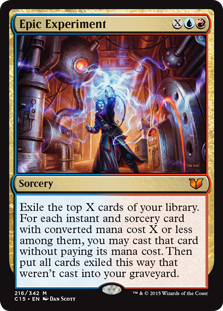
Epic Experiment art

In its most basic form, the turn four rule gives Wizards the opportunity to ban cards that win too fast in Modern. In practice, the rule and its application are much more muddled. Today, I'll try breaking down the turn four rule and its history in past banlist updates. I've touched on the rule before, including in my first banlist prediction on the site, my retrospectives on the 7/18 and 9/28 announcements, and a Q&A-style article during July. In today's piece, however, I'll be focusing exclusively on the turn four criterion, unpacking its definition through metagame analysis and Wizards' language in past updates. Although only R&D knows the exact parameters around the rule (if they can even be described as "exact"!), we can use public information to get the best possible working definition behind the turn four guideline and how this rule could affect future updates.

[wp_ad_camp_1]

Turn Four Rule Basic Definitions

If you're a Modern superfan like me, you probably have the turn four rule memorized. Well, maybe not: this says a little bit more about my priorities than it does about the rule's value. Even so, given its relevance in banlist updates, it's hard to understate the rule's importance. Writers and players certainly mention to it all the time. Unfortunately, they often miss key parts in its wording, referencing general premise but not specific language. In this section, we're going to get on the same page about the rule's exact wording and see where the inconsistencies arise.

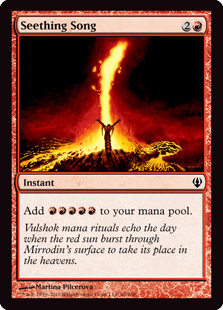
Seething SongWizards outlined the most current version of the turn four rule in their decision to ban Seething Song. In his "January 28, 2013 DCI [B&R] List Announcement", Erik Lauer justified the Bloodbraid Elf banning (a can of Elves for another day) before moving on to Song and the turn four rule:
The DCI's other primary goal for Modern is to not have top tier decks that frequently win on turn three (or earlier).

January 2013 wasn't the first time we'd seen this language. Writing over two years earlier, Lauer used almost identical terms to describe the post-Pro Tour Philadelphia bannings. When Lauer's "Explanation of September 2011 B&R Changes" axed Rite of Flame and Blazing Shoal for their speed, he also invoked the rule:

...the DCI's stated guideline for the Modern format [is] to avoid... having top-tier decks that consistently win on turn three (or earlier).

There's significant overlap in Lauer's two definitions. "Top-tier decks" and "turn three (or earlier)" show up word-for-word in both announcements. 2011's "consistently" morphs into 2013's "frequently", but the underlying meaning remains the same even if the specific adverb doesn't. Together, these two quotes form the canonical turn four rule as we know it.

Or, should I say, as we don't know it. For most Modern authors and players, the turn four rule starts and stops at decks "win[ning] on turn three (or earlier)" clause. They typically ignore the deck's tiering. Are these commentators just ignoring Lauer's statements? Or is something else causing them to misrepresent the rule?

Clearing Up Misconceptions

If you've read past Modern announcements as much as I have, you probably noticed I pasted only an excerpt of Lauer's September 2011 quote to highlight certain language. Here's the paragraph in its entirety, which points squarely at where the turn four rule misconceptions originate (emphasis added):

Before Pro Tour Philadelphia, the DCI's stated guideline for the Modern format was to avoid having decks that consistently win the game on turn three. With the results of the Pro Tour in, we are tweaking that goal to not having top-tier decks that consistently win on turn three (or earlier). We also have the goal of maintaining a diverse format.

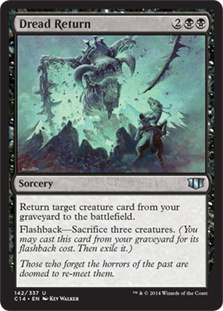
Dread ReturnIt's all starting to come together. The bolded piece refers to the initial phrasing of the turn four rule, which shared the "consistently" and "turn three" elements but made no reference to the "top-tier" qualifier. As Lauer explains, the DCI updated this older rule following Philadelphia, inserting the deck's top-tier status alongside the consistency and speed dimensions. Writing just a month before Lauer's September announcement, Tom LaPille articulated this first definition at the rule in the seminal "Welcome to the Modern World" article while discussing the preemptive banning of cards like Dread Return (emphasis added):
...we have a rule of thumb about Legacy that we don't like consistent turn-two combination decks, but that turn-three combination decks are okay. We modified that rule for Modern by adding a turn to each side: we are going to allow turn-four combination decks, but not decks that consistently win the game on turn three

This bolded section shows us both the birth of the turn four rule, and also where most Moderners get led astray. If you don't read the later releases by Lauer, you have no way of knowing that the oft-cited, seldom-quoted rule eventually came to add the "top-tier" criterion. Given the buzz around Modern's launching article, and the relative drone around adding a qualification to the turn four rule, it's no wonder people forget the updated phrasing.

Going ahead, we need to revise our understanding of this banlist rule to fit its 2011 and 2013 language. After today, I hope all of our readers keep the newer definition in mind, which I'll repeat here to drive the point home:

The DCI's other primary goal for Modern is to not have top tier decks that frequently win on turn three (or earlier).

Three Pieces, One Rule

Now that we have the ruled laid out, we need to isolate its three dimensions and see how each contribute to the rule as a whole. Given both the rule's wording and Wizards' execution of that rule, all three of the rule's criteria must be met for a deck or card to be in violation. If we are to apply the rule, we need to understand each of those components. I'm going to go over these factors in reverse order, starting with the most obvious and ending with the least (which, incidentally, is also the least-remembered). One last note before we start: remember we are only inferring R&D policy from past decisions and actions. It's entirely possible their actual process is different from the one we are reviewing here. Even so, we have a much better chance of understanding the process of we stay in conversation with the evidence and historical precedents.

1. The violating deck must be winning "on turn three (or earlier)"

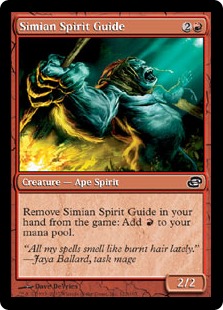
Given the name of the rule itself, this qualification doesn't need much repeating. If a deck is winning at all before turn four, it has already tripped the first step of the turn four Simian Spirit Guiderule. Of course, if you've ever browsed Gatherer for the next broken combo, it takes about two minutes to find some fragile interaction that ends the game in the turns 1-3 range. Who doesn't want to lead a mana dork into turn two Wall of Blood into turn three Rite of Consumption? That doesn't even count the mainstream ways to close a game by turn three, whether in Infect, Amulet Bloom, Affinity, or even Twin decks powered by Simian Spirit Guide.
Given the sheer range of cards that can theoretically win on turn two (we could make a drinking game around ways to take games off Tainted Strike), cards have never been banned for just being part of a hypothetical fast win. As LaPille wrote in his August article, the turn three cutoff originates in Legacy's turn two cutoff, and we know Legacy has even more theoretical turn one wins than Modern. Neither format has a banlist with hundreds of cards, so it's clear there's more at work in this rule than just winning on an early turn.

2. The violating deck must be achieving these wins "consistently/frequently"

Phew. I guess all those Tainted Strike decks are safe after all! Once a deck has been identified as winning before turn four, Wizards also looks to see if the deck is doing so consistently. This is the first area where the turn four rule takes a dive from objective, measurable clarity (the hard numbers of "turn three or earlier"), to subjective, open-ended rhetoric. What exactly qualifies as consistent? Winning too fast in 10% of games? 25%? 33%? And how does Wizards even calculate consistency in deciding on bans?

Let's start with the calculation question. It's critical to understand Wizards' measures of consistency are not derived from solitaire, goldfish games. Win-turn frequency comes out of real games against actual opponents. We have two pieces of evidence for this. First, in the January 2013 update, Lauer states why Storm was targeted for banning: "Looking at the results of games, turn-three wins are frequent for Storm..." The "results of games" reference clearly suggests actual games with measurable results, likely on MTGO where such data would be easily amassed. Second, and far more explicitly, Aaron Forsythe tweeted this statement right after Song got axed:

These pieces of evidence overwhelmingly point to Wizards using win-turn percentages in actual games, not goldfish simulations, to determine a deck's consistency.

This still doesn't answer questions about the numeric cutoff itself. Is there a turn 1-3 win percentage that, if exceeded, leads to immediate ban scrutiny? If so, what is the breaking point? Unfortunately, Wizards doesn't release these numbers, probably for similar reasons to why they stopped publishing all the MTGO Daily results years ago: it leads to easily solved formats. It also leads to extensive backseat driving by a community that might already be too vocal. That said, it might be possible to approximate this cutoff by assessing the percentage of games where pre-2013 Storm won on turn three or earlier.

We can make a rough estimate using feature match narratives from all events where this deck saw play. We'll use both Epic and Ascension Storm numbers for our math: as Epic ExperimentStorm pilots Matthias Hunt and Kyle Stoll explained, Epic Storm is faster than the Ascension version. This lets's us leverage both Ascension and Epic Storm numbers to get at least a floor for the win-rate. Including events between Pro Tour Return to Ravnica and Grand Prix Lyon, we have eight feature matches spanning 18 games. Storm won four of the eight matches (50% MWP) and eight of the 18 games (44% GWP). The deck won four of its eight games on turn three. Stated differently, 22% of Storm's total games ended with a Storm win on turn three. Conducting 10,000 resamples to account for our initial low N of 18, and then using the Mean Squared Error to get indicate the accuracy of our estimate, we find Storm has a turn three or earlier win percentage somewhere between 17% and 30%. Variants using Epic Experiment were likely even higher.
If your deck is winning on turn three or earlier in that range, you might want to be careful. Especially if it's in the upper end of that range from 24% to 30%. Naturally, this is only an estimate based on the data we have, so it suffers from numerous limitations. That said, it's the best stab at quantifying consistency I have seen, which suggests we should stick with it until we get more information.

When the January 2016 announcement comes and goes, we'll be able to asses the win percentages of current decks (such as Amulet Bloom and Become Immense Infect) against their ultimate banning fates. If one were to survive and the other were to perish, we might be able to further triangulate a cutoff. For now, we'll keep the "consistency/frequency" measure around our 24% calculation.

3. The violating deck must be "top-tier"

We end with the turn four qualifier that got left behind, the 2011 and 2013 addition most players forget when are arguing bans. It's not enough for a deck to be winning before turn four alone, even if it's doing so consistently in real games. That deck must also meet Wizards' definition of a top-tier strategy to fall in banning crosshairs. Although Wizards never explained why the DCI added this clause, there are at least two possible reasons we can infer.

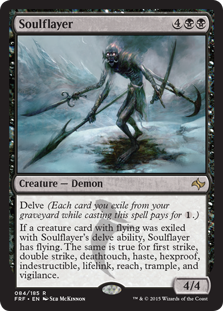
SoulflayerThe first likely explanation is statistical. Unless a deck is top-tier, Wizards is unlikely to have sufficient matchup data to calculate a meaningful turn 1-3 win-rate. Stated simply, N is just too small. If I'm taking names with my sick Soulflayer blitz deck in the MTGO practice rooms, I might only be contributing 10-20 matches per week to the Wizards dataset. That's not nearly enough information for Wizards to calculate my turn 1-3 win-rate, especially against major decks. Maybe I'm regularly facing non-interactive Nykthos Green players. Maybe I'm running hot. Maybe I'm queuing up at a time of day where my opponents are exhausted and playing poorly. Wizards can eliminate these explanations with enough data, but if the deck isn't top-tier, it won't contribute enough data to reliably determine the win-turn rate.
The second possible reason is metagame oriented. If you go to a tournament, you expect to have some number of interactive games of Magic, and some smaller number of less interactive games. When Modern has too many top-tier decks winning too quickly, player enjoyment drops, event attendance suffers, and Wizards and its tournament organizers lose money. It's also bad for long term format health and community buy-in. Low-tier decks don't cause these problems because few people are running them. Did Puresteel Paladin Cheeri0s combo you out for the first time in your career? You'll probably laugh at this amusing novelty. Did Epic Storm run you over for the fourth time on a Grand Prix Day 1? You'll probably lose your flippin' mind. This balance is likely another factor at play in the rule's top-tier qualifier.

This raises a similar question to one we saw in the consistency section: how does Wizards actually define "top-tier", especially with respect to the turn four rule? Again, history gives us a few examples of this in both the Seething Song ban and, one we haven't examined today, the Blazing Shoal ban. Here are some metagame statistics for Storm at the time of its banning:

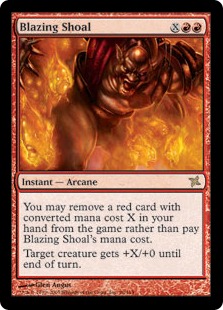
Blazing ShoalNext, here are similar numbers for Blazing Shoal Infect, which fell to a ban after just a single tournament:
If you were to speak in terms of the Nexus' tiering, these figures suggest Wizards is willing to consider decks to be "top-tier" if they meet either our Tier 1 definitions or the high-end of our Tier 2 parameters. This is a fairly wide range and is something to be mindful of. If you think a deck is top-tier, compare its metagame shares to these kinds of numbers. Rule for the wise: if the deck in question is Tier 1 or at the upper-ends of Tier 2, it could potentially be considered "top-tier" by Wizards. This is certainly not to say Wizards uses our tiering in making decisions (if only!). Rather, we can use our numbers as indicators of the Wizards thought process.

Applying the Turn Four Rule

Bringing things to a close, here's the turn four rule one last time with some of our estimated numbers thrown in for additional accuracy:

The DCI's other primary goal for Modern is to not have Tier 1 or high-end Tier 2 decks that win on turn three (or earlier) in 24%-30% (or higher!) of games. 

This isn't the only way to understand the rule, but it is probably the most precise and the one most in dialogue with the rule's history.

(Author's edit: clarified the range to include numbers that are even higher)

Nourishing ShoalHopefully this article helps us reach a sharper understanding of the turn four rule, its background, and its specific clauses. Use these definitions to access ban statements you stumble upon during your Modern travels. For example, all the talk about a Goryo's Vengeance or Nourishing Shoal ban collapses once we consider the top-tier element of the rule. With a metagame share under 1% and no major wins since Grand Prix Charlotte and a lone Premier IQ victory, Grishoalbrand isn't remotely top-tier and is extremely likely to evade the rule's application. As a final thought, this article also leaves open the question of what card should get banned once a deck is identified as a violator. Sounds like a great topic for another day!
What are some other important turn four rule pieces you think need to be discussed? How else can you apply the rule? Do you have any overall thoughts on Wizards' definitions, or their pursuit of the rule in practice? I'll talk to you all in the comments and look forward to next week when we add more exciting banlist discussion to the ongoing dialogue.

Scrap Savant – Thopters and Altars

Are you a Quiet Speculation member?

If not, now is a perfect time to join up! Our powerful tools, breaking-news analysis, and exclusive Discord channel will make sure you stay up to date and ahead of the curve.

Hello everyone, and welcome back to another iteration of Scrap Savant.

I want to first apologize for not putting out an article discussing the latest polling results. I realize you all like seeing some of the forethought and discussion that goes into the deckbuilding decisions. For that I apologize---I just had a lot to take on this week, and in the future I'll make sure to keep everyone updated.

In the meantime, I'll include some of that discussion that I missed out on here. Here are the results of last week's polling:

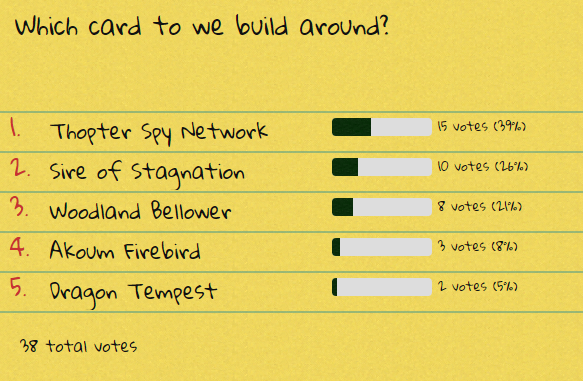
PollResult

As you can see, Thopter Spy Network won out in the end, and I'm extremely excited to build around it. Anyone who follows me on Twitter or here on QS knows I have some history with this particular card. Feel free to ask and I'll be sure to fill in those specific details. Finally I get a chance not only to play with the card, but also to feature it in my Scrap Savant series.

Things have really come full circle, and I'm ecstatic about what I came up with for this week's decklist. Let's take a look:

Thopters and Altars

Creatures

3 Salvage Drone

Spells

2 Clash of Wills
2 Treasure Cruise
2 Ultimate Price
4 Horribly Awry
3 Monastery Siege
4 Sphinx's Tutelage
4 Artificer's Epiphany
4 Altar of the Brood
1 Ruinous Path
2 Thopter Spy Network
1 Alchemist's Vial
2 Send to Sleep
1 Altar's Reap

Lands

1 Tomb of the Spirit Dragon
1 Skyline Cascade
4 Opulent Palace
2 Foundry of the Consuls
3 Dismal Backwater
14 Island

Sideboard

3 Negate
2 Reality Shift
1 Murderous Cut
2 Send to Sleep

At the time of uploading this to MTGGoldfish, the deck costs a grand total of 3.04 tix, or $20.07 in paper.

Building with Bulk

Building around Thopter Spy Network presents a few different paths. The most obvious route is to put it in an artifact shell alongside cards such as Chief of the Foundry and Whirler Rogue. I think that has the most appeal, but I wanted to be a little more creative.

That's what this series is about, and what better time to utilize a bunch of bulk bin cards like Altar of the Brood and Monastery Siege? So I decided to lean into the spirit of the series with this one, and provide a way to reevaluate some of these cards in a new context.

Obviously, we find that some cards are truly "bad" and end up bulk for good reason. Other times we stumble across a gem like Zada, Hedron Grinder.

In any case, you'll mostly see Thopter Spy Network paired with these cards. I wanted to go a different direction, and elected to turn it into a heavy mill strategy.

Intro and Games


Thoughts

It should be obvious from the videos I didn't do so well this time around. Maybe I could have made some better decisions in the game, but I finished feeling disappointed in my deck-building process as well. I'm not ready to write off Thopter Spy Network yet by any means. I still think the same thing I did when I saw it for the first time during Magic Origins spoiler season---it's a powerful "build around me" card.

In this context, however, I didn't capitalize on the card and came up short of anything worthwhile in the games. Sometimes that happens, and in this case I think the budget aspect really hindered us.

The problem is we're really lacking for a Hangarback Walker substitute. Without it, we just couldn't stall long enough to fend off decks like Abzan Splash Red. It would have helped greatly in the matches before that as well.

I'll blame myself here and chalk the deck's poor performance up to some bad card choices. I tried to be a little too ambitious. Hopefully these games were still constructive enough, as an example of how not to build around Spy Network.

Unless you're looking to spend more on the list, that is...

Additional Upgrades

All I can say here is Hangarback Walker is pretty irreplaceable. Whether you're building a control deck or a traditional Robots shell, you're going to need Hangarback. Plain and simple, it's just the best card to complement Spy Network and helps either strategy immensely.

In the meantime these would be helpful as well:

Obviously the manabase in any of the Scrap Savant decklists can stand to be upgraded. I wouldn't recommend Delta, considering it's rotating soon, but Sunken Hollow would be a great place to start.

Languish is a card the deck desperately needs to combat aggro. If you want to really go over the top there's always Jace, Vryn's Prodigy.

Here's a sample list with a large budget, since I don't think it has a good shot without considerable upgrades.

Thopters and Altars (Additional Budget)

Creatures

4 Hangarback Walker
4 Jace, Vryn's Prodigy
4 Whirler Rogue

Spells

4 Altar of the Brood
4 Artificer's Epiphany
4 Clash of Wills
2 Languish
2 Murderous Cut
1 Ruinous Path
4 Thopter Spy Network
2 Ultimate Price

Lands

2 Bloodstained Mire
3 Flooded Strand
2 Foundry of the Consuls
5 Island
4 Polluted Delta
4 Sunken Hollow
3 Swamp
2 Tomb of the Spirit Dragon

Sideboard

3 Duress
2 Infinite Obliteration
2 Negate
1 Ob Nixilis Reignited
4 Sphinx's Tutelage
3 Treasure Cruise

So there you have it. I know this is not normally what I would recommend, but it will take a substantial budget to make this deck more viable. If anything, start with Hangarback Walker because that's the most worthwhile upgrade.

Hopefully this week's list was intriguing enough, and I do try every week to deliver on what the Scrap Savant series is all about. I take full responsibility here, and I think maybe we could revisit Spy Network again somewhere down the line. That way I'll have another shot to brew with the card and deliver some better games on camera.

It's a learning experience for all of us, and especially for me with MTGO. I foolishly missed a few key timings on spells and abilities because I got impatient and just hit F2 too fast.

As always, I'll provide the next round of polls:

Insider: The Modern Deck as Budget Investment

Are you a Quiet Speculation member?

If not, now is a perfect time to join up! Our powerful tools, breaking-news analysis, and exclusive Discord channel will make sure you stay up to date and ahead of the curve.

Many times I've heard people ask about speculating on the cheap. Some hypothetical person has a small amount of money, say $100, and they want to speculate---what card should they buy right now? The expected answer is one or two cards that will see significant returns, and that's exactly why the question itself is flawed.

Turning a profit by buying and selling Magic cards requires a healthy bankroll and realistically, more time, risk and expertise than most other means of making the same amount of money. Sometimes there are easy picks to turn decent profits, but the question doesn't always have an easy or obvious answer, and the smaller your bankroll the less likely you'll your "returns" will amount to any real money.

If somebody asked me for specific card or cards to invest in right now, there are a few good answers. Splinter Twins are cheap. Painlands are likely to see an increase in value during their time in Standard. Shocklands are also poised to see appreciation by most accounts.

There was an error retrieving a chart for Overgrown Tomb

If you're on a budget though, and you're more of a player than a speculator---which is, of course, the reason you'd even ask in the first place---then I would ask whether or not you own a competitive Modern deck. If not, then acquiring one as quickly as possible is the best advice I can give you.

Buying cards at market price requires substantial gains to see a profit. In the meantime, your money isn't doing anything for you, and if you buy cards solely because you expect them to increase in value they'll just sit there until it happens.

If you have a lot of capital, stocking up on assorted Modern singles makes sense. The format is, of course, positioned for a boom this year. On a smaller budget this move is okay, but it makes less sense than what I'm suggesting here, which will actually put your money to work.

A More Realistic Option

The reason specific Modern staples are primed to increase is because the format as a whole will soon be getting more exposure. As such, it stands to reason that the value of any given competitive deck will increase in overall value. You won't see great returns on every individual card, but for the most part your Modern deck will hold its aggregate value, with specific pieces gaining substantially.

More importantly, you get more than just an investment out of your money---you gain long-term access to something you enjoy doing in your free time, for minimal upkeep.

Modern changes more than Legacy to be sure, but I've played Delver in Modern for years now without ever making a major purchase to update the deck. New printings that impact Modern often don't see much Standard attention, which makes them cheap to acquire. Paying $2 a piece for my Kolaghan's Commands definitely didn't break me.

There was an error retrieving a chart for Kolaghan's Command

The real value of purchasing a deck over specific specs, though, is that mastering a Modern deck will be a great avenue for you to win back your investment. I can't say it's true everywhere, but I can say with a high degree of certainty that prize support for Modern tournaments is generally more attractive than that for Standard.

From the store's perspective, Standard players are highly appealing as customers. They often need to buy singles, and they're happy receiving packs for prizes. To get Legacy players in the door, a better prize incentive is typically required. As a result Legacy tournaments more commonly pay out in expensive staples than boosters.

Modern tournaments offer incentives somewhere in the middle. It's not uncommon to see Tarmogoyfs at the top end of the prize pool, or a few Modern Masters packs for mid-level finishes.

Mastering a Deck

Modern is commonly referred to as a format for specialists. If you're planning to grind these tournaments for prizes, getting in now will give you most time possible to practice. This in addition to the fact you'll likely have to pay more later.

I top-eighted a Modern PTQ with U/R Delver before Treasure Cruise was ever printed. For those not in the know, that deck was bad. I couldn't beat a Lingering Souls to save my life, and Abzan was among the most popular decks at the time.

You just can't make a decision like that in Standard, but in Modern my prowess with the archetype enabled me to navigate to a high finish in a hostile field.

As far as what deck to buy, I couldn't emphasize strongly enough that you should buy a deck that fits your playstyle. Your Modern deck is going to be your baby. I don't play Delver because it's the best deck. In fact, I think the card Delver of Secrets itself is a liability in any URx mirror in Modern right now. However, it's a deck that I know my role in every match with, and one that I enjoy piloting.

Start With the Staples

Of course, the initial concern here was being on a budget. As such, just straight buying a Modern deck out of pocket today probably isn't an option. The worst mistake you could make is to start with the cheap stuff.

If you want to build Burn, don't start with Lava Spike. Get your hands on some Goblin Guides, and strategically target the cards most likely to see increases in price. Eidolon of the Great Revel is an obvious early buy as you work towards collecting your deck. Even if Boros Charm doubles, it takes a smaller percent increase in the chase cards to increase the overall price of the deck by the same dollar value.

There was an error retrieving a chart for Eidolon of the Great Revel

To summarize:

1) If Modern staples are poised to see strong returns, an entire Modern deck should likewise increase in value over time.
2) Modern tournaments will generally have better prize support than their Standard counterparts.
3) Modern requires less upkeep as a format than Standard, and you're going to be playing anyway.
4) Dedication to mastering your deck over time will pay more dividends in the Modern format.

For these reasons, I think Modern is a great format for the budget-conscious player. Enjoying your hobby doesn't have to mean a net loss, and Modern is a great avenue for getting more mileage out of your investment.

Thanks for reading.

-Ryan Overturf
@RyanOverdrive on Twitter

Insider: QS Cast 16: Colorless Realms

Are you a Quiet Speculation member?

If not, now is a perfect time to join up! Our powerful tools, breaking-news analysis, and exclusive Discord channel will make sure you stay up to date and ahead of the curve.

Play

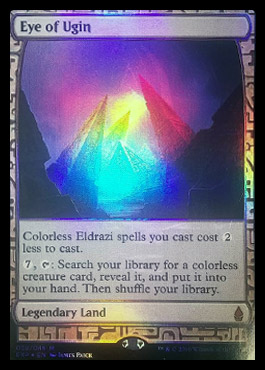
On the heels of a big spoiler this week, the guys talk about the Expeditions and assorted colorless lands in OGW. Not just focusing on the new, they look at some older colorless Commander cards that form effective benchmarks for what cards cost due to Commander demand (command-emand?)

You can find all of the contact info, as well as a way that you can record a message for us, here:

www.quietspeculation.com/qscast

Douglas Linn

Doug Linn has been playing Magic since 1996 and has had a keen interest in Legacy and Modern. By keeping up closely with emerging trends in the field, Doug is able to predict what cards to buy and when to sell them for a substantial profit. Since the Eternal market follows a routine boom-bust cycle, the time to buy and sell short-term speculative investments is often a narrow window. Because Eternal cards often spike in value once people know why they are good, it is essential for a trader to be connected to the format to get great buys before anyone else. Outside of Magic, Doug is an attorney in the state of Ohio.  Doug is a founding member of Quiet Speculation, and brings with him a tremendous amount of business savvy.

View More By Douglas Linn

Posted in Free Insider, QS CastLeave a Comment on Insider: QS Cast 16: Colorless Realms

Have you joined the Quiet Speculation Discord?

If you haven't, you're leaving value on the table! Join our community of experts, enthusiasts, entertainers, and educators and enjoy exclusive podcasts, questions asked and answered, trades, sales, and everything else Discord has to offer.

Want to create content with Quiet Speculation?

All you need to succeed is a passion for Magic: The Gathering, and the ability to write coherently. Share your knowledge of MTG and how you leverage it to win games, get value from your cards – or even turn a profit.

Perspective – Thoughts on Unbannings, Star Wars, and Life

Are you a Quiet Speculation member?

If not, now is a perfect time to join up! Our powerful tools, breaking-news analysis, and exclusive Discord channel will make sure you stay up to date and ahead of the curve.

Star Wars comes out this week. It's been hard to think of anything else. If you're coming for more deep insights then you should probably close the browser now. I was planning on another deep analysis piece like the last two weeks but, well...I couldn't focus because Star Wars comes out this week. I couldn't get it off my mind and really do anything Modern related. This realization kind of brought things into perspective for me. You don’t need me to tell you to stay true to your perspective, so I won’t. This article isn’t about that. It isn’t really about anything actually. Can an outpouring of thoughts and opinions cobbled together loosely under an umbrella topic constitute an article? I’ve been doing that every week, so I might as well call a spade a spade. I want to try something different. I want to be 100% transparent about my views and opinions, even if they are unfounded, illogical, and taboo. These are my thoughts no longer held in reserve. I realize that this is pretty unusual for Modern Nexus and for me, and if you like it/don't then feel free to let me know, but then it's kind of a weird week. Onward!

12395630_10206552238938499_96233293_n

Part 1 – What Do You Want From Modern?

Tuesday I dropped by the LGS and hung out with my dad for a while before he proceeded to crush with his foiled out Esper Control deck and I skipped home to study for my last exam. Splinter TwinWhile we discussed many topics (which we’ll get to soon) another friend and I had an interesting discussion regarding Splinter Twin in Modern. With my recent article on bannings fresh on my mind, we were bouncing around the idea of Ponder/Preordain (one, but not both) being unbanned in Modern as a possible enabler for a true control deck to rise to prominence. I’ve long been of the opinion that U/W Control and Jeskai Control are barely “good enough” to compete in the format. I feel they will remain Tier 2 to Fringe until either a Counterspell-esque or Ponder-esque card becomes available to help reactive strategies fight all the nonsense in Modern. As most Modern conversations naturally go, this led us to the banning and unbanning discussion, and what the format would look like should Ponder/Preordain be reintroduced to the wild.
[wp_ad_camp_1]


While I could make numerous analogies like saber-toothed tigers slaughtering herds of buffalo while petrified Neanderthal children run screaming, it’s fair to assume that the results would not be good. Just look at the Top 8 of the only Pro Tour where Ponder/Preordain were legal: 20 copies among five decks, three of which were different archetypes. Could we really introduce that back into the format? I think it’s at least worth an entertaining discussion, even though it probably won’t happen. Here’s what could happen and what is preventing it, in my mind.

  • Level 0 would see a format-wide power increase in the color blue, specifically for decks that can take the most advantage of the dig/card selection utility of cantrips. This means combo and control, but not necessarily Infect. More on this below.
  • PreordainAs far as blue combo goes, Splinter Twin is currently the only archetype that qualifies. This would absolutely elevate Twin to “probably” overpowered levels, as we saw at Pro Tour Philadelphia in 2011. Amulet Bloom, Ad Nauseum, Scapeshift, and Storm all use blue and would appreciate the extra power provided by the cantrip upgrade, but probably wouldn’t be too powerful as a result. Ad Nauseum hasn’t been above fringe in a while. Nor has Storm. In addition, Seething Song being banned means Storm could probably safely see a power bump without getting too powerful. Let’s take a closer look at Scapeshift.
    • Scapeshift’s power level is proven and a better cantrip could definitely shift its balance in the format. Unlike Splinter Twin, which can combo quickly and needs to find two separate combo pieces, Scapeshift just needs Scapeshift and seven lands to win normally. Extra protection helps and Ponder/Preordain would definitely be of big benefit, but not to the extent that it would improve a deck like Twin. Twin can more easily take advantage of the powerful filtering to set up a quick kill, while Ponder on Turn 1 for Scapeshift isn’t nearly as powerful.
  • Giving the blue decks a little more power to fight the linear decks could slow the format down a little. When control can reliably find Timely Reinforcements, Stony Silence, or Blood Moon, that puts the pressure on decks like Affinity and Burn and Amulet to slow down their “goldfish draws” in favor of interactivity. This seems better for all involved, I think. Less nut draws, more “gameplay”. Plus, I’m a little biased and want to play Sphinx's Revelation in Modern. Sue me.

So, Splinter Twin. Since Modern’s inception Twin has been Tier 1, and the four Modern Pro Tour’s we’ve had so far have seen Twin winning both the first and the last (Pro Tour Fate Reforged in the hands of Antonio Del Moral Leon). Ponder/Preordain coming back would make Twin “OP” as the kids say. So why don’t we just ban Splinter Twin? Stick with me here.

Abrupt DecayFor four years Splinter Twin has been Modern’s de facto “King of the Hill”. In more ways than we can count, Splinter Twin has been manipulating the format, placing little pressures on every decision we make regarding deckbuilding and gameplay. We’ve been living under the Twin shadow for so long that we’ve almost forgotten what it’s like to be free of its presence. Spellskite? Rending Volley? Seal of Primordium? Abrupt Decay? Half the sideboard cards in the format (and much of the maindeck removal) are in place primarily because of their effectiveness at killing that stupid Deceiver Exarch or its Splintery brethren enabler. With Splinter Twin no longer in the picture, we might see some interesting cascades start to happen.
First of all, removal could become specialized to fight decks’ actual weaknesses, rather than “hedging” to hit Twin as well. Tron could stop playing Rending Volley and start playing something that gives it an actual advantage against Gruul Zoo. Tokens decks and do-nothing Midrange durdlers like Dredgevine might actually have a fighting chance. I don’t know for sure what would happen, but the possibilities are there. Look, this is obviously my opinion, and an unorganized one at that. But the truth is, I LOVE conversations like this. One idea leads to another leads to another and 30 minutes later we’re down a rabbit hole that started from one singularity. Twenty decisions combined to lead us to this point, and an hour later we can start the conversation over again from the same point and come to a different conclusion.

PonderIn the end, it really comes down to perspective. I constantly get slaughtered by Twin opponents that CAN'T be that much better than me (read: they are) yet I can’t win with Twin when I pick it up myself. A player that has poured his life and soul into grinding Twin matches and knows every line and can plan ten turns ahead would hate to see the carpet ripped out from under him. There’s also the “Modern Is Great Right Now” argument, which I 100% agree with. I love Modern. There’s 20 decks I can think of right now to play (my Modern Video series demonstrates this) and 30 more under the surface when I start digging. Maybe it’s the designer in me that can’t take anything for what it is, and constantly has to wonder “what would happen if we shifted this…” that has me looking for a change, but again, perspective. It’s not like Splinter Twin is full of cards that don’t go in other decks, like Amulet Bloom or Affinity. Ban Splinter Twin and you still have 67 cards that see play in other archetypes. Worth some thought at least.
Part Two – The Future

Who knows what the world will look like ten years from now? A little over ten years ago nobody texted. Smartphones were called PDA’s before the iPhone, and now we’ve got things like Snapchat and Tinder. I don’t know what the world looks like anymore. Star Wars: The Phantom Menace came out in 1999, when I was eight years old, and it remained my favorite movie of all time until I watched it again ten years later and wondered why George Lucas hates humanity. For 18 years of my life, however, I was under the belief that the movie was actually good, because that was MY perspective. Today, I find myself hesitating to bring up in conversation that I still enjoy watching that movie. Every stupid line Jar Jar says brings me back to eight-year-old me, and I have to remind myself it doesn’t matter that other people hate the movie. The Podrace and Duel of the Fates is still awesome. I get frustrated when viewers ask me in my chat why I’m playing a certain deck that’s “bad”, or scoff at me when I say I feel I’m favored in an unfavorable matchup. I sideboard incorrectly 100% of the time (clearly), but I’m doing what I feel is best and will learn what to do and what not to do faster than someone who just follows the line set before him. Maybe ten years from now you’ll find out you were just vastly ahead of your time (Kermit the Frog).

Part Three – The Past

The Force is Strong with this One SWCCGStar Wars CCG was the greatest game I never played. Too young at eight to learn the complicated rules that I still can’t grasp at 24, I watched my dad battle at the kitchen table for most of the late 90’s. Every single card was full of gametext, and while most Magic turns have 3, maybe four, decisions involved, SWCCG contained literally hundreds of decisions at every stage of the game. Resource management, planning ahead, deck construction, bluffing, concentration (tracking a card through your circulating deck so you can find it later) and more combined to make a game that was more intricate that Magic will EVER be, and I’m just talking about its base set of 324 cards.
As we discussed Star Wars: The Force Awakens (“There’s no way this movie can be bad!” –famous last words), we broke out the old decks and played a quick hour-long game, in which I was promptly slaughtered. I remember discovering my dad’s collection in the basement, thinking I was man enough to compete, and challenging him to play. He told me, “We start with Premiere (Alpha) and add a set to the pool every time you beat me”. In three months of playing multiple times a week we never got past the third set. Regardless of how you got into Magic, regardless of what happens to you along the way, if you maintain your interest in similar hobbies throughout your life you will always remember your origin story. Talking to a viewer on the stream about having to sell collections to pay for card troubles, rent payments, engagement rings, etc. always brings up this memory. For over 20 years I’ve been around card games and Star Wars, and that will absolutely never change.

Twenty years ago, liking Star Wars or comic books made you a “nerd”. I lugged around a binder full of every collectible card I owned through school for the first five years of my education. I spent more time staring at the pictures, and eventually reading and strategizing with the cards, than I did interacting with the Revolution SWCCGoutside world or learning about whatever they teach in third grade. Doesn’t matter: my world is better. Now, everyone has seen Avengers and knows who Iron Man is. What was once Comic-Con culture is now real world culture. All the nerds grew up and started creating, and all the jerks are still getting wasted on the weekends and work dead-end jobs. I play Magic with these nerds daily, and work as a server on the weekends with a completely different social class. Explaining to them what I do for fun when they invite me to waste my hard-earned disposable income on alcohol will never get old. We are dreaming, we are designing, and twenty years from now the world will be what we want it to be. I'll be back next week with something more normal. If you don't like this kind of article do let me know, I'll try to be more on topic in the future. When it's not the week when Star Wars comes out.

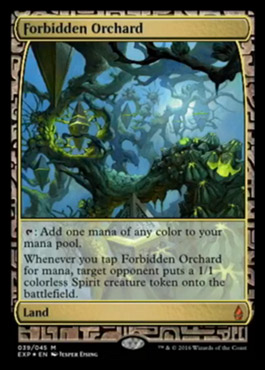
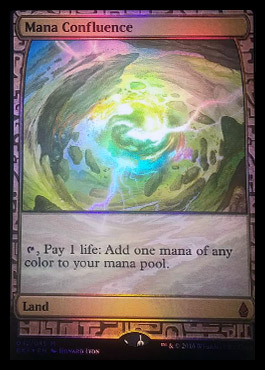
Trevor Holmes
The_Architect on MTGO
Twitch.tv/Architect_Gaming
Twitter.com/7he4rchitect

Insider: The Projected Value of Oath Expeditions

Are you a Quiet Speculation member?

If not, now is a perfect time to join up! Our powerful tools, breaking-news analysis, and exclusive Discord channel will make sure you stay up to date and ahead of the curve.

Since the whispers about the second set of Expeditions started, I’ve been anticipating their arrival almost as much as the new Star Wars movie. I’m super excited about Expeditions, but let’s be honest, nothing can surpass a Star Wars level of anticipation. I’ve been waiting for that movie's release since 1998 and I hope it lives up to my excessively high expectations.

Similarly, I had high expectations for the new batch of these full-art foils that will appear in Oath of the Gatewatch (OGW). Many hours were spent contemplating what these twenty cards could be and discussing the topic with my friends.

My speculation about the contents of the second cycle was partially correct. I was right about the filter lands, but I didn't exactly foresee the strange collection of lands that would comprise the second half...

Filter Lands & Price Distribution

Let’s take a look at the filter lands first. This unique cycle of lands was printed during an odd year for Magic. Lorwyn and Shadowmoor block broke with the three-set block model for the first time ever.

By now we're used to four sets a year, but that wasn’t the precedent before these two mini-blocks. With the arrival of the new rotation schedule we should most likely be looking to these four sets for financial data, but that’s a story for another day.

The prices of filter lands are distributed in an interesting pattern. The most expensive one, by a wide margin, is Twilight Mire at $34. This is partially due to its printing in Eventide but also because it sees more play than the others, in Modern Jund and Junk decks.

At the next tier we have three in the low $20’s with Cascade Bluffs, Fetid Heath, and Flooded Grove. These are followed by another large drop-off.

Priciest Filter Lands

The next group, worth about $12-15, consists of Rugged Prairie, Mystic Gate, and Sunken Ruins. Right below them are the Naya buddies Wooded Bastion and Fire-Lit Thicket, clocking in at just under $10. Finally we have the Future Sight reprint, Graven Cairns, worth just $6.

Prices of these cards in foil are similar to the foil shock lands, most of them falling in the $60 range. That comparison can help us predict the prices of the Expeditions filter lands.

I expect the Expeditions to follow the same tier system as the current price distribution. Therefore, it’s probably safe to say that Twilight Mire will be the most expensive, unless the blue ones overtake it simply because they're blue.

In case you didn’t know, blue is the best color. Even if you don't believe that, it's certainly the most popular, and we have years of financial data showing that blue lands come at a premium.

This is a lesson I relearned thanks to the Battle for Zendikar (BFZ) Expeditions. Many of the cards in the first batch followed a similar price trajectory to what I suggested in my article, The Projected Value of Zendikar Expeditions. What I did not expect was that demand for blue fetches would break the pricing mold.

That said, I don't think blue filters will repeat this pattern, simply because they aren’t as in demand as the fetches. They lag behind the shocks as well, but the prices of the new set have to be distributed somehow, and they should fall with the blue ones on the high end.

To illustrate my point, look at Watery Grave. Before Grixis Control and Twin variants were popularized by Khans block cards, the land saw virtually no play in the format. Even now most lists only run one copy.

Despite these factors, Watery Grave is one of the highest-priced Expedition shocklands. Its price falls in the second tier ($70), and the only card clearly outperforming it is the obvious choice of Steam Vents.

A Motley Crew of Lands...

What I really wanted to call this section was, "Bizarre selection of lands that seemingly have nothing to do with each other," but that was a mouthful. Most of the colorless ones are understandable but the others make for an odd-looking cycle.

The first Expeditions were broken down nicely. There were ten fetches, ten shocks, and five Battle lands. Now I'm not sure if the second half of the Battle land cycle is getting printed at all, but I thought for certain they'd be among the new Expeditions.

What we got instead was some land destruction, Commander goodies, and a random green-white dual. It’s safe to say no one predicted the whole set correctly.

Forbidden Orchard & Mana Confluence

forbiddenorchard manaconfluence

Let’s start with Forbidden Orchard and Mana Confluence. Both of these cards see a relatively small amount of play and are highly deck-specific. I could see the painland’s price rising in the future if a Modern deck besides Amulet Bloom starts utilizing it, but it also has to compete with the legality of City of Brass, a near-perfect replacement for all intents and purposes.

Currently neither of these cards are particularly valuable, foil versions included. I expect them to be near the bottom of the price list. It’s frankly surprising to see them included as Expeditions and I don’t think many players will need a copy of either.

Kor Haven

korhaven

Up next we have a Commander all-star in Kor Haven. This is yet another card I never would have believed would make the cut. It is an expensive older foil though, so the Expedition will likely draw some attention. It sees some play in lots of formats and should end up somewhere in the middle of the pack.

Ancient Tomb & Eye of Ugin

ancienttomb eyeofugin

The printing of Ancient Tomb and Eye of Ugin as Expeditions is interesting. Both are important elements of specific competitive archetypes, but neither is valued particularly high.

Ancient Tomb sees some Legacy play, but with the From the Vault foil going under $20, I doubt this Expedition will be at the top of anyone’s list.

The same could be said of Eye of Ugin. Maybe Tron players or Eldrazi Commander players will want one to bling out their deck, but I can’t imagine demand being extremely high for this land either.

Non-Premium Land Destruction

tectonicedge dustbowl

Next are some land destruction lands. Tectonic Edge is a $5 foil and it’s baffling to see it on this list. Modern players might want copies but it only sees play in decks like Hate Bears. Most archetypes prefer to use Ghost Quarter. Still, there could be some demand here because the card can show up as a four-of.

That said, when there's a huge price disparity between foil versions, most players will just purchase the cheaper one. Foil Tectonic Edges from Worldwake are retailing for just about $9, and the FNM foil is even lower. So the ceiling on the Expedition isn't high.

The same could be said of Strip Mine. With the small number of formats this card is legal in, it’s doubtful it will rise very high. While it’s true you can play one in every Commander deck, I doubt players will be running out to order this Expedition when the From the Vault version is readily available.

We also get a new Dust Bowl. This land is a Commander staple. Between its desirability in that casual format and the exorbitant cost of Mercadian Masques foils, I would expect this land to fall in the middle of the pack at least.

Wasteland & Horizon Canopy

wasteland horizoncanopy

Finally we come to the cream of the crop. Predicting these two as the most expensive Expeditions in OGW may or may not be obvious, but I'm confident in my picks. Wasteland and Horizon Canopy should certainly be the highest-priced Expeditions out of the new cycle.

The combination of historically high prices, sustained demand from competitive play, and a comparatively small supply make for surefire home runs. In addition, both of these lands appear as four-ofs in their respective decks.

Even with three foil versions, Wasteland is still flirting with $200 and the most recent judge promo is even higher! If there were fewer promo versions of Wastelands available, it would be even more ridiculous. I’m setting my mark for the Expedition at $250 but I wouldn’t be surprised to see it eclipse $300.

Horizon Canopy hails from the short-printed Future Sight, clocking in at nearly $200 for the foils as well. Horizon Canopy might be the most random card on the list, but lots of players will be elated to add foil copies to their collection.

Predicting the Numbers

Let's look at some estimates on the actual numbers involved here. The OGW Expeditions will likely follow a tier system just like BFZ Expeditions did. Here are my initial price projections for the entire twenty-land cycle.

Tier 1

  • Wasteland - $250
  • Horizon Canopy - $175

Tier 2

  • Cascade Bluffs - $125
  • Twilight Mire - $125
  • Flooded Grove - $125

Tier 3

  • Mystic Gate - $85
  • Sunken Ruins - $85
  • Fetid Heath - $85

Tier 4

  • Wooded Bastion - $75
  • Fire-Lit Thicket - $75
  • Rugged Prairie - $75

Tier 5

  • Graven Cairns - $60
  • Dust Bowl - $60
  • Kor Haven - $60
  • Eye of Ugin - $60
  • Ancient Tomb - $60

Tier 6

  • Forbidden Orchard - $45
  • Mana Confluence - $45
  • Tectonic Edge - $45
  • Strip Mine - $45

As you can see, these are laid out in a similar fashion to the current price picture for the BFZ Expeditions. There are definitely more unknowns surrounding these cards than any in the previous set, so we'll see if my prices are correct or not.

Additional Considerations

There are a few other important things to consider. First of all, this cycle only contains twenty cards instead of the previous twenty-five. That means a comparatively larger quantity of each individual card on the market. With more copies floating around, lower prices typically ensue.

The second factor is that these Expeditions come from a small set. Small sets sell less than their large fall set counterparts, as they are drafted for less time and in smaller numbers, and typically generate less hype.

This will definitely depend in some part on the number of playable cards that appear in Oath. If the set has an overall high appeal, then more Expeditions will get cracked. On the other hand, if no one is excited about the normal set rares and mythics, they're unlikely to continue cracking packs in search of Expeditions.

To sum up my thoughts on these factors, I believe that when the dust settles, Expeditions in OGW will behave similarly to those in BFZ. It seems to me the countervailing tendencies will basically cancel each other out, and we'll see a familiar price layout.

Only time will tell, but I hope this analysis has helped you gain a better understanding of the situation. That way you'll be able to make the most informed decision about how to spend your hard-earned money.

~

Long-term, it's clear that every card from both sets is a good investment. Every single one should increase by some amount. I imagine when I look back at this article next year, we'll already be witnessing higher prices across the board.

I'm interested to hear where others are expecting each of the new Expeditions to land. Do my numbers make sense? Is there something I've overlooked? Post your own estimates for the prices below and let's start the discussion.

Until next time,
Unleash the Force!

Mike Lanigan
MtgJedi on Twitter

Insider: April Inventory & A First Look at ✧ Mana

Are you a Quiet Speculation member?

If not, now is a perfect time to join up! Our powerful tools, breaking-news analysis, and exclusive Discord channel will make sure you stay up to date and ahead of the curve.

Hello Insiders!

Before I get into the actual substance of this article, first let me reiterate here that the QS and MTGPark partnership is in full effect. What exactly does that mean for you all? Well, as I highlighted in the Forums, all existing Insider subscribers will now be handed a MTGPark Player Plan in addition to their Insider subscription, at no extra charge.

It will also mean every future QS Insider will receive this bundled into their subscription when they sign up. It’s awesome, and I urge everyone to check out the website:

BannerMTGPark

April Inventory

Now on to the main topic. Over the course of writing here on QS I have provided advice on building a portfolio and inventory for the future. Some of that has borne fruit, and sometimes we've been left with rotten produce. As in my previous article, Rotate Now, Not in April, today I'll be discussing the cards I'm acquiring and why.

They aren’t much different than the previous article, but there is one group of cards I want to emphasize, which I only mentioned briefly before---the Battle lands.

Battle Lands

As I say time and time again, I mostly stick to the non-flashy stuff (unless it’s penny stocks, of course!) This cycle may be uninspiring, but prospects like these are the most profitable when the dust settles.

The Battle for Zendikar (BFZ) dual lands will be at the forefront of Standard come April, and every single land cycle thrives when it's featured in Standard. I understand there’s a lot of them out there. I also understand fetchlands will be leaving. None of that actually matters though---players will need these lands to play Standard.

Why don’t we look at some historical data then? Even in the case of land cycles deemed mediocre or bad, the trend is surprisingly consistent. Every player interested in Standard eventually needs them to play.

Isolated Chapel
Isolated Chapel (INN)
Temple of Enlightenment
Temple of Enlightenment (BNG)
These are examples of past land cycles from recent memory. I didn’t want to use examples from too far back, to avoid the question of printing quantities and how that would interfere with today’s market metric. So I made sure to choose something pertinent to the conversation, and it’s astounding to know that even stuff like the scry lands held a premium price before.

That wasn't long ago, and I’m sure Insiders who are also store owners remember the days of $10 Temple of Malady, $6-8 Temple of Enlightenment, or even $8 Isolated Chapel.

Even painlands, which have seen numerous reprints, were nothing but resilient in holding their price tag until finally succumbing to the glut of supply from Magic Origins. Just look at Shivan Reef’s Magic 2015 printing:

Shivan Reef - M2015
Shivan Reef (M15)
It’s an old cliche, but in Magic as well, real estate is usually a safe bet. At least until they print the cards into oblivion like the poor painland cycle.

So as we move towards Oath of the Gatewatch (OGW) and Spring rotation, I'll be prioritizing Battle lands over almost everything. After acquiring a good number of those, we can continue to round out stock with the following cards.

Drana, Liberator of Malakir

There was an error retrieving a chart for Drana, Liberator of Malakir

I've said this numerous times, and quite frankly I'm beginning to sound like a broken record. This is a quintessential Standard card. It’s powerful, it has casual appeal, and it’s just all around good.

Mantis Rider is the the main reason Drana isn’t good right now. It’s painfully obvious that Rider rules the sky right now, but when it leaves in April Drana's day may arrive. Over the course of my long years playing Magic, I've seen plenty of these cards come and go. So I make sure to pay close attention when something like this gets passed over by the player base.

It’s also a mythic, and likely one of just three in BFZ that are even worthy of a price tag over $10. Its floor is now, and if it gets additional support in OGW or Shadows Over Innistrad (SOI) we’ll be kicking ourselves for not investing now. I doubt it will see any play outside of Standard---but you never know.

Kiora & Part the Waterveil

There was an error retrieving a chart for Kiora, Master of the Depths
There was an error retrieving a chart for Part the Waterveil

I had to mull over Kiora for quite some time as a potential prospect. I don’t think she has a chance to go over $10, but $3(ish) is too cheap. There were plenty of Black Friday deals that even listed her under $3, which just seems absurd for a playable planeswalker.

Way back when, there was another planeswalker I was enamored with and felt had a great shot at rebounding---Narset Transcendent. That one clearly didn't pan out, but this one is of a different pedigree...

G/U Ramp by Pavel Matousek, Grand Prix Kobe 2015, 6th Place

Creatures

2 Nissa, Vastwood Seer
4 Rattleclaw Mystic
4 Leaf Gilder
4 Ulamog, the Ceaseless Hunger

Spells

4 Ugin, the Spirit Dragon
2 Kiora, Master of the Depths
4 Nissa's Renewal
3 Nissa's Pilgrimage
4 Part the Waterveil
4 Explosive Vegetation
2 Dig Through Time

Lands

1 Prairie Stream
4 Shrine of the Forsaken Gods
8 Forest
4 Lumbering Falls
3 Island
3 Windswept Heath

Sideboard

1 Sanctum of Ugin
3 Dispel
4 Jaddi Offshoot
4 Winds of Qal Sisma
1 Void Winnower
2 Conduit of Ruin

Unlike Narset, Kiora already found a home. It’s not some card on the outside looking in, and has demonstrated its viability in Standard. With a rotation coming up things can always change, but ramp will still be around and Kiora has proven it can be a central part of that strategy.

By a similar logic, I decided to include Part the Waterveil into my stock. There are just too many examples of "extra turn" cards maintaining value, and picking these up close to $1 doesn't feel right.

I was initially surprised to see this appear more as a ramp card than anything else, but the more I think about the more it seems to fit. It really bolsters ramp's overall strategy and is extremely potent.

Mining for ✧'s

As for the smaller stuff, I would go back and re-read my previous article for ideas on “penny stocks.” There's one more subject to cover today, which is the new mana symbol Wizards unveiled.

On the latest QS Cast we discussed how painlands just got a lot better. On the forums I've posted plenty of information regarding the ✧ symbol, including my discussions with Matt Tabak, Trick Jarrett and Maro about its inclusion in the game. It's here to stay, and there's no use resisting it---even a veteran player like me has to just sit and accept change around me (which makes me cranky).

In the meantime, on the cast we discussed the importance of reevaluating old cards that produce ✧ mana. This change could affect every format, but most notably Standard and Modern. We settled on painlands in Standard as the lowest-hanging fruit, but there's plenty more to investigate in Modern. Does a card like Tendo Ice Bridge, for example, suddenly have more appeal?

Taps for Eldrazi Mana…

If you want to hear more I would consider giving the podcast a listen.

~

So that’s mostly what I want to have in my inventory. The BFZ lands, the painlands, and any subsequent lands that show up in OGW are going to be vital for the different strategies in Standard. I don’t foresee anything jumping leaps and bounds from where they are now, but all of these cycles should see a modest bump in price.

If you’re operating a store or have more capital to invest, stocking up on Gideon, Ally of Zendikar obviously isn’t a bad idea. It’s not going anywhere anytime soon, and the mass craze of opening boxes and packs will wane a bit in the coming months. So there’s plenty of time to move on this one, and the spread as reported on Trader Tools is still quite attractive.

As always, feel free to comment here, and I'll be happy to discuss anything from my articles. Or, find me on Twitter @ChazVMTG.

Until next time!

-Chaz

Insider: [MTGO] Short-Selling, Part 4 – Beyond Short-Selling

Are you a Quiet Speculation member?

If not, now is a perfect time to join up! Our powerful tools, breaking-news analysis, and exclusive Discord channel will make sure you stay up to date and ahead of the curve.

Investing in full sets is a strict prerequisite to short-selling cards on MTGO. Thus far the idea has always been to speculate with full sets during their most marked growth phase---between May and October for regular sets and between August and March for core sets. Short-selling was a secondary option to take advantage of individual card fluctuations.

As I mentioned in my first article about short selling, investing in full sets leaves you holding a big stack of different cards with little to do but wait. If you're unwilling to short-sell your own cards but are looking for extra tix, other possibilities might be available, provided you're willing to let others do the job for you.

In this last installment of the Short Selling miniseries, I'd like to develop potential speculative and business alternatives for full set investment that goes beyond short-selling your own cards.

Offering Cards to Others for Short Sale

In the financial market world, short-selling naturally involves borrowing a security or an asset from someone else or from a brokerage firm. In the past four articles I wrote on this topic, borrowing was basically an untouched subject. As for my own activity, only the few short sale moves made in the context of the "100 Tix, 1 Year" project involved that dimension.

In the "100 Tix, 1 Year" project I borrowed cards from my main account (as I had just purchased 50 Khans of Tarkir full sets) and short-sold them. A few days later I rebought the cards and gave them back to my main account. In the transaction, I also paid a fee to my main account. That fee was what I would have asked of anyone for the opportunity to borrow my Khans (KTK) cards, and was considered the cost to complete the transaction.

The fee I charged was the following: 2% of the cards' value at the time of borrowing, repeated each week until the cards were returned. Under this scheme, borrowing 20 tix worth of cards for 10 days would cost a total 0.8 tix. If the borrowed cards lost 30% of their value in the same period of time, this is a win-win situation for the lender and the borrower.

Could lending cards for short sellers be a profitable source of tix? 2% may not seem like much but it can add up quickly. Lending 60 tix worth of KTK cards (more or less the value of the top 10 cards from that set) every other week for six months would yield about 15 tix---an additional profit of 23% on my KTK full set specs without doing or risking anything, ideally.

At this point this is, at best, a nice theory. Lending cards to other speculators carries significant risk, namely that they don't return your cards at all. Unless you lend your cards to very trusted speculators or friends, you probably want to implement some sort of deposit or guaranty. Perhaps a 2% fee is not enough, or too high. Or there might be additional fees you want to apply.

Assuming all the details are worked out, borrowing cards to short-sell, or lending cards to speculators for a fee, both represent an interesting speculative option that may satisfy two categories of speculators at once.

Renting Cards on MTGO

If the idea of lending cards to speculators seems viable, then you might as well consider lending cards to a much larger part of the MTGO population---the player base.

Providing the process is cost-efficient enough, a fair amount of players would probably be interested in borrowing cards to play. In fact, the range of cards players would be interested in is probably much larger than those short sellers would want for speculative purposes.

Nowadays, in the heat of the Standard season (from October to March), Top Standard decks are worth between 200 and 400 tix. With the fee system mentioned above (tweaked one way or another) a player could play a different Tier 1 Standard deck every week for about 6 tix per week.

I'm not a player at all so my reasoning may be flawed, but renting cards in these conditions seems like an option many MTGO players and grinders would greatly appreciate.

For players who already own a part of their decks, we might be talking about merely 2 or 3 tix per week. Needless to say, such an option may be very economical for trying out new decks before committing to buy the cards.

As a point of comparison, assuming prices remain flat, buying and selling a Standard card within a few days would probably cost somewhere around 8%--the typical spread. And in a renting system renters don't need to worry about price fluctuations.

STD

Quite a few things need to be considered before moving into an MTGO renting business. That being said, SpareDeck ventured into the rental business for paper Magic a few months ago. I haven't looked in detail at their methods, prices or overall success up until this point. But if this model works out for paper Magic it should be incredibly more efficient and successful on MTGO.

On MTGO, card conditions don't matter, you have an instant pool of worldwide customers, shipping is free, and transactions take about 30 seconds. In summary, MTGO seems like the more logical place to start such a business.

Seems like the perfect business, right? Well, there's one more snafu. Right now, lending cards is entirely predicated on buying or investing in full sets. This investment was supposed to take place between May and October when demand for Standard is at its lowest. Past November there's little incentive to conserve full sets and most full set speculators are selling at this point.

Even with the new rotation structure, full set speculation will always be based on buying when demand and prices are low and selling later when prices are high. In the best-case scenario speculators hold full sets for half the year---not exactly compatible with a serious and dedicated rental business that should have cards available for most, if not all, of their Standard life.

On the other hand, buying full sets at the time of release isn't very appealing. Prices on MTGO typically start high and then lose value over many months.

Nonetheless, in the grand scheme of things, investing in full sets early on with the intention of generating tix primarily through short sales or rentals may be more viable than it seems. As it turns out, if you consider a set's value over the entire period it's available for redemption, price variations are not so dramatic. Let's take a closer look at this.

Full Set Investment Over a Three-Year Term

Investing in full sets to take advantage of the seasonal upward trend only make sense over a period of about four to six months. Buying earlier would result in missing the best buy price, and selling later means missing the peak prices. In both cases, you also tie up capital longer for no additional profit.

What would it look like to invest in a full set this way, acquiring early and holding on for a long period of time? Are the losses unmanageable? And could such a long-term investment make short-selling and renting cards all year long viable?

Evolution of Full Set Prices

Prices of any set are at their height at the time of release and then rapidly drop. One month after release it's not uncommon to see a set-wide reduction of 50%. Depending on the set, there will be an additional 20% to 40% lost between this time and the absolute floor. Prices then move up, reach another local maximum during the following Winter, and start their inevitable decline through to rotation.

Since redemption still supports prices for one more year, at this point prices begin to creep up slowly for another year or so. They finally collapse and hit an absolute floor when redemption stops.

Let's posit one month after release as a reasonable compromise between the competing goals of getting in early and securing cheaper buy prices. Innistrad (ISD) and Return to Ravnica (RTR) blocks have already undergone the full cycle from Standard playability to the end of redemption. Looking at the evolution of these sets' prices from a month after release to the highest price post-rotation, we see an average variation of +1%.

Numbers for ISD and RTR blocks should be considered with caution since redemption fees were much cheaper before Gatecrash ($5 instead of $25).

Dragon's Maze (DGM) suffered from this problem, in addition to being a weak set with only one "real" card in Voice of Resurgence. A DGM set was about 50% less valuable at its post-rotation height compared to one month after release. On the other hand, ISD and Avacyn Restored gained more than 20% after rotating out of Standard!

Here is the RTR graph, a typical example of that time. RTR was about 12% less valuable at its post-rotation height compared to one month after release.

RTR

As for Theros (THS) block, THS and Born of the Gods are clearly less valuable now than they were one month after release. However, a set of Journey Into Nyx is currently valued at about the same price it held one month after release.

All in all, buying a full set in today's climate about a month after release and selling it right before redemption ends would probably lose you somewhere between 10% to 30% on average. A loss is a loss, but it may be offset by other profits if the intent is to short-sell or rent cards during those two to three years.

Short-Selling All Year Long

I have to admit, buying a set about a month after its release in order to short-sell the cards sounds like nonsense since prices are obviously going down.

If you intend to lend out cards then buying early is probably preferred. Sure, speculators could simply rent your cards to short-sell since prices are inevitably going down. But now that you're applying fees (2% or more), any short-sellers willing to borrow your cards and wait months for prices to bottom would generate you extra cash in the process. Finding the proper fees to apply is key here.

Buying a full set early enough would also allow short sales on rares that spike in the early weeks of a set. Constrained supplies on new Standard mainstays can have this effect, and the cards will surely crash afterwards. Hero's Downfall, Mastery of the Unseen and Outpost Siege are such examples.

HD

MU

OS

Purchasing full sets before they bottom to hold for several years offers a greater possibility of short-selling outside of the few months discussed in previous articles. Anafenza, the Foremost from KTK spiked hard in January of this year. At that time it could have been a very profitable short sale as the card was not heavily played in Standard and KTK was the primary draft set.

AF

Renting Cards All Year Long

An effective rental business would need to be able to rent any Standard-legal card at any time of the year, including very soon after a new set release. You'll probably need to buy sets as early as one month after release. To recoup the largest share of value from these purchases you would then sell them near the end of the redemption period. As seen above, this configuration results in little loss, if any.AF

Players would be interested in significantly more cards than short-sellers. Even with rental fees as low as 2% or 3% per week it would take very little to make your full set investment profitable.

With Khans of Tarkir, for instance, at a 2% per-week fee you would need to rent roughly two thirds of the set's value for about 30 weeks total to break even.

This seems very doable to me. 2% is probably the lower end for fees, and you'll have a window of 45 weeks per year to rent cards, at least during their Standard life.

~

I don't know if we'll see an MTGO rental business any time soon, but I think the idea is definitely worth considering.

Investing in full sets definitely offers a lot more possibilities than just sitting on a bunch of cards and waiting for them to increase in value. Short-selling appeared to be a cool addition to the speculator's arsenal. Developing a card renting business could be a challenging, but viable, extension of full set investment as well.


Thank you for reading,

Sylvain Lehoux

Banlist Test: Stoneforge Abzan vs. Affinity (Pt. 1)

Are you a Quiet Speculation member?

If not, now is a perfect time to join up! Our powerful tools, breaking-news analysis, and exclusive Discord channel will make sure you stay up to date and ahead of the curve.

It's the most wonderful time of the year! The holiday season? Nope. Oath of the Gatewatch spoiler hype and rage? Try again, but you're getting warmer on the "hype" and "rage" business. With 2015 wrapping up and January 2016 right around the corner, 'tis the season of endless debate, discussion, and delirium about arguably the hottest button issue in competitive Magic: the Modern banlist. Our own Trevor Holmes gave some banning history the other week, and we've already seen opinions from Anthony Lowry, Craig Wescoe, and every other OP on r/spikes and r/modernmagic. The overwhelming majority of this conversation is often devoid of data or evidence (sorry, a personal anecdote of losing on turn 1 last Friday night doesn't qualify). Today's article is the first in a series of Modern banlist-focused pieces where I'll try to add some concrete datapoints to this dialogue.

The lovely Stoneforge Mystic has been the talk of the town since Wizards announced their 2016 Grand Prix promo. Today, I'll summon my buddy Arcbound Ravager, along  with his merry minions, to test the impact of a hypothetical Mystic unban.

Abzan-Affinity-Test-Banner

In this inaugural "Banlist Test" article, we'll choose a banned card, stick it in a list, and throw it into the Modern octagon. We're following in the footsteps of Caleb Durward's fascinating "Banned Series" on ChannelFireball, but with fewer videos, way more rounds, and extensive context around our card and deck choices. Hopefully, this will inject some much-needed evidence into banlist discussions that are often heavy on rhetoric and light on actual evidence. We're kicking it off with a Stoneforge Mystic Abzan list battling against a stock Affinity build, spread out over three games and 80 matches. In the interest of space, I'm splitting this article into a Part 1 (deck overviews and Game 1) and a Part 2 (Games 2-3 and conclusions). We'll publish Part 2 next week. For now, let's launch into the banlist testing action!

[wp_ad_camp_1]

Why Abzan?

One of the biggest pitfalls in testing banned cards is picking non-representative decks. When you run Bloodbraid Elf in Tribal Shamans and Rage Forgerdetermine the Elf is safe for Modern, the only thing you've really revealed is that you've been hoarding foil Rage Forgers since 2012. Cards need to be tested in those same strategies they would call home if unbanned. For Bloodbraid, that means Jund and maybe Naya Zoo. For Ancestral Vision, it would be UR Twin and Grixis Control/Midrange. What about our leading lady of the day? Archetypes across Modern would undoubtedly welcome an unbanned Stoneforge Mystic, but for testing purposes, the deck we need to worry about is a deck that already doesn't need much help. This deck has already been Tier 1 on numerous occasions, one Mystic could easily push over the edge: Abzan.

Abzan might have missed Tier 1 in November, but the BGx powerhouse still boasts an impressive metagame history, almost all of it following Siege Rhino's arrival in Khans. We've published ten metagame updates since our site's launch and Abzan has made the Tier 1 cutoff in five different periods. Its Pro siege rhinoTour Fate Reforged performance drove the early Abzan dominance in the spring, where Bloodbraid Rhino carried Abzan to a 25%+ share in the Pro Tour's Day 2 metagame. Abzan's share fell less than a month later at Grand Prix Vancouver, but it still ruled Day 2 at around 17.5%. It's true we haven't seen this level of BGW dominance since the spring: Abzan's most recent Tier 1 stint was in September at 5% of the format. That said, if Abzan could reach these 17%-25% levels without Stoneforge's help, we have every reason to be worried about what it could do with her. Given these metagame shares, Mystic's natural fit in midrange, and Abzan's love of good-stuff creatures, there's no better deck to welcome the Artificer and her equipment arsenal.
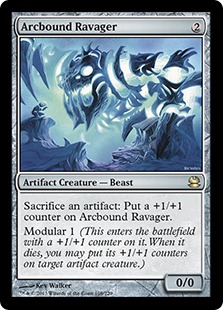
Why Affinity?

Now that we've tapped Abzan to champion the Mystic, we need to select our challenger. Although any top-tier deck could work here, we really need to pick an opponent that fulfills two criteria. First, we need our matchup to have a documented, baseline win-rate. This lets us check if Stoneforge Abzan pushes that win-rate too far in one direction or the other. Second, we need to choose a sparring partner that directly tests Stoneforge's strengths and weaknesses. No one is too worried about Mystic skewing the Abzan vs. RG Tron matchup too heavily. Warping an aggro matchup, however, is much more in line with the Kor's talents.

Arcbound RavagerBased on this, Affinity is an easy selection for our banlist-test grudge match. Numerous sources have attested to the 50-50 nature of Abzan vs. Affinity. We see this frequently in quantitative pieces, such as those published here, on MTG Goldfish, and on ChannelFireball. We also have qualitative confirmation of this contest, as seen in Andrea Mengucci's Abzan primer and Frank Karsten's Affinity primer, both published in the aftermath of Pro Tour Fate Reforged. With the datapoints aligning across the quantitative and qualitative spectrum, we can be reasonably confident this matchup is very close to 50-50. That presents a perfect opportunity to see how Stoneforge's addition could influence the duel.
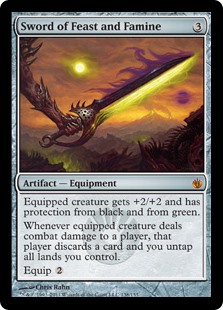
From a more theoretical perspective, one of the biggest fears around a Stoneforge unbanning is reducing format diversity by depressing the metagame share of aggressive strategies. As Wizards has said, they don't want a format dominated by the Mystic. Turn three Batterskull does a number on decks trying to win through damage, especially backed up by Abzan's disruption. Affinity is happy to rise to this challenge. If the robot horde is stymied by the lifelinking Germ, you can bet lower-tier aggro decks will be in even deeper trouble. That would suggest Stoneforge is much more dangerous than its proponents admitted. On the other hand, if Ravager and friends can keep an early Batterskull in check, it's possible other aggro players can adapt as well. This wouldn't be the end of testing, but it would be a very promising start for Mystic supporters.

List Selection

Finalizing an Affinity list was easy: Aaron Webster just got 2nd at Grand Prix Pittsburgh with a no-frills 75. We made some adjustments to the sideboard to reflect Affinity battling in a post-Stoneforge world, but the maindeck was largely unchanged except for one swap.

Affinity, inspired by Aaron Webster

Creatures

4 Etched Champion
4 Arcbound Ravager
2 Memnite
4 Ornithopter
4 Signal Pest
1 Spellskite
4 Steel Overseer
4 Vault Skirge

Artifacts

4 Cranial Plating
4 Springleaf Drum
4 Mox Opal

Instants

4 Galvanic Blast

Lands

4 Darksteel Citadel
1 Mountain
4 Blinkmoth Nexus
4 Glimmervoid
4 Inkmoth Nexus

Sideboard

2 Grafdigger's Cage
1 Spellskite
2 Blood Moon
2 Ghirapur Aether Grid
2 Ancient Grudge
1 Stubborn Denial
2 Thoughtseize
1 Whipflare
2 Abrupt Decay

We added in the Decays as game 2-3 concessions to Mystic. Although the BGx staple doesn't kill Batterskull itself, Affinity can easily pull ahead in the turns Decay buys after blowing up the Germ token. It can also use Decay to blow up the Mystic, whether against Abzan or the UWx decks that would invariably wield Stoneforge too. We also swapped the lone sideboarded Champion with a maindecked Spellskite to give us more beef in Game 1. Between Thoughtseize and Decay to disrupt, Aether Grid to circumvent Stony Silence, and the full set of Champions in the main, our Affinity list has more than a few answers to Abzan. Of course, there's an entirely separate question here as to whether Affinity runs Stoneforge itself, but we didn't worry about that for these tests.

Tailoring an existing Affinity list was easy. Crafting a post-Stoneforge Abzan list, however, was a bigger puzzle.

We started with Jon Westburg's 8th place Abzan deck from the October StarCityGames Open in Dallas. This was the highest-performing Abzan build in the fall and a good beginning for our Stoneforge overhaul. The first question was determining how many Mystic's to play, and then what equipment to run alongside her. We bounced around between three and four copies before realizing this was Stoneforge frikkin Mystic getting played in Modern. Of course we should be running the playset!

Sword of Feast and FamineAfter that, we needed to determine what else the Kor would be Stoneforging apart from Batterskull. Without access to Umezawa's Jitte, it was a tossup between Sword of Fire and Ice and Sword of Feast and Famine, both of which saw similar degrees of Modern play throughout 2015. Feast and Famine won in the end not because it's better against Affinity (it isn't), but because it's better in a metagame where everyone is playing Stoneforge. Protection from black and green tears through opposing tokens, not to mention all the Goyfs and Decays inevitably accompanying Stoneforge into battle. Fire and Ice got shipped to the board instead. This left us with a maindeck Stoneforge suite of 4 Mystic, 1 Batterskull, and 1 Sword. Silvestri used the same equipment package when brainstorming Esper Stoneblade, further justifying our decision.

After figuring out Mystic, we reconfigured the deck's removal to be more generic (nixing cuteness like Abzan Charm and Murderous Cut). We ended with sideboard tweaks, throwing in that leftover Sword, an extra Maelstrom Pulse, and even a Slaughter Pact to address Stoneforge on the play against opposing Mystic decks. Our final Abzan list bore a strong resemblance to Willy Edel's deck at Grand Prix Pittsburgh, which suggested our reworks were on the right track.

Stoneforge Abzan, by Sheridan Lardner

Creatures

4 Stoneforge Mystic
4 Tarmogoyf
1 Scavenging Ooze
4 Siege Rhino
1 Tasigur, the Golden Fang

Artifacts

1 Batterskull
1 Sword of Feast and Famine

Instants

4 Abrupt Decay
3 Path to Exile

Planeswalkers

3 Liliana of the Veil

Sorceries

4 Inquisition of Kozilek
2 Thoughtseize
3 Lingering Souls
1 Maelstrom Pulse

Lands

4 Verdant Catacombs
4 Marsh Flats
2 Windswept Heath
2 Stirring Wildwood
1 Shambling Vent
1 Twilight Mire
1 Forest
1 Plains
2 Swamp
2 Overgrown Tomb
1 Temple Garden
1 Godless Shrine
1 Gavony Township
1 Ghost Quarter

Sideboard

1 Sword of Fire and Ice
2 Stony Silence
1 Maelstrom Pulse
1 Scavenging Ooze
1 Slaughter Pact
1 Engineered Explosives
3 Fulminator Mage
2 Nihil Spellbomb
2 Duress
1 Liliana of the Veil

We agonized over that lone Scavenging Ooze for a long time. Most builds go up to two in the main, but we thought we could get away with one if we had Stoneforge instead. There was no avoiding the slot problem at 61 cards, so it was either trimming the Ooze, going to two copies of Liliana/Path, or nudging Rhino/Decay/Inquisition to three. All of those options sucked for different reasons (especially when viewed through the lens of a grindier, post-Mystic metagame), so we settled on the least problematic of the lot.

Test Parameters

A friend of mine with over a decade of Affinity practice piloted the robots. I stayed on Abzan. We considered switching decks between games, but experience is so important in getting the most out of Affinity that I deferred to his expertise. All tests were conducted online to speed games up (especially around Abzan's shuffling). For Game 1, we played 30 total rounds: 15 with Abzan on the play and another 15 with Abzan on the draw. Then we sideboarded and played 50 Games 2-3 trials, split evenly with both decks playing and drawing.

In his Affinity primer, Karsten estimated Game 1 at 75-25 in Affinity's favor, with Games 2-3 leaning towards Abzan at 40-60. Based on this and the other sources, we wanted to see if the Stoneforge Abzan vs. Affinity matchup would be 50-50 overall, with a ~25% Abzan win-rate in Game 1 and a ~60% Abzan win rate in Games 2-3.

Game 1 Results

In our thirty Game 1 trials, Stoneforge Abzan went 11/30 for a total win rate of 37%. Although this is higher than Karsten's 25% estimate, it's well within the expected variance (statistics talk: I bootstrapped the Game 1 sample in 10,000 resamples and then compared those results to Karsten's 25%, finding a statistically insignificant difference between the two at p=.50). This suggests Stoneforge Mystic had no statistically significant impact on the Affinity vs. Abzan contest in Game 1. She did, however, make small differences for the Abzan pilot.

Before we dive into the themes and takeaways of this matchup, here are the high-level Abzan figures from our thirty games.

  • Abzan win %: 37% (11/30)
  • Abzan win % on the play: 47% (7/15)
  • Abzan win % on the draw: 27% (4/15)
  • Average Abzan win-turn: 9
  • Average Abzan loss-turn: 6

Steel OverseerIt should come as no surprise you want to be on the play against Affinity, and Stoneforge Abzan was no exception. Similarly, the more you can prolong the Affinity matchup, the better it is for the Abzan pilot. This is particularly true when it comes to Stoneforge Mystic. Landing the turn 3 Batterskull before your opponent's fourth turn makes a world of difference, especially if you can beat Steel Overseer to its first tap. That said, Abzan couldn't push above 50-50 on the play even with Mystic in the mix, which suggests the Game 1 advantage remains solidly on Affinity's side of the court. For the sake of completion, here are the high-level Affinity stats, which just flip the Abzan numbers.
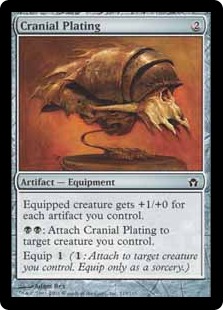
  • Affinity win %: 63% (19/30)
  • Affinity win % on the play: 53% (8/15)
  • Affinity win % on the draw: 73% (11/15)
  • Average Affinity win-turn: 6
  • Average Affinity loss-turn: 9

Let's go a little deeper. Here are some statistics around Stoneforge Mystic and her impact on games.

  • Games with 1+ Mystic: 70% (21/30)
  • Abzan win % with Mystic: 38% (8/21)
  • Abzan win % with no Mystic: 33% (3/9)
  • Abzan loss % with Mystic: 62% (13/21)
  • Abzan loss % with no Mystic: 67% (6/9)

Or maybe I should say, Stoneforge Mystic's relative lack of impact. Despite seeing the Artificer in 70% of games, Abzan managed only a slight improvement when it dropped her on the board. Without Mystic, Abzan won 33% of games. With her, it won 38%. That's an insignificant difference both at a glance and statistically. Even if we doubled our sample size to 60 games (or went all the way to 100), I don't think we would see much change here. The no-Mystic win rate would likely slip down to 25%-30%. As for games with Mystic, it might eke up to 40%. This would represent a very minimal improvement over a generally bad matchup, pointing to Mystic being safer than many of her critics acknowledged, but still of measurable benefit to Abzan.

On the subject of Mystic herself, one of the main objections to a Stoneforge unbanning is the power of turn 2 Mystic into turn 3 Batterskull. How did that line play out in the Abzan vs. Affinity fight?

  • Average Mystic turn: 2.75
  • % of Mystic games where Mystic landed on turn 2: 62% (13/21)
  • % of total games where Mystic landed on turn 2: 43% (13/30)

Cranial PlatingWin or lose, Abzan dropped a turn 2 Mystic onto the battlefield in 43% of its games. That's right around the expected value of drawing a Mystic in your opening 7-9 cards when you're running the full playset. There were three games where I had to hold removal or Inquisition instead of living the dream (typically blowing up Steel Overseer or discarding Etched Champion or an uncast Plating), but most of the time the turn 2 Mystic was the right play. Indeed, in those games where Abzan saw a Mystic at all, she landed on turn 2 in 62% of games.
Fortunately, we're not here to throw a fit about turn 2 Stoneforges in the abstract. We're here to look at how that turn 2 Mystic actually affected our win percentages.

  • Total Abzan wins: 11
  • % of Abzan wins with Mystic: 73% (8/11)
  • % of Abzan wins after a turn 2 Mystic: 46% (5/11)
  • % of Abzan wins after a turn 3+ Mystic: 27% (3/11)
  • % of Abzan wins with no Mystics: 27% (3/11)

Looking at wins alone, the turn 2 Mystic was a clear factor in Abzan's victories. Almost half of Affinity's losses came to the dreaded turn 2 Stoneforge, on top of Mystic's involvement in 73% of Abzan wins overall. Reviewing my notes, the Kor was a major contributor to all the wins where she made an appearance, particularly when that showing came on turn 2. Although we don't know with certainty how games would have ended if the Abzan player had drawn Kitchen Finks instead of Stoneforge, my notes suggest the one-two punch of Mystic into Skull was too much for Affinity to handle. Batterskull generated massive life advantages when left alone. I got Skull up on a Spirit four times total. All of those resulted in landslide victories. Taken as a whole, when Abzan won with Stoneforge, it tended to win big.

Of course, that gets us wondering about Mystic's performance in games Abzan eventually lost.

  • Total Abzan losses: 19
  • % of Abzan losses with Mystic: 74% (14/19)
  • % of Abzan losses after a turn 2 Mystic: 42% (8/19)
  • % of Abzan losses after a turn 3+ Mystic: 26% (5/19)
  • % of Abzan losses with no Mystics: 32% (6/19)

Galvanic BlastHmm. Maybe Stoneforge wasn't so decisive after all...
Even though Stoneforge hit play on turn 2 in 42% of these losses, she was unable to avert the inevitable defeat. Indeed, Mystic entered the battlefield in 74% of the lost Abzan games overall, the exact same rate she appeared in the Abzan wins (73%). My notes give some explanation around these losses. There were three factors which worked against the turn 2 Mystic, converting a potential win into a guaranteed loss. The first was removal: a stray Galvanic Blast crippled the Batterskull line and left the Abzan player on the back foot. The second was Inkmoth Nexus, which combined with Ravager or Plating to soar across for a poisonous finale. Finally, Etched Champion could sit back and block the hapless Germ token all day while Affinity's fliers chipped away for the win. These numbers and the narratives behind them show the Kor was quite beatable.

In the end, Abzan saw the Mystic in 70% of its games, but still maintained similar win percentages when it drew Mystic (38%) and when it didn't (33%). These numbers are right around Karsten's 25-75 Game 1 estimate, and although Mystic nudges the scales in Abzan's favor, it's not nearly a big enough push to cause worry. Based on these numbers and their context, I am tentatively concluding that Mystic does not break the Abzan vs. Affinity matchup in Game 1. Affinity has more than enough maindeck ways to handle the infamous Artificer, whether through direct removal, the protected Champion, venomous Inkmoths, or even through a simple airforce damage race.

Limitations

Like any testing environment, our Abzan vs. Affinity study today has limitations. For one, I know at least a handful of readers are going to see the number of test games and immediately cry foul about an insufficient N. Many of these critics wouldn't be satisfied with 50 or even 100 games, because these samples fall below N levels needed for "truly" significant results. I've compensated for this in a few ways. This includes bootstrapping our sample, checking the observations against the expected values and seeing no serious deviations, and digging into the narratives behind each game to contextualize the numbers. Social science analysis often deals with smaller samples, and these methods are all great ways of mitigating the low-N effect. Moreover, I sincerely doubt Wizards runs 10 matches of hypothetical Modern decks, let alone 30 Game 1s. This suggests the testing should be more than enough to suggest something about banned cards.

A second limitation concerns the test's applicability to other matchups. Can we make conclusions about the Abzan vs. Burn Game 1 based on these results? Or Abzan vs. Gruul Zoo? These comparisons are fraught with difficulties. On the one hand, something like Burn or Zoo would lack both Champions to stonewall a Batterskull and the Inkmoths Atarkas Commandto ignore lifegain. On the other hand, both decks pack significantly more removal than Affinity's four Blasts, not to mention anti-lifegain bullets in Atarka's Command and Skullcrack. Without testing these matchups, it's hard to know if one factor would compensate for another. This underscores the need for further testing, but also the importance of looking for matchup themes. For example, the Affinity results suggest Burn would probably be okay battling through a Mystic. It has enough spells to either kill Stoneforge (a noticeable Mystic weakness in even the removal-light Affinity tests), or to ignore the Skull and blast for lethal (as Affinity could do with its flying creatures). Then again the landlocked, creature-packed Gruul Zoo might struggle here.

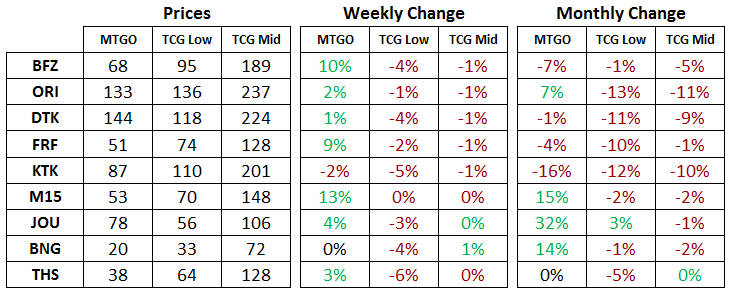

Stay tuned for Round 2!

I hope you're as excited to read the Games 2-3 results as I am to report them! We'll be back next week with the conclusion of our Stoneforge Abzan vs. Affinity series, along with some final thoughts based on this round of testing. Mystic might not have caused too many problems in Game 1, but I'm sure we're all excited to see how she fares once the sideboard comes in.

Let me know if there are any additional matchup numbers you want to see or unanswered questions you want addressed. Do you have issues with the methodology? Concerns about the lists or feedback about the matchup? Any other opinions you have on Mystic and translating these Affinity-focused results to a broader metagame? Bring it into the comments and I'll see you all there!

Insider: MTGO Market Report for December 16th, 2015

Are you a Quiet Speculation member?

If not, now is a perfect time to join up! Our powerful tools, breaking-news analysis, and exclusive Discord channel will make sure you stay up to date and ahead of the curve.

Welcome to the MTGO Market Report as compiled by Sylvain Lehoux and Matthew Lewis. The report is loosely broken down into two perspectives.

A broader perspective will be written by Matthew and will focus on recent trends in set prices, taking into account how paper prices and MTGO prices interact. Sylvain will take a closer look at particular opportunities based on various factors such as (but not limited to) set releases, flashback drafts and banned/restricted announcements.

There will be some overlap between the two sections. As always, speculators should take into account their own budget, risk tolerance and current portfolio before taking on any recommended positions.

Redemption

Below are the total set prices for all redeemable sets on MTGO. All  prices are current as of December 14th, 2015. The TCG Low and TCG Mid prices are the sum of each set’s individual card prices on TCG Player, either the low price or the mid price respectively.

All MTGO set prices this week are taken from Goatbot’s website, and all weekly changes are now calculated relative to Goatbot’s ‘Full Set’ prices from the previous week. All monthly changes are also relative to the previous month prices, taken from Goatbot’s website at that time. Occasionally ‘Full Set’ prices are not available, and so estimated set prices are used instead.

Dec14

Theros Block & M15

All these sets once again posted price gains last week. Magic 2015 (M15) was the biggest gainer, having risen 6 tix over the previous week.

One of the cards that saw a move was Chandra, Pyromaster, which had dipped below 2 tix. This planeswalker has been Modern-playable in the past, and it bumped up to over 3 tix after featuring in Saffron Olive's Free Win Red deck last week.

The other main factor in M15's rise this week was the official unveiling of the new colourless mana symbol, which is being retroactively added to all colourless-producing lands, including the enemy painlands.

Speculators and players are expecting these lands to deliver extra utility after Oath of the Gatewatch (OGW) is released, and have consequently driven up the prices on the M15 versions.

Tarkir Block & Magic Origins

Khans of Tarkir (KTK) was the only one of these sets to see a decline in the past week, while Fate Reforged (FRF) jumped 9% on the back of Monastery Mentor and Soulfire Grand Master. Dragons of Tarkir (DTK) was up 1 tix in the last week.

Battle for Zendikar

With a hefty 10% increase in the past week, it appears that Battle for Zendikar (BFZ) has put in a price bottom. This might not be the ultimate low for this set, but it gives speculators a price to consider if or when it returns to this level.

The next time it will approach this price will be during OGW release events. Be sure to stock up on tix in advance so as not to be caught in the liquidity crunch. When cards go on sale, such as during release events, having a supply of tix handy in order to take advantage is prudent.

Standard Boosters

With the Legendary Cube retiring, interest has returned to the Tarkir block draft formats and ORI draft. This has pushed the price of DTK and ORI boosters over 4 tix.

KTK and FRF boosters are holding steady at 3.4 and 2.6 tix respectively, but time is running out for them to see much higher prices in the near term. It's more prudent to start selling these boosters now before OGW is released and interest in older draft formats dries up completely.

Modern Boosters

This week Wizards announced that 2016 would be the Year of Modern Flashbacks, beginning with 8th Edition in January and running sequentially through all the Modern-era draft formats. These queues will be slightly cheaper than normal draft queues. One can enter with 10 tix, 100 play points or 2 tix and the appropriate boosters. Also, they are non-phantom and pay out in play points only.

This means cheap boosters will be a way to enter these queues at a discount, so players should stock up on any booster cheaper than 2.67 tix from their favorite draft formats. Speculators should be more discerning and stick to boosters at 2 tix or less.

One more note. Since the draft formats will be introduced in their historical sequence, large sets will be opened for longer.

For example, Time Spiral (TSP) block draft will start with triple TSP for a week, then introduce one booster of Planar Chaos (PLC) for a week, then finish it off with a final week drafting the full block. Any booster that gets drafted for three weeks should end up around 2.7 tix due to the extra demand these queues will create.

Even the much maligned Theros (THS) boosters have a chance of getting back to 2+ tix, since entering a triple THS draft would only cost 4.5 tix using product at current prices. Such a substantial discount will not last long if and when THS becomes the flashback draft format of the week, expected sometime in 2016.

Modern

In a context of ever-climbing Modern prices, the ranks of Modern staples matching their previous record high keeps growing. This week, Inquisition of Kozilek, Blood Moon, Rest in Peace, Nettle Sentinel, Creeping Corrosion, Kitchen Finks and Scalding Tarn, among others, equaled or exceeded their past high.

The optimal selling window for the average Modern staple is getting closer. On a case-by-case basis several positions, including Voice of Resurgence, Horizon Canopy, Scapeshift, Grove of the Burnwillows and Oblivion Stone, are plateauing and facing some price resistance while at or near their all-time high.

If further price gains are possible moving forward, this price resistance might signal a good opportunity for speculators to cash out and secure benefits accumulated over the past two months.

The hype generated by a potential unban of Stoneforge Mystic not only carried the price of the Worldwake (WWK) creature over 7 Tix, but also bumped the price of the most playable equipment in Modern. Sword of Fire and Ice, Sword of Feast and Famine and Sword of War and Peace rose by 20% to 70% in just a week.

There was an error retrieving a chart for Stoneforge Mystic

Speculation related to the Stoneforge Mystic case will come to a crossroads mid-January with the B&R list announcement. At this point speculators will be facing two options. Each will have to decide for themselves a line of action before that date:

1) Selling positions for some profit to avoid the crash if Stoneforge Mystic remains banned in Modern, and missing on greater profits in the case of unbanning; or,

2) Holding onto positions for substantial additional profits if Stoneforge Mystic becomes legal in Modern, but carrying the risk of no profit or even losses if Stoneforge Mystic stays banned. If the latter occurs, prices will collapse in a matter of hours.

Lastly, as mentioned above, Lee Sharp announced this Monday that 2016 will be the year of Modern flashback drafts. This is fairly big news for players and a puzzle to solve for speculators. Almost every week through 2016 a different Modern-legal format will be drafted, starting with 8th Edition and moving up chronologically (Mirrodin block, Kamigawa block, etc.)

As for any flashback drafts, cards opened during such events are expected to dip in price. That means pretty much all of the Modern card pool will be affected at some point in 2016. Starting in only few weeks, speculators should check their Modern inventory and sell positions consequently.

On the positive side, not only is the whole agenda known in advance, but these events will create buying opportunities once drafted Modern staples drop in price.

Another, more unusual, speculative opportunity reported by Matt Lewis earlier this week is to invest in boosters to be drafted during these flashback events that are currently valued around or below 2 tix.

Boosters can be used to enter the flashback drafts but are not awarded as prizes. This creates a net need for boosters, at least until the combined value of three packs reaches 8 tix, the alternative entry cost payable in tix.

Legacy & Vintage

One week after the end of Legendary Cube drafts, the value of the Legendary Cube set is up by about 15% and the price of PZ1 packs got bumped by 0.3 - 0.5 tix. Pauper, Modern and Legacy staples, as well as several Commander 2015 cards, have shown double- or even triple-digit percentage point growth over the past few days.

With no references from tournament results or past prices to anchor them, Commander 2015 cards that started extremely low could see tremendous price changes in the coming months.

These may ultimately represent great speculative opportunities, but tread carefully. The risk-reward here is difficult to assess, as these cards are only Legacy-playable with, for the most part, no chance of seeing competitive play.

Pauper

The beneficial effect of Pauper leagues continues to affect prices and the popularity of the format. The number of decklists appearing under each archetype in the Pauper Metagame section on MTGGoldfish.com has quintupled compared to a month and a half ago.

Although the same player can now enter more events than in the past, these numbers reflect an increased popularity of the format, and a greater total number of players entering Pauper events on MTGO.

With prices pushing higher and higher, estimating the potential new ceiling of Pauper staples is a wild guess. Speculators are always encouraged to secure their profits after a strong price hike.

This is especially so considering the chain of events lining up over the next few weeks--Holiday Cube drafts, Modern flashback drafts, the release of Oath of the Gatewatch and Pro Tour Oath featuring Modern Constructed.

Targeted Speculative Buying Opportunities

Standard

Targeted Speculative Selling Opportunities

Standard

KTK Boosters

FRF Boosters

Siege Rhino
Dig Through Time
Sarkhan, the Dragonspeaker
Shaman of the Great Hunt
Brutal Hordechief
Warden of the First Tree
Whisperwood Elemental
Rending Volley
Valorous Stance
Wild Slash
Infinite Obliteration
Crux of Fate

Modern

Flame Slash
Mox Opal
Eye of Ugin
Aven Mindcensor
Shatterstorm
Keranos, God of Storms

Pauper

Sunscape Familiar

Want Prices?

Browse thousands of prices with the first and most comprehensive MTG Finance tool around.


Trader Tools lists both buylist and retail prices for every MTG card, going back a decade.

Quiet Speculation