

Are you a Quiet Speculation member?
If not, now is a perfect time to join up! Our powerful tools, breaking-news analysis, and exclusive Discord channel will make sure you stay up to date and ahead of the curve.
If I said old-money Modern cards, you likely wouldn't know what I was talking about (which is fair, because I made the term up), but despite an initial lack of context, I bet you could name a dozen of them without even taking pause. These are cards that have been fixtures of Modern Constructed for eons and have hefty price tags that reflect high demand from tournament goers.
An Arcbound Ravager saunters into a posh country club and declares, "I think I'll buy a railroad!"
Tarmogoyf, seated in a large overstuffed chair and smoking a cigar, looks up from his stock ticker and replies, "Sorry, Old Sport, I own all the railroads and they are not for sale."
Mox Opal chimes in from the corner, "I'll sell you a race horse..."
The bluebloods of the format have earned their status for a reason: they are the best cards and go in the best decks in Magic's most popular format! Today's article is about identifying potential "New Money" cards that are likely to follow a similar trajectory to the proven "Old Money" mainstays.
Old Man, Look at My Life, I'm a Lot Like You Were...
The biggest difference between Old Money and New Money staples is merely when each card was first printed. Other than that, these cards share tons of overlap in terms of power level, playability, and metagame relevance. New or old, these are cards that define archetypes, see a ton of play across the format, and that I expect to continue to see a lot of play in the future.
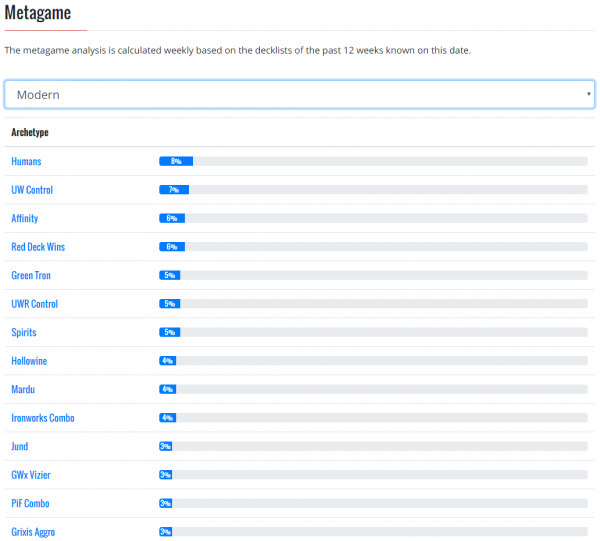
Many don't realize it, but Modern has undergone a dramatic transformation over the past year. A lot of players complain the format is stagnant and random, but that has not been my observation or experience. The top-tier decks today are completely different from a year ago: U/W Control, Humans, and KCI were not dominating anything a year ago.
So, why is the format so different? The answer is simple: insane new cards!
Essentially, these insane new cards that have been shaping the course of the format and are the next wave of Tarmogoyfs and Snapcaster Mages. The cards I'm targeting this week have the potential to achieve that iconic, format defining status for years to come AND potentially make a lot of money.
Here's what to look for in a New Money card that has the potential to weather the storm for years to come.
- Inherently high power level. The card has an obviously high power level for Modern play.
- Fits into established archetypes. I'm not looking for weird fringe cards that go into niche decks. I'm looking for outstanding cards that can go into a singular busted deck and/or great cards that can go into a wide array of decks.
- Recent Printing. I'm looking for newer cards that have comparable power level to cards that have lasted for years.
- Potential for retaining and gaining value. The biggest risk with newer cards is losing value when they rotate out of Standard. I want cards with sufficient long-term viability that will maintain or rebound value after rotation.
One thing most cards I would characterize as Old Money share in common is that they are worth more now (based on their Modern demand) than they were while they were in Standard. Obviously there are exceptions like Jace, the Mind Sculptor, but there are countless examples (fetches, Snapcaster, Mox Opal, etc.) where steadfast Modern staples retained and/or gained value beyond their Standard value even despite Modern Masters reprints.
The idea behind today's theory and subsequent picks are to target recent printings that have a high probability of following in Old Money's footsteps.
Welcome to the Format of Tomorrow – Today!
Another great upside of targeting newer cards is that they are more readily available than older ones. People have these cards in their binders from cracking prize packs or doing drafts, which makes them ideal targets for casual trades or cashing out Store Credit.
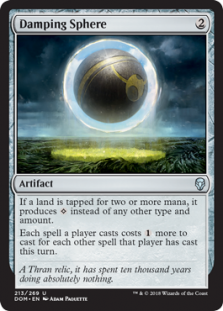
Did you know the lowly Damping Sphere is the seventh-most played card in Modern? It's colorless and thus accessible to most decks, and it is extremely effective against multiple linear decks, including Tron and Storm.
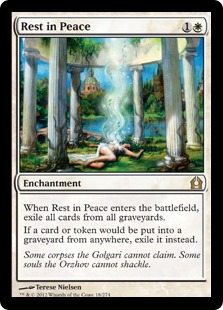
I believe it is likely this card will take a similar trajectory to Stony Silence, Grafdigger's Cage, and Rest in Peace, which were all very cheap while in Standard – and then suddenly expensive. At about $1, it seems almost impossible picking these up now won't work out very favorably down the road.
Fatal Push may be rotating from Standard, but it will live on forever in Modern. Standard rotation also means lots of people looking to trade off, which creates an ideal buyer's market for the card. BG and BGx are Modern fan-favorites, and both strains of Golgari are about to get powered up by Assassin's Trophy this fall. For all these reasons, Push feels like an easy pick to be a great card for years to come.
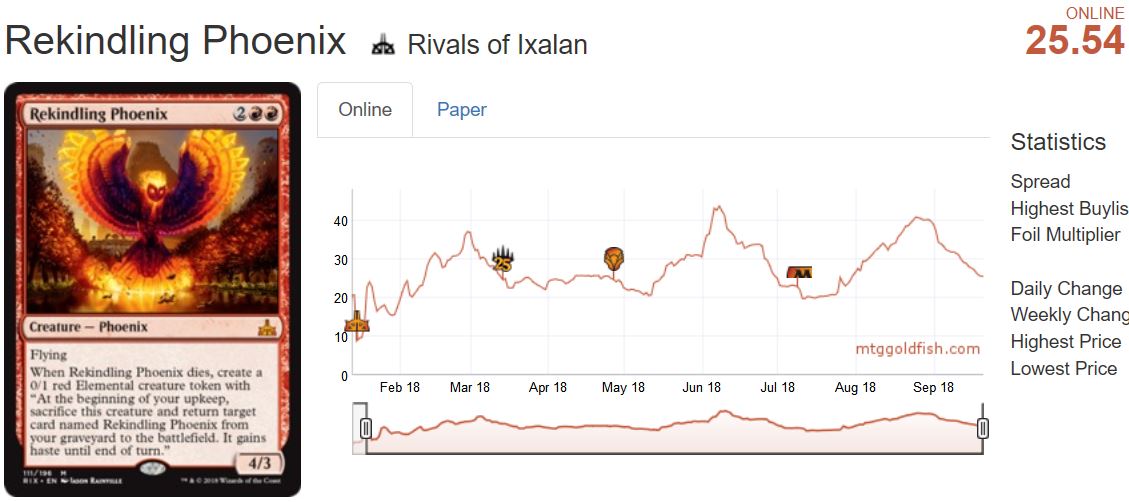
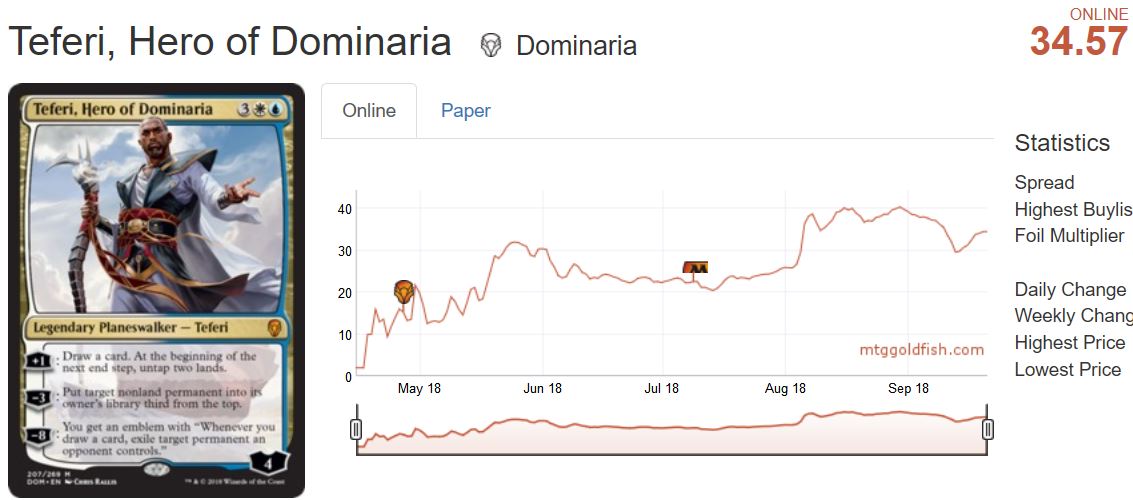
Teferi is risky only because the cost is so high (approximately $50), but the ceiling is likely higher. The card has helped to redefine the top tier of Modern. I can't imagine there will be an objectively more powerful card in Standard, even after Guilds of Ravnica is released. Teferi is quintessential New Money because it's just so obviously broken in half. My biggest fear about investing in a $50 Standard card is that it could turn up in a preconstructed deck. However, Chandra, Torch of Defiance, recently saw print in a preconstructed deck and still maintained a hefty price tag throughout its Standard lifetime.
Search has made waves in formats all the way through Vintage. Being double-faced makes it less likely to see a reprint, which I like. I've now played with the card enough to know it is a blue control staple forever.
Field of Ruin is the tenth-most played land in Modern. I've heard players describe it as "one of the five most important cards in Modern right now." The card will be played in a wide array of decks, and though likely to see a reprint at some point, I'd be willing to wager my investment will spike before that reprint hits store shelves.
"Tribal Tron" – the trio of Unclaimed Territory, Cavern of Souls, and Ancient Ziggurat – is the backbone that supports Humans. The deck has been a defining force and doesn't appear to be going anywhere despite a rough U/W matchup. The strategy is pound-for-pound punishing and has a surprising amount of great matchups across the board. Also, the trio of lands could foster other new tribal decks down the road, which makes Territory a great card stash away.
The concept of thinking about which recent printings have the potential to stick around indefinitely in Modern makes a lot of sense. It's also a concept that we can always be thinking about as months and years roll by. Which new cards are impacting and changing Modern today? The above are cards most likely to retain high demand one, two, or even five years down the road.
I'd Rather Have a Damping Sphere than a Soda – and It's Not Close
Today's article featured a handful of selections that I've been targeting lately, but there are obviously lots of other great cards that could easily be Modern fixtures years down the road. Of all the picks in this article, the one I like best is $1.00 Damping Sphere. Lock that up before it's too late. I can't even buy a Pepsi for a buck, but I can get a rare that is the seventh-most played card in Modern for that price?
It seems too good to be true, and it probably is.
Remember that even the mighty Tarmogoyf had to prove itself once. Which other recent printings do you think have a shot at hanging around and becoming Modern staples for years to come? I'd love to see your picks in the comments, or you can always find me talking MTG on Twitter at @briandemars1 or on Facebook.
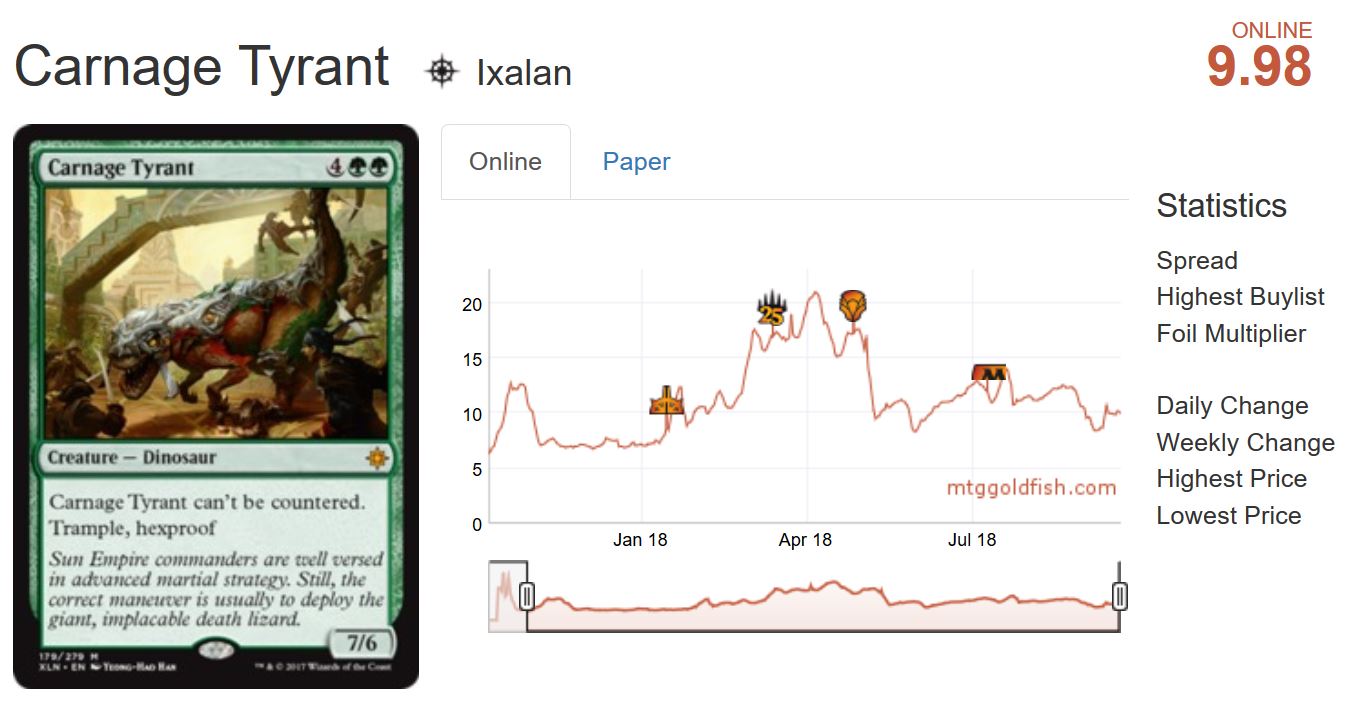
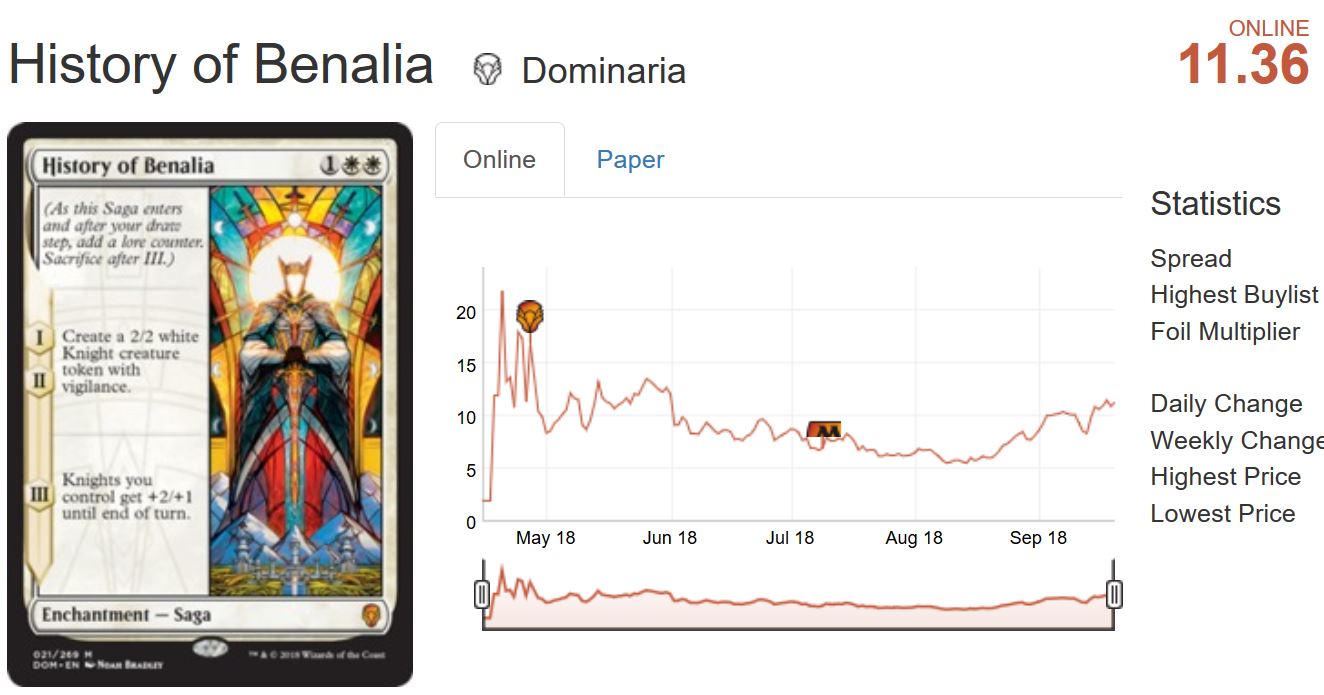
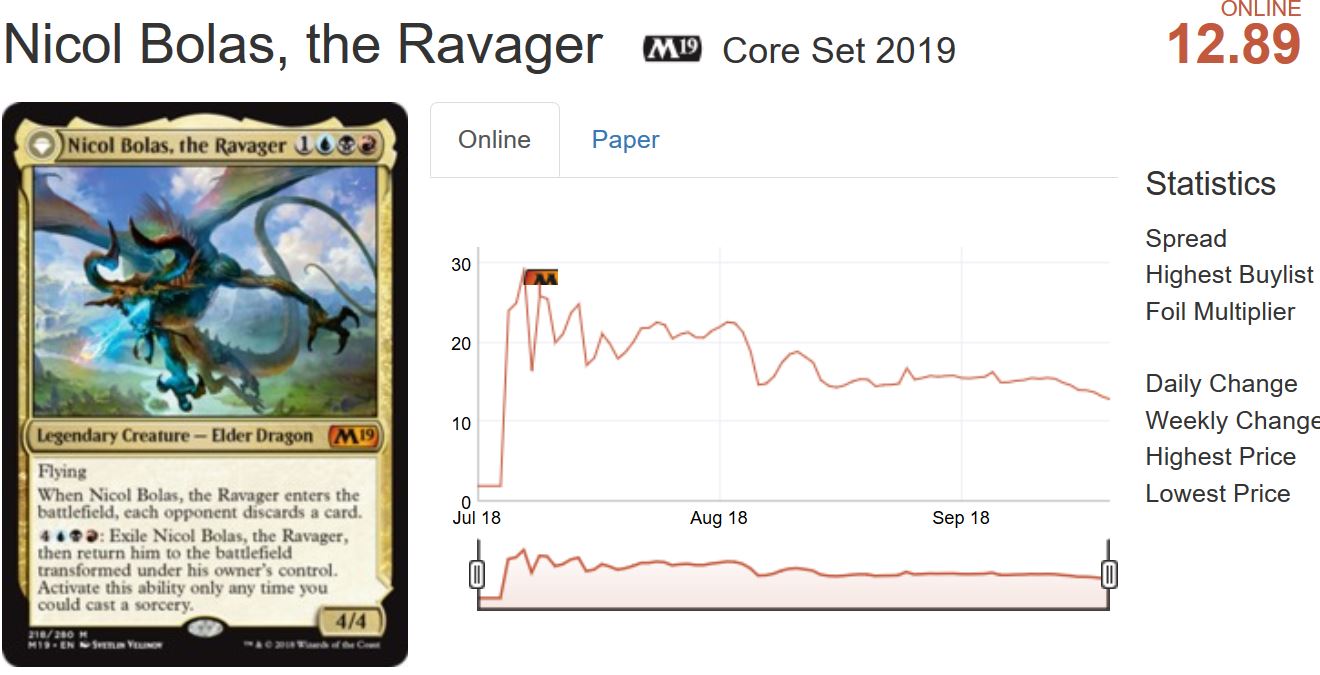
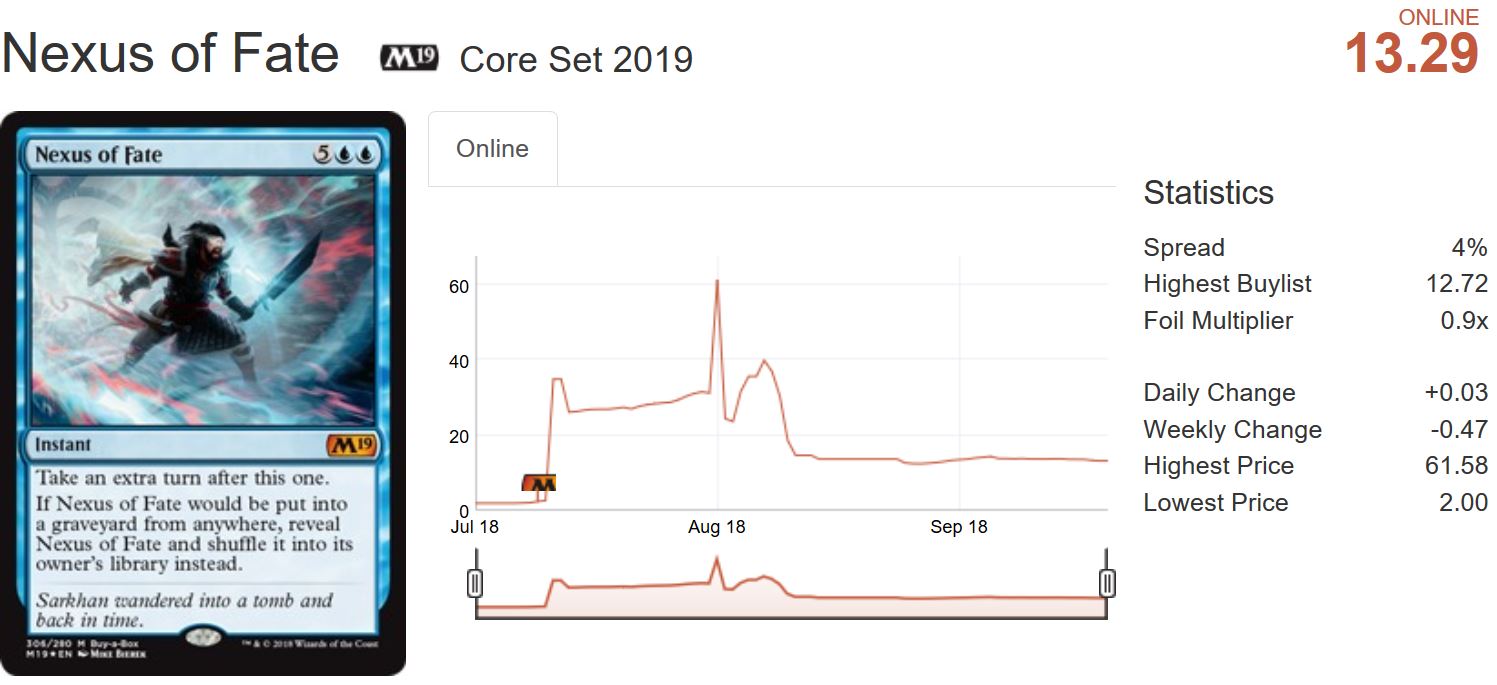
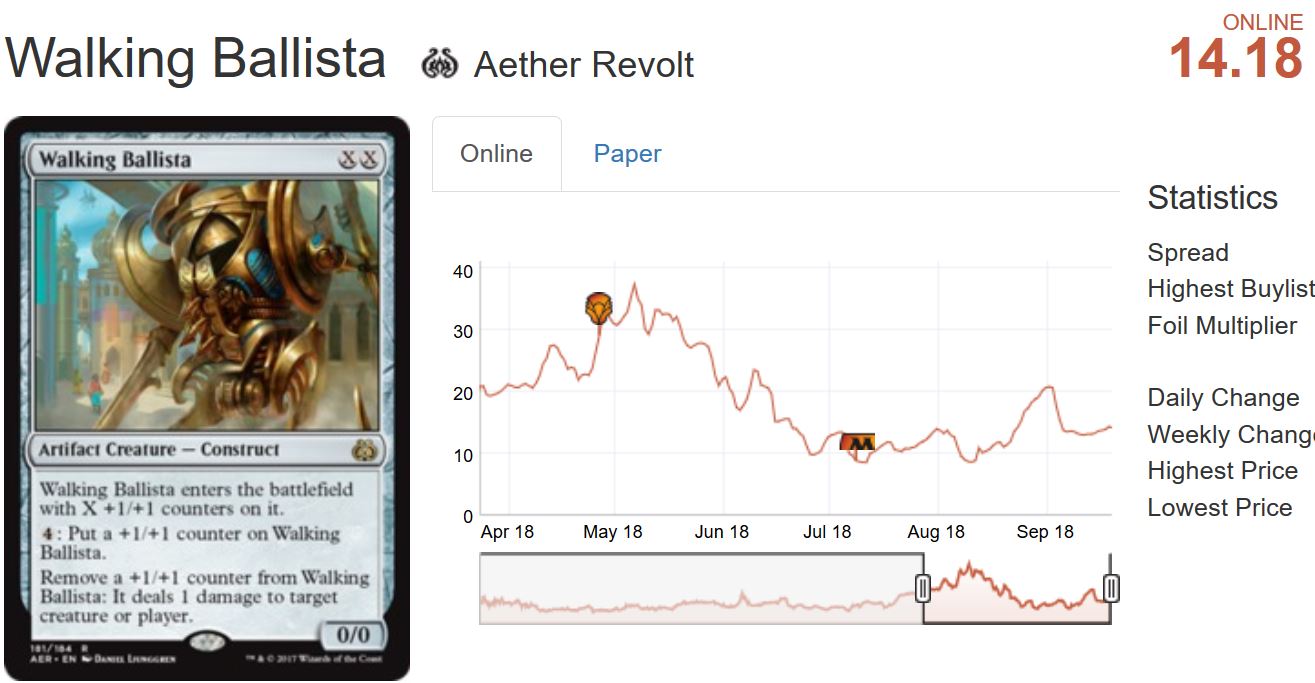
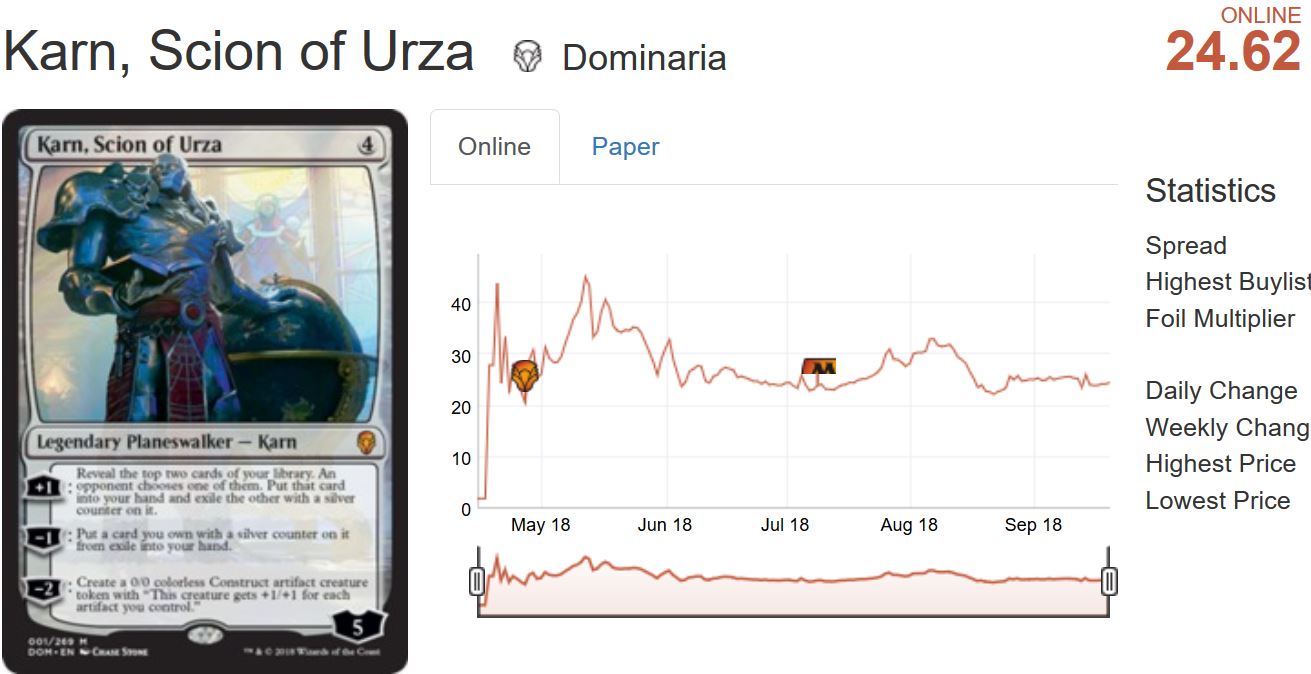

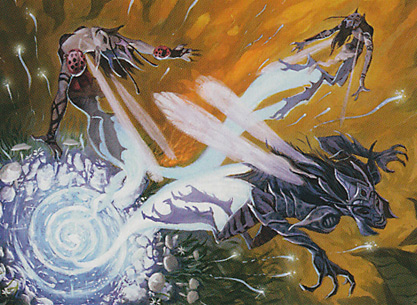
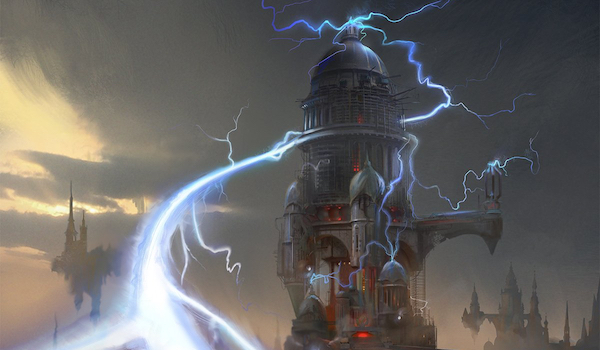
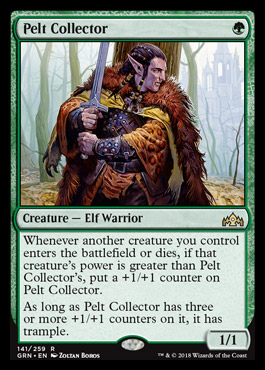
 Pelt Collector: While it's not by any means a top-performing deck, Mono-Green Stompy does have its Beliebers, and surely welcomes Pelt Collector to its ranks. The card's "dies" clause makes it an apparent upgrade to Experiment One, although Pelt does lose regenerate. What I think is likely to happen is Stompy begins running both creatures to increase its aggressiveness and gain the redundancy of multiple functional copies of Champion of the Parish.
 Creeping Chill: I've heard musings about this card in Dredge, and while I was initially skeptical, I am starting to come around on the idea. The deck can struggle against proactive aggro strategies like Humans and Spirits, and milling Creeping Chill might sometimes buy Dredge the extra turn it needs to get Conflagrateonline. Chill also makes Conflagrate lethal faster. 4 Chill equates to 12 points of damage lurking within the Dredge deck, perhaps incentivizing opponents to play differently against the deck when at low life totals. But of course, it's an awful draw. I do think the card is better-suited to the sideboard.
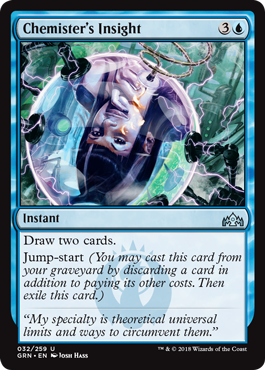 Chemister's Insight: Glimmer of Genius was run by control decks for awhile as an instant-speed way to restock on cards. Chemister's Insight seems much better thanks to jump-start. Now, control mages can draw two twice at the low cost of a superfluous fetchland land or other unwanted card. But another card was printed between Glimmer and Insight that may prevent the latter from truly shining in Modern: Hieroglyphic Illumination. Cycling lets this draw spell dig for answers when mana is tight, even bypassing checks like Thalia, Guardian of Thraben. I expect Insight to be more popular in control-heavy metagames such as the current one, but Illumination to remain the favorite in this slot over longer stretches of time. Modern is simply too wide-open to discount the aggro-combo decks outright.
 Knight of Autumn: This creature gets my vote for most playable Guilds card other than Assassin's Trophy. Reclamation Sage is already a Modern staple, and Knight of Autumn is leagues more versatile. Sage so popular in part because it's never dead; at worst, it's a 2/1. Knight more than doubles those stats at 4/3, and has the added versatility of being able to gain a whopping 4 life should pilots choose. These benefits come at the cost of Sage's eminently splashable price tag; it's much harder to run Knight in Valakut decks, for instance, and the newcomer is a less reliable answer to Blood Moon out of something like Amulet Titan. But plenty of Sage-featuring 75s can cast Knight, and will probably be looking to trim copies of Sage and Qasali Pridemage to make room for the creature. Another exciting factor: Knight is totally acceptable off a Collected Company, making it a potential mainboard inclusion in those decks.
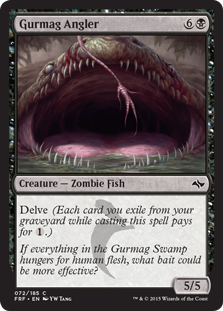
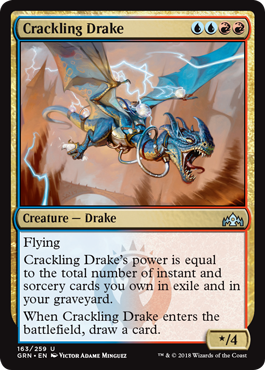 Crackling Drake: Huge creatures in Modern all have their drawbacks. Some are soft to artifact removal, like Hollow One. Others open pilots up to certain plans from across the table, such as Death's Shadow. And many rely on the graveyard, including Tarmogoyf, Gurmag Angler, and Bedlam Reveler. This final category tends to be the best-performing overall, since filling the graveyard is a given in a fast format full of fetchlands.
 Mission Briefing: A huge draw to Snapcaster Mage is the body. Snap can chump an attacker, trade with a smaller body in combat, psuedo-haste attack a planeswalker, or put a clock on opponents. That body seems far better than surveil 2, no matter how "good" surveil 2 is (and it's way nicer than scry 2). Mission Briefing also has a prohibitive cost. With all that said, I still wouldn't count Briefing out completely; there may yet be a Modern deck that doesn't care so much about a body but still wants to flash back its crucial spells. Briefing can also be cast in desperation, like Snapcaster; it surveils before targeting, giving pilots the option to play instant/sorcery spells off the top of the deck. Oh, did I say targeting? The word "choose" actually allows pilots to get around hate like Surgical Extraction when casting Briefing.
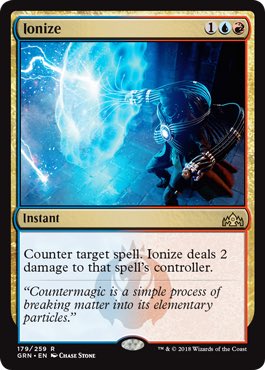 Ionize: Of the three-mana counterspells in Modern, Counterflux and Disallow have seen play in Modern. Ionize may compete with those by giving UR decks a Countersquall of sorts that hits anything. With Snapcaster, the instant produces an impressive 4 damage. I can see Jeskai potentially adopting Ionize.
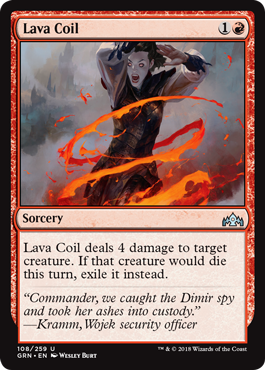 Lava Coil: A Roast that hits fliers like Restoration Angel, but unfortunately is still stuck at sorcery, preventing it from taking out Celestial Colonnade or disrupting combos. Sniping Voice of Resurgence and Kitchen Finks is a decent upside, though. Flame Slash continues to
 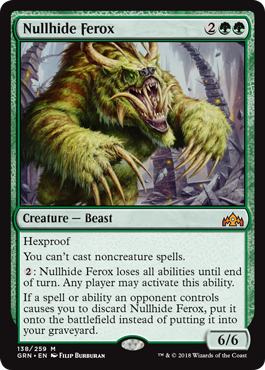 Nullhide Ferox: Cute design, cuter art. I know people who have tried Dodecapod in Delver shells out of the sideboard to combat BGx (
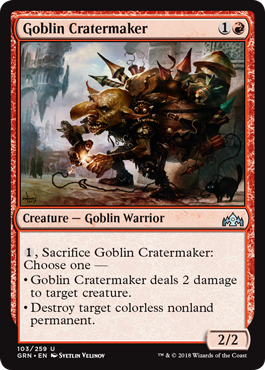 Goblin Cratermaker: This little guy offers a surprising amount of versatility, threatening Eldrazi creatures and Tron's haymaker planeswalkers all at once, not to mention artifact lock pieces like Chalice of the Void and Ensnaring Bridge or game-enders such as Krark-Clan Ironworks and Cranial Plating. Hitting utility creatures is also a nice touch, giving players the option of disrupting combos and quelling aggression. But I can't think of a deck that would ever want it in the mainboard, and superior artifact hate exists in red for the sideboard.
 Maximize Velocity: Jump-start gives players the opportunity to haste their guys twice, and simply having Velocity in the graveyard might make opponents respect it by holding back attackers. It's probably best in an aggro-combo shell like BR Kiln Fiend. These decks tend to run Faithless Looting for consistency reasons anyway, making Velocity essentially free in terms of card economy. Arclight Phoenix, despite
 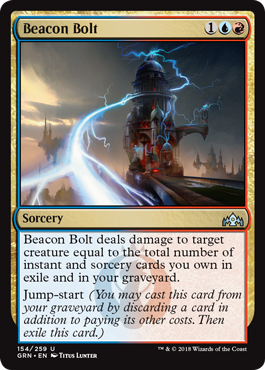 Beacon Bolt: URx decks lacking black or white have long struggled to remove big creatures. My experiments with Spite of Mogis as a solution to this problem once payed off
 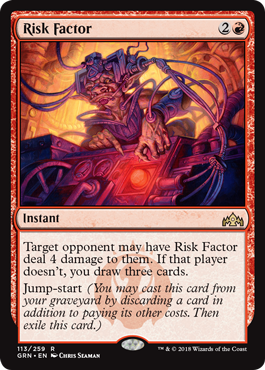 Risk Factor: Browbeat is not a playable Modern card. True! By now, a natural aversion to punisher mechanics is common among Magic players. After all, opponents will choose the lesser evil. But Vexing Devil
  We almost always want to resolve a delve threat in the first few turns of the game, something that's quite feasible. With that out of the way, we own the battlefield until the creature is removed, generally by Path to Exile or Assassin's Trophy. These spells ramp us into Crackling Drake. Once we enter that stage in the game, we're basically chaining Drakes into each other for value until opponents can't remove one and die to it in one or two swings.
 In terms of matchups, I've found this shell to line up well against all types of control. Its one-threat-at-a-time mentality stunts sweepers, and the deck is built to beat Bolt and Path. Drake especially is a beating for these decks. Creature decks like aggro and midrange are also fine matchups thanks to the Snap-Bolt-Push removal suite. Tron is a tough one to beat, but the sideboard could be further tweaked to accommodate for that weakness. Drake simply doesn't cut it in linear combo matchups of that sort.
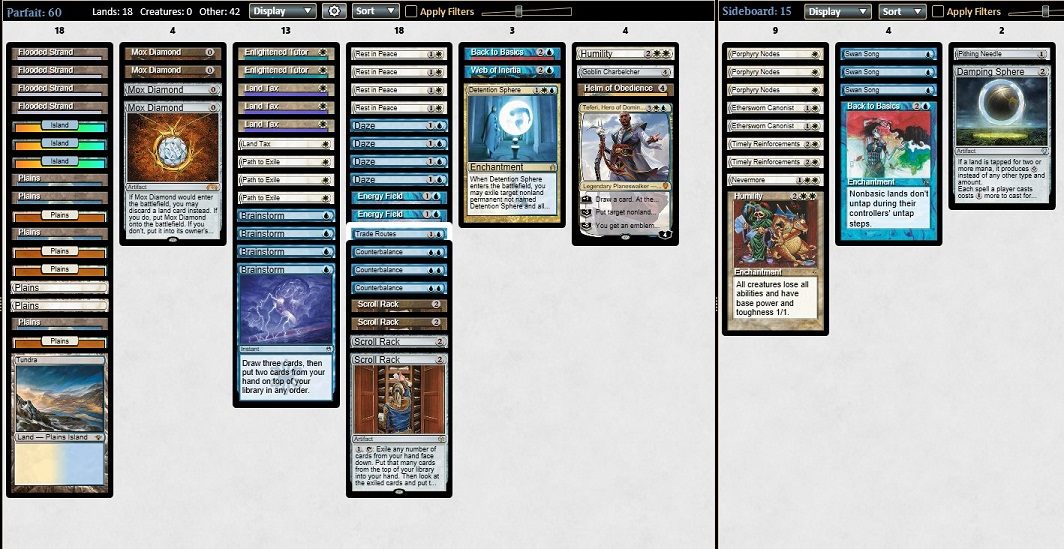


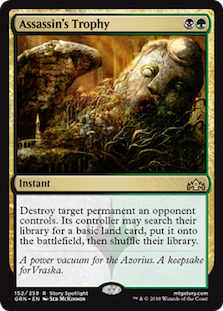 For ages people have clamored for Wizards to print catch-all answers in Modern. The argument is that the metagame is so broad that it is difficult for the fair decks to combat. 15 sideboard slots is simply not enough with the narrow answers currently available. If you want to play a fair, reactive deck, you were forced to play with counterspells. Counterspells are about as general as answers can get, as they can deal with any spell. Now with Assassin's Trophy, BGx decks have something to turn to for their catch-all answer.
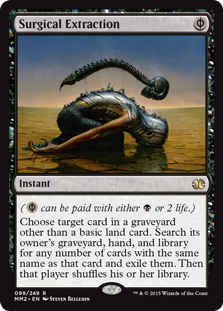 A card that I think will be key to Assassin's Trophy’s success is Surgical Extraction. By combining these two cards, it will be easy to pick apart strategies that rely heavily on one or two permanents for their deck to function. This importantly extends to land-based decks like Tron and Valakut which traditionally have a favorable matchup against BGx decks. Expect to see Surgical Extraction become a mainstay in the sideboard.
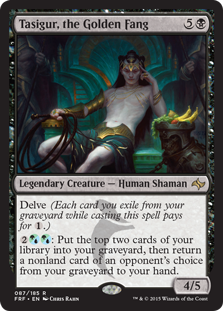 My overall approach to building with Trophy is to play efficient threats and ways to recoup the card disadvantage inherent to the card. Cards like Tarmogoyf and Tasigur, the Golden Fang are good at presenting a big clock on the cheap, while Tireless Tracker and Dark Confidant are powerful ways of generating card advantage. Tasigur in particular is going to be key to the deck. It is both a cheap threat and a way of generating card advantage—hence why I am playing it over Gurmag Angler.
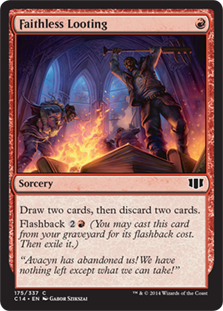 I thought this deck was very good at the time I was playing it. Jund and blue decks were everywhere, and it is very favorable against those decks. The deck has too many sources of card advantage to grind through, and Faithless Looting makes it so the deck almost never floods in the late game. Those two components make for a strategy difficult for any fair deck to work its way through. If the printing of Assassin's Trophy causes a rise in BGx decks, this deck would be a great choice.
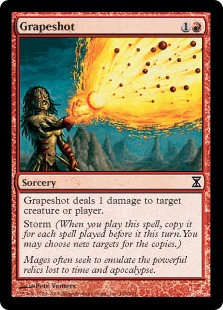 Winners in the Assassin's Trophy metagame include decks that are good at grinding, and spell-based combo decks that are resilient against the kill-any-permanent spell. If I wanted to play a fair deck, I would look towards something like Mardu Pyromancer as it has a powerful late-game engine to outgrind BGx decks. As for combo, I would consider Storm or Ad Nauseam. A pile of kill spells does not really interact well with the stack, and Storm is resilient enough to beat a couple hand disruption spells. Ad Nauseam is one of my favorite decks in Modern, so I may be a bit biased on this one. Traditionally Thoughtseize is pretty good against a deck trying to assemble two specific cards in hand, but without a clock to back it up sometimes it is not enough. That said, if Humans continues to take up a significant portion of the metagame, I cannot recommend anyone play this deck.
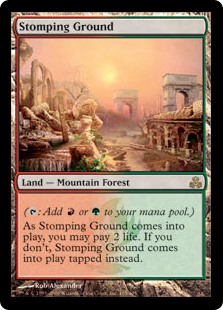 Even more importantly, in pre-board games (as well as in many match-ups after sideboarding) Stomping Ground is just a basic Mountain that costs two life to be played untapped. In a format overrun by aggressive creature strategies, every single point is a matter of life and death: Humans, Bant Spirits, Hollow One, Death’s Shadow, and Vengevine all attack you pretty fast and hard. Why would I want to shock myself needlessly with Stomping Ground in match-ups in which I don’t care about green mana anyway?
 One of the main reasons to play the Stomping Ground/Destructive Revelry setup is the Bogles matchup. The deck unsettled the Modern format a few months ago, so it seems reasonable to be prepared. Bogles won't be on top forever—but even more importantly, it is a bad match-up for Burn no matter what you do. While Revelry may save you against the hexproof strategy occasionally, it more than often doesn’t turn the tide. Your opponent simply needs to open with one or two Leylines and play a Daybreak Coronet as follow-up, and you already need multiple Revelrys unless you want to die a sudden death. If the Bogles man fails to live the dream, I hope my Eidolons, Skullcracks, and a well-placed Deflecting Palm are enough to steal the game; if not I’ll shake hands and move on.
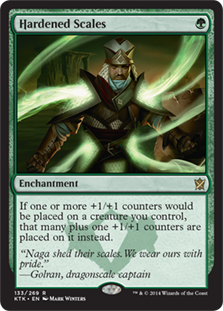 Against the Modern rookies, KCI and Hardened Scales, Revelry is just okay. Removing only one artifact often doesn’t cut the mustard to break up their synergies. Even worse, opponents playing these decks have so many possibilities to sacrifice targeted artifacts that they can easily play around the 2 points of damage.