menu

High Stakes MTGO – July 17th to July 23th

Are you a Quiet Speculation member?

If not, now is a perfect time to join up! Our powerful tools, breaking-news analysis, and exclusive Discord channel will make sure you stay up to date and ahead of the curve.

Hi everyone and welcome back to High Stakes MTGO!

This past week was not much different from the previous one: a lot of sales with little or no profit and only one buy. The situation remains unchanged---I'm still aiming at getting rid of my Zendikar (ZEN) block positions to become as liquid as possible as we approach release events for Eldritch Moon (EMN) on MTGO.

Let's see how this past week went. The snapshot of the portfolio can be found here.

Buys This Week

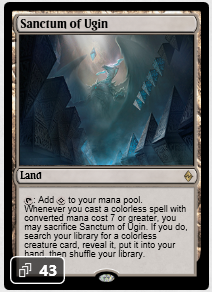
SoU

At 0.40 tix on average I'm clearly not buying Sanctum of Ugin at its bottom. This land was around 0.05 tix about two months ago but its playability, beyond a few appearances in Modern Tron decks, was still a question.

As it seems, creatures with emerge in Eldritch Moon are great enablers for Sanctum. Ryan's articles here and here covered the topic. Whether emerge-based decks featuring Sanctum of Ugin are the real deal or not, we should have the beginning of an answer with the first Star City Games tournaments including EMN and a more definitive answer with Pro Tour EMN.

Since the potential is real, at least in the short term, and since this land could reach 2 tix or more in case of success, I'm willing to take a chance at 0.40 tix.

Sales This Week

Since a peak at 25 tix about a year ago, Snapcaster has constantly oscillated roughly between 15 and 20 tix. With all the rearrangements I want to bring to my bankroll these days, this is the moment I chose to take a break from Snapcaster Mage. As long as this card dodges a reprint, the long-term prospects of the spec are still good.

With these and the other ZEN fetchlands I'm holding, I clearly missed the target. I should have sold Creeping Tar Pit back in April. That was my selling price target but I dithered too much about it and missed the opportunity as the price decreased rapidly.

For Scalding Tarn I was very close to my target price during the Legacy Festival. I didn't pull the trigger, wanting to wait another day---which was one day too much.

With the ZEN block flashback drafts around the corner, my bet is that I will be able to rebuy some or all of these specs cheaper than what I'm selling them for now. I'm also in the process of selling the other ZEN fetchlands I have.

Mox Opal is in the same situation as Spellskite was for me. I was banking on a regular upward trend at least until 45-50 tix. The trend actually stopped just a few tix away from these numbers in January and never recovered since.

With a mediocre +18%, I decided to sell now and move my tix somewhere else as the Mox is plunging toward 25 tix these past few days. With a floor at 20 tix, rebuying Mox Opal at a much better price could be an option sooner than expected though.

Despite the recent flashback drafts of Shards of Alara, Tezzeret moved from 1.4 to 1.8 tix these past two weeks. I had sold two thirds of my stockpile during the hype following the unbanning of Sword of the Meek; here is other third.

I can't say I missed an opportunity on this one (as I sold as many as possible when the price spiked in April). Tezzeret the Seeker simply didn't do anything since its reprint in Modern Masters 2015, which is pretty incredible considering this card has been 34 tix at one point. I might come back on Tezzeret as the long-term odds seem favorable.

Keranos was once one of the most expensive cards in Modern. As it seems, the ban of Splinter Twin severely affected Keranos's price. I have to admit defeat here and let this one go now, since I have no idea when or if the price will go back up.

As I said before, I had higher expectations for the Temples, which may have been ill-placed. Nonetheless I was able to pull out great profits with these two. If you are able to monitor the prices and keep up with their price fluctuations they certainly are great targets for smaller bankrolls.

BotG

I was expecting a little bit more with BNG full sets, although 18% is not too bad for a completed full set spec. Every time the buying price gets close to 20 tix I'll be likely to sell a set or two.

On My Radar

Nothing has changed from last week. Pro Tour EMN and then Zendikar block flashback drafts have all my attention, starting with getting as many tix available as reasonably possible.

Question & Answer

Getting into Shadows over Innistrad

Q

Sebastian is essentially right. Acquiring Shadows over Innistrad (SOI) staples is most likely to be cheaper during or around the release of Kaladesh. Historically it has always been better, on average, to buy Standard cards as they stop being among the newest draft set. That "average" price can be compared across sets using full set prices. A full set of Battle for Zendikar (BFZ) was cheaper during the release of SOI (~58.6 tix) than it was during the release of Oath of the Gatewatch (OGW) (~64 tix).

With the recent change in the rotation schedule, the answer is unclear. I actually bought the bulk of my BFZ full sets during OGW release events. Admittedly this was a mistake as I paid at least 4 more tix per set compared to if I had waited until April. The price of a BFZ full set is actually now getting very close to its absolute bottom.

When looking at singles the trend is, not surprisingly, the same. When it comes to mythics, Gideon, Ob Nixillis, Part the Waterveil and Quarantine Field were slightly more expensive in April (around the release of SOI) compared to February (around the release of OGW). However Drana, Kiora, the other cheap mythics, and especially Ulamog and Oblivion Sower, were cheaper in April.

Looking at the top BFZ rares (essentially the lands, as no non-land BFZ rare is currently valued over 0.50 tix), it's a mixed bag. Some of them were slightly cheaper in April and others were slightly cheaper in February.

The quality of BFZ could be a factor for the sluggish non-progression of prices and in this regard SOI might be different. After all a full set of SOI is currently valued 20 tix higher (~30%) than a full set of BFZ at about the same time.

On a case-by-case basis, accurately cherry-picking singles during OGW and SOI release could have been the best move, but playing an educated-guess lottery is still playing the lottery in the end. The numbers tell us that buying full sets or a large basket of singles would have been better during the release of SOI.

Another thing to keep in mind is that most cards are subject to a bigger-than-usual dip during the release of any set. Here we would be looking for a dip of SOI cards during EMN release events. This price discount is only likely to last one or two days. But since we've seen prices of BFZ singles were barely less expensive during the SOI release compared to the OGW release, if the dip is significant enough it might be worth buying.

For example, Declaration in Stone has gotten closer and closer to 2 tix. A dip to 1.5 tix during EMN release events would be a comparatively big percentage drop and could be a good opportunity to buy this white removal spell.

Similarly, Jace, Unraveler of Secrets has always been above 3 tix until now. If Jace briefly plunges in the 2-2.5 tix range that might be a good time to buy a few copies (Note that I don't really know how good/bad Jace is, but this price trend is a good example). How about Goldnight Castigator going to 0.5 tix? Many cards could be worth the shot now if the price discount is big enough.

Finally, BFZ is the only example we have with the new set structure, rotation and draft format. SOI will be the second. Maybe things will be different and the lowest point, on average, for SOI cards is now? That doesn't help much to answer the question but we'll have a better picture in two or three blocks.

Thank you for reading,

Sylvain

Then and Now: Developments in Death’s Shadow Zoo

Are you a Quiet Speculation member?

If not, now is a perfect time to join up! Our powerful tools, breaking-news analysis, and exclusive Discord channel will make sure you stay up to date and ahead of the curve.

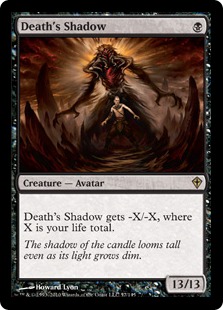
13 months ago I wrote my second-ever article for Modern Nexus, focused entirely on a then-rogue strategy called "Suicide Zoo," or Death's Shadow Zoo.  (I also did a Video Tech, which you can watch here!) Championed strongly by Frank Karsten and Fabrizio Anteri, the deck put up splashy results in Magic Online Dailies (yes, those forgotten things) and generally confused and terrorized everyone that ran into it, when it wasn’t mulliganing to five or cantripping into nothing. Universally referred to as a “glass cannon” or a “poor man’s Infect,” Death's Shadow Zoo pilots were generally maligned and looked upon with an air somewhere between “remedial Algebra student” and “Team Instinct dull-brain.” Somewhere deep in the annals of my Twitch stream recordings database lie evidence of such insults, flung at me from faceless naysayers and non-believers who either failed or refused to accept the power of the deck.

deaths-shadow-cropped

Fast forward 13 months. They used to laugh. They used to jeer. Now, they lie defeated on the roadside, their decks broken in their arms. Death's Shadow has come, and it has had its revenge.

[wp_ad_camp_1]

Then

Death's Shadow Zoo, by Fabrizio Anteri (14th, GP Copenhagen)

Creatures

4 Death's Shadow
4 Kird Ape
4 Monastery Swiftspear
4 Wild Nacatl
4 Street Wraith

Artifacts

4 Mishra's Bauble

Instants

2 Vines of Vastwood
4 Become Immense
3 Temur Battle Rage
3 Mutagenic Growth

Sorceries

4 Thoughtseize
4 Gitaxian Probe

Lands

1 Blood Crypt
3 Bloodstained Mire
1 Godless Shrine
1 Overgrown Tomb
1 Stomping Ground
1 Temple Garden
4 Verdant Catacombs
2 Windswept Heath
2 Wooded Foothills

Sideboard

2 Ancient Grudge
2 Dismember
4 Leyline of Sanctity
2 Nihil Spellbomb
2 Spellskite
3 Stony Silence

At GP Copenhagen in the summer of last year, Fabrizio Anteri first put this archetype on the map with his Top 16 finish, proving definitively to the world that this deck was capable of strong results. Only seen before in deck tech videos on Channel Fireball or the depths that were Magic Online Daily results, Anteri’s finish planted the seed that would eventually grow into the evolved Death's Shadow Zoo we see today. To more accurately understand the intricacies of the archetype’s current form, we must first analyze how it came to be.

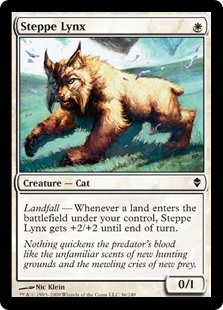
First, Anteri moved away from the playset of Steppe Lynx that most other lists were using. This is what I said in my article last June, and in my opinion it remains true today:

Steppe Lynx is a powerful beater, but only on turn one. We only play 16 lands, and while sometimes we cantrip into additional lands and flood out, other times we only see one or two lands all game. This often leaves Lynx as a 0/1 past the third turn. Also, while the goal of our deck is to actively cause pain primarily through our manabase, supporting four different color one-drops (Death's Shadow, Wild Nacatl, Monastery Swiftspear, Steppe Lynx) is difficult, especially with one-land hands. Dropping Lynx means we only need white in the maindeck to pump Wild Nacatl, and playing Kird Ape makes Stomping Ground the “best” turn one land for most hands.

To elaborate further, our gameflow often plays out in such a way that we are casting red and green spells on turn one (Wild Nacatl/Kird Ape/Monastery Swiftspear) and black spells on subsequent turns (Thoughtseize/Death's Shadow). steppe lynxWhile this isn’t always the case (Thoughtseize into Death's Shadow hands, or hands with no black spells at all), generally we can plan on these common color requirements when sequencing our lands.

As a result, Stomping Ground is often the best turn one land to fetch, as it casts most of the threats in our hand and makes Wild Nacatl a 2/2 and Kird Ape a 2/3. This lets us fetch Godless Shrine second, to give us access to black mana for the rest of our spells and white mana for Wild Nacatl’s third point of P/T and various sideboard spells.

With Steppe Lynx in our deck, our land sequencing must change, as we’re forced to play Steppe Lynx as soon as possible. This means we are forced to fetch either Temple Garden or Godless Shrine on turn 1 and hope to pair them with Blood Crypt and Stomping Ground respectively. This is fine, except in the very real scenario where we only have access to one land. By forcing ourselves to fetch a shock that can tap for white, we’ve effectively cut ourselves off from casting a third of our threats, be they black, red, or green. Without Steppe Lynx, we’re able to turn one fetch a shockland that will always let us cast two thirds of the threat in our deck. This grants some much needed consistency.

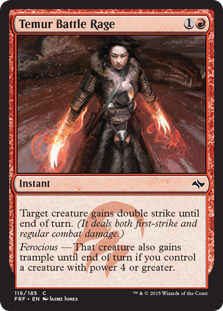
Temur Battle RageThe downside, of course, is that we have to play Kird Ape, but this isn’t really a big deal when we factor in the consistency. Sure, we lose out on the ability to swing with a 4/5 on turn two, along with the potential for the prized turn-two “kill” (Steppe Lynx, second fetch, Temur Battle Rage and double Mutagenic Growth to deal 16), but in return we get a much smoother manabase and fewer nightmare situations where our spells in hand don’t line up with our lands on the table.

At the time of Anteri’s finish, the Thoughtseize/Lightning Bolt debate was raging in Death's Shadow Zoo circles. In a field full of Splinter Twin, Grishoalbrand, Living End, Amulet Bloom, and control decks, Lightning Bolt was often dead while Thoughtseize was instrumental in disrupting the opponent long enough for us to “get there.” On the other hand, Burn, Infect, Affinity and Abzan Company still existed, and some manner of interaction was often required. Anteri’s finish strongly suggested that Thoughtseize allowed for the most/best interaction in the highest percentage of matchups, and for the most part settled the dispute and homogenized most of the variants.

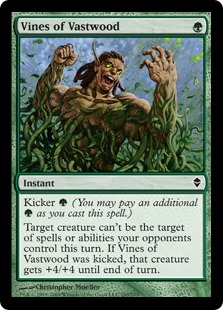
Vines of Vastwood as a two-of was considered uncuttable last year, as Splinter Twin’s presence in the format demanded some form of interaction both offensively and defensively. Twin (the archetype) existed as one of the most “interactive” decks in the format that Zoo needed to worry about---vines of vastwoodthus we see Vines of Vastwood used to protect our threats, but also used offensively to fight Splinter Twin (the card) from successfully pairing with Deceiver Exarch.

As Splinter Twin was the de facto “best deck” in the format, most other archetypes had creature interaction maindeck as well, such as Path to Exile out of Abzan Company, or Vapor Snag alongside Dismember out of Merfolk. While half the field contained polarized, non-interactive combo decks that Death's Shadow Zoo easily dominated, the other half contained archetypes prepared to interact cheaply with opposing creatures. In this sense, Vines of Vastwood was sometimes clunky but undoubtedly necessary.

Finally, the sideboard of Summer ’15 Death's Shadow Zoo shows a focused attempt to shore up a few main matchups, in particular Affinity, Burn, and Twin. We see multiple copies of a few main spells (rather than a diverse mix of sideboard options). This suggests, but does not prove, a “rough” approach to sideboarding along with a desire to find our sideboard spells consistently in post-board games. This is often the case with aggressive decks without access to selection (think Affinity or Burn) that need to find their heavy-hitting sideboard spells quickly and can’t afford a diverse mix of situational answers.

Now

Death's Shadow Zoo, by Trevor Holmes

Creatures

4 Death's Shadow
4 Wild Nacatl
4 Monastery Swiftspear
4 Street Wraith
2 Kird Ape

Artifacts

4 Mishra's Bauble

Enchantments

1 Rancor

Instants

4 Temur Battle Rage
2 Lightning Bolt
4 Mutagenic Growth
3 Become Immense

Sorceries

3 Thoughtseize
4 Gitaxian Probe

Lands

3 Verdant Catacombs
1 Blood Crypt
4 Bloodstained Mire
1 Godless Shrine
1 Marsh Flats
1 Overgrown Tomb
1 Sacred Foundry
1 Stomping Ground
3 Windswept Heath
1 Wooded Foothills

Sideboard

1 Abrupt Decay
1 Ancient Grudge
1 Dismember
1 Faith's Shield
1 Forest
1 Grafdigger's Cage
2 Hooting Mandrills
2 Inquisition of Kozilek
1 Natural State
1 Pyroclasm
2 Stony Silence
1 Tasigur, the Golden Fang

Now we come to the present. Above is the version I’ve been playing to consistent success online, with only a few minor changes from the stock list.

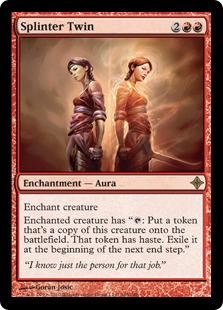
Death's Shadow Zoo of Summer ’16 exists in a few variations, namely with Steppe Lynx or without. If you’ve watched me stream in the past, or took any hints from my previous few paragraphs above, you know my opinion on Steppe Lynx, so I won’t speak on that further. Splinter TwinStill, the debate rages on, with both versions experiencing success, so I don’t think it matters too much. I will say that if it’s more consistency you desire, the lists that forego Steppe Lynx should be the ones you pursue, while if you’re looking for more explosive power, Steppe Lynx is probably where you want to be. It is worth noting that having Steppe Lynx does put you at a slight advantage in the mirror, provided it actually helps you and isn’t dead past the third turn. More testing is needed to determine if access to Steppe Lynx really swings the matchup one way or the other, but for now, I haven’t been missing it.

With Splinter Twin’s exodus from the format, followed subsequently by Amulet Bloom and Eldrazi, Modern is an entirely different landscape compared to last summer. Gone is the need for maindeck interaction to disrupt a turn-four Splinter Twin on Deceiver Exarch, and with its removal the average amount of interaction in Modern has decreased.

In its place, decks have become more streamlined and linear, focused on effectively accomplishing whatever busted goal they desire as quickly as possible. Where before archetypes like Abzan Company, Affinity, and Merfolk would be forced to dilute their deck with spells that interact with opposing creatures, now they can just execute Plan A match after match as fast as possible. This might sound bad for us, as in this sense the format has gotten “faster,” but overall this is great for Death's Shadow Zoo, as we now get to be faster as well.

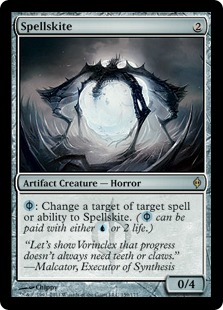
Without having to worry about protecting our creatures from so much interaction (or prevent our opponent from combo-killing us on turn four) we can do the same as everyone else: put our head down and ignore our opponent’s side of the table. SpellskiteHey, if you can’t beat 'em, join 'em, except by joining them we are also beating them. We don’t care if Tron plays a Karn on turn three, because they can only kill one creature and are dead the next turn anyways. We don’t care if Jeskai Nahiri casts their namesake, as besides Path to Exile all of their interaction is hopelessly clunky compared to our threats, and our four Mutagenic Growth work wonders to negate their Lightning Bolts for free.

Before we had to worry about interaction from everyone and were forced to bring in Dismember for possible Spellskites out of any matchup. Now everyone is just looking to go as fast as possible, but none of them can go as fast as us. Affinity is the only deck in the format that can empty their hand as fast as us, and Burn can kill us quickly because we do 40% of the work for them, but everyone else is just a half turn too slow. They “could” push us out of the format by playing a bunch of Spellskite and Dismember, but doing so would force them to lose too many points in other matchups.

Thus, Death's Shadow Zoo has carved out a niche for itself in the metagame, putting up consistent numbers on MTGO, while the rest of the format looks on in frustration, knowing they “could” hate us out but would lose across the board if they did so.

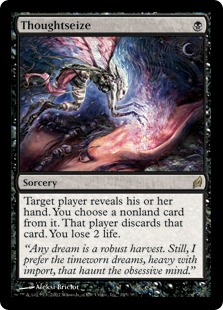
With more pilots picking up the deck a few general areas of consensus have emerged, primary among them being Lightning Bolt and the sideboard Forest. ThoughtseizeAlmost everyone in the format plays two Bolt, as even though Thoughtseize is better overall, Bolt is necessary to slow down the rest of the aggressive decks in the format. When Affinity, Infect, Burn, and the mirror (and Merfolk/Abzan Company to a lesser extent) make up the majority of the field, having Lightning Bolt is a must and four Thoughtseize is a little greedy---hence the consensus 3/2 split. The sideboard Forest exists to combat the best two cards against us (Path to Exile and Ghost Quarter) which are legitimate known paths to victory against us now that we aren’t catching people off guard anymore.

Burn is still an atrocious matchup, and we have a tough time winning unless we can play a Death's Shadow guaranteed on turn two (even then we need them not to have Deflecting Palm). Faith's Shield is a great piece of tech that gives us most of what Apostle's Blessing could provide, while sometimes letting us Falter our opponent’s board or Angel's Grace ourselves in a pinch.

Besides Burn, we’re happy to play almost anything except Jund, although the format is in a place where every deck is fast enough to beat us if we stumble, and we still tend to stumble a significant portion of games. Players that can afford it have been playing a singleton Tarmogoyf in an attempt to provide some more consistent power, and this is probably a move you should make if you can, though I haven’t tested it out myself.

Conclusion

Death's Shadow Zoo is, and always has been, a fun, powerful, explosive archetype that rewards tight play and can blow decks right out of the water. Results may vary, and some interactions might seem non-intuitive at first, like when to Mishra's Bauble ourselves to see if we want to fetch away our top card before casting Gitaxian Probe, but these lessons are quickly learned and the difference they make are easily seen. If you want to be unfair in Magic, enjoy attacking with creatures, and don’t like Infect, auras, or 0/2’s for 0, then this archetype is for you.

Sideboarding is an art with this deck, and one I’m still learning, even though I’ve been playing this archetype off and on in various permutations for over a year now. I’m hesitant to approach the topic in just a few paragraphs, as I feel it’s intricate enough to warrant an entire article itself. Normally I refrain from doing “sideboarding guides” as I believe the process should be more fluid than a rigid guide suggests, but perhaps if there’s enough interest this could be a future article topic?

Let me know in the comments below, and be sure to stop by my stream if you want to see this deck in action! Thanks for reading, and I’ll see you next week.

Trevor Holmes

The_Architect on MTGO

Twitch.tv/Architect_Gaming

Twitter.com/7he4rchitect

Stock Watch- Grim Flayer

Are you a Quiet Speculation member?

If not, now is a perfect time to join up! Our powerful tools, breaking-news analysis, and exclusive Discord channel will make sure you stay up to date and ahead of the curve.

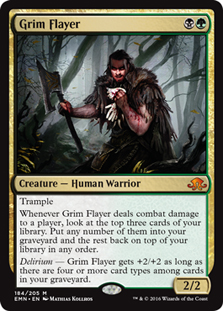
Man, Eldritch Moon prices have dropped quickly! Grim Flayer pre-ordered initially for $15, then fell to $10 where I thought it was an interesting proposition, and now has dropped to $7! Seeing as buylist prices are still above $5, this price definitely has my attention.

There was an error retrieving a chart for Grim Flayer

The reason for the dip is that the aggressive delirium deck just didn't have a week one that inspires confidence. All eyes were on Spell Queller. Further, the most successful "delirium" deck was the Sultai nonsense that Ali Aintrazi made the finals of the event with. To find Grim Flayers in Columbus, you have to make your way down to Todd Stevens' 20th place list. In Stevens' article on the deck, he speaks very highly of the card, and I'm inclined to agree with his findings.

What's interesting to me, is that Liliana, the Last Hope is gaining traction and the price is holding strong, while Grim Flayer is dropping despite fitting into what stands a good chance of being the best Liliana deck! Not to mention that Grim Flayer gets under Spell Queller, which is going to be very important in Standard. The lower the price drops, the more bullish I get.

Avatar photo

Ryan Overturf

Ryan has been playing Magic since Legions and playing competitively since Lorwyn. While he fancies himself a Legacy specialist, you'll always find him with strong opinions on every constructed format.

View More By Ryan Overturf

Posted in FreeTagged , , Leave a Comment on Stock Watch- Grim Flayer

Have you joined the Quiet Speculation Discord?

If you haven't, you're leaving value on the table! Join our community of experts, enthusiasts, entertainers, and educators and enjoy exclusive podcasts, questions asked and answered, trades, sales, and everything else Discord has to offer.

Want to create content with Quiet Speculation?

All you need to succeed is a passion for Magic: The Gathering, and the ability to write coherently. Share your knowledge of MTG and how you leverage it to win games, get value from your cards – or even turn a profit.

Insider: Uncovering Secrets from SCG Columbus

Are you a Quiet Speculation member?

If not, now is a perfect time to join up! Our powerful tools, breaking-news analysis, and exclusive Discord channel will make sure you stay up to date and ahead of the curve.

There may be many gems hidden within the deck lists of Star City Columbus but it’s no secret that Collected Company decks dominated the event. The numbers of this archetype are staggering. Although there are a few different versions of the deck, no archetype should be able to muster three in Top 8, three in 9-16, 11 in 17-32, and 12 in 33-64.

That’s a total of 29 CoCo decks in the Top 64, comprising almost half of the competitive decklists! It's looking like the iconic green instant may be too good for Standard.

My mindset was right on track for this event and I brewed up my own version of the deck filled with Tamiyo, Field Researcher to break the mirror. When I was able to cast her, she played a huge role in my victories. Missing land drops doesn’t help you win the mirror though.

Early in the event, I lost a close game three to eventual Top 8 competitor Dan Jessup. He was running the new powerhouse Spell Queller, just like I was, but he made a change I didn’t have the guts to make.

Dan cut Tireless Tracker for the original star of the show, Bounding Krasis. That card won the match for him because it allowed him not only to play more Magic on my turn but also to do things like untap his creature to kill my Tamiyo that would have won the match. Missing my fourth land drop to lose tempo didn’t help either. Long story short, I had the right deck without the right record to make Day 2.

Instead of discussing what went wrong with my tournament, let’s shine a light on what went right for some other players who navigated a field of Collected Company decks. Rather than joining the CoCo masses, these players chose to try to beat them. For each I'll offer my thoughts on the competitive side before covering financial aspects.

Sultai Control, by Ali Antrazi (2nd, SCG Columbus)

Creatures

4 Sylvan Advocate
4 Jace, Vryn's Prodigy
1 Nissa, Vastwood Seer
2 Den Protector
1 Ishkanah, Grafwidow
1 Dragonlord Silumgar
1 Emrakul, the Promised End

Spells

2 Traverse the Ulvenwald
1 Ultimate Price
1 Grasp of Darkness
2 Oath of Jace
1 Oath of Liliana
2 Ruinous Path
1 Murder
2 Liliana, the Last Hope
1 Scour the Laboratory
4 Languish
4 Hedron Archive
1 Ob Nixilis Reignited

Lands

3 Choked Estuary
4 Sunken Hollow
2 Lumbering Falls
4 Hissing Quagmire
4 Evolving Wilds
4 Swamp
3 Forest
2 Island

Sideboard

2 Dead Weight
1 Dragonlord Silumgar
1 Ishkanah, Grafwidow
2 Kalitas, Traitor of Ghet
2 Lambholt Pacifist
1 Liliana, the Last Hope
1 Painful Truths
2 Pick the Brain
3 Summary Dismissal

Ali Antrazi is becoming known for his innovative way to build control decks. This time around he’s adding to that reputation with a sweet brew centered around the delirium mechanic. Often control decks run odd numbers of cards, but in this case the reasoning is to enable delirium. With only a few cards with that mechanic, though, it’s no problem if delirium never gets turned on.

Sultai Control is a deck that can disable your game plan in multiple ways and has lots of answers to the questions presented by Standard. It's the type of midrange control deck that I can get behind because there are many ways to win the game. You could just as easily have your Den Protector deal the full twenty as Emrakul, the Promised End finish them off.

Financial Takeaway

The main buzz on the floor of this event was Liliana, the Last Hope. Dealers were buying aggressively and selling high. Sultai Control is just one of many decks I will showcase today that utilized this new planeswalker as part of their strategy. Even with the high she is on right now, I doubt she can climb any higher than her current $27 price tag.

There was an error retrieving a chart for Liliana, the Last Hope

The other mythic rares, Emrakul, the Promised End and Ishkanah, Grafwidow, seemed destined to drop in value. With only a single slot dedicated to these win conditions, their prices won’t be able to hold at their double digit values for long.

So, unless they see play in higher quantities, the low demand for them will dictate a slippery slope of lower and lower prices. I know I’ll be lowering these prices this week and I’m sure lots of other dealers will also.

Jund Midrange, by Dorian Fladger (36th, SCG Columbus)

Creatures

4 Sylvan Advocate
2 Hangarback Walker
2 Mournwillow
1 Nissa, Vastwood Seer
1 Woodland Bellower
2 Kalitas, Traitor of Ghet
2 Goblin Dark-Dwellers

Spells

2 Grasp of Darkness
2 Liliana, the Last Hope
1 Oath of Liliana
2 Read the Bones
3 Ruinous Path
2 Kolaghan's Command
2 Kozilek's Return
2 Languish
1 Ob Nixilis Reignited

Lands

3 Smoldering Marsh
2 Cinder Glade
4 Foreboding Ruins
4 Hissing Quagmire
4 Llanowar Wastes
3 Game Trail
7 Mountain
2 Forest
2 Swamp

Sideboard

1 Dark Petition
2 Eternal Scourge
1 Goblin Dark-Dwellers
2 Infinite Obliteration
1 Kolaghan's Command
1 Ob Nixilis Reignited
1 Seasons Past
3 Transgress the Mind
2 Virulent Plague
1 World Breaker

Bringing Jund back is something players always dream about, but Dorian made it happen with his version at this event. Similar to what makes Sultai successful, this Jund deck poses many of the same problems for the format. Just like many other controlling decks this weekend, we see not only Liliana, the Last Hope but also Oath of Liliana making an appearance.

This card is hard to fully understand until you’ve faced off against it. The best comparison I can make is that it makes each planeswalker you cast into Gideon, Ally of Zendikar. This version may not have many ways to create the extra zombie token but other decks will. The rate on the removal spell is already reasonable, and when you start tacking on free 2/2's it gets out of hand fast.

Financial Takeaway

If you’ve read my other articles recently, you know how amazing I think Oath of Liliana truly is. This tournament has shown that other players put their faith in it too. Under a dollar is a great price for this enchantment if you still want in. Players will follow along with what these controlling decks tried to do this past weekend and adopt this removal spell.

There was an error retrieving a chart for Oath of Liliana

Additionally, I think there is room in the format for another version of this strategy that focuses more on abusing Oath of Lily’s zombies. Get your copies before they go up.

G/B Delirium, by Todd Stevens (20th, SCG Columbus)

Creatures

3 Gnarlwood Dryad
4 Grim Flayer
3 Sylvan Advocate
4 Deathmist Raptor
3 Den Protector
2 Mindwrack Demon
1 Ishkanah, Grafwidow

Spells

4 Dead Weight
4 Grasp of Darkness
4 Ruinous Path
4 Liliana, the Last Hope

Lands

4 Hissing Quagmire
4 Llanowar Wastes
2 Evolving Wilds
8 Swamp
6 Forest

Sideboard

3 Aerial Volley
1 Den Protector
2 Duress
2 Ishkanah, Grafwidow
2 Kalitas, Traitor of Ghet
1 Languish
4 Transgress the Mind

This was the main strategy I was developing before this tournament, but I tried to fit in emerge creatures alongside the delirium cards. That may have been too ambitious of a goal for one deck. This version is much more streamlined and it can present a fast clock with some of its draws.

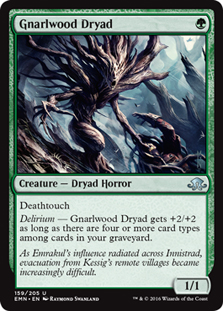
Don’t forget that Gnarlwood Dryad has deathtouch. That can drastically change your games against this deck. It’s great tempo when you can trade up with your one-drop against their higher-cost creature.

Financial Takeaway

Many players want this strategy to be good and I think they will all be buying their Grim Flayers to try it out.

There was an error retrieving a chart for Grim Flayer

You’ll note Lily’s presence in this archetype too. Basically if there was black mana in the deck this weekend, Lily generally made an appearance.

G/B Emerge by Ian Bosley (49th, SCG Columbus)

Creatures

2 Loam Dryad
4 Deathcap Cultivator
4 Duskwatch Recruiter
3 Elvish Visionary
4 Matter Reshaper
2 Nissa, Vastwood Seer
4 Foul Emissary
4 Reality Smasher
4 Distended Mindbender
1 Decimator of the Provinces

Spells

3 Cryptolith Rite
2 Liliana, the Last Hope

Lands

4 Hissing Quagmire
4 Llanowar Wastes
2 Yavimaya Coast
2 Caves of Koilos
3 Westvale Abbey
5 Forest
3 Swamp

Sideboard

3 Aerial Volley
2 Evolutionary Leap
1 Fleshbag Marauder
1 Gilt-Leaf Winnower
1 Kalitas, Traitor of Ghet
1 Liliana, the Last Hope
3 Transgress the Mind
2 Ultimate Price
1 Voldaren Pariah

The latest version of G/B Rites, this build packs a huge punch with Decimator of the Provinces and Distended Mindbender. There are many versions of this deck floating around and I lost to one of them as well. Not having to rely so heavily on sacrificing all of your creatures once a Zulaport Cutthroat is on the field is a nice upgrade.

Playing against this deck reminds me of Legacy Elves. You don’t have the same power level obviously, but sometimes Decimator makes the team into an army and they come at your life totally suddenly and without warning. Controlling your opponent’s board or defeating them quickly is critical to beat this deck.

Financial Takeaway

The cheap $2.50 price on Distended Mindbender is tempting. However, I think we would need to see a huge surge in popularity for this card to grow. Post-rotation in September, though, this guy seems like a home run. If he drops in price, I think this is an easy double-up in a couple months.

There was an error retrieving a chart for Distended Mindbender

B/W Angels, by Ronnie Ritner (8th, SCG Columbus)

Creatures

2 Kalitas, Traitor of Ghet
3 Gisela, the Broken Blade
2 Thalia's Lancers
1 Archangel Avacyn
1 Linvala, the Preserver
1 Bruna, the Fading Light

Spells

2 Duress
1 Blessed Alliance
4 Grasp of Darkness
2 Ultimate Price
1 Anguished Unmaking
3 Read the Bones
3 Ruinous Path
2 Liliana, the Last Hope
3 Languish
1 Ob Nixilis Reignited
2 Sorin, Grim Nemesis

Lands

4 Shambling Vent
4 Forsaken Sanctuary
4 Caves of Koilos
1 Geier Reach Sanitarium
8 Swamp
5 Plains

Sideboard

1 Anguished Unmaking
1 Bruna, the Fading Light
1 Collective Brutality
2 Dead Weight
1 Duress
1 Felidar Cub
2 Flaying Tendrils
1 Liliana, the Last Hope
1 Planar Outburst
1 Read the Bones
3 Transgress the Mind

This deck was on no one’s radar for the weekend. If there were going to be angels in play, certainly they would be from the hot new U/W Angels deck. Instead we saw this strange midrange deck that incorporates toolbox elements to make flipping Bruna and Gisela into Brisela, Voice of Nightmares a real possibility.

Financial Takeaway

Who would have thought that Thalia's Lancers would see play outside of Commander? A 4/4 first striker seems great against what the format is spitting out and it avoids Spell Queller with its mana cost. Picking up a play set to trade seems like a great idea. This is another hit bulk rare.

There was an error retrieving a chart for Thalia's Lancers

U/W Spirits, by Jeff Hoogland (13th, SCG Columbus)

Creatures

4 Mausoleum Wanderer
4 Rattlechains
4 Selfless Spirit
4 Spell Queller
4 Archangel Avacyn

Spells

2 Anticipate
3 Clash of Wills
1 Essence Flux
3 Stasis Snare
1 Scatter to the Winds
3 Ojutai's Command
2 Planar Outburst

Lands

4 Port Town
4 Prairie Stream
1 Meandering River
8 Island
8 Plains

Sideboard

2 Blessed Alliance
2 Bygone Bishop
1 Confirm Suspicions
2 Jace, Vryn's Prodigy
2 Negate
2 Planar Outburst
2 Silkwrap
2 Summary Dismissal

Last up, we have my favorite deck of the weekend, U/W Spirits. Although U/W Flash might be a more appropriate name, I think this deck will pick up quite a bit in the coming weeks. We all love to play the game on our opponent’s turn and this deck does it better than any I’ve seen in a long time.

If you liked U/B Faeries or think that type of deck is your style, this is the list for you. Not only do you have a bunch of counters but it’s possible to play all of your creatures on your opponent’s turn! Rattlechains is a great Magic card and it really enables this deck.

There was an error retrieving a chart for Rattlechains

One of the weaknesses of this deck is werewolves. Your draw-go game plan plays exactly into what Duskwatch Recruiter's and Lambholt Pacifist's hands. If you want to play this deck, I would do some serious testing against werewolf-heavy versions of Company to make sure you know how to play the matchup. Remember, just because you can play all of your spells on your opponent’s turn doesn’t mean that you should.

Mono-White or W/R Aggro seem like tough matchups as well, so test a lot if you want to do well with this strategy.

Financial Takeaway

I think all of these spirits are great pickups right now. They’re all still pretty low in cost and the deck is fairly cheap to build right now. Once more players get on board with this strategy, and they will, these cards might double up.

~

Thanks so much for reading. That’s my time for the day. What do you think about the competitive or financial aspects of these decks? Which ones are going places and which will be forgotten? Is there a card I missed out on from the sea of data flowing from SCG Columbus? Let me know in the comments.

Until next time,
Unleash the Spirit Force!

Mike Lanigan
MtgJedi on Twitter

Modern Metagame Breakdown: 6/1/16 – 6/30/16

Are you a Quiet Speculation member?

If not, now is a perfect time to join up! Our powerful tools, breaking-news analysis, and exclusive Discord channel will make sure you stay up to date and ahead of the curve.

It's finally here, folks! I know everyone has been waiting patiently for the June metagame report, and I'm extremely happy to bring it to you today. I've undergone something of a crash course over these last few weeks familiarizing myself with Sheridan's methods (and mammoth Google Docs spreadsheet) that allow us to operationalize the tiers in the metagame and track them month to month. Let's just say I'm truly impressed by what he's been able to put together, and I hope I can do his work justice with today's write-up.

silvergill-adept-cropped

Since the Eye of Ugin ban that ended the Eldrazi's reign of terror Modern has been in an excellent place, posting an archetype and deck diversity rivaling any other period in the format's history. We're truly in the midst of one of Modern's heydays, which was on display again in the month of June. Diversity is at an all-time high, and between all the Tier 1 and Tier 2 decks, virtually every type of play style is represented.

The large tournaments from this period are less numerous than May, consisting of no Grand Prix and just the one Star City Games Open in Dallas. As Sheridan predicted in the last metagame report, the Tier 1 decks haven't changed much from the pace set in May, as players turn to the results of those prominent events to inform their deck selection choices. As we'll see, the more interesting shake-ups took place in the Tier 2 standings, which may portend some things to come in July and onward.

[wp_ad_camp_1]

Data Collection Methods

Sheridan has outlined elsewhere the methods behind his tiering system, and if you haven't read the Top Decks page linked above, I highly recommend it. I'm sure I'll have some more intelligent and/or interesting contributions to make to this dimension of Modern Nexus as I get acquainted with the process, but for now I'm frankly still a little green in that area. I'll limit my comments here to cover the numbers of decks and events that form our data set.

There were only three major events during this period, two SCG Classics and the Open in Dallas, which provided 47 decks. When added to the remaining Top 16 decks and all the minor tournaments, that gives us 633 paper decks across 87 events. MTGO contributed 292 decks from 31 different tournaments---one of these was the PTQ from June 18th and the rest were Leagues. As per usual, these finishes are weighted according to Sheridan's algorithm (thanks to his wondrous spreadsheet) to give us the respective tiers.

Tier 1 Decks

Tier 1 decks are those you can realistically expect to see in decent numbers at any mid-sized event. You absolutely must be prepared to face each of these decks, whether that means testing your matchup, dedicating sideboard space to combat them, Lord of Atlantisor simply selecting a deck that matches up well. If your pet deck or brew is soft to a large number of these decks, you're probably better off leaving it on the sidelines for a sunnier day. On the other hand, picking up any one of these decks is likely to yield success on any given day---if your goal is simply to crush the tournament or finish in the Top 8, each of these decks is an excellent choice.

Keep in mind that our tiering system is predicated on concrete results rather than theoretical constructs about a deck's viability or strength. There's certainly room for these discussions in Magic, but here at Modern Nexus we want to provide some empirical basis to such claims---while the tiers inevitably reflect "outside" factors such as deck prevalence and variance, it's also fairly unlikely that anything squeaks into Tier 1 without having a legitimate claim to serious contender.

Tier 1: 6/1/16 - 6/30/16

DeckOverall
Metagame %
Paper %MTGO %Major Event
Day 2%
Jund9.2%8.0%7.8%11.8%
Infect8.5%7.3%8.4%10.6%
Affinity5.7%6.1%6.8%4.7%
Jeskai Control5.5%5.9%3.6%5.9%
RG Tron5.4%5.1%0.0%8.2%
Burn4.8%5.0%4.2%4.7%
Merfolk4.2%4.4%2.3%4.7%
Abzan Company4.1%3.5%2.3%5.9%

Tier 1 consists of the same seven decks from the May metagame report, plus newcomer Merfolk. After taking down GP Las Vegas during the previous month, Merfolk has proven its staying power. I imagine there was an uptick in players looking to try out the fishies after their momentous GP win, but it looks like those who did were rewarded with strong finishes overall.

Within the tier, changes in relative percentages seem to indicate a movement away from reactive, controlling strategies towards aggressive, linear ones. That said, this shift is a minor one, and all of these decks look to be well positioned for the foreseeable future. Here are the changes in metagame percentage from May to June:

Tier 1 Changes: May to June

Deck% Change
May to June
Overall Meta %
6/1 - 6/30
Overall Meta %
5/1 - 5/31
Jund+0.4%9.2%8.8%
Infect+2.2%8.5%6.3%
Affinity+1.0%5.7%4.7%
Jeskai Control-0.5%5.5%6.0%
RG Tron-2.2%5.4%7.6%
Burn-1.1%4.8%5.9%
Merfolk+0.8%4.2%3.4%
Abzan Company-1.4%4.1%5.5%

The biggest changes we see are the mirrored 2.2% shifts in Infect's and Tron's metagame shares, in favor of the former. It makes sense that Tron would decline as Infect is on the rise, as the ponderous big mana deck is rather soft to the Phyrexian menace. That said, it looks as if Infect hasn't had too much trouble Urza's Towerfighting through the Jund and Jeskai decks that likewise occupy a significant part of the meta. A pile of cheap removal capped off with Lightning Bolt may be the deck's weakness, but Infect is too powerful and resilient to just fold in the face of reactive decks. Likewise, we see Affinity beginning to reclaim some of its lost ground, coming up a full 1%. The only deck out of the aggro trifecta to suffer this month is Burn, down 1%.

In fact, if we take the aggressive, linear decks as a whole (Infect, Affinity, Merfolk, and Burn) we see they're up 2.9% in metagame share. In contrast the more controlling and midrange decks (Jeskai, Jund, GR Tron, and Abzan Company) are down a total of 3.7%. It would seem that linear strategies are on the rise, to the detriment of those trying to play fair.

The loss of metagame share for the fair Tier 1 decks is even more pronounced on MTGO. I suspect this has something to do with the rise of Dredge and Death's Shadow Zoo. These two decks have experienced a massive surge in MTGO results, Deaths Shadowwhich doesn't bode well for people trying to durdle. While Jund and Jeskai should post positive results against Death's Shadow Zoo due to their interminable removal suites, their Dredge matchup looks to be downright abysmal. GR Tron in particular seems ill-suited to fight through the developing environment---it posted a flat 0% of the MTGO metagame share, and indeed may be on the way out. As I'll elaborate on below, I think the MTGO results may be something of a canary in the coalmine regarding proximate metagame developments.

As for Merfolk, you'll note that it jumped less than a full percentage point to reach its new Tier 1 status. This indicates the archetype was on the rise during the prior month, and further cements the narrative that the deck is here to stay.

Tier 2 Decks

In a certain sense, the Tier 2 decks are the heart of Modern. These are the decks that can succeed on any given day, even if they aren't posting truly dominant results. Pilots deeply invested in these archetypes, or those who carefully read their local metagame, can deploy them to devastating success. And we often see these decks cycle in and out of Tier 1 status as the metagame shifts, proving that Modern really is about playing what you know and love.

You won't require an encyclopedic knowledge of these decks and their strategies to compete in a Modern tournament, but you can't be surprised to face them either. You'll want to formulate a general plan for each, or at minimum understand the basics of what the deck's trying to accomplish and how it interacts with your chosen archetype.

Tier 2: 6/1/16 - 6/30/16

DeckOverall
Metagame %
Paper %MTGO %Major Event
Day 2%
Death's Shadow Zoo3.1%1.4%12.9%1.2%
Eldrazi2.8%4.5%2.9%0.0%
Gruul Zoo2.7%1.5%2.3%4.7%
Abzan2.5%2.4%2.9%2.4%
Dredge2.4%0.6%8.4%2.4%
Ad Nauseam2.4%2.6%1.9%2.4%
Grixis Control/Midrange2.4%2.6%1.9%2.4%
Kiki Chord2.3%1.8%1.3%3.5%
Scapeshift2.2%2.1%1.9%2.4%
Grixis Delver1.9%1.8%1.3%2.4%

Sheridan explained in May's metagame update that a large gap between the lowest Tier 1 deck and the highest Tier 2 deck might represent a settled metagame. Here we see that same phenomenon present, with Death's Shadow at 3.1% clocking in a full percentage point below Abzan Company's 4.1%. It would appear the Tier 1 is relatively ossified for the time being, but we know that any of the Tier 2 decks can shift upwards, and they're all viable. As with past months, diversity is on display. From grindy two-for-one control strategies (Grixis Control), to full-on combo (Ad Nauseam), to combo-aggro hybrid (Death's Shadow Zoo, Dredge), to combo-control hybrid (Scapeshift), to traditional aggro and midrange decks of all stripes (Delver, Eldrazi and Taxes, Gruul Zoo, Abzan), you can truly play whatever suits your fancy. Remember how I said we're in a Modern heyday?

As alluded to above, the biggest story this month in Tier 2 territory is the rise of Dredge and Death's Shadow Zoo. Death's Shadow has cycled between Tier 2 and Tier 3 in the past, and looks to be benefiting from the same trend pushing the other linear strategies up. Dredge, for its part, is a relative newcomer, at least in its Prized Amalgam iteration, and early indications show that it may be a true monster. Nowhere are these trends more clear than in the MTGO data, where we see a whopping 8.4% and 12.9% metagame share for Dredge and Death's Shadow respectively.

More on the notable movements that took place during this month:

  • Scapeshift and Prime Time dosey-doe
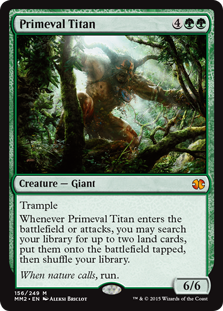
    Primeval titanIn May the Valakut decks seemed to be doing rather well. Both RG Primeval Titan and Temur Scapeshift variants were represented on the Tier 2 standings, and taken together as one archetype they would have made Tier 1 at a combined 6.5%. Now it seems Titan Shift has fallen down to Tier 3 and Temur builds are suffering slightly too---together they make up 3.6% of the metagame, almost half their collective presence the month before.

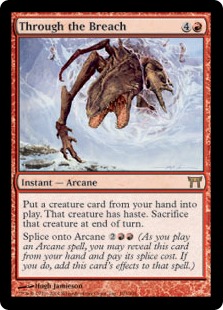
However, this change runs parallel to the appearance of Through the Breach in the Tier 3 standings. If we fold that into a single category comprising decks built to kill with Valakut, the Molten Pinnacle, it comes closer to the May shares at 5.9%. If slow and reactive decks are losing ground in the current metagame, it stands to reason that Valakut players would pivot towards the more explosive and non-interactive Titan Breach builds that elect to eschew Scapeshift entirely. For next month's update I intend to delve a little more into this question and see if our Valakut archetype categories are yielding distorted results.

  • Eldrazi builds settle into a pattern
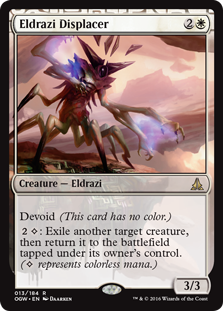
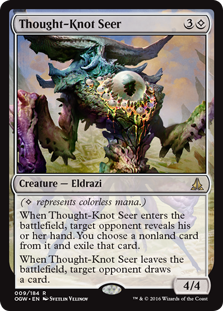
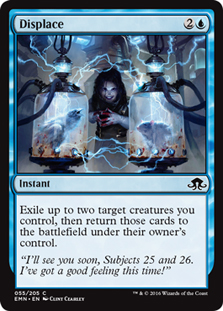
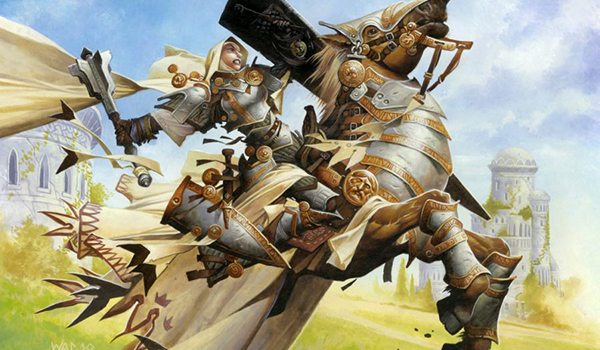
    Eldrazi DisplacerYou can't see this just looking at the data above, but the community at large seems to have found the optimal Eldrazi builds for the post-Eye world. The category labeled "Eldrazi" incorporates a few errant Abzan and RG builds, but the lion's share are in Bant colors. This makes sense given the strength of the blue and white Eldrazi creatures (especially the Drowner of Hope/Eldrazi Displacer interaction)---but I believe the real reason for Bant's predominance is the presence of Noble Hierarch. After losing (most of) its busted mana base, the post-ban Eldrazi deck is really hankering for a mana dork, and Noble delivers in spectacular fashion. Exalted fits in nicely with the deck's stompy-like beatdown plan, and conveniently taps for all the colors of the best Eldrazi. Noble increases the number of turn two Thought-Knot Seers and turn three Reality Smashers, and gets the edge over signets for coming online a turn faster.
  • Dredge rears its ugly head
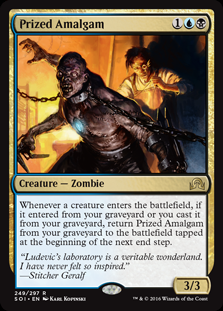
    Prized AmalgamThe old Legacy player in me feels a slight shudder as I write these words. Dredge has arrived, and the deck is no joke. It has gone from fringe pet deck, to promising newcomer, to legitimate scourge of the MTGO queues (where it shares the Tier 1 limelight with Jund, Infect, and Death's Shadow) over the course of a few short months. June was when the deck really started to get press too, and we may see this phenomenon become even more pronounced in July.

The performance of Dredge is especially striking when you look at its paltry 0.6% paper shares. MTGO has long been ahead of the rest of the Magic world in its metagame iterations due to the high level of competition and near-constant grinding, and the online playerbase seems to have discovered the power of Dredge before everyone else. As word gets out and IRL tournaments adopt the MTGO tech, we may indeed see the deck take off. I certainly couldn't help but notice the steady stream of 5-0 League finishes as I entered the June data---I doubt the paper scene is far behind.

Tier 3

Finally, we come to the Tier 3 decks. These decks are ones with potential, or perhaps past track records of success, but which came up short for a variety of reasons. It may be that they're poorly positioned in the current metagame. It may be that they're "glass cannon" type decks that can thrive in small local metas but crumble under pressure from unexpected and diverse metagames. Or, simply, it may be that not enough players chose to sleeve up these decks in a given month, but the ones who did enjoyed success.

Either way, these decks aren't recommended choices for battle unless you know what you're getting into. Archetype familiarity is probably pretty key to justifying playing one of these decks. At minimum, make sure you have an understanding of why their star hasn't been on the rise, and if you think you have a solid read on the metagame or have identified an underrated gem, go ahead and pull the trigger.

Tier 3: 6/1/16 - 6/30/16

DeckOverall
Metagame %
Paper %MTGO %Major Event
Day 2%
Through the Breach2.3%1.7%1.9%3.5%
Bogles1.4%0.9%1.3%2.4%
Titan Shift1.4%2.6%0.6%0.0%
Elves1.3%2.3%1.0%0.0%
Mono U Tron1.3%1.4%1.3%1.2%
Living End1.2%1.5%0.3%1.2%
Blue Moon1.2%0.8%0.3%2.4%
Death and Taxes1.1%0.9%1.3%1.2%
UW Control1.0%1.8%0.3%0.0%
RW Lockdown0.7%0.3%1.3%1.2%
Goblins0.6%0.8%1.3%0.0%
Jeskai Midrange0.5%0.9%0.3%0.0%
Allies0.2%0.5%0.0%0.0%
Zur0.0%0.0%0.0%0.0%

There aren't too many exciting developments here, really. We see Hatebears, Storm, and Naya Company fall off the tierings, while Jeskai Midrange (featuring Geist of Saint Traft), Blue Moon, and Elves make an appearance. Through the BreachOf course Death's Shadow (and Grixis Delver) got to jump up the tierings, but beyond that the only other notable change is Death and Taxes and Valakut variants letting slip their Tier 2 claim.

As I explained above in the section on Scapeshift and Titan Shift, I think our naming convention right now might be obfuscating the role of Valakut in the current metagame. Here you see that combining Through the Breach and Titan Shift into one category would squarely place the resulting archetype in Tier 2 territory, at 3.7%. These archetypes in many ways form a spectrum of decks that focus more or less on a finite number of interactions involving Valakut. On their own each build seems to be a niche player, but taken as a whole Valakut is a force in Modern today.

Death and Taxes, for its part, may soon warrant a naming update as well. Literally every single deck I found under this name included the full Eldrazi package of Displacer, Thought-Knot and Wasteland Strangler. Thought-Knot SeerAs with Bant Eldrazi in the Tier 2 standings, it appears that the community has solved the riddle of how to build Eldrazi and Taxes---and that sacrificing the explosiveness of Eldrazi Temple and the utility of the multiverse's newest undercosted villains for a more traditional build yields a worse version.

And then, you have the plucky Zur the Enchanter embodying the true definition of "flash in the pan." Poor Zur is showing a big old zero percent across all categories (having made Tier 3 on the back of his Top 8 finish at one of the Classics). Perhaps his time to shine will come one day?

Metagame Predictions for July

It's wearing on late for me, so I'll try to wrap up. The main prediction I have for July is that Dredge will rise to true Tier 1 status. It may be joined by Death's Shadow at the top, and I expect we'll see the more reactive strategies shed some metagame share. If the MTGO results are to be believed, principle in this loss of standing will be RG Tron, which seems particularly poorly equipped to thrive in this linear meta. Jeskai Control might slip a bit too, but if I'm being honest I don't expect Jund to follow the same pattern---it's always been the premier fair deck capable of surviving even the most hostile broken nonsense, and I see no reason why that would change.

Thanks for reading, and thanks for your patience as I figured out how this whole tiering system and data collection worked. July's update will be on time, and hopefully with some more and better insights on my part. For now, go play some Modern and get brewing, but don't forget to keep it linear(ish) and proactive.

Patterns in Eldritch Moon Boosters

Are you a Quiet Speculation member?

If not, now is a perfect time to join up! Our powerful tools, breaking-news analysis, and exclusive Discord channel will make sure you stay up to date and ahead of the curve.

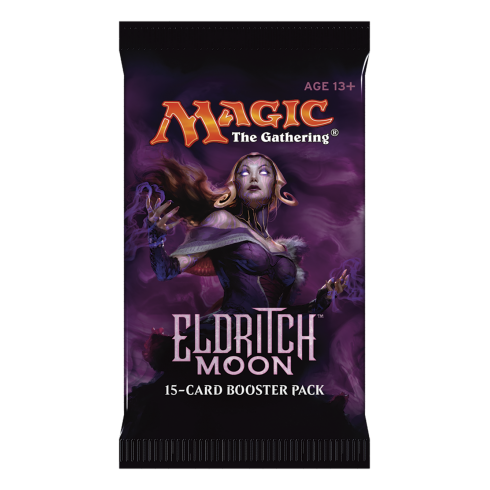
In case you haven't heard yet, and this deserves a signal boost, sealed product for Eldritch Moon has proven to be extremely searchable. That is to say, there is an easily identifiable pattern that will allow you to easily determine which sealed boosters contain the non-flip mythic rares. They tend to all be in the same booster art in a given box.

You can find the Reddit post reporting this finding here, and a YouTube video on the topic here.

eldritch-moon-booster-pack-p231121-200394_medium

I imagine that the overwhelming majority of QS readers don't mess with loose packs anyhow, though it's likely that you know somebody who does. Letting them know to stay away from loose Eldritch Moon packs, or at least to exercise caution would be good of you. It's naive to assume that nobody is going to exploit this easy mapping technique, though hopefully spreading awareness will help to prevent them from taking advantage of anybody.

Avatar photo

Ryan Overturf

Ryan has been playing Magic since Legions and playing competitively since Lorwyn. While he fancies himself a Legacy specialist, you'll always find him with strong opinions on every constructed format.

View More By Ryan Overturf

Posted in Free3 Comments on Patterns in Eldritch Moon Boosters

Have you joined the Quiet Speculation Discord?

If you haven't, you're leaving value on the table! Join our community of experts, enthusiasts, entertainers, and educators and enjoy exclusive podcasts, questions asked and answered, trades, sales, and everything else Discord has to offer.

Want to create content with Quiet Speculation?

All you need to succeed is a passion for Magic: The Gathering, and the ability to write coherently. Share your knowledge of MTG and how you leverage it to win games, get value from your cards – or even turn a profit.

Insider: MTGO Market Report for July 27th, 2016

Are you a Quiet Speculation member?

If not, now is a perfect time to join up! Our powerful tools, breaking-news analysis, and exclusive Discord channel will make sure you stay up to date and ahead of the curve.

Welcome to the MTGO Market Report as compiled by Matthew Lewis. The report will cover a range of topics, including a summary of set prices and price changes for redeemable sets, a look at the major trends in various constructed formats, and a "Trade of the Week" section that highlights a particular speculative strategy with an example and accompanying explanation.

As always, speculators should take into account their own budget, risk tolerance and current portfolio before buying or selling any digital objects. Questions will be answered and can be sent via private message or posted in the article comments.

Redemption

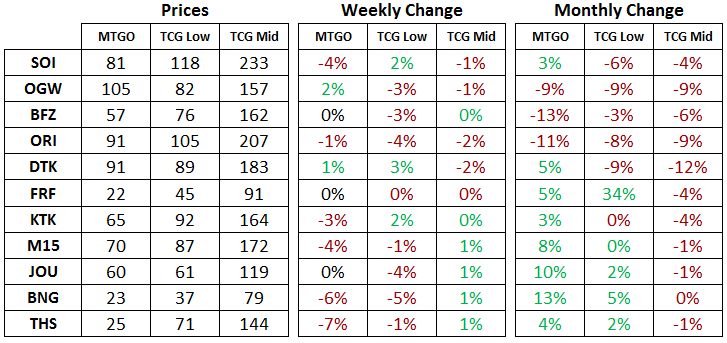
Below are the total set prices for all redeemable sets on MTGO. All prices are current as of July 25th, 2016. The TCG Low and TCG Mid prices are the sum of each set’s individual card prices on TCG Player, either the low price or the mid price respectively. Note that sets of Theros (THS) are out of stock in the store, so this set is no longer redeemable.

All MTGO set prices this week are taken from Goatbot’s website, and all weekly changes are now calculated relative to Goatbot’s ‘Full Set’ prices from the previous week. All monthly changes are also relative to the previous month prices, taken from Goatbot’s website at that time. Occasionally ‘Full Set’ prices are not available, and so estimated set prices are used instead.

Jul25

Flashback Draft of the Week

Flashback drafts are on hiatus for the next three weeks as the focus shifts to the new limited environment with the introduction of Eldritch Moon (EMN) to Shadows over Innistrad (SOI) draft and sealed deck. EMN prerelease events run this weekend and then EMN is officially being released on MTGO next Monday. Flashback drafts will return with triple Zendikar (ZEN) draft on August 17th.

Eldritch Moon Prerelease Weekend

Prior to the release of SOI in the spring, prereleases had a low expected value relative to release events. For SOI, WoTC got rid of release events completely and rejigged the entry fees and prize structure to make prereleases better value than they had been previously.

One of the key changes was to give out a random foil rare or foil mythic rare for everyone entering the prerelease league, just like in paper prerelease events. The difference with MTGO is that the awarded foil doesn't have a date stamp and is identical to a normal foil rare or foil mythic rare from the set in question. Since the new prerelease events were so popular with SOI, this flooded the market with foil rares and foil mythic rares, which has depressed prices for these cards relative to how prerelease and release events used to be structured.

If you are looking to pick up playsets of the new cards and want to dive in right away, buying foil mythic rares on the first weekend will not lose tix over the long term. This is based off of the observed prices of SOI foil mythic rares since that set was released in April. On April 18th, a playset of foil mythic rares from SOI would have cost 624 tix, an average of 10.4 tix per copy. Today, a playset will cost 636 tix, an average of 10.6 tix per copy.

Notably though, value has flowed between cards in the intervening months. Although Archangel Avacyn is still the most expensive foil mythic rare, going from 28 tix to 24.5 tix, the next most expensive was Sorin, Grim Nemesis at 13 tix, which now sells for 9 tix. Claiming that second spot is another planeswalker, Nahiri, the Harbinger which was 7.8 tix on April 18th and now is priced at 18.2 tix.

For speculators and patient players, waiting a little might yield better prices. If one had waited until the first week of May, a playset of foil mythic rares from SOI reached 556 tix or an average of 9.3 tix per foil mythic rare. Generally though, for foil mythic rares from EMN, prices in the 5 to 7 tix range should be considered good value.

Otherwise, the extra foil rares awarded for playing in prerelease leagues also have the impact of making foil uncommons relatively scarce. Be on the lookout for these this weekend as there will be pressure on them to move higher.

One final note for players who might have built up a stockpile of SOI boosters. The market price on these is set to drop drastically as demand will be greatly reduced with the introduction of EMN. Where previously a draft would take three SOI boosters, now a draft will only require one.

Since the market price of SOI boosters is below the store price of about 4 tix, we know there is a significant amount of excess supply on the market. When demand drops and supply remains constant, prices fall. This is what was observed with Battle for Zendikar (BFZ) boosters over the past year, and it's still not clear if those booster have reached their ultimate bottom.

Standard

Standard prices are showing some stability this week in comparison to the selloff being observed in Modern. Players and speculators alike will have itchy trigger fingers this week, trying to anticipate and figure out how EMN will impact Standard and what the pros will be be playing in Australia two weekends hence at Pro Tour Eldritch Moon.

Early results from Standard with the inclusion of EMN gives three important new cards to consider. Selfless Spirit, Spell Queller and Thalia, Heretic Cathar all showed up in the winning deck at this past weekend's Star City Games Open. And if Bant Collected Company decks aren't your thing, then the first two cards also powered up the new U/W Spirits archetype which made a showing in the Top 32 of that event.

Standard Boosters

Look for a dip in prices this week with prereleases soaking up a lot of tix. Battle for Zendikar (BFZ) boosters are off their low of 1.6 tix but will likely revisit that level. These are not considered a buy due to the entry and prize structure of BFZ block drafts favoring Oath of the Gatewatch (OGW) boosters over BFZ boosters. Speculators holding BFZ boosters should look to the end of August and early September as the next window to sell these.

OGW boosters have been holding their price better than BFZ boosters at 3.3 tix and should be considered a buy at 3 tix or less. They will also see an uptick in demand later this summer as drafters get bored of SOI block draft, but the higher-value cards inside combined with the aforementioned structural differences will support higher prices.

Trade of the Week

As usual, the portfolio is available at this link. This week's trade is a speculative Modern pick, Gemstone Caverns. Describing this card as fringe-playable would be a bit generous, but the newly printed Eternal Scourge helps in defraying the cost of playing this on turn zero. It's doubtful the Eldrazi will rise again in Modern to the degree that prompted the Eye of Ugin banning, but interactions like this one do help.

Gemstone Caverns is uniquely positioned for Eldrazi decks to take advantage of it since if you are on the play, it is a land that produces colourless mana for Thought-Knot Seer and friends, while on the draw it can act like a Mox Diamond, accelerating your turn one plays and allowing you to play one-mana instants on your opponent's first turn.

Insider: Eldritch Moon Full Set Review

Are you a Quiet Speculation member?

If not, now is a perfect time to join up! Our powerful tools, breaking-news analysis, and exclusive Discord channel will make sure you stay up to date and ahead of the curve.

It's that time again! Another Full Set Review by yours truly.

I'm going to be upfront and honest and say this had to be one of the hardest, and most fun Set Reviews thus far. I really enjoy this set, and as I looked each card and gathered information - I realized that most of the cards in the set are not bad by any stretch. That of course doesn't always translate to financial relevance, and you can fully expect a number of the cards to decrease in value.

The one caveat here is the set being wedged between Eternal Masters, and Conspiracy: Take the Crown. We'll have to monitor that going forward, because it could be a factor on how much product is opened, and the impact on the set's EV. Some may have made the decision to forgo purchasing product for this set in favor of the other summer releases.

I decided to merge both lists into one article this time around - for everyone's convenience. I also want to apologize for being a tad bit late on this. The upside of this is that I get to see the set in action early on.  I think the preliminary results confirmed a lot of what I thought about the set and overall which cards were likely to perform. But, before we get into the goods of the article let's briefly recap Shadows Over Innistrad:

  • Very much missed the real potency of Nahiri, the Harbinger. Put way too much stock into Arlinn Kord and it turned out to be quite the opposite.
  • Despite the set not having to contend with Expeditions, a fair bit of cards dropped considerably since release. It was only recently that cards such as Relentless Dead and similarly Nahiri increased in price.
    I think my inclination of high initial prices with drastic drop-off is starting to pan out. This will likely continue as 2-set blocks continue to release.
  • Not many cards panned out financially, Hasbro has indicated that SOI performed extremely well on their report. Which is likely a very large contributing factor.
  • SOI will continue to be a backbone of Standard, and is a widely well received set. As Standard progresses, we may see new interactions that could spark a price increase. Other than that, refer back to my note about price drop-off after release. In addition read my Standard diversity article.


The Tier System

Breaking the cards down into a tiered list makes it easier to determine what will hold the majority of the set’s value. I will most likely use this methodology going forward in evaluating future sets. I also wanted to do it this way because I don’t like attaching a future value to any of these cards. I feel like that method is a tad inefficient, and doesn’t take into account future card printings that could potentially make these cards better. It’s really all based around what’s in the card pool. So instead, I like to display a snapshot baseline power for these.

So, in that regard I wouldn’t want to attach a low value to a card that’s inherently powerful, or attach a high price tag to a card that looks good on the surface, but just isn’t good in the pool around it. (Underworld Cerberus anyone?). That will happen when we look at a card without any context. The truth is that while a card may look terrible right now, we don’t know the future and how this card could interact with cards that are printed after them. Any one of these could suddenly become much better- or much worse.

As an avid player of fighting games, the tiered method makes the most sense to me, since it also allows for cards to move around, which undoubtedly will happen as time goes on. This happens all the time in many of the fighting games in their life cycles as well.

This is my explanation for each tier in the list:

  • Top Tier is reserved for the cards that will most likely hold the majority of the value in the set. More commonly known as the “chase cards.”
  • Mid Tier is reserved for the cards that aren’t necessarily bad but may be overshadowed at this current point. These could easily jump to top tier in the future, or vise versa.
  • Low Tier is reserved for the cards that will most likely be near bulk. Like Mid Tier these cards could easily jump up to higher tiers but the road traveled will be harder. Again, I don’t think these cards are necessarily bad but my analysis is that they will be the cheapest cards in the set.

These tiers are built primarily for Standard, however if a card has clear implications in Modern or beyond, it will also appear in a higher tier. Commander and casual appeal are not factored heavily into these ratings.

Top Tier Mythics

Gisela, the Broken Blade
Liliana, the Last Hope

Top Tier Rares

Cryptbreaker
Distended Mindbreaker
Elder Deep-Fiend
Eldritch Evolution
Hanweir Garrison
Mausoleum Wanderer
Selfless Spirit
Spell Queller
Thalia, Heretic Cathar

Mid Tier Mythics

Decimator of Provinces
Emrakul, the Promised End
Grim Flayer
Gisa and Geralf
Ishkanah, Grafwidow
Tamiyo, Field Researcher

Mid Tier Rares

Bedlam Reveler
Bruna, the Fading Light
Coax from the Blind Eternities
Collective Brutality
Collective Defiance
Collective Effort
Dark Salvation
Eternal Scourge
Heron's Grace Champion
Hanweir Battlements
Imprisoned in the Moon
Niblis of Frost
Oath of Liliana
Permeating Mass
Splendid Reclamation
Sticher's Graft
Stromkirk Condemned
Thalia's Lancers
Voldaran Pariah
Wharf Infiltrator

Bottom Tier Mythics

Deploy the Gatewatch
Mind's Dilation
Mirrorwing Dragon
Tree of Perdition
Ulrich of the Krallenhorde

Bottom Tier Rares

Assembled Alphas
Docent of Perfection
Emrakul's Evangel
Gier Reach Sanitarium
Harmless Offering
Identity Thief
Impetuous Devils
Lupine Prototype
Noosegraf Mob
Providence
Sanctifier of Souls
Sigarda's Aid
Soul Separator
Spirit of the Hunt
Stromkirk Occultist
Summary Dismissal
Ulvenwald Observer

Top Tier Mythics and Rares:

Gisela, the Broken Blade - highly efficient, part of a fairly easy meld, and in the most supported (and quite frankly the best) color in Standard right now. I simply can't ignore the sheer potency of Gisela. It can slot into almost any deck playing white, just because it's that efficient. The additional ability of melding with it's counterpart is just gravy, and forming Brisela should be relatively easy. Bruna may be 7CMC, but Gisela can easily hold her own until a point in the game where it's possible to meld.

Liliana, the Last Hope - So, it's not LotV 2.0, but that's quite alright. I think we will see that this Liliana is another great and subtly powerful card. Liliana can slot into almost any deck playing black, but also has the added benefit of being especially good in Delirium strategies. Following cards like Grim Flayer and/or Sylvan Advocate on turn three can really carve a path to victory. Alternatively, it can slow opposing copies of these cards, and can deal with stray spirits and/or humans.

I think the initial mis-evaluation of this card likely came from too high of expectations in the player-base. Everyone wanted a card that could rival Liliana of the Veil - and that's just plain greedy. This version could have applications outside of Standard, and we for sure know it's good in Standard. Isn't that enough? Sure, we all weren't knocked off our feet, but I think we truly forget the successful track record of 3 CMC Walkers. It's almost as if we need to have this conversation every single time. This is likely to be a firm staple from this set, and will continue to fetch premium prices. It was a fairly easy decision for me to list Liliana in this tier.

I decided to group these together because they're both extremely powerful, and will likely both emerge into the scene of Standard (and perhaps other formats). Elder Deep-Fiend is just plain unreal, and when I look at it I'm reminded of the days of Faeries taking over Standard and deploying Mistbind Clique to essentially end games on turn four.

I'm very confident both of these will find a roll, and both of them deserve to be chase rares that players will need as long as they are in Standard. Deep Fiend already can play well with other blue staples such as Jace, Vryn's Prodigy, Reflector Mage and the like. It's wild to think players will be able to Emerge a Deep-Fiend as early as turn four just by sacrificing a Reflector Mage.

We asked for other spirits that Rattlechains can play along with, and wow did we get them. These have sparked a lot of interest already, and as a side effect Rattlechains has gone from a paltry .50c to almost $4. Other writers here at QS, especially Ryan Overturf (as well as the general Magic community), have already largely agreed that Spell Queller will be doing some good things. If you haven't already - I would check out his articles on the site for further evaluation of the card. Whether these translate to other formats remains to be seen, but a viable blue tribe by default sends players running with their wallets open.

I don't see a time when having any extra copies of these cards would be bad. They're all just simply fantastic, and while the Wanderer may not translate to decks that aren't strictly Spirits the others certainly can. The price tag on Spell Queller will likely always be justified, and I don't see many other cards contending with it to soak up a good amount of the value in Eldritch Moon.

Almost any deck running blue and white can justify adding Spell Queller, and would almost always be better for doing so. It's the sort of card that defines formats, and it will likely do just that.

We shore up the rest of the high end of this set with this group.

Cryptbreaker - I love how they continued the trend of extremely viable one drop Zombies the second time around. It may not be Gravecrawler, but it's still is plenty powerful, and is more than capable of carrying it's weight in a zombie list. In fact, it would be because of this card that Zombies would be viable at all. I always love aggressive creatures that are relevant at every stage of the game, and Cryptbreaker delivers on that front in spades.

It also just works well with every other Zombie card, and would likely be the center of the list. While it may not put on immediate and recurring pressure like Gravecrawler, it does so in its own way. With the added benefit of restocking your hand. That's an overwhelming amount of value packed into a 1-drop.

Thalia, Heretic Cathar - All around powerful multi-format card. The praise for Thalia 2.0 knows no bounds, and it's all 100% justified. This is making waves in all the Magic circles, and the community at large. Each group of players has been discussing this card in all formats. It doesn't legend rule the previous version, rather it works well with it, and it's asymmetrical design truly puts this firmly in the "Death and Taxes" theme.

Outside of that, it's just a great tool for Collected Company players to incorporate to try and bury opponents with tempo advantage. If an opponent falls behind during the match, this essentially ensures they never crawl back into the game.

Hanweir Garrison - The second coming of Goblin Rabblemaster! Well, sort of. In any event, this would be a large reason Red becomes anywhere close to viable again. Until the time where Red can actually compete this will likely see a supporting role somewhere in a W/R Humans list.

It plays extremely well alongside Thalia's Lieutenant, and is basically a self-contained army that needs to be dealt with almost immediately. It's meld is honestly gravy, and I've said this a few times now. I like the fact that this is part of a meld that isn't mandatory, which will likely work in it's favor. I do think this card could decrease from here, but it honestly couldn't decrease much more. In order to have a good financial outlook, this would have to get leaps and bounds more relevant in the metagame. My guess is October, but until then I don't think it's a bad idea at all to own this card. Something tells me this will be a rare everyone is relieved they owned in the near future.

Eldritch Evolution- I think this is a great card, I think it's also a powerful card - but it doesn't look very good with Spell Queller running rampant. I honestly think this is better in other formats, but perhaps it is just good enough to jam in Standard despite Spell Queller. If it's not banned in Modern, I think it's a great longer term hold, and there will likely be a good opportunity to grab them and not have to worry about paying more for them at a later date.

Middle Tier Rares and Mythics

Instead of focusing on all of these, I want to talk about a few that could potentially move up from here. We should keep tabs on these specific cards, and may not stick around in this Tier for very long with more results coming in.

So, these are likely the big candidates of cards that can easily shift from relevant to obscure. It really all depends on the viability, and consistency of Delirium. I'm with Ryan Overturf here on both parts, and I think the caveat is very much needed when evaluating these cards.

They're both extremely powerful, especially Ishkanah. I don't think there's ever a bad time to cast this when it has Delirium, and always looks insanely powerful when it's on. The same can be said with Grim Flayer, and how it squares off against cards like Sylvan Advocate. The fact that is that it could almost be straight up replaced by Advocate, and that's troubling. At the same time, it can be played alongside it, and could be looking sharp when it has Liliana back up and powering down opposing Sylvan Advocates.

If you're looking for a good list I very much liked Ryan's direction, and it seems others agree on certain cards like Grapple with the Past and of course Liliana, the Last Hope. It's something I recommend sleeving it up, and it's a deck that can likely make a name for itself in EMN Standard.

Ishkanah has already increased drastically from it's original $2.99 pre-order price, a price that looks almost hysterical now that we look back. Luckily myself and other writers here felt strongly enough to alert folks ahead of time in order to save themselves the hassle of paying new prices.

These are also each inherently powerful cards that I wouldn't write off from swinging directly into the forefront of EMN Standard. I understand Gisa and Geralf may not be obvious on the surface - but I think it's powerful and well costed for it's CMC. It's one of those cards that provides an engine for an archetype- in this case Zombies. It's the perfect top-end for an aggressive strategy, and keeps a never ending stream of zombies if left unchecked. I guess that's by design, right?

Decimator of the Provinces is something I have to give the nod to - I was around for Craterhoof Behemoth in Standard. Many players and the community at large never would have thought that could be a viable strategy until "Hoof there it Is" took over Standard. Decimator has that X factor, and is arguably much easier to pull off alongside cards like Cryptolith Rite, and Foul Emissary. It seems like there's something there, and it's looking to break out in a Rites go-wide strategy. It's been declining rapidly since pre-orders, and I feel like it would be great to hold on to a set just in case. I doubt any deck would play 4, but that gives players a chance to extract some extra value out of the copies they're not using.

I really think Bruna is fantastic, and much more fantastic than the sub-dollar going rate. I understand it will likely only be a 1-2 of copy max in a deck, but I think that might be irrelevant here. Bruna supersedes the typical endgame finisher, and is a really potent part of the Brisela meld. It plays well with so many other cards in Standard, and can easily be thrown together with the likes of Gisela, and Thalia's Lancers in a top-end toolbox style Midrange list. We've seen early success already, and I think that success will continue. I know I don't factor casual formats into my reviews too much (because I don't know a sufficient amount about them) but I know that this particular card has all that going for it as well.

Bedlam Reveler can be another one of those swingy cards - it's either going to spark an archtype around it, or it could fade into obscurity. I wonder if this card is good enough for older formats. It would be interesting to see if it can do something alongside cards such as Brainstorm, Spell Pierce, Force of Will, and the like.

I'd love to see a UR list focused around spells. It can easily play along with Thing in the Ice as well. I don't know if regular copies will end up being worthwhile, but foils could be a sneaky pickup to stash away.

I also wanted to touch briefly on my favorite "sleeper" of the set. I don't think it's a sleeper in terms of financial relevance, but I love Voldaren Pariah. I can't explain it other than it does really powerful things in the right circumstances, and I want it to have a place in Standard. I know that's a tall order - but I'm going to remain optimistic.

It just seems great in a GB Artistocrats list that we've been accustumed to seeing since the SOI Pro Tour, and if there's some viable way to cheat it into play with Madness that could be extremely potent as a "flash" effect. In the meantime, 5 CMC is nothing when we have Cryptolith Rite to help. Again, I know it's grasping, but I just really think the card is neat, and I don't think it's "bulk rare" bad. I love these at .50c or under, and I have no problem stashing a couple sets away for a rainy day. I think as long as we have a GB Rites style list, I wouldn't count out the Pariah to be played in some fashion.

~

Well, there we have it folks. This set is really awesome, and I think it was a phenomenal way to wrap up the return back to Innistrad. The Review was extremely tough, and like I mentioned earlier - every card has a purpose and I don't feel like any card really is bad (okay except maybe most the intro pack rares). Each card in this set can swing wildly from obscure to viable.

Questions? Comments? Concerns? Feel free to comment below or message me via social media. Hopefully this list is helpful going forward to decide what’s worth trading for or buying

- @ChazVMTG

PPTQ Metagame Snapshot: SCG Columbus Classic

Are you a Quiet Speculation member?

If not, now is a perfect time to join up! Our powerful tools, breaking-news analysis, and exclusive Discord channel will make sure you stay up to date and ahead of the curve.

Good news, everyone! Modern PPTQ season starts this week, and we have metagame data to work with! Jason has promised that the June update will happen tomorrow, but for today lets examine the first results from our new post-Eldritch Moon metagame. Frankly, I don't expect much to have changed, mostly because it was the release weekend and brewers haven't had enough time to refine their lists. However there were a number of cards that slotted into existing decks and the reaction of pilots to perceived changes always plays a factor, so you never know.

Mana-Confluence-banner-cropped

As always, it is important to remember that all the conclusions I'm reaching come from a very limited dataset. As such, any conclusions that I come to are reflective of the data itself and are not applicable to the metagame as a whole. A small dataset lacks the robustness to accurately reflect wider trends, but it gives us some insight into the thinking going into the event in question which can be useful as a starting point. I realize that the long-time Nexites have heard this disclaimer enough to repeat it themselves, but it's still important to keep in mind. Those of us who work with data dislike having our work used to make sweeping generalizations. Though we love situational irony.

[wp_ad_camp_1]

The Top 16

We have no coverage to provide specific insights into the tournament, but we do know that it was eight rounds long and we have the Top 16 decklists.

Deck NamePlace
Affinity1
Merfolk2
GW Hatebears3
Death and Taxes4
Abzan5
5-Color Aggro6
Burn7
Jeskai Control8
Esper Tokens9
Living End10
Jund11
Eldrazi Taxes12
Jeskai Control13
Mardu Tokens14
Ad Nauseam15
Scapeshift16

Well, huh. There are 16 distinct decks in this Top 16. Not bad for diversity. Yes, I know Jeskai Control is listed twice but I assure you the decks are very different, as will be discussed below. Also worth noting is that none of the boogeymen from my article two weeks ago are present. Whether this is the metagame adjusting or a low population in Columbus I can't say for certain, but it does reassure me.

Interesting Results

thaliaInterestingly, there are 11Thalia, Guardian of Thrabens in this Top 16, and all in very different decks. Given the prevalence it's not surprising to me that the combo decks are 15th and 16th place, but I find it surprising to see so many Taxes decks in the first place. DnT thrives in Legacy due to the degeneracy and velocity of the format, but Modern is typically more fair which make taxing cards less effective. This coupled with the linear aggressive decks has long kept this style of deck on the fringes of Modern. GW Hatebears usually overcomes this by playing larger creatures, but Brandon Semerau isn't playing Loxodon Smiter. Eldrazi and Taxes has gained ground thanks to the power of Reality Smasher, but Alexander Parsell didn't play a full set. All this put together makes me really want to know what was going on in total metagame in Columbus.
It would be remiss of me not to mention that Affinity won the tournament, taking down a mono-blue Merfolk list in the finals. I find Steven Martin's list interesting since it plays both Etched Champion and Master of Etherium when normally it's one or the other. Champion shines in fair, grindy metas while Master is an incredible clock against combo, and since Affinity doesn't want too many three-drops you usually see just one of these cards as a four-of, with four Galvanic Blast in the support slot, making Martin's 3-3-2 split intriguing. Obviously it worked, but I'd like to know whether this is because it is a finely tuned list or if he got by because sometimes Affinity is just Affinity.

The Winners

Destructive REvelryGiven the composition of the Top 8 and the bracket, I'm not surprised that Martin won. The only list that looks especially prepared for the robots is Patrick Narsavage's Burn deck with both Stony Silence and Destructive Revelry in the sideboard. That wasn't enough because Burn's matchup isn't very good against Affinity (I don't think it can beat a pumped Vault Skirge game one and just like Merfolk it really needs to hit its hate games two and three). Harbinger of the Tides is certainly useful against Affinity, but without a full set of Hurkyl's Recall, Dorian Finn was very unlikely to win. I play Stony Silence and Recall and still struggle, so I imagine that Finn had it worse. Martin was very well positioned for the Top 8 and performed as he should have, so well done.
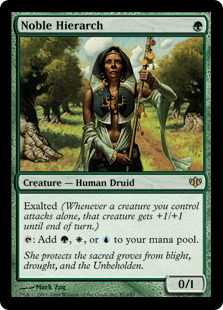
The Top 8 bracket played out as I'd expect except for the match between Max Hersch on Death and Taxes and Maggie Normile with Abzan. Abzan outsizes DnT and Lingering Souls contains fliers very effectively so I think the match is in Abzan's favor. It's possible that Selfless Spirit blanked enough removal to win the game, but I never beat Abzan with DnT playing the attrition game. Mirran Crusader is another possible explanation, but Abzan has Path to Exile. As someone who has repeatedly tried to make DnT work in Modern, you can bet that I will be examining Hersch's list and trying it out for myself. While I'm at it I'll be testing this specific matchup to try to answer the above skepticism.

The Conclusion

This was a very fair Top 16. There is only one "fair" deck in Affinity and two unfair decks, Ad Nauseam and Living End, which makes the relative prevalence of Taxing decks unusual. We see a healthy number of policing decks alongside linear aggressive decks with less than fair decks in small numbers. Thus my conclusion is that the metagame adjusted against unfair decks in Columbus. Affinity scooted through thanks to a relative lack of preparedness and favorable pairings.

If I were to extrapolate from this result to the wider metagame, all I would conclude is that the potentially problematic decks are beatable. Had Infect appeared in large numbers despite all the removal present that would be alarming. Instead I must conclude that as long as players take reasonable precautions against "fair" and unfair decks then there should be no wider metagame warp.

Decks Worth Discussing

I know I'm hedging on my conclusions, but there's just not much data you can pull from a single tournament. The metagame updates will provide a much more complete picture and provide more guidance as the PPTQ season gets underway. However, what we can analyze in detail are the individual decklists, and Columbus provided plenty to talk about.

Jeskai Control

As I said above, according to Star City Games, Jeskai Control was the most represented archetype in Columbus. Star City is partially right, because while there are two Jeskai decks they are very different from each other.

Jeskai Control, Samuel Ball (8th, SCG Columbus Classic)

Creatures

4 Geist of Saint Traft
4 Snapcaster Mage
2 Vendilion Clique
3 Restoration Angel

Instants

4 Lightning Bolt
4 Lightning Helix
4 Path to Exile
2 Mana Leak
2 Remand
2 Spell Snare
1 Electrolyze
1 Cryptic Command

Sorceries

3 Serum Visions

Lands

4 Celestial Colonnade
3 Flooded Strand
3 Scalding Tarn
2 Ghost Quarter
2 Steam Vents
2 Island
1 Plains
1 Mountain
1 Glacial Fortress
1 Hallowed Fountain
1 Sacred Foundry
1 Sulfur Falls
1 Eiganjo Castle
1 Arid Mesa

Sideboard

2 Engineered Explosives
2 Spellskite
2 Stony Silence
2 Timely Reinforcements
1 Izzet Staticaster
1 Rest in Peace
1 Celestial Purge
1 Counterflux
1 Wear // Tear
1 Supreme Verdict
1 Wrath of God

Jeskai Control, Ryan Hipp (13th, SCG Columbus Classic)

Creatures

4 Snapcaster Mage
2 Thing in the Ice
1 Emrakul, the Aeons Torn

Enchantments

3 Blood Moon

Instants

4 Lightning Bolt
3 Remand
2 Mana Leak
2 Think Twice
2 Lightning Helix
2 Electrolyze
2 Cryptic Command
2 Spell Snare
1 Vapor Snag

Planeswalkers

3 Nahiri, the Harbinger

Sorceries

4 Serum Visions

Lands

7 Island
1 Mountain
1 Plains
4 Flooded Strand
4 Scalding Tarn
1 Hallowed Fountain
1 Sacred Foundry
1 Misty Rainforest
2 Steam Vents
1 Sulfur Falls

Sideboard

2 Relic of Progenitus
1 Dispel
1 Magma Spray
1 Negate
3 Path to Exile
2 Wear // Tear
1 Vendilion Clique
1 Jace, Architect of Thought
3 Anger of the Gods

First thing is that Hipp's deck is actually Blue Moon splashing white for Nahiri and Lightning Helix. Second thing is that all that's missing from Ball's Jeskai Delver deck is the Delver of Secrets itself. Seriously, it's a very aggressive deck with a full set of Geist of Saint Traft and all the burn. I wouldn't consider it control but midrange at slowest. Hipp's deck is actual control, which makes the inclusion of Thing in the Ice interesting. This is a very uncommon inclusion, and I'm skeptical of it as a sweeper but it seems to work for Hipp.

I think it's instructive that Ball did better than Hipp. It's better to be proactive than reactive in Modern, and all Ball did was replace the sweepers and card advantage for a faster clock. I've long said that the Nahiri plan was very slow as a win condition, though I appreciate its other benefits. I imagine that Geist aggro carried Ball through a number of matches where Nahiri would have been inadequate, even if it is much worse against other creature decks. On the other hand, how many sweepers do you really need when you deck is a third removal? Despite assumptions, sometimes Geist beats Zoo on the basis of drawing removal for every potential blocker.

5-Color Aggro

Not a very evocative or descriptive name, but what would you call this monstrosity? Or as I call it, "Why Modern needs Blood Moon!"

5-Color Aggro, by Jack Rumpf (6th, SCG Columbus Classic)

Creatures

4 Birds of Paradise
4 Noble Hierarch
4 Voice of Resurgence
2 Qasali Pridemage
1 Tidehollow Sculler
3 Mantis Rider
2 Anafenza, the Foremost
2 Kitchen Finks
3 Spell Queller
4 Siege Rhino
3 Falkenrath Aristocrat

Instants

4 Path to Exile
2 Abrupt Decay

Lands

4 Ancient Ziggurat
4 Mana Confluence
4 Razorverge Thicket
3 Gemstone Mine
3 Pillar of the Paruns
3 Reflecting Pool
1 Forest

Sideboard

3 Tidehollow Sculler
3 Fulminator Mage
2 Izzet Staticaster
2 Stony Silence
1 Kitchen Finks
1 Sin Collector
1 Spell Queller
1 Gaddock Teeg
1 Sigarda, Host of Herons

Look at it. Look at it. It's like an Aristocrats deck T-boned Abzan and they just made it work. Rumpf's deck has a lot of interesting synergies, chiefly sacrificing Spell Queller to Falkenrath Aristocrat to permanently exile spells, but it also packs every good multicolored creature in Modern to just bury the opponent. Birds of Paradise into Mantis Rider followed by Siege Rhino is a very impressive curve and surprisingly hard for many decks to overcome. There's some disruption from the creatures but mostly it's a focused multicolored aggro deck that just plays good creatures.

Noble HierarchHe has the full set of multicolor mana dorks for good reason. Even with all the five-color lands his manabase is unstable and his curve top-heavy, which is probably why he lost to Merfolk's stable mana and mana disruption. I don't see this deck reliably beating a deck that's capable of Bolting its birds and then playing its own game on curve. I imagine that Rumpf got through a combination of raw card power and surprise. I can't imagine that this style of deck will be terribly common, but it's an interesting and refreshing addition to the metagame.


I called this deck "Why Modern needs Blood Moon" because five-color decks aren't particularly healthy for the format. There are so many powerful cards in the older formats and the mana so potentially perfect that if it weren't for powerful mana disruption the tendency would be to just play all the power cards in the same deck, which would push the format towards similar-looking "good-stuff" decks. Legacy has the better mana and the best disruption in Wasteland. Modern has nothing on the scale of Wasteland, so we need Blood Moon to protect against these types of decks.

Esper Tokens

When I first looked at the results from Columbus, I thought I would be congratulating Trevor for having his deck make Top 16, very likely missing Top 8 on tiebreakers. Then I actually checked the list and it's really not an Esper list in the same vein as he described.

Esper Tokens, by Mario Lillard (9th, SCG Columbus Classic)

Creatures

1 Jace, Vryn's Prodigy
4 Snapcaster Mage

Artifacts

1 Engineered Explosives

Enchantments

2 Bitterblossom

Instants

4 Path to Exile
2 Spell Snare
2 Mana Leak
2 Cryptic Command
1 Anticipate
1 Deprive
1 Dismember
1 Esper Charm
1 Secure the Wastes
1 Slaughter Pact
1 Sphinx's Revelation

Planeswalkers

2 Gideon, Ally of Zendikar
2 Sorin, Solemn Visitor

Sorceries

4 Lingering Souls
2 Supreme Verdict

Lands

4 Flooded Strand
3 Celestial Colonnade
3 Island
2 Plains
1 Swamp
2 Drowned Catacomb
2 Glacial Fortress
2 Hallowed Fountain
2 Polluted Delta
1 Ghost Quarter
1 Creeping Tar Pit
1 Godless Shrine
1 Watery Grave

Sideboard

3 Dispel
2 Stony Silence
2 Celestial Purge
2 Spellskite
2 Leyline of Sanctity
1 Engineered Explosives
1 Disenchant
1 Negate
1 Wrath of God

Rather than being a control deck as Trevor describes, this deck appears to be a mashup of Esper Control and Tokens. Which I approve of. BW Tokens is a weird deck to me. Its hand disruption and light removal package suggest that it plays like an aggro-control or midrange deck, but the clock is so slow that it wins at control speed. It's very good at going over the head of midrange decks; it's very easy for aggro decks to get under it or control decks to overpower the clock and win with card advantage.

Taking out the anthems and adding more control elements gives the deck a stronger identity and a better matchup against aggro. Lingering Souls on its own is good enough against most midrange decks that I really don't think the anthems are necessary outside of dedicated Tokens. The many one-ofs are weird to me since there isn't any card draw or selection besides the single Sphinx's Revelation, but I might be overly cautious.

It reminds me of some of my first attempts to make Monastery Mentor work. This in turn is making me want to bang my head against that wall again. In the end this deck makes me feel conflicted: I like the idea behind it but now I have to stop myself from trying out my bad ideas. Again.

Looking Forward

I plan on getting back on the PPTQ grind this weekend, so expect more tournament reports and deck analysis in the coming weeks. Personally I hope that the results from SCG Columbus are indicative of the Modern metagame. Worrying about Amulet Bloom all last season was frustrating and the decks I prefer do better in fair metagames. So to all my fellow grinders, I hope you qualify at a tournament I'm not at!

Stock Watch- Elder Deep-Fiend

Are you a Quiet Speculation member?

If not, now is a perfect time to join up! Our powerful tools, breaking-news analysis, and exclusive Discord channel will make sure you stay up to date and ahead of the curve.

Going into the release of Eldritch Moon, there was a ton of buzz around Elder Deep-Fiend from very good players. Given the results of the Columbus Open, many seem to have lost faith. As such, the price has dropped by a small margin, and copies are available for about $3.50 currently.

Without a consensus best list to rally around for emerge, it makes sense to see an established deck like Bant Company have a strong week one while the emerge deck still has some kinks that need to be worked out. Who knows, the answer may even be Bant Company feat. emerge like the list that Jack Fogle took to a Top 16 finish in Columbus:

Bant Company

Creatures

4 Duskwatch Recruiter
4 Elder Deep-Fiend
4 Foul Emissary
2 Lambholt Pacifist
4 Reflector Mage
4 Spell Queller
4 Sylvan Advocate
2 Nissa, Vastwood Seer

Spells

4 Collected Company
3 Dromoka's Command

Lands

3 Forest
3 Island
3 Plains
3 Canopy Vista
4 Evolving Wilds
3 Lumbering Falls
4 Prairie Stream
2 Yavimaya Coast

Sideboard

2 Lambholt Pacifist
2 Tireless Tracker
1 Dromoka's Command
3 Negate
1 Ojutai's Command
2 Repel the Abominable
1 Jace, Vryn's Prodigy
1 Declaration in Stone
2 Tragic Arrogance

As more players figure out how to build an emerge deck, I expect to see the deck put up better numbers. Specifically, I wouldn't bet against it for the Pro Tour. As prices dwindle, I'm looking to bet against the cynics and invest in Deep-Fiends, because I do think that the card actually is that good. An interesting data point, is that while copies can be bought for sub-$4, SCG still has theirs listed at $8. Their impressive stock and brand recognition allows them to charge a little more, but they're not the type to ask an impossible number on a card that was tanking.

Insider: Finance Lessons from Building in Commander

Are you a Quiet Speculation member?

If not, now is a perfect time to join up! Our powerful tools, breaking-news analysis, and exclusive Discord channel will make sure you stay up to date and ahead of the curve.

Multiple different groups of Magic players that I socialize with recently decided that they wanted to play Commander. Go with the flow, right?

Today I'm going to share my experience of building a new Commander deck and some Magic finance perspective that I picked up along the way while working on my new deck.

Why I Built "The Rock"

My philosphy on building a Commander deck is as follows:

1. I'm not interested in playing one-v-one Commander games. There are better highlander and casual formats for that kind of thing. Heck, I'd rather just play Danger Room.

2. I never want to have the "most Spike" deck at the table, nor do I want to have the "most Timmy" deck at the table. I'm there to have fun and enjoy the experience of multiplayer. With that being said, I don't want to get squished every game either! Nor do I want to be the guy who makes everybody else groan in disgust because my deck is all uninteractive combos.

3. I like to play with old cards that I don't get to play with very often anymore. A good way to sacrifice "raw power" or "unfun brokenness" is to simply replace busted cards with nostalgic cards you like.

One good way right off the bat to ensure you don't have the "most Spike deck" at the table is to not play blue, which is exactly what I did by building a Rock deck. I want to be the player who is just grinding around, making impactful threats and messing with the board. I'm not really trying to win really hard so much as I'm trying to have a lot of play in the game!

The Bug Brew

For the most part I always seem to gravitate towards building insect-themed Commander decks. It has kind of been a pet project of mine for years now where I just throw together some random "Swarmyard" deck and use that as the mechanism that constrains me from being "too broken."

I haven't payed too much attention to Commander stuff in the past year or so and I was pretty blown away when I saw the card:

There was an error retrieving a chart for Mazirek, Kraul Death Priest

Not only is this card a legendary insect commander, but it is actually a remarkably good Magic card. My last "Team Insect" boss was Xira Arien, which is a significantly worse leader!

Team Insect, by Brian DeMars

Commander

1 Mazirek, Kraul Death Priest

Creatures

1 Gleancrawler
1 Emrakul, The Promised End
1 Wood Elves
1 Farhaven Elf
1 Eternal Witness
1 Reclamation Sage
1 Solemn Simulacrum
1 Oracle of Mul Daya
1 Acidic Slime
1 Sidisi, Undead Vizier
1 Conclave Naturalists
1 Nissa, Vastwood Seer
1 Ulvenwald Hydra
1 Skeletal Vampire
1 Avenger of Zendikar
1 Hornet Queen
1 Terastodon
1 Woodfall Primus
1 Elvish Visionary
1 Sakura-Tribe Elder
1 Satyr Wayfinder
1 Puppeteer Clique
1 Yavimaya Elder

Sorceries

1 Worm Harvest
1 Decree of Pain
1 Living End
1 Regrowth
1 Rampant Growth
1 Victimize
1 Worst Fears
1 The Great Aurora
1 Farseek
1 Demonic Tutor
1 Kodama's Reach
1 Green Sun's Zenith
1 Night's Whisper
1 Traverse the Ulvenwald
1 Life from the Loam

Instants

1 Chord of Calling
1 Wake the Dead

Artifacts

1 Helm of Possession
1 Nihil Spellbomb
1 Sensei's Divining Top
1 Skullclamp
1 Sol Ring
1 Unstable Obelisk
1 Cauldron of Souls
1 Ashnod's Altar
1 Mindslaver
1 Birthing Pod
1 Lifeline

Enchantments

1 Dictate of Erebos
1 Sylvan Library
1 Awakening Zone
1 Ulvenwald Mysteries
1 Phyrexian Arena
1 Attrition
1 Grave Pact

Lands

10 Forest
8 Swamp
1 Overgrown Tomb
1 Bayou
1 Verdant Catacombs
1 Windswept Heath
1 Polluted Delta
1 Bloodstained Mire
1 Misty Rainforest
1 Wooded Foothills
1 Strip Mine
1 Wasteland
1 Temple of Malady
1 Khalni Garden
1 Bojuka Bog
1 Barren Moor
1 Tranquil Thicket
1 Volrath's Stronghold
1 Thawing Glaciers
1 Spawning Bed
1 Thespian's Stage
1 Llanowar Wastes
1 Woodland Cemetery
1 Myriad Landscape
1 Mosswort Bridge

Since my commander has an uber ability of beefing up my team whenever anybody sacrifices a permanent, my deck has a lot of sacrifice synergies, and ways to force opponents to sacrifice things, built in.

Another thing that I didn't realize when I started working on the deck is that with my commander in play, a persist creature like Puppeteer Clique or Woodfall Primus plus a free sacrifice outlet allows me to loop those creatures infinitely, just like the Melira Company deck! So, I do randomly have a few combos built into my deck---though I didn't build specifically just to combo.

"The Rock" Commander Specs

I actually learned quite a bit more about Commander prices in the past week, purely from trying to assemble a paper copy of my deck. I don't own a lot of these random cards because I'd never play them in Constructed---however, when it comes to a casual deck these are cards that I certainly wanted to use!

These were the cards that I was surprised had smaller current price tags that I would have thought. All of them are ones to think about picking up.

1. Mazirek, Kraul Death Priest

There was an error retrieving a chart for Mazirek, Kraul Death Priest

I went to three separate stores trying to track down a copy of this creature and simply couldn't find one. I saw that they were $3.00 on SCG and even less on TCG but I couldn't find a single copy all week long. I finally decided to just buy the card online. I was pretty surprised to find a dealer who was selling the card for $1.50 with free shipping on eBay and I actually went ahead and bought 10 copies.

When I actually stumbled across the card searching for green-black insect cards (I was trying to build an Ishkanah, Grafwidow Commander deck at the time but scrapped it when I found Mazirek), I was pretty shocked the price wasn't significantly higher. I know the card is in the new Commander deck cycle but I still expect it to see significant gains.

It is also worth pointing out that every local store I went to was also sold out of the green-black Commander deck but still had all of the other ones! I probably would have impulse-bought the deck if somebody had one for sale at the time.

2. Worst Fears

There was an error retrieving a chart for Worst Fears

Worst Fears is a mythic rare from Journey into Nyx that's gives you one Mindslaver activation for eight mana. I like Mindslavering people in Commander and so should you!

At around a buck I think this is the kind of card that should steadily grow into a more expensive Commander gem in the years to come. The effect is extremely unique, splashy, and very likely to carry cachet with casual players.

3. Phyrexian Arena

There was an error retrieving a chart for Phyrexian Arena

Phyrexian Arena had virtually the same price tag three years ago. It is an auto-include in basically every single black Commander deck, which puzzles me as to why the price hasn't increased at any point. It isn't exactly like there are fewer Commander players on the planet.

4. Wake the Dead

There was an error retrieving a chart for Wake the Dead

I actually stumbled across a copy of this card while I was sorting cards and was pretty blown away. What good fortune to find a card like this right in the middle of building a "sacrifice / synergy recursion" deck?

The card is basically a bulk rare that is actually really good! I like this as an investment card because it literally has nowhere to go but up.

5. Thawing Glaciers

There was an error retrieving a chart for Thawing Glaciers

Thawing Glaciers was another card I was excited to put into my deck, but I was also a little bit scared to think about what the price might end up being... Fortunately, the price was much smaller that I feared. It is also worth noting that Thawing Glaciers is a casual competitive Commander card that is currently on the Reserved List. I really like Glaciers as a possible investment opportunity right now.

Aside from being a good grindy Commander card, it is also a very iconic Magic card. We've seen several iconic cards really spike in the past few months.

6. The Great Aurora

There was an error retrieving a chart for The Great Aurora

The Great Aurora is a wild spell and you haven't really lived until you've cast this in a six-player game...

Not only is the card buck wild---it is also extremely powerful in a token deck. I feel The Great Aurora is similar to Doubling Season with regard to who wants it and what it does. Obviously, there is a big difference in supply for Ravnica rares compared to Standard-legal mythics. However, I strongly believe that The Great Aurora is likely at its all-time basement bottom price and will continue to grow in the coming months and years.

7. Sidisi, Undead Vizier (Foil)

There was an error retrieving a chart for Sidisi, Undead Vizier

I was pretty surprised to see this card floating at about $4. It does make sense when you consider how busted this card is in a format like Commander. Having Demonic Tutor attached to a creature body that can be recurred over and over again is pretty unreal.

I also noticed that the foil ones seem low compared to the price of the regular ones and so I like the foil versions as an investment right now. It makes sense since there is also a high demand for foils in the Commander community.

8. Lifeline

There was an error retrieving a chart for Lifeline

I was excited to play with this card for a few reasons. First, the card is sweet and leads to some epic things happening in a multiplayer game. Secondly, it is aptly named after my favorite childhood G.I. Joe character!

Did you know that Lifeline is also on the Reserved List? I think that looking for gems among Commander Reserved List cards may be where it's at right now for investing. It just makes sense. The cards have a high demand and cannot ever adjust with regard to supply. In the case of some of the Commander cards that haven't seen a lot of growth, we would be speculating that the demand would eventually grow (with the growth of Magic players and cards being lost) to adjust into the new price.

~

Anyways, I've got my stash of Commander cards now thanks to a few purchases, trades, and cashing out some local store credit. The deck is a blast to play and I'm very happy to be on Team Insect for the time being. Commander is a blast and has always been a treasure trove of opportunity for the cunning investor.

Insider: An Eternal Look at Eldritch Moon (Uncommons and Commons)

Are you a Quiet Speculation member?

If not, now is a perfect time to join up! Our powerful tools, breaking-news analysis, and exclusive Discord channel will make sure you stay up to date and ahead of the curve.

Welcome back, readers.

Last week I covered the mythics and rares from Eldritch Moon that I thought might have some impact on eternal formats; you can find the article here. This week I'm going to cover the commons and uncommons of the set. As I mentioned in the previous article, given the low mana curves of most eternal decks, we will again focus heavily on cards that cost three or less (unless they have alternate casting costs like the emerge mechanic).

Uncommons

Nephalia Academy

NephaliaAcademy

Eternal formats play a lot of nonbasics, and this one could be a relevant addition. It comes into play untapped and has a virtually uncounterable ability that does seem useful for any sort of combo deck (especially since hand disruption is a pretty valid strategy against combo decks in Modern).

As someone who plays Goryo's/Breach in Modern, I have the full four Leyline of Sanctity in the sideboard because hand disruption can be so brutal. Granted, this land isn't nearly as good as the Leyline option, but it costs nothing to cast and still adds colorless mana. If you can find foils cheap this seems like it has potential.

Crop Sigil

CropSigil

Normally, I'd never propose a card that has no immediate effect on the battlefield like this. But enchantments tend to be the hardest things to remove in eternal formats (as people tend to be less concerned with them) and the ability has some potential in graveyard-based decks.

It's important to consider that this card does help get one out of Brainstorm locks faster (as you can bin one of the cards you put back). The delirium ability also provides actual card advantage at instant speed. I wouldn't go picking up all the copies I could find, but this is one I'd make sure to remember when brewing.

Gnarlwood Dryad

GnarlwoodDryad

Potential 3/3's for one green are very good in eternal formats. Now, you're unlikely to grow this guy to 3/3 as quickly as you can, say, Wild Nacatl. But the fact that he comes with deathtouch means he can always trade with any ground creature, thus forcing your opponent to deal with him or else hold off attacking (which gives you time to grow him).

I really like this guy a lot as very few eternal creatures have trample and delirium is easier to achieve quickly in formats with fetchlands and cantrips.

Noose Constrictor

NooseConstrictor

An upgraded version of Wild Mongrel, as very few creatures in eternal formats tend to have protection from green but many do have flying. Pitching a card for a one time gain doesn't seem like much, but U/G Madness was a dominant Standard deck back in the day.

Having an instant-speed discard outlet not limited to once a turn that also grows the creature is very valuable. There are currently 30 cards with madness legal in Modern (18 black, 9 red, and 13 blue), and this guy could create some new archetypes.

Unsubstantiate

Unsubstantiate

This is sort of a "fixed" Remand as it doesn't provide you a card back, but it gives you the ability to bounce creatures that have previously entered the battlefield. I don't know if that versatility is enough to warrant inclusion in any Modern tempo-style decks or not, but it is possible.

Whispers of Emrakul

WhispersOfEmrakul

We have an easier-to-cast, sometimes Hymn to Tourach but usually Mind Knives. We haven't seen anything this aggressively costed that discards at random in Modern yet.

It likely may find a home in the 8-Rack decks, though those decks will need to adjust in order to turn on delirium consistently. Most play around 6-8 instants, no fetchlands, and have no way to get artifacts/enchantments into their own graveyard shy of discarding them themselves.

Blessed Alliance

BlessedAlliance

As I mentioned in my previous article, modal spells are inherently more powerful as they provide options to suite one's needs. Blessed Alliance gives us an aggressively costed non-targeting removal spell, the ability to create surprise blockers, or the ability to gain some life in a pinch.

The escalate cost is a bit high for eternal formats, but I'd rather play this over Celestial Flare. I don't tend to need to make an opponent sacrifice a blocker and having only one white mana in the cost makes it much easier to cast.

Curious Homunculus

CuriousHomunculus

I included Curious Homunculus because of Modern Storm decks. I've seen that deck win plenty of times with just a Goblin Electromancer on the battlefield and having additional copies (as well as a mana producer) seems very strong. The biggest downside is that it only flips at the beginning of your upkeep, so you can't play it on turn two and transform it on turn three (you're more likely to have it transform on your turn four).

I wouldn't replace Electromancer by any means, but this guy could fit into the 1-2 flex slots in some of those Storm builds.

Lone Rider

LoneRider

Lastly in the two-drop slot, we have Lone Rider. One of the biggest challenges for Modern Soul Sisters decks is finding a finisher. The decks tend to do really well at slowing a game down, but they have a hard time actually winning.

This guy provides a mediocre threat (that happens to have both first strike and lifelink) as a two-drop, is easy to flip in that style of deck, and provides a very efficient win condition once it does flip that is hard to beat in combat on the ground.

Lunar Force

LunarForce

A counterspell that sits on the battlefield and is very difficult to deal with has potential. Unfortunately it doesn't allow you to choose whether to counter the spell or not, so it just hits the very next spell your opponent casts (though if it didn't it might prove to be too broken).

The most interesting application for this card is the interaction with Sun Titan, which could prove to be a potent lock. As mentioned above, enchantments are hard to remove, and while they can double up on spells to get through the first one, a Lunar Force every turn may be too hard to fight through.

Nebelgast Herald

NebelgastHerald

There are plenty of people brewing UWx Modern Spirits thanks to Spell Queller and a host of other good spirit cards from Shadows over Innistrad block.

While this one seems unassuming at first, it's important to point out that his tapping ability triggers anytime a spirit enters the battlefield under your control. With enough spirits with flash or Rattlechains, you could tempo out your opponent by flashing in spirits to tap down attackers or blockers.

Weaver of Lightning

WeaverOfLightning

I realize this one might be a bit of a stretch, but I see some potential in Modern Storm sideboards. The fact that its ability can be used to ping creatures repeatedly and at no cost means it could help allow for Storm decks to deal with troublesome creatures like Thalia, Guardian of Thraben without having to waste one-shot spells. The four toughness puts it out of Bolt range and having reach actually gives it some ability to block things like Delver of Secrets.

Abundant Maw

AbundantMaw

Another Siege Rhino, just what we needed. All kidding aside, we have seen that creatures that provide a six-point life swing and leave behind large bodies are very playable in Modern.

The biggest challenge with the emerge mechanic is that it rewards you for playing high-CMC creatures, which unfortunately in Modern tend to be hard to get into play in the first place (unless you're cheating them in, in which case you want the biggest baddest creatures you can cheat like Griselbrand or Emrakul, the Aeons Torn).

I'm not sure if this guy has a place or not, but I wouldn't rule it out completely.

Vexing Scuttler

VexingScuttler

I mention the Scuttler because the ability can be quite powerful (especially if you can recur it some way). I don't know how viable it is, especially since blue tends not to play a lot of creatures, and when it's paired with other colors those colors tend to do the heavy lifting while the blue aspect protects the real threats.

Commons

Cathar's Shield

CatharsShield

As an exact copy of Accorder's Shield, this card is unassuming at first. Where it might have an impact is in Puresteel Paladin decks, which run Kite Shield right now. This card allows them to drop that card, or Sigil of Distinction, from the list entirely. It's honestly a bit odd that WoTC would reprint Accorder's Shield with a different name, and any time an obscure deck gets something it can easily slot into its existing decklist it's something to watch out for.

Unfortunately, being a common its value is pretty limited, so foils would likely be the only possible potential for profit. Even then I don't see a ton of people knocking down doors to foil out Puresteel Storm.

Galvanic Bombardment

GalvanicBombardment

We haven't seen this type of card in a while now, with the only previous Modern-legal incarnations being Feast of Flesh and Kjeldoran War Cry. But back in the day, Accumulated Knowledge was a card advantage machine, so this type of card has proven itself.

While I don't think this card will end up finding a home in any Modern decks (as the first one is just a worse Shock), it's something to keep in mind when brewing if you need a cheap removal spell in red that steadily ramps upward as the game goes long.

Otherworldly Outburst

OtherworldlyOutburst

The reason I highlighted this card is that there are plenty of aggressive decks that would happily pay R for a 3/2 colorless threat. Now in order to get it you have to suicide a creature into something. But the fact that this spell also gives the creature targeted +1/+0 means it can help serve as a good combat trick to trade with a blocker and leave behind a cost-efficient threat.

Whether that's too many hoops to jump through I don't know, but keep it on your radar.

Prophetic Ravings

PropheticRavings

I bring Prophetic Ravings up because it plays really well with Jeskai Ascendancy as an additional card draw/filter engine that also happens to trigger Ascendancy and provide haste.

Cemetery Recruitment

CemeteryRecruitment

I'm not too sure on this one, as I don't think adding a colorless mana to Raise Dead with a potential cantrip option is that exciting. But if any sort of modern Zombie deck develops, I can easily see it running a couple copies of this card to recur its main threats and provide card advantage.

Grapple with the Past

GrappleWithThePast

The ability to mill three and then return a creature or land at instant speed doesn't feel all that green (granted returning creatures and lands isn't that out of place, but the milling is). Personally, I feel any deck that might want this ability is likely to prefer Pulse of Murasa, but if you were playing a deck that needs to fill its graveyard and cast key creatures this does fit in.

This is another "card to watch for" but I wouldn't go about picking up all the copies I could.

Take Inventory

TakeInventory

Here we have a slower Accumulated Knowledge. Losing the instant speed hurts a good bit, but given we don't have anything similar in Modern, this is the best available.

I will likely be testing it out in Modern Storm as the deck tends to cycle through its library with pretty good consistency and casting one of these with one or two in the yard for a single U (via Goblin Electromancer) seems like exactly what Storm wants.

Thermo-Alchemist

ThermoAlchemist

It seems this set has been very good to Modern Storm players---here we have an alternate win condition that doesn't require an attack step. The three toughness does mean it dies to Lightning Bolt but it's still beefy enough that it can hold down the fort against Kird Apes and the like.

Bloodbriar

Bloodbriar

I'm honestly not sure on this one either. The 2/3 body for three mana is pretty subpar for eternal formats, but the fact that every time you use a fetchland you permanently boost him is something to keep in mind. I would have liked him a whole lot more if he was a 1/2 for 1G with the same ability (but then I don't work for WoTC).

Displace

Displace

We've seen decks abuse enter-the-battlefield abilities in Modern already (usually with Restoration Angel or Eternal Witness) so any instant that can blink two creatures simultaneously does have potential to be broken.

Conclusion

I feel like Eldritch Moon has brought a lot of potential options to Modern Storm players, as well as some decent cards for other decks. I don't think I've seen anything that will spawn a new archetype, but things will definitely be different with Eldritch Moon entering eternal formats.

Deck of the Week: Nahiri Knightfall

Are you a Quiet Speculation member?

If not, now is a perfect time to join up! Our powerful tools, breaking-news analysis, and exclusive Discord channel will make sure you stay up to date and ahead of the curve.

This week's Deck of the Week hails from the SCG Classic in Worcester from two weeks ago. Eli Kassis is a name some of you might recognize as one of the principle deckbuilders who has worked to put Retreat to Coralhelm combo on the map. He helped Bant Knightfall break out to much fanfare at the Invitational in April with a near miss on Top 8, and followed up the next month with a Top 8 at GP Charlotte. Both these builds were Collected Company decks, which he seems to be diverging from of late. Taking some inspiration from the Jeskai pilots of the world, he's recently incorporated everyone's favorite new apocalyptic antagonist.

Knight_of_the_Reliquary_(KvD) cropped

Nahiri, the Harbinger has rapidly proven her mettle in Modern and become a true cross-archetype staple, appearing everywhere from Kiki Chord, to RW Lockdown, to her de facto homebase Jeskai Control. The iconic planeswalker seems to bring a lot to the Knightfall archetype too. Take a look at Kassis's most recent incarnation:

[wp_ad_camp_1]

Nahiri Knightfall, by Eli Kassis (1st, SCG Classic Worcester)

Creatures

4 Knight of the Reliquary
2 Birds of Paradise
2 Noble Hierarch
4 Tarmogoyf
1 Scavenging Ooze
1 Snapcaster Mage
1 Eternal Witness
2 Courser of Kruphix
1 Zealous Conscripts
1 Emrakul, the Aeons Torn

Enchantments

2 Oath of Nissa
2 Retreat to Coralhelm

Instants

3 Lightning Bolt
2 Path to Exile
2 Stubborn Denial

Planeswalkers

4 Nahiri, the Harbinger

Sorceries

4 Serum Visions

Lands

3 Forest
1 Plains
1 Arid Mesa
1 Breeding Pool
1 Gavony Township
1 Ghost Quarter
1 Hallowed Fountain
1 Horizon Canopy
1 Kessig Wolf Run
4 Misty Rainforest
1 Sacred Foundry
1 Stomping Ground
1 Temple Garden
2 Windswept Heath
2 Wooded Foothills

Sideboard

2 Engineered Explosives
1 Reclamation Sage
1 Stony Silence
1 Dispel
2 Lightning Helix
2 Negate
2 Surgical Extraction
1 Linvala, Keeper of Silence
1 Melira, Sylvok Outcast
1 Keranos, God of Storms
1 Flame Jab

At its heart, Knightfall combo is a deck much akin to Abzan Company and Kiki Chord, aiming to supplement a midrange board presence plan with an "oops I win" combo in the lategame. Where Abzan Company tends towards the value side of the spectrum, and Kiki Chord focuses more heavily on executing its combo endgame, most builds of Knightfall have trended aggressive. Emrakul the Aeons TornWith beefy creatures like Tarmogoyf, Voice of Resurgence, and the eponymous Knight of the Reliquary herself, this archetype has been pretty well built to smash face when its combo doesn't come online or opponents present significant disruption. This latest version, however, has cut much of the aggressive elements in favor of ratcheting up the combo dimension.
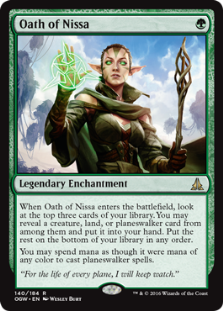
Nahiri offers a few new strategic avenues to the deck that seem to gel well with what it's already doing. First of all there's the classic pairing with Emrakul, the Aeons Torn, to plus twice into a stabilized board and promptly annihilate the plane of Innistrad opponent's board. This combo folds to different answers than the Knightfall combo, and trying to attack Nahiri to prevent Armageddon may well buy the pilot the time needed to kill with creatures.

The presence of Emmy herself also gives us another outlet for piles of mana generated via the Coralhelm combo, when attacking with a giant Knight won't do the trick or the number of fetchable lands is dwindling. Between Knight, mana dorks, and Retreat, this deck is one of few that can reasonably expect to cast Emrakul from hand some number of games. I imagine this line comes up much less frequently than the lower-hanging fruit of a giant Kessig Wolf Run or Nahiri ultimate, but it does provide some more play in corner cases.

Oath of NissaSecond, Nahiri can improve draws in the mid- to late-game, pitching redundant Retreats or mana dorks that arrive after they're needed. This ability is great in a control strategy like Jeskai that runs a large number of mana sources, but it's also excellent in a deck building to two-card combos. With Nahiri looting, Serum Visions, and Oath of Nissa, Nahiri Knightfall is pretty well-suited to dig through its library in search of a missing combo piece. It's significant that both of the cantrips find every piece the deck might need, and I'm particularly impressed with the use of Oath here. I think we may see this card adopted in more archetypes as deckbuilders figure out how to minimize the "permanent only" restriction.
We see another piece of tech that's been popping up more in Modern of late, Stubborn Denial. As another extremely efficient effect with a restriction attached, Denial may be underplayed in Modern due simply to deckbuilders not having solved the "constant ferocious" conundrum yet. I don't have a good sense for how often this deck gets the upgrade from Force Spike, but Tarmogoyf and Knight probably go a long way. In addition, how sick is the Kessig Wolf Run activation plus Stubborn in response to a game-winning spell? Blown. Out.

Retreat to CoralhelmThe sideboard strikes me as a bit odd, with so many singletons and no tutor effects to find them. Perhaps this is the result of a hasty decision to battle the Classic on Sunday by Kassis, although the preponderance of cantrips and Nahiri herself may provide enough filtering to find these bullets when necessary.


I think we haven't seen the end of Knightfall in Modern, and if Kassis's constant updates and tinkering are any indication, the archetype may have a lot of room for improvement. Retreat to Coralhelm can do some pretty nutty stuff in a format full of Birds of Paradise and fetchlands, and it might have a role to play elsewhere too. The same can be said for semi-build-arounds like Oath of Nissa and Stubborn Denial, and I'd love to see more people trying to innovate new shells to make these cards work.

Finally, I hope you'll join me on Wednesday for---I promise this time, for realzies---the June metagame report. I'm truly sorry it has taken so long, but I look forward to seeing your reactions to the analysis (and we should be back on track for July).

Want Prices?

Browse thousands of prices with the first and most comprehensive MTG Finance tool around.


Trader Tools lists both buylist and retail prices for every MTG card, going back a decade.

Quiet Speculation