If not, now is a perfect time to join up! Our powerful tools, breaking-news analysis, and exclusive Discord channel will make sure you stay up to date and ahead of the curve.
Welcome back, readers! Today's article was inspired by Mr. Gus Landt's postin the forums. He posted the question "What would you start doing now if you were going to open a brick-and-mortar store in two years?" Gus himself already has a store, but it's a great question to garner feedback on for many reasons.
The biggest reason is that many small business owners are pretty inexperienced running a business (this isn't relegated to Magic or any specific industry). I'll be upfront and state that I have no formal education or training in running a business, so I'm not the ideal source for that specific information; but knowing my limitations, I wouldn't try and start a business without additional outside knowledgeable assistance.
Running a game store adds additional constraints and concerns to consider.
Playerbase Estimation
In my last article I mentioned that the most recent count of Magic the Gathering players (from WoTC) is around 12,000,000--which is pretty impressive until you realize that the earth's population is over 7,200,000,000. This means that of the earth's population only about 0.16% of the population plays MTG.
If we take a smaller sample than the entire earth's population (let's say your nearest cities population), we can assume that a similar percentage of said population might be interested in Magic. I currently live between two of the bigger cities in South Carolina and according to Wikipedia the entire county populations (for both cities) is 765,235. If we use our 0.16%, then we estimate there are around 1,224 potential players in the area (not bad really).
I've been to all of our stores and met a lot of different players, but nowhere near that many (which to me implies that WoTC's 12,000,000 may in fact include people who just buy a pack or two from Walmart once a month). But either way, at least we can get an idea of what kind of demand we can expect in our area.
Break-even Analysis
This is a very simple concept, but one that I think a lot of people don't grasp clearly. The actual definition can be found here. But the basic idea is to figure out how much you need to sell to cover your expenses. It sounds simple enough, but what's critical is for you to figure out all your actual expenses. Here's a quick list of a few I can think of off the top of my head:
Rent
Insurance
Utilities
Internet
Security
Property Taxes
Sales taxes
Product procurement
Advertising
Employee pay
This list isn't likely all-inclusive (there are probably some expenses I didn't think of), but all of these things take away from your profit margin.
Competition
Thanks to the internet and its availability to most people (especially MTG players), MTG selling is quickly reaching a point of "perfect competition." I base this claim on the following:
All copies of a specific card in NM condition are identical (or at least extremely close).
None of the companies selling MTG cards can control the market price.
None of the companies selling MTG cards have a significant market share of the total number of copies of any given card (at least besides Alpha/Beta).
Anyone can look up singles prices on TCG Player and numerous other website to compare prices of each card.
You can easily enter/exit the MTG marketplace (though each may have a cost to do so, it's still easily doable).
That being said, as a brick-and-mortar store owner you have to accept that you are in fact competing with all the other stores/people who sell cards on the internet and in your local area. Thus you need to develop a pricing model conducive to this type of selling if you want to be successful. The good news is, this level of competition is limited to actual product sales. Another form of profit is tournament fees which have a much lower level of competition as tournaments aren't something one can currently "buy" online (at least not paper tournaments).
When it comes to local competition you'd ideally want to calculate the viability of adding another store to the local atmosphere with something like the Lotka-Volterra equation. This equation was created to model dynamic systems similar to how predators and prey interact in an environment. The equation is:
Where x is the number of local players (taken from your playerbase estimation analysis), y is the number of other stores in your area, and Dx/Dt represents the local playerbase growth rate, which might be difficult to determine.
Dy/Dt represents the store growth rate, which may or may not be difficult to determine (obviously it's pretty easy to count the total number of stores, but if a competitor is doing really well their store might grow in ways other than "additional locations", such as increased hours of operation, increases in store size, or even just increase in singles selection).
The other major challenge comes from your other constants (α, β, γ, δ) which are real parameters that exist between the players and stores. These might include (but the list is certainly not all inclusive):
Cost of entry vs prize payout of tournaments
Price of singles compared to online prices
Store proximity to players
Store owner "likeability" to playerbase
Desirability of players to remain or return to a particular store
How "fun" the game is and/or overall player retention to the game itself
Unfortunately, there is no "right" answer to look for. One could simply judge the level of importance of the factors they want to look at and run the equations utilizing said factors and then comparing the outcomes. Doing this might help a potential store owner figure out what factors they need to focus on; however, even then I don't know if the answers will be definitive enough to be truly helpful (and not skewed by simple input bias).
The actual graph of these equations (with a predator-prey relationship) often looks something like this:
As you might expect, the predator (or store) population increases when the prey (or player) population increases, but it's slower to do so, emphasizing that there's always a delay between actual demand and its perception in the community.
Understanding Your Customer's Wants
One thing I've seen a lot of stores do is diversify what they offer. Magic players often have plenty of other hobbies that game stores can access from their same distributors (board games, comic books, action figures, other card games, video games, graphic novels, etc). However, the best way to understand your customer's wants is to ask them (and gather data).
It would also be wise to gather sales data so you can analyze buyer trends. For example, you're most likely to have the most Standard sales before FNMs on Friday and the most EDH sales on EDH night. This seems obvious, but you might notice other trends; perhaps certain days of the week are barren, and these would be the best nights to offer other games or sponsor new or different formats (Tiny Leaders, Sheriff Commander, etc.)
Conclusion
What is most important to pull from all of this is that there is in fact a relationship, and areas can become "saturated" with stores. This will actually hurt all the stores simultaneously until some close and the proper balance of stores to players is reached.
This is why doing the break-even analysis is so important. If you can figure out how many players on average your store will need to see to cover your expenses you can evolve your store's operation to maximize your profits.
If not, now is a perfect time to join up! Our powerful tools, breaking-news analysis, and exclusive Discord channel will make sure you stay up to date and ahead of the curve.
Welcome to the MTGO Market Report as compiled by Sylvain Lehoux and Matthew Lewis. The report is loosely broken down into two perspectives. A broader perspective will be written by Matthew and will focus on recent trends in set prices, taking into account how paper prices and MTGO prices interact. Sylvain will take a closer look at particular opportunities based on various factors such as (but not limited to) set releases, flashback drafts and banned/restricted announcements.
There will be some overlap between the two sections. As always, speculators should take into account their own budget, risk tolerance and current portfolio before taking on any recommended positions.
Redemption
Below are the total set prices for all redeemable sets on MTGO. All prices are current as of July 27th, 2015. The TCG Low and TCG Mid prices are the sum of each set’s individual card prices on TCG Player, either the low price or the mid-price respectively.
All MTGO set prices this week are taken from Goatbot’s website, and all weekly changes are now calculated relative to Goatbot’s ‘Full Set’ prices from the previous week. All monthly changes are also relative to the previous month prices, taken from Goatbot’s website at that time. Occasionally ‘Full Set’ prices are not available, and so estimated set prices are used instead.
Magic Origins Release and Play Points
This week marks the introduction of ORI prices to the MTGO Market Report. Note that redemption for ORI is expected to open by the end of August.
Prices are mixed but with a negative slant this week with the start of ORI prereleases. The release of any new set strains the MTGO economy as the need for tix rises from both dealers and players. This is the liquidity crunch, which reduces the price of all singles and boosters. Savvy speculators who have been moving into tix in the last month can now start moving back into select singles and boosters.
The other big change that has affected prices is the announcement of Play Points (pps) which are a new type of prize awarded through entering constructed events. They will start being awarded at the conclusion of ORI release events. Play Points are an interesting addition to the MTGO economy. They are like awarding opened boosters, but they are flexible in that one can enter any draft or sealed event with them. Changing Constructed event prizes to include what amounts to draft entry tickets means that the value of prizes for Constructed play will be more stable over time than they have been in the past.
Being able to choose which Limited format to play with pps is a strong feature of this new award. As a result of this feature, there will be much less variation in the secondary market price of boosters. Awarding pps means players can decide which draft format best suits them. Usually this will be the most current draft format, but allowing players to choose their prize means there is a new release valve for market pressures. Previously daily events awarded the most current sets as prizes and this meant that prices on those boosters were under constant pressure. With pps going to be making up a large portion of constructed prizes, this pressure will be gone.
For most players the introduction of pps will be a positive change as jumping into a new draft queue will be much smoother without the need to access the secondary market in order to exchange cards or tix for the correct boosters. Reducing these transactional frictions and awarding something that players value will result in happier players that will end up playing more Magic. Players who only play Constructed will be able to continually enter Constructed events as long as their supply of pps hold ups.
The one subset of the playerbase that will be hurt are the grinders who relied on prizes from constructed Daily Events as a source of income. Being forced into higher variance Limited events in order to use up pps means that these players will not be able to rely on a steady stream of valuable digital objects. Grinders who are using MTGO as a possible stepping stone to the Pro Tour will be hurt less as they will be able to convert pps into PPTQ entry fees.
Return to Ravnica Block & M14
Sets of RTR are down significantly in the last month since RTR redemption sets went out of stock in the MTGO store. It's taken some time for the market to respond to this event but with the end of Modern season and the start of ORI events, the need for tix to enter events has trumped the utility of holding onto cards such as Jace, Architect of Thought or Steam Vents.
Without the support provided by redemption, there is no price floor on RTR singles so expect continued price weakness as the market seeks a new equilibrium. And for cards like Utvara Hellkite, which only gets utility from redemption, the price floor is not far off of zero.
GTC is a little lower this week as players sell their shock lands. With redemption on this set still open, value is flowing towards the mythic rares of the set. Look for a final window to sell any remaining cards from this set in early September.
Mutavault of M14 is off significantly since Goblin Piledriver was spoiled from ORI. 4 tix was the price that this card reached after rotating out of Standard, so with it currently at 5 tix this is getting to close to a very attractive entry point. All eyes on Standard at the moment so looking to opportunities in Modern staples is a good idea for speculators.
Theros Block & M15
The two smalls sets of Theros block are up this week as players get interested in Standard one last time this summer, but THS and M15 are both off a significant amount. Although there is some potential in short-term speculative gains on cards from all of these sets, any price strength should be sold into. Look for a jump in staples and key cards this weekend as the Pro Tour unfolds.
Tarkir Block & Magic Origins
All three Tarkir block sets are off by over 5% this week with the start of ORI prerelease events. This is a temporary dip in reaction to the announced changes to Constructed prizes as well as a normal sell off at the beginning of a set release. At the tail end of DTK and FRF drafting, both sets are at attractive prices on MTGO and relative to paper prices.
An alternative speculative vehicle are the Tarkir block boosters, which are also heading lower in price this week. DTK and FRF boosters are plumbing new depths and represent good value at current prices. If you don't want to gamble by speculating on particular cards, boosters can be a nice low-risk spec. Although KTK boosters are not at their all-time low, all three of the Tarkir block boosters are currently on sale relative to their long-term expected price.
Once interest in ORI drafting levels off in the second half of August, interest in Tarkir block drafts will start to pick up again. Short-term gains in these boosters will be made by September before they dip again in October with the release of BFZ. Longer-term, DTK boosters will get back above 3 tix at some point in the winter and KTK boosters will also have a chance to crack 3 tix. FRF boosters have a more modest long-term target of 2+ tix.
ORI is the new set this week and its price is similar to where DTK started. DTK jumped to over 150 tix the week after it was released and ORI has a good chance to do something similar. Look for breakout cards this weekend at the Pro Tour to pump up the price of this set.
Modern
Many Modern staples have dropped further since last week. The combined action of ORI release events, Lee Sharpe’s announcement of the change to Play Points and a drop in Modern interest has put a lot of pressure on several cards.
Some, such as Aven Mindcensor, Rest in Peace, Obstinate Baloth and Abrupt Decay got pushed down to a one- or even two-year low. A large majority of Modern cards including format staples such as Snapcaster Mage, Inkmoth Nexus, Torpor Orb, Serum Visions, Azusa, Lost but Seeking and Through the Breach have gone back to their level from the Spring, their pre-Modern Masters 2015 list announcement level.
This sudden deflation of Modern prices is clearly visible on the Modern Total Format Price Index, which lost close to 15% of its value in two weeks. Although stabilized by speculators and players attracted by discounted prices, this drop will probably last at least until the end of ORI release events.
If you haven’t rebought some of the positions just sold a couple of weeks ago, this is a great opportunity to selectively purchase Modern staples for another speculative ride until October and the release of Battle for Zendikar. Buying a basket of the most playable Modern staples is, once again, a favored strategy in order to ensure an overall positive outcome.
Both Modern positions accumulated these days and MM2 positions acquired during the release of Modern Masters 2015 are expected to reach a short-term high at the end of September, which will be the next window for speculators to consider selling from their basket of Modern assets.
Legacy & Vintage
WotC is pulling off the financial support to Vintage Super League (VSL). Although it was entertaining to watch it may not have any effect on current Vintage prices but this news certainly won't help supporting this format though. A Patreon support system is likely to be set up to support the MTGO Vintage streaming.
Similarly to the Modern index, both Legacy (Total Format) and Vintage (VMA) indices lost about 10-15% value this past few days in reaction to last week's MTGO changes and the demand for Tix for ORI release events. The total VMA set value dipped, for the first time, under 500 Tix and the emblematic Black Lotus fell under the 100 Tix this week.
If the MTGO economy is all about supply and demand for these type of cards then Lotus will probably continue drifting down. Considering the existing non-support for Vintage, prices for Vintage-only cards have nowhere to go but down until they reach a floor, likely to be low, established by casual demand and a few speculators.
Pauper
According to Lee Sharpe, it appears that the newly implemented structure, buy-in and prizes for Daily Events and 8-man queues may not favor Pauper and may have a chance to negatively impact Pauper prices in the mid- to long-run.
Several Pauper cards have already dropped quite a bit since last week. After steady and strong gains for the past three months, Mental Note abruptly dropped from 2.2 Tix last week to less than a Tix now. Both the Planeshift and Alara Reborn versions of Terminate, Unearth and Exclude also took a hit recently, although not as sudden Note.
Nonetheless, other Pauper staples such as Snap, Sunscape Familiar, Crypt Rat and the artifact lands remain stable or are even slightly on the rise.
Here as well it is not easy to dissociate the effects of ORI release events, MTGO tournament changes and natural price cycles. Significant drops from price heights are always a buying opportunity to consider. But speculators should proceed with caution before taking positions in a format that might lose part of its playerbase due to tournament structure changes.
Targeted Speculative Buying Opportunities
Standard
KTK boosters
FRF boosters
DTK boosters
Crux of Fate
Tasigur, the Golden Fang
If not, now is a perfect time to join up! Our powerful tools, breaking-news analysis, and exclusive Discord channel will make sure you stay up to date and ahead of the curve.
While Mark Rosewater wasn't offering any spoilers from Battle for Zendikar, he did announce on his Tumblr that starting with BFZ there will be no more seeded packs are pre-releases.
The Battle for Zendikar preview weeks don’t start until September, but I’m not a heartless man. I’ll share a little Battle for Zendikar news with you all today.
Starting with the Battle for Zendikar prerelease, we will no longer be using seeded packs. You will get six Battle for Zendikar boosters along with a stamped preview card that can be any rare or mythic rare from the set. This change was made based on a lot feedback from all of you.
I now return you to your waiting for Battle for Zendikar previews. : )
This is an interesting decision to me. For one, prereleases weren't very good testing for actual sealed with seeded packs offering "training wheels", but this only matters if the prerelease is something that we want to be competitive. Given the crowds that I see at these events, I don't think this is the case. At any rate, this seems to be what players say they want, and I like it.
It will be interesting to see how having any rare or mythic from the set as your card pans out. The prerelease cards of late have been valued between a non-foil and a foil, and this will presumably make the prerelease cards worth closer to the value of a regular pack foil.
If not, now is a perfect time to join up! Our powerful tools, breaking-news analysis, and exclusive Discord channel will make sure you stay up to date and ahead of the curve.
Raise your hand if Goblin Piledriver was your favorite Magic Origins reprint. What about favorite Origins card? What about favorite reprint period since Modern's birth (sorry Scavenging Ooze)? Goblin Piledriver is that rare card which inspires current spikes, old Magic veterans, and newer players who have heard legends of tribal Goblins in action. Wizards' inclusion of Piledriver is a clear tribute to Modern, and although it's not clear yet if Goblins has what it takes to smash Modern tournaments, Piledriver is a great start. If anything gets Goblins started down the path to glory, it's the mean, lean, chokeholding, pro-wrestling machine.
We've had three Nexus articles touching on Piledriver's Modern impact, including my Origins review, Jordan's Day's Undoing-powered brew, and Trevor's prototype Goblins list. Of course, as any red mage knows, it's one thing to theorize about Goblins in Modern and another entirely to smash face with them. In that spirit, this article covers three recent Goblin successes in real Modern events. These lists showcase three different ways to Piledrive, Bushwhack, and Grenade your way to the top, and can serve as a great starting point for Team Goblin fans everywhere. In each section, I'll breakdown the list, identify some key strengths and weaknesses, and suggest a few improvements to bring that list to the next level.
[wp_ad_camp_1]
List #1: RG Atarka's Goblins
When I think of Goblins, I think of a giant pile of green men backed by lord effects and burn spells. Modern Goblins has always derived some of its strength from its ability to go wide (with cards like Mogg War Marshal and Dragon Fodder) and its ability to deal a lot of damage in one fell swoop (see Goblin Grenade and Goblin Bushwhacker). Pejanovic Tomo took this approach to heart in his RG Goblins build at PPTQ Udine, finishing first at the 37-player event (even beating Twin in the Finals!). His list is below:
You may have already read about Tomo's finish in an article he published a week ago. If not, take a look at the article for his matchup report and larger deck takeaways. In looking over the decklist myself, and reading through his article, I see a few strengths and synergies that need to be highlighted.
Burn gives you interaction Goblins can feel a bit too fair in Modern, like a Merfolk deck without any Cursecatchers or Vapor Snags. Burn spells shore up those weaknesses, allowing you to interact with problematic creatures before they win opponents the game. Mogg Fanatic is huge here, blowing up mana dorks, making combat math unfavorable for blocking opponents, and removing targets before they become problems (Blighted Agent, Inkmoth Nexus, Pestermite, etc.). Add Lightning Bolt to the mix and you can threaten a huge variety of targets. Fanatic even combines with Bolt to give you a maindeck solution to those four-toughness Deceiver Exarchs. As we'll see in the other lists, all of the successful Goblins included maindeck interaction. If you can overlap your burn spells to both kill targets and provide reach (see the next point), that's deck efficiency in action.
Burn gives you reach One of the big dangers in creature-based aggro strategies is running out of steam. No one wants to be the chump who gets his opponent to 1-3 life when the opponent stabilizes behind blockers and removal spells. Enter your burn spells, which give you some added reach your creatures might not provide. Cards like Goblin Guide, Legion Loyalist, and Foundry Street Denizen are quickly outclassed by turns 4-5 (or turns 3-4 against some decks), which often forces you to sneak in those last points of damage outside of combat. Goblin Grenade is massive here, especially when most Modern decks are effectively starting at 17 life due to shockland and fetchland damage. Bolt, Fanatic, and Command also support Grenade in the damage race, giving you a bunch of extra firepower to punch through a wall of Goyfs, Tasigurs, and removal spells.
Always go wide If you are already using creatures like Goblin Bushwhacker to alpha-strike, your Dragon Fodder token-makers become a lot better. Even on their own, these cards give you a lot of ways to dodge efficient one-for-one spot removal and large blockers. With the exception of RG Tron and its Pyroclasm, tier 1 Modern decks usually aren't packing sweepers in the maindeck. They are, however, full of spot removal. This can put your shiny new Piledrivers in an awkward position, but makes those Mogg War Marshals a lot more attractive. Goblins has always distinguished itself from other aggro decks by going wide with its tokens and creatures, and that's a strength other Goblin brewers shouldn't ignore in their own versions.
When identifying strengths for an up-and-coming archetype like Goblins, it's important to look for those unique to the deck. Or, more precisely, a combination of strengths that is unique to the deck. Other lists can burn you to death (Hi, Burn), others can go wide (BW Tokens), and others have bursty two-drops (Affinity). RG Goblins finds its strength in combining those three approaches, something no other deck can do in quite the same way. That said, this unique combination doesn't necessarily make Goblins the best choice in a metagame. Burn is probably going to be more consistent if for no other reason than its lower creature count: it's easier to count to 20 with spells than with creatures. Similarly, Affinity is going to be burstier because it's hard to beat Cranial Plating and Arcbound Ravager in a damage race. This lets RG Goblins excel in metagames where opponents are heavily prepared for Burn (packing cards like maindecked Dispel) and Affinity (lots of Stony Silences and Ancient Grudges in boards).
In improving this first list, I am struck by a quote from Tomo's article:
"As far as Goblin Piledriver goes, it’s a real beater that... puts additional pressure when he hits the field. However, I usually went for any other two-drop... when I had a choice, since losing Piledriver to Bolt/Decay/Terminate is a tempo loss, so I used him as a finisher."
Pre-Piledriver Goblins was basically unplayable in Modern at the competitive level, and I worry that any strategy not leveraging Piledriver is too similar to those older, worse versions. Increasing the Piledriver count to three helps emphasize this unique strength. I'm also upping the Marshal count because the card is just too strong with all those Bushwhackers and Commands. Although I like Frenzied Goblin in some matchups, there are enough top-tier decks where the effect isn't as relevant: cutting one of them helps make room for the more important cards.
-1 Frenzied Goblin
-1 Legion Loyalist
+1 Goblin Piledriver
+1 Mogg War Marshal
List #2: RB Blood Goblins
Back in the Patriarch's Bidding days, RB Goblins was the name of the game. We might not have Bidding in Modern, but we have a number of other interesting RB cards that play nicely with red's iconic tribe. This includes the grindy lord Mad Auntie, the anti-combo bullet of Earwig Squad, and general RB staples such as Kolaghan's Command. Duma Cristinel recently took 7th at a 30-player PPTQ in San Giovanni in Perscieto with his own RB take on Goblins. Here's the list:
RB Blood Goblins, by Duma Cristinel (PPTQ San Giovanni in Perscieto 2015, 7th Place)
Creatures
2 Mad Auntie
3 Goblin Rabblemaster
3 Goblin Piledriver
3 Mogg War Marshal
2 Goblin King
2 Goblin Bushwhacker
3 Earwig Squad
4 Goblin Guide
2 Purphoros, God of the Forge
2 Krenko, Mob Boss
3 Goblin Chieftain
Enchantments
3 Blood Moon
Instants
4 Lightning Bolt
Sorceries
4 Goblin Grenade
Lands
4 Mountain
2 Swamp
4 Blood Crypt
4 Cavern of Souls
1 Mutavault
4 Bloodstained Mire
1 Urborg, Tomb of Yawgmoth
Sideboard
2 Corpseweft
1 Tormod's Crypt
2 Hero's Downfall
2 Dreadbore
2 Anger of the Gods
3 Kolaghan's Command
3 Combust
Although Cristinel's list has some overlap with Tomo's RG build, the decks have a lot of differences in their gameplan. Cristinel goes for a grindier Goblins build with early aggro options, combining the aggression of Guide, Bushwhacker and Grenade with the mid and lategame finishing power of Goblin Rabblemaster, Purphoros, God of the Forge, and Krenko, Mob Boss. Following that approach, here are some key deck strengths in RB Goblins.
Goblin grinding Sometimes you want your Goblins to win on turn three or four, riding a wave of Bushwhacked tokens to victory. Other times, your opponent blows up all your answers early and stonewalls you with a Tarmogoyf and Lingering Souls. That's bad news if you were relying on a finite supply of 1/1s to finish the game, but much better news if you have endless tokens courtesy of Rabblemaster and Krenko (not to mention regeneration from Auntie). These cards are particularly nasty when paired with Purphoros's enter-the-battlefield trigger, pinging your opponent for two every turn or even blasting them for six or more. Add your lords to that and even the smallest threats become capable of finishing games and punching through removal, especially with Goblin King mountainwalking your Goblins through Jund's, Twin's, and Grixis' defenses.
Non-traditional interaction As longtime site readers know, I'm a huge fan of Blood Moon in Modern. It randomly obliterates a bunch of tier 1 and tier 2 decks, even screwing with decks that are supposed to be Moon-proof when they aren't expecting it (Grixis and Jund). Maindecking Moon gives Goblins an edge that other tribes like Merfolk and Elves can't match. It's a more proactive form of interaction than removal like Bolt and Fanatic, but it's still the kind of interaction which will save you against decks like Amulet Bloom. Speaking of which, Earwig Squad is some nasty Goblin tech that is increasingly relevant in metagames full of Collected Company/Chord of Calling decks. Twin decks can get locked out of their primary win condition through timely Earwig prowls; even RG Tron hates this. Similar to Moon, the Goblin Rogue team isn't conventional interaction like Terminate, Decay, and Thoughtseize, but it's a form of interaction which gives Goblins some added flexibility in diverse metagames.
One thing I like about RB Goblins is how deliberately it tries to distinguish itself from other aggro decks. It's grindier than almost all the other aggro options in Modern (except some Zoo variants), but still packing the burst you would expect of a Burn or Affinity strategy. And unlike Zoo, you still retain the going-wide option you see in many other Goblins versions.
A key area for improvement could be Kolaghan's Command. This card is easily one of the best in the format and I have no idea why this list doesn't include them in the maindeck. Goblins generates a lot of casualties, which means you are almost always using the recursion mode on Command to maximize the card's value. Command also gives you a ton of interaction options you wouldn't otherwise have in a Goblins deck, plus some damage for added reach. I'd trim down some of the other higher-curve cards to include it. Also, the sideboard has a lot of bizarre inclusions which I'd also want to clean up.
-1 Blood Moon
-1 Purphoros, God of the Forge
-1 Earwig Squad
SB: -3 Kolaghan's Command
SB: -3 Combust
SB: -2 Dreadbore
SB: -2 Hero's Downfall
SB: -1 Tormod's Crypt
Magic Origins hit MTGO this weekend, which means you can expect Dailies packed with players trying out their Goblins, Merfolk, and Day's Undoing lists. Sunday saw a very interesting take on Goblins, with t00yot splashing white in their deck to fix some of Modern Goblin's historical problems. This includes Path to Exile for hard removal and the exciting Ranger of Eos as a substitute for the Modern-absent Goblin Ringleader. Here's t00yot's 3-1 list from yesterday's daily:
RW Ranger of Goblins, by t00yot (Daily 7/26/2015, 3-1)
Creatures
4 Goblin Bushwhacker
4 Foundry Street Denizen
4 Goblin Chieftain
4 Goblin Guide
4 Goblin Piledriver
2 Goblin Rabblemaster
2 Grim Lavamancer
2 Mogg Fanatic
4 Mogg War Marshal
4 Ranger of Eos
Artifacts
4 Aether Vial
Instants
2 Path to Exile
Lands
4 Arid Mesa
2 Cavern of Souls
7 Mountain
1 Plains
4 Sacred Foundry
2 Windswept Heath
Sideboard
1 Path to Exile
2 Blood Moon
2 Burrenton Forge-Tender
2 Forked Bolt
1 Magus of the Moon
1 Rending Volley
2 Rest in Peace
2 Shattering Spree
2 Spellskite
One of Legacy Goblins' claims to fame is its effective use of Aether Vial, so any Modern deck which is able to effectively leverage that card is going to draw our attention. This is a very aggressive Goblins list with some midgame synergies that distinguish it from the more conventional RG approach we saw earlier.
Refueling with Ranger and Vial It's unfortunate Goblins didn't get Ringleader in Origins (stupid Elves and their Sylvan Messenger), but until we get the Goblin staple we are going to have to make do elsewhere. Ranger of Eos is very strong here because many of Goblins' one-drops are actually some of its best creatures. Just grabbing double Bushwhacker sets your opponent up for a huge beating next turn. Or grab a Fanatic, Guide, or Denizen for easy Vialing in off your classic artifact. In these ways, Ranger gives Goblins both some finishing power when you need to close out a game, recovery power if you got hit by Anger of the Gods, or refueling power if you are stalemated against a wall of Anglers and Tasigurs. Vial serves a similar function, but with the added bonuses of virtual mana acceleration and letting you hold up mana to threaten a Path. I'm a little nervous about Ranger's four mana pricetag in a format where four mana buys you Splinter Twin, but I think it's okay here if your one-drops can finish the game next turn.
All-in aggression The other two lists we saw today ditched some of the more classical aggressive elements, like a playset of Goblin Chieftain, for more range with tokens or more grindiness with Krenko and Auntie. They also weren't running full Piledriver playsets. Not t00yot though, who pulls no punches with running the full playset of Goblins' most aggressive staples. I like this approach in a slower metagame where you only need a few Goblins to connect to end the game, or when opponents don't have enough removal spells to answer everything one-for-one. It's also strong in races against decks like Burn and Affinity: you don't want to screw around with turn three Earwig Squad when your opponent already has you at 8 life. This approach seems very fitting for MTGO, a venue which has historically rewarded linear decks in low-round events. If your opponent missed a beat on their removal, you can bet the turn three Chieftain is ending the game on the spot.
One concern I have with this deck is the lack of interaction. Some aggro and combo decks don't need to care too much about interaction because they can win races if not respected. This includes Infect, Affinity, Grishoalbrand, Amulet Bloom, and a variety of other linear Modern strategies. Modern Goblins, however, doesn't really fit in this category. The earliest your strongest draw can win is on turn three, and that assumes zero interaction of any kind from your opponent. Compare this with the other decks listed above, all of which have a several avenues to turn three wins. This makes Goblins a turn four aggro deck like Zoo or Merfolk, and although Goblins has some strengths these other decks don't have, it still needs to play by their rules. Both Zoo and Merfolk distinguish themselves from faster aggro decks by running lots of interaction points, and Goblins should probably be doing the same even with Piledriver now in the mix. Path is a great start here, as are those awesome Lavamancers, but I'd up that count instead of just hoping for the best.
-2 Ranger of Eos
SB: -1 Path to Exile
+2 Path to Exile
SB: +1 Ranger of Eos
The Future of Modern Goblins
There's a lot of space for Modern Goblins to improve, and a lot of tech worth trying. Collected Company is an obvious go-to in this department, as are old fallbacks like Lead the Stampede. With Battle For Zendikar coming up and a possible Goblins theme in store (c'mon reprinted Goblin Guides), there's still hope to see cards such as Matron and Ringleader come our way. We might even get something totally new! The future is bright for Goblins, and I'm excited to see where the little guys go from here.
What other successes have you seen with Goblins in Modern? Any lists you are testing or think show promise? I'll be testing some Goblins list in the coming weeks (Day's Undoing + Goblins is too cool to ignore), and I'll report back with some findings of my own. Until then, keep up the Piledriving and don't let those other aggro players forget who puts the "G"s in "aggro"!
If not, now is a perfect time to join up! Our powerful tools, breaking-news analysis, and exclusive Discord channel will make sure you stay up to date and ahead of the curve.
I’m just getting settled into my new home in Hawaii. If anyone lives on Oahu and wants to share some views on the local game shops then please do so! For now, let's talk Magic finance.
I live here now.
When I last published an article I talked about the three basics that every business needs to have a firm grasp on. Once you have this, your clientele will notice, and it will help shape their worldview.
Worldviews
One of my favorite business writers, Seth Godin, writes in his book, “All Marketers are Liars,” about worldviews and how they define a person's opinion of businesses before they even see an advertisement. He defines it like so:
“Worldview is the term I use to refer to the rules, values, beliefs and biases that an individual consumer brings to a situation.
If Jason got screwed the last time he bought a car from a used car salesman, the worldview he has when visiting a dealership four years later is a little different than that of someone who is buying her third car in four years from the same place…
…Different people, different worldviews. People can see the same data and make a totally different decision.
Frames are elements of the story painted to leverage the worldview a consumer already has. George Lakoff popularized this term in his writing on political discourse, but it applies to anything that’s marketed to anyone… A frame in other words, is a way you hang a story onto a consumer's existing worldview.
Don’t try to change someone’s worldview is the strategy smart marketers follow. Don’t try to use facts to prove your case and insist people change their biases. You don’t have enough time and you don’t have enough money. Instead, identify a population with a certain worldview, frame your story in terms of that worldview and you win.”
It’s easy to think of examples within our culture to prove Mr. Godin right. Barack Obama framed his campaign around people who wanted to see America go in a different direction than the one George W. Bush had us headed in. Ikea markets to people on a budget and completely ignores those individuals who are glad to pay extra for a more luxurious living room set.
So how does this apply to us in the finance industry? Or even within the game of Magic: the Gathering itself?
Worldviews within the game of Magic are all around us. Two prominent worldviews actually compete against each other. Some Standard-only players believe that Legacy is too expensive to get into, so they stick to a format where cards rarely get above $50 and rotate often. A lot of Legacy players believe that Standard rotates too much for it to be worth much investment and avoid valuable cards that probably won’t see play in older formats.
There are of course exceptions to each of these worldviews, but the point is to see them and accept that they exist. Don’t try to change them, just try to work with them.
Framed!
If you are a store owner and most of your playerbase prefers Modern, then you obviously need to stock a lot of Modern singles. You don’t turn down Tropical Islands when they come around, but they may prove tough to sell down the road. This is all basic common sense, you supply to meet demand.
This is a good pun... It needed to be here.
In doing so you are already recognizing the worldview that Modern is the best format. Why not frame your store's priorities around this worldview?
How do you take advantage of that fact to solidify your identity as the place to play Modern in your area? You could hold more Modern format tournaments with larger prize payouts. You could invest more into your Modern product and go out of your way to make sure that you have every staple that anybody could need. You could even stock Modern-legal sealed product.
Sure, you would likely miss out on some Standard and Legacy players, but you aren’t concerned with them as much as Modern players. Limited players may even pay a premium to draft Innistrad block again for the chance to pull some nice cards and enjoy a great format.
I’m not saying to ignore other parts of the playerbase. Hold your Standard Friday Night Magic tournaments, sell an array of Standard staples. Just focus on that main worldview of your particular population and frame your store’s major events and priorities around it.
Doing this will help create a loyal playerbase who will swear up and down that yours is the best shop in town. You will find no better advertising than this.
All of these ideas will work for you whether you are Star City Games or the lowest lowly trader in the shop. Framing yourself as the go-to guy for foreign cards, or foils, or EDH staples is a great way to find your niche in your market. Nothing feels better than having someone straight come to you because their friend knew you would be the one to have that foil Jace Beleren.
If not, now is a perfect time to join up! Our powerful tools, breaking-news analysis, and exclusive Discord channel will make sure you stay up to date and ahead of the curve.
If you put enough cards into Standard that make it very obvious that you want to commit to a specific card type, eventually that deck just becomes a great deck. We're probably at that point with Constellation, with Herald of the Pantheon and Starfield of Nyx pushing the archetype from the fringes to the forefront. This weekend John Taylor Top 8'd the SCG Open in Richmond with this build:
Abzan Constellation
creatures
4 Herald of the Pantheon
4 Sylvan Caryatid
4 Courser of Kruphix
4 Doomwake Giant
4 Eidolon of Blossoms
4 Nyx Weaver
1 Pharika, God of Affliction
spells
4 Banishing Light
2 Sigil of the Empty Throne
2 Starfield of Nyx
4 Kruphix's Insight
lands
2 Forest
2 Plains
4 Llanowar Wastes
4 Sandsteppe Citadel
4 Temple of Malady
1 Temple of Plenty
1 Temple of Silence
4 Windswept Heath
1 Urborg, Tomb of Yawgmoth
sideboard
3 Arbor Colossus
3 Hero's Downfall
2 Ajani, Mentor of Heroes
2 Elspeth, Sun's Champion
1 Ugin, the Spirit Dragon
2 Extinguish All Hope
2 Glare of Heresy
The strength of this deck are the ability to go long and the card advantage/selection offered by Kruphix's Insight. The weakness is the fact that the deck only has 8 spells that cost two or less, which will leave it a little weak to aggressive strategies. It's also important to remember that Back to Nature is still Standard legal.
There was an error retrieving a chart for Back to Nature
The planeswalker and Arbor Colossus package out the board looks like a great way to combat potential Back to Natures, and continue to beat other midrange decks convincingly.
If not, now is a perfect time to join up! Our powerful tools, breaking-news analysis, and exclusive Discord channel will make sure you stay up to date and ahead of the curve.
Modern prices have been rising since the format's birth, but 2015 brought these spikes to new levels. The last six months since the January ban announcement have seen price jumps across the format, both on staple effects and on wild speculation targets. Liliana of the Veil climbed from about $55 to a TCGPlayer average of $98 since January. Snapcaster Mage jumped from $33 to $75 in the same time frame. We saw Blood Moon double from $25 to $50 in about two months and cards like Gilt-Leaf Palace spike almost 1000% overnight. This isn't what many players expected of a format billed as not having "the card availability problems of Legacy", and it has led many player to question Modern's effectiveness.
As a longtime Modern supporter, I see why many people are worried about the relationship between price spikes and longterm format health. Legacy will always be hamstrung by the much-maligned Reserve List, which leaves Modern as the non-rotating format where card availability shouldn't be an issue. Then again, if Modern prices spike so much that they are comparable to Legacy ones, who cares how "available" the cards really are? Why not play Legacy if the formats have similar prices? To answer these kinds of questions, I'll compare the prices of key Legacy decks to Modern ones. This will help us check if you can play competitively in both formats on similar budget, or if one is actually cheaper or pricier than the other.
[wp_ad_camp_1]
Rising Modern Prices
Back in early July, MTG Goldfish published an article showing a 25% price increase in Modern over just the last six months. Price differences ranged from 12%-15% for decks like RG Tron and Affinity, 25%-30% for Grixis Twin and Burn, and around 60% for Elves and Amulet Bloom. Although some decks held value (Jund only jumped by a negligible 2%), the overall picture was one of increasing Modern prices. This was perhaps most notable in individual card prices, if not necessarily the decks using them. Cards like Snapcaster, Moon, and Liliana rose over 90% (over 100% in Snapcaster's case). Modern Masters may have driven down prices for staples like Confidant (down about 50%) and Tarmogoyf (-25%), but any card excluded from the set skyrocketed in the opposite direction. Modern hallmarks like Inkmoth Nexus, Cavern of Souls, and Aether Vial all saw huge price increases since the Modern community confirmed their MM2015 absence. Even uncommons and commons weren't immune to this effect: see Heritage Druid ($18.50), Might of Old Krosa ($8.99), and the embarrassing Serum Visions ($13.10).
Some players do not find these trends worrisome, or even unexpected. As Modern becomes more popular, prices are virtually guaranteed to rise. It will happen even if Wizards tries to meet demand with supply increases through reprints and Modern Masters-style sets. This also relates to a classic eternal/nonrotating format argument about the difference between card "price" and card "availability". Did Wizards promise a format to solve card availability issues? Yes! Did they promise one to solve card price issues? Not explicitly, and maybe not even implicitly depending on how you define "availability" (Wizards hasn't). I don't want to get too involved in this argument here and you shouldn't either. Whether or not Wizards acknowledges Modern prices as a problem, the community is certainly worried. We all know players who don't care how "available" a Tarmogoyf is if it's still about $150. This article assumes that rising prices are a potential source of worry, especially for those who fear for Modern's longterm health.
Legacy vs. Modern Prices: Tier 1 Decks
Because Wizards isn't going back on the Reserve List, no matter how many reddit, Source, and Salvation players argue otherwise, Legacy will continue to have reprint issues. That's bad news for Legacy prices. Unless the format gets less popular or someone discovers a bunch of Revised boxes in their basement, it means cards like Tropical Island and Tundra are unlikely to fall too far below $180 in the near future. But as we saw in the section above, Modern prices are also rising fast, with some cards already reaching Legacy levels. This leads us to ask: should we all just be playing Legacy instead? Or, stated another way, is Modern secretly just as expensive as Legacy (especially with all of the recent spikes)?
To help answer this, I compared deck prices between the two formats. For Modern, this meant the current list of tier 1 decks from our Top Decks page, which was just updated last week (I added Abzan to this article because its position and Jund's are somewhat interchangeable). Looking to Legacy, I used The Source's "Decks to Beat" list, focusing on their most recent July 2015 update. I wanted to compare tier 1 decks because these are the most reliable finishers in both formats. Every format has cheaper outliers in tier 2 and lower, but as an entry-level player into the nonrotating scene, you are probably going to start with a more established, tier 1 option. We already know Modern prices are up since January, and this analysis will help us see how those prices compare to Legacy.
To select representative lists, I took the highest-finishing deck from the largest event within the last 1-2 months. This was done both to reflect the "best" deck, and also the deck a player was mostly likely to build after netdecking a list. All prices reflect the TCGPlayer middle prices and include sideboards (we'll exclude them later too).
It doesn't take a lot of analysis to see the huge difference between Modern and Legacy prices. The average tier 1 Legacy deck is more than twice as expensive as the average Modern one. This is also true of the average card price in those two formats. Modern has some expensive outliers with Legacy-level prices, namely Jund and Abzan, but those decks are still cheaper than seven of the other eight decks in Legacy's tier 1. On the Modern side of things, Liliana of the Veil and Tarmogoyf are two of the biggest contributors to high deck prices. It's no coincidence that the two most expensive Modern decks are also the only two tier 1 Modern decks to play Goyf. Legacy is more mixed, with expensive cards sneaking into decks no matter what strategy they are playing: Show and Tell, Force of Will, and Wasteland all add up over the different lists. On its own, this table handily discredits the argument about Modern being as expensive as Legacy, but we also want to dive deeper to address some other takes on the debate.
A common objection to this analysis concerns the inclusion of dual lands. Cards like Tundra, Underground Sea, Volcanic Island, and the other original duals are some of the most expensive cards in Legacy, and they can artificially trend decks towards higher valuations. To account for this, I recalculated all of the Legacy deck prices excluding their dual lands. This scenario assumes you have a supply of shocklands on hand, or maybe just borrow duals from a Legacy buddy. I'll add in the old price columns as a point of comparison, along with the percentage change.
Removing duals knocks a huge chunk out of the Legacy deck prices. Death and Taxes obviously wasn't going to benefit much from this, but every other deck enjoys at least a 26% price reduction. Grixis Control is the big winner here with a 62% price drop: that's the price you have to pay for those 4 Volcanic Islands and 2 Underground Seas. Comparing between formats, this makes seven of the eight tier 1 Legacy decks cheaper than two Modern options: Jund and Abzan. With the exception of Legacy's Grixis Control, all of the Legacy decks are still more expensive than the non-BGx Modern ones. Even the expensive Twin decks beat out the Legacy Ux strategies, and that's after removing the Reserve List posterchildren. This table shows both the price issues with Legacy that exist beyond the dual lands alone, but also just how much those dual prices affect Legacy decks. 40% of a tier 1 Legacy deck's cost is bundled in the 4-8 duals alone, which is a price issue Modern doesn't share.
What about sideboards? For all you budget-minded players out there, trimming expensive sideboard staples is a great way to cut deck costs. As an example, cutting that Fulminator Mage playset out of your Jund, Abzan, or Grixis Control sideboard can save you about $80 on your deck. Or take Legacy's Flusterstorm, which will cost you roughly $65.40 per copy. Here are the Legacy and Modern baslines again, recalculated to exclude sideboard cards.
Average Modern deck price (no sideboard): $1058.38
% change from with-sideboard price: -10%
Average Modern card price (no sideboard): $16.06
% change from with-sideboard price: +17%
For the most part, sideboards make up about 10% of a deck's total cost, which makes them a quick way to save money on your tier 1 investment. Unfortunately for both formats, 10% isn't that much in savings, especially if you are comparing between Modern and Legacy. We can see a big reason for this in the average card prices, which actually increase when you exclude sideboard cards. This is because sideboard cards (with a few exceptions like FoW and Karakas in Infect or Moon in Twin) are relatively inexpensive. Another factor is how people build sideboards, which leans towards singleton bullets and not playsets. When you're only running one Blood Moon instead of three, that's $100 back in your wallet. Even cutting all the Legacy sideboard cards, the deck cost average is still twice that of Modern (assuming we leave in the Modern sideboard cards). Both formats see some standout sideboard-savers like Infect in Legacy (which drops to Modern Jund/Abzan price levels) and Affinity in Modern (enjoying a 20% price drop down to Burn levels), but most sideboards aren't taking up a big enough share of deck price to matter.
Summary Statistics and Conclusion
Before we wrap up, here's a quick breakdown of all the different deck and card-price averages we looked at today. My big takeaway is that no matter how we cut up the Legacy decks, they are always more expensive than the Modern ones (and many of those cuts don't even make a lot of sense to begin with).
Category
Average
Deck Price
Average
Card Price
Legacy Baseline
$2729.36
$33.61
Modern Baseline
$1215.53
$13.72
Legacy: No Duals
$1640.07
$22.54
Legacy: No Board
$2481.11
$43.22
Modern: No Board
$1085.38
$16.06
There are likely other ways to break down the Legacy vs. Modern price issue, but this one is strongly suggestive of a real difference between the price of these formats. Modern's prices may be increasing, especially in the last six months, but they are still a far cry from Legacy's.
What are some other ways you would like to see this price issue analyzed? Any other datapoints you think should be included? Other conclusions to draw? Thanks for reading and until next time, don't forget the evidence when making your claims!
If not, now is a perfect time to join up! Our powerful tools, breaking-news analysis, and exclusive Discord channel will make sure you stay up to date and ahead of the curve.
We are finally settling into the Standard Summer Lull, which is actually the bread and butter for savvy MTG Finance individuals such as ourselves. Today I will discuss the singles that I think are “Grade A Prime Summer Lull” pick ups.
For those of you who are not familiar with the Summer Lull or refer to it by some other name, it is a consistent phenomenon where the prices of Standard singles reach their low-water mark. Obviously, we would expect to see a dip in the prices of the block about to rotate of Standard (in this case, Theros block and M2015), but the cards from the remaining block (in this case Khans) also tend to dip real low.
The reason is that people just aren't as amped up to play Standard in the summer months as they are in the fall and winter. Maybe it is because people are simply bored with the same old decks, maybe it’s because people want to go to the beach, or maybe it’s because people don’t know which cards will be good post rotation. But the trend is that Standard cards tend to dip in value during July and August on the advent of the new fall block release and then creep back up in value through the fall and winter.
Last summer, $8 Thoughtseizes, $2 Hero’s Downfalls, and $3 Sylvan Caryatids could all be had before these cards shot way back up in value after the release of Khans of Tarkir. There has been plenty written on the subject of the Summer Lull, so I’m not going to get too much more in depth about the why.
Instead, I’m going to focus on which cards I’d recommend specifically targeting in the here and now.
I’m always looking to gamble on the cards that I think are simply low and have nowhere to go but up. So, today I’m going to look at the cards that I believe have lulled to the point where I want to target them.
KHANS OF TARKIR
Khans of Tarkir is an awesome set full or really powerful cards. No matter what the up coming Zendikar block has to offer, it is pretty clear that many of the Standard mainstay cards will not be going anywhere.
Phoenix is a Mythic Rare that has already seen considerable Standard play. I think that if there is a red deck, there is a good chance it plays this creature. It is competing with Thunderbreak Regent at the four drop spot, but remember that that type of deck is losing Stormbreath Dragon which may open up more spots for big red fliers.
It’s hard to miss at a buck and a half.
There was an error retrieving a chart for Hooded Hydra
$1.5 SCG 7-26
Another Mythic Rare that is holding steady in the dollar range. The good thing about this card is that it is a Hydra (and a good Hydra at that), which makes it a good long term hold card anyway.
A lot of the go-to green fatties will be rotating out--making up the base of the Green Devotion decks--which will make room for new Green creatures to step up and fill the void. Hydra is a Morph which means it plays really well with Deathmist Raptor, Den Protector and Whisperwood Elemental, all of which will likely see a ton of play post rotation.
Sidisi is a fantastic Magic card and I think that she will certainly find a home if there is any kind of a graveyard deck post rotation.
The Delve spells are already the most powerful spells in the format, and this is a great card to go with them. I’d bet on graveyard synergies and therefore I would bet on Sidisi to be better than a $1.5 Mythic. Also of note, a bunch of two cost removal spells rotate out of the format, which could also make here more difficult to kill, thus better positioned.
There was an error retrieving a chart for Wingmate Roc
$2.5 SCG 7-26
Elspeth, Sun's Champion is rotating out of the format. I predict that Siege Rhino will be good post rotation. Midrange decks need five drops and there is a very good chance this one will be quite good.
I get that this card is high compared to where it was in the spring, but I think it is the best card in the set and will steadily continue to rise in value. Finance people should probably just be stocking up on them. It is great in Legacy and Vintage and will be good for years to come.
There is also no chance this card isn’t insane in Standard post rotation. Every blue deck will play four as long as it is legal.
There was an error retrieving a chart for Grim Haruspex
$0.50 SCG 7-26
I like betting on anything with “Morph” post rotation. Raptors and Den Protectors seem like they will be good almost no matter what. Haruspex could also go into a wide array of other decks, aggressive creature decks in particular.
I see a lot of potential in this card.
There was an error retrieving a chart for Mantis Rider
$0.75 SCG 7-26
Rider is one of the best cards in Khans block and practically any Jeskai deck will play this card. In fact, I think it is “THE REASON” to play that color combination.
Once again, at the low price there is no reason not to be picking these up and setting them aside for five months down the line.
Two drops are always good and many of the best ones--Fleecemane Lion and Sylvan Caryatid--are rotating out of the format. The Abzan decks may been in dire need of a two drop and this could very well be the staple.
RUG can’t be bad forever, can it? Theros really didn’t have many cards that helped this color combination out, and now Rattleclaw currently remains as the best mana dork.
It also helps that “Knucks” is great with Collected Company
There was an error retrieving a chart for Siege Rhino
$3.50 SCG 7-26
It’s the best card in Standard and $3.50 is a joke price tag on this card. I know it is a promo, but the promos look terrible. There will be a ton of demand with or without the deck versions. I’m buying on this card at this price.
There was an error retrieving a chart for Utter End
$1.00 SCG 7-26
Utter End gets a lot better because Hero's Downfall is rotating out of the format. Removal that can kill creatures or planeswalkers is awesome and this may be one of the last ways to do it post rotation. Once again, it plays on the same team as Rhino, which is also a bonus, since we can predict there will be a deck to play it.
FATE REFORGED
Let's look at more cards from Khans Block. Reforged is not as good of a set as Khans, which means the cards that are good are likely to command a high tag later on next season.
Hordechief is a powerful Mythic that could go into a couple of different decks. He packs a punch in a token deck by virtue of doing the Hellrider dance and he is sweet in a Black or BW Warriors deck. He's too good of a card to have that low tag forever.
It isn't that I think the card is amazing or anything, but that the price tag is so low. I'll almost always bet on cheap Mythic rares. I've seen this card played to success in Standard already, and I have to believe that a smaller format will open up more space for this card to be good.
I've already made it quite clear that I like cards that play nicely with creatures that protect the den and creatures that live in Jurrassic Park, so it shouldn't be too surprising that I'm in on this card. $6 is not a lot for an awesome Mythic Rare.
Most people don't even know this card exists, but it is quite good. It also brings back the new Jace, which is pretty sweet. At $0.50, I'll take a chance on a card that I think is powerful before a new set comes out.
The Phoenix is a great card that has struggled to find a home in many of the aggressive decks. It is competing with Goblin Rabblemaster, which is one of the best cards in the format. It get's better when paired with Temur fatties, and Rattleclaw opens up a lot of space for new decks to be viable in those colors.
Flamewake could also be great fighting alongside cards like Thunderbreak Regent and Ashcloud Phoenix. When Chandra's Phoenix was good in Standard, it was a $3-$4 card and I see no reason why this creature couldn't have the same price tag under the right circumstances.
A legendary Dragon that is constructed playble already? Yeah, better than $0.50. The problem with this card isn't that it isn't good, but that it is in the worst color combination possible in this Standard.
If BR or Mardu gets better, this card could see a lot of play.
DRAGONS OF TARKIR
MYTHIC RARE
ALL OF THE DRAGONLORDS
All of these cards are amazing Magic cards and will have sustainable long term value because they are giant, powerful Legendary Dragons.
The key is that they will likely all be fantastic in Standard post rotation. There are plenty of "helper" spells that reward you for playing with Dragons (such as Silumgur's Scorn, Foul Tongue Invocation and Draconic Roar) which makes these Mythics, which are already pushed in terms of power level, even better.
I've been trading for every copy of a Dragonlord I can get my hands on. For what it's worth, I think that Atarka might be the most over valued one right now because of how good it is in Devotion--all the others I think are currently a great value.
Morph. Kills Rhinos and Dragonlords. Plays nice with Deathmist Raptor or in a Siege Rhino deck.
There was an error retrieving a chart for Icefall Regent
$1.5 SCG 7-26
Bile Blight and Lightning Strike both rotate out of the format at the same time. Both of those cards are huge issues that make playing Regent pretty unappealing. Icefall has the "Dragon Bonus", meaning it plays nice with Dragon themed cards and is quite powerful all on it's own.
~
Well, that is a ton of cards. It's hard to go wrong when most of the cards are reaching their bottom barrel prices simply because demand is currently at a low point. I'm taking this opportunity to really refuel and restock my trade binder with staples from Khans of Tarkir.
I guess it also goes without saying that fetch lands are good to be picking up as well, even though they are currently reaching peak prices despite the Summer Lull. I've been advocating picking up fetches basically since Khans of Tarkir came out. Ultimately, I'm always in the hunt for shocks and fetches.
However, the best value right now is likely to be many of these gems.
If not, now is a perfect time to join up! Our powerful tools, breaking-news analysis, and exclusive Discord channel will make sure you stay up to date and ahead of the curve.
Effectively tuning a deck requires multiple avenues of testing. Last week, I wrote about minor tweaks to my iGrow shell implemented during friendly testing sessions. A day after that article was published, the real testing began, as I took the deck to a pair of ~25-player Modern PPTQs.
I made Top 8 in both events and learned a lot in the process. I obviously have great faith in the deck, but I prefer to let results speak for themselves. In today’s article, I break down my games and share some thoughts on each matchup.
PPTQ #1 at Your Friendly Neighborhood Tabletop Shop - Newington, Connecticut
YFNTS actually ran two Modern PPTQs this day, and Matt and I got there early to play in the first one. I bombed 0-2 against Affinity and Abzan Midrange, so I dropped, had a watery coffee from Dunkin, cut a Feed the Clan in the board for a Hurkyl's Recall, and resolved to dodge Rhino decks for the second event. Here’s what I played:
iGrow Connecticut, by Jordan Boisvert
Creatures
4 Delver of Secrets
4 Monastery Swiftspear
4 Tarmogoyf
4 Young Pyromancer
Sorceries
4 Serum Visions
4 Gitaxian Probe
4 Day's Undoing
2 Sleight of Hand
Instants
4 Lightning Bolt
4 Vapor Snag
4 Disrupting Shoal
Lands
4 Scalding Tarn
4 Misty Rainforest
1 Wooded Foothills
2 Steam Vents
1 Breeding Pool
1 Stomping Ground
1 Sulfur Falls
3 Island
1 Mountain
Sideboard
4 Forked Bolt
2 Snapback
2 Destructive Revelry
2 Threads of Disloyalty
1 Feed the Clan
1 Hurkyl's Recall
1 Blood Moon
1 Dispel
1 Forest
Round 1 vs. Affinity (1-2, lose roll):I get paired with the same guy who stomped me in the morning event. Game one, I mulligan once, Shoal a Signal Pest then drop two Goyfs and a Delver. Double Ravager and an Overseer, combined with a pair ofVault Skirge, outlast me. Game two, my opponent and I both mulligan, and I accidentally draw seven cards – a beautiful hand of Forked Bolt, Tarmogoyf, three lands, Lightning Bolt, and Hurkyl's Recall. I call a judge and am forced to mulligan down to five. After some die rolling, I’m left with everything but the Bolt and a land so I keep. I play a Tarn and pass; my opponent turn-1 Thoughtseizes me, taking Tarmogoyf. I Forked Bolt his Signal Pest, he lands Spellskite , Ornithopters, and Drums. Inkmoth Nexus starts chipping away as I wait for a threat to cast my Recall. I settle for a Swiftspear. My opponent attacks and pumps with a Blinkmoth, I go to 6 poison, and I cast Recall on the end step. The Glimmervoids already passed the artifact check, so they don’t die, but my opponent still takes back everything but those two lands and the Blinkmoth. I swing with the Swiftspear and pass; my opponent activates Nexus at the end of my second main phase. I Forked Bolt it with my new priority and end up pummeling him with a Young Pyromancer. Game three, I keep an insane opener of two Revelries, Serum Visions, Forked Bolt, Hurkyl's Recall, Young Pyromancer, and Misty Rainforest. The Visions draws me another Visions, and I bottom-bottom two nonland cards. I draw a Lightning Bolt and Visions into a Tarmogoyf, bottom-bottoming again, and never find my second land. I lose to Champion-Plating.
Sideboard Plan:
-4 Day's Undoing -4 Disrupting Shoal -1 Sleight of Hand
Thoughts: This matchup doesn’t seem so bad to me. I did some testing with a friend after the event and split the games more or less 50/50. As I tweak to beat Elves, Affinity should become even easier to beat (more on these changes below). Otherwise, another Hurkyl's Recall should shore things up.
Round 2 vs. BG Elves (2-1, lose roll): Game one, I land a Young Pyromancer and my opponent has a slow start with Spellskite into Ezuri. I Snag both of them and cast Day's Undoing. Some Elves show up and I go to 3 from double Shaman of the Pack. I have Bolt and Snag to clear out blockers for Pyro, the Elementals, and a new Swiftspear to deal lethal. Game two, my Pyromancer gets Decayed. Delver and Swiftspear can’t compete with three Sentinels and a Heritage Druid, which crank out two Collected Company. Game three, I keep a one-lander and my two Swiftspears deal 20 damage over five turns. I Snapback an Elvish Mystic turn one and find a basic Mountain on turn three, which lets me Forked Bolt two dorks and continue swinging. My opponent starts chumping Swiftspears with Nettle Sentinels but can’t find lands. He eventually resolves Shaman of the Pack, which I Vapor Snag before attacking him to 0.
Sideboard Plan
-4 Day's Undoing -4 Disrupting Shoal
+4 Forked Bolt +2 Threads of Disloyalty +2 Snapback
Thoughts: CoCo strategies, which quickly empty their hands and rely on board advantage to win, are this deck’s biggest predators. Though I walked away with this match, I lost to Elves in the Top 8 the next day. Killing turn-one dorks is frequently correct, though a Probe lets us know for sure; often, opponents keep one-landers and have trouble recovering – or at least, exploding onto the battlefield – if they lose that first Elf.
Round 3 vs. Lazy Twin (2-1, win roll): I get paired with a buddy who runs an Exarch, a Pestermite, and two Splinter Twin in Grixis Control to throw off opponents. Game one, we both mulligan, and double Kolaghan's Command gets me for lethal after I develop a huge board presence at the expense of some life. In game two, a couple of my Goyfs die, while a third survives. I Undoing into lots of Swiftspears and Snags, and my buddy casts Angler. I Snag it and we have a Dispel war, which I lose. I then suicide my team into the Zombie Fish, bringing my opponent to 1 life, and slow-roll a Delver attempting to dodge Snap-Damnation (sure enough…). Delver and Pyromancer resolve on an empty board and attack the next turn for lethal. Game three, I have Pyromancer/Probe on turn two and another Pyromancer on turn three. My opponent has Cryptic Command, lands, and two Dispel in hand, so I cast Undoing into his three untapped lands and draw a new hand with more Snags and Swiftspears. I Shoal a Bolt and Snag a Snapcaster before attacking for the win.
Sideboard Plan:
-2 Sleight of Hand -1 Lightning Bolt -1 Sulfur Falls
+2 Snapback +1 Dispel +1 Forest
Thoughts: Life is very important against Grixis Control decks. Establishing an early board presence takes precedence over preserving life total, but when possible, lands should come into play tapped, and Probes should be paid for with mana. Enough Undoings turn the Grixis decks into Burn decks. With that in mind, they have no way of gaining life either, so any frontloaded damage or resolved Bolts put a lot of pressure on them. It doesn’t matter if they stabilize the board so long as we can push enough damage through to “get there” by Undoing into reach.
Round 4 vs. Loam Pox (2-1, lose roll): Game one, I think I’m against Jund and get “had” by a turn two Smallpox, which eats my Delver. My land-heavy hand becomes much better at this stage, and another Smallpox mostly mana-screws my opponent, stranding him on two lands. He eventually resolves Zombie Infestation, which turns the Day's Undoing I cast earlier into a bunch of 2/2s. Swiftspear gets him down to 1, but Golgari Brownscale brings him up to 3. He stabilizes the board with Zombies and Lingering Souls Spirits, and at 1 life myself, I cast Day's Undoing with a Steam Vents up to trade my full hand for, hopefully, a Lightning Bolt. I find it and kill him on his upkeep. Game two, a turn-one Darkblast combines with Zombie Infestation to butcher me. Undoing gets rid of the Darkblast once my opponent runs out of cards, and a pair of Pyromancers generates too many Elementals for the Zombies to do much, but Spirit tokens end up flying into my head as a Vengeful Pharaoh eats my Tarmogoyfs. Game three, I Day's Undoing with Delver and Swiftspear on the board. Delver blind flips off a Destructive Revelry, but dies to Abrupt Decay. A new one blind flips off a Lightning Bolt. I spend most of my cards and have Undoing in hand, but Probe lets me know my opponent has nothing, so I don’t cast it. I Revelry an Inkmoth before it can block Insectile Aberration and cast Bolt for exactly lethal. My opponent “forgot” that Revelry burns for two; don’t leave home without your Japanese foils!
Sideboard Plan:
-4 Disrupting Shoal -2 Vapor Snag -2 Sleight of Hand
Thoughts: Zombie Infestation is a real pain. I actually brainstormed some Infestation lists when Day's Undoing was spoiled, but never found anything superb. If opponents don’t draw the enchantment, or if we neutralize it via Pithing Needle or Destructive Revelry, Loam Pox is dead in the water to Day's Undoing. It forces the deck to “start over,” hoping it opens a Looting to re-activate its engines.
Round 5 (Intentional draw)
-Cut to Top 8-
Quarterfinals vs. Burn (2-1, on the draw): I get paired against the player who ate me with Abzan in the morning PPTQ. Game one, I mulligan, and my opponent resolves two Guides and two Eidolons, which my Goyf has trouble dealing with by itself. A Delver doesn’t help and I die to a combat step Atarka's Command. In game two we both mulligan to five cards. My Delver, Pyromancer, and second Delver all eat Shard Volleys. I fetch a shock and resolve Tarmogoyf, then Bolt a Swiftspear, cast another Goyf, and cast Forked Bolt for lethal after a couple attacks. Game three, I mulligan a tricky one-lander containing Threads, Bolt, Swiftspear, Goyf, and two Delvers. I manipulate Guide triggers with Serum Visions to draw four lands off the little guys while killing other threats as they show up. I have Goyf and Feed the Clan in hand all game, and try to play the combo safely. For his part, my opponent was stuck on one land for a few turns. At 6 life, I tap my single green source for Tarmogoyf, realizing I’m dead to two Lightning Bolts by not leaving Feed up. He suspends a Rift Bolt and passes with just a Stomping Ground up. Feed the Clan brings me to 16 on my main phase, and a second Goyf takes it home.
Sideboard Plan:
-4 Day's Undoing -4 Disrupting Shoal -1 Sleight of Hand
+4 Forked Bolt +2 Threads of Disloyalty +1 Feed the Clan +1 Dispel +1 Forest
Thoughts: The matchup played out more or less the same as in testing; game one is slightly unfavorable, but post-board, our threats outclass Burn’s while our interaction is cheap and versatile enough to slow them down and kill them. Forest comes in as a shock-less green source.
Semifinals vs. 4-Color Gifts (2-0, on the draw): I played against this guy at GP: Montreal in a Modern side event with Monkey Grow on my way to a 5-0 finish, so I knew his deck a little. Today, his was the only one I 2-0’d. Game 1, I keep an opener of Swiftspear, land, Sleight of Hand, two Shoal, and two Day's Undoing. My opponent plays tapped lands for his first two turns. I attack with Swiftspear, play Delver, and cast Sleight of Hand; he tries Kitchen Finks on turn three, which I Shoal exiling a Day's Undoing. Delver flips and I cast Day's Undoing after an attack. My opponent’s new hand consists of Panglacial Wurm and six lands; mine is stocked with Pyromancer, Bolts, Snag, and Probes. Game two, I Bolt an Arbor Elf, then cast Young Pyromancer and start cantripping away. My opponent casts a Gifts on turn four but I kill him the next turn with Tarmogoyf, Swiftspear, Pyro, and Elementals.
Sideboard Plan:
-3 Disrupting Shoal -2 Sleight of Hand
+4 Forked Bolt +1 Dispel
Thoughts: I guess Gifts beats other midrange strategies and most aggro decks, but it relies too heavily on in-hand card advantage to beat Undoing-fueled tempo. Killing dorks never goes out of style.
Finals vs. Jund (1-2, on the play): Game one, I lead with Delver, then cast Swiftspear, Pyromancer, and Probe. My opponent Kolaghan's Commands the Pyromancer and Decays Delver, but I find another one. He eventually stabilizes with two Scavenging Ooze, Goyf, and Raging Ravine. He taps out to swing with everyone except the Scooze, not knowing I had a Vapor Snag on top of my deck. I take all of the damage, dropping to 3 life. After bouncing the blocker and putting my opponent at 8 life, I have Bolt in hand and alpha strike for 10 damage. Game two, I try to win a Goyf stall the mean way, but get my Threads Decayed. Liliana gradually ticks up and finally ultimates, leaving me with either my lands or two Goyfs. I take the lands and lose to enemy Goyfs. Game three, I misplay royally: my opponent is at 10, and I’m at 15. He taps out on turn three to Maelstrom Pulse my Tarmogoyf, who’s beating him up on an empty board. I know he has Kitchen Finks and Slaughter Pact in hand. I Shoal the Pulse, exiling Day's Undoing, thinking I’ll attack him to 5 and magically draw into reach. Had I let the Goyf die, I could have probably cast Undoing into enough Pyromancers, Swiftspears, Bolts, and Snags to deal 10 points of damage. I had nothing going on in my hand to incentivize me not to let the Goyf die and resolve Undoing instead.
Sideboard Plan:
-2 Sleight of Hand
+2 Threads of Disloyalty
Thoughts: I feel like I lost this match because of my game three misplay, but my loss to Jund the next day convinced me the matchup might need some closer attention (more on that below).
PPTQ #2 at Worlds Apart Games - Amherst, Massachusetts
I loved my second Connecticut list and hardly made any changes going into this tournament. I knew a local played Mono Green Elves, so I ran Izzet Staticaster in the board over Blood Moon.
iGrow Amherst, by Jordan Boisvert
Creatures
4 Delver of Secrets
4 Monastery Swiftspear
4 Tarmogoyf
4 Young Pyromancer
Sorceries
4 Serum Visions
4 Gitaxian Probe
4 Day's Undoing
2 Sleight of Hand
Instants
4 Lightning Bolt
4 Vapor Snag
4 Disrupting Shoal
Lands
4 Scalding Tarn
4 Misty Rainforest
1 Wooded Foothills
2 Steam Vents
1 Breeding Pool
1 Stomping Ground
1 Sulfur Falls
3 Island
1Mountain
Sideboard
4 Forked Bolt
2 Snapback
2 Destructive Revelry
2 Threads of Disloyalty
1 Feed the Clan
1 Hurkyl's Recall
1 Izzet Staticaster
1 Dispel
1 Forest
Round 1 vs. Scapeshift (2-1, lose roll): Game one, my opponent mulligans to four. He keeps a great hand of land, Bolt, Remand, and Sakura-Tribe Elder, but can’t beat my two Delvers, which blind flip to Serum Visions and Lightning Bolt. I Shoal his Bolt and attack him to 0. Game two, I get my opponent down to 10 life and stare dumbly at my hand of four Lightning Bolt with only a Stomping Ground to give me red mana. I get Scapeshifted two turns later. Game three, I keep a shaky six with Bolt, lands, and an Undoing, figuring I can force-mulligan my opponent after dealing him a little damage and hopefully draw into threats along the way. I draw a couple of Goyfs and start casting them, always expecting to Undoing the next turn. The first one dies to Lightning Bolt, but the second one connects for 3, and I Undoing with only another Undoing in hand to my opponent’s heavy grip of six (apparently, he had lands, Bolt, Dispel, and a Scapeshift left). He untaps and casts Pyroclasm to kill my Tarmogoyf, which I Vapor Snag. Pyroclasm gets Remanded (“for value!”) and Goyf lands again, soon followed by more Lhurgoyf buddies. My opponent taps me with Cryptic a couple times instead of casting Thragtusk, but he eventually sticks a Beast. I Bolt his life during the end step with a Snag in hand and another on top of the deck from Visions. Next turn, I untap, Snag the 5/3 and its token, and swing with three Goyfs for lethal.
Sideboard Plan:
-1 Vapor Snag
+1 Dispel
Thoughts: This matchup ended up being pretty tricky. Scapeshift is a deck that clocks you without ever casting spells; once they get to seven lands, their namesake sorcery ends the game on its own. Day's Undoing only lightly disrupts the deck’s interaction, taking away key cards stacked with Serum Visions and weakening Snapcaster Mage. Its main purpose here is to provide enough gas for us to win before they reach turn seven, since Scapeshift makes its land drops easily after Undoing resolves. I can see Negate in the sideboard if the deck picks up steam, which it could, given its resilience against Undoing strategies. I didn’t expect it at all for this event given how soft it is to the Grixis decks that are ubiquitous in Amherst’s Modern scene.
Round 2 vs. Grixis Twin (2-1, win roll): Game one, I have threats every turn. Swiftspear into Tarmogoyf into Young Pyromancer proves too heavy an assault for my opponent to quell. I Shoal a Terminate by exiling another Shoal, but it gets Snapcastered back to kill my Goyf. I Vapor Snag the Snapcaster Mage on the end step and attack for lethal with Elementals. Game two, I get my opponent down to 2 life and he brings me to 5. I build up a sizable board presence and cast Day's Undoing, and he mistakenly shuffles his exile zone (which includes a Lightning Bolt and a Snapcaster Mage) into his deck. We call a judge since we can’t remember the sixth exiled card, and he rules to leave only the cards we know exiled. This seems weird to me, so I appeal the ruling, and the head judge rules that they all be shuffled back into the deck. My opponent draws his seven, which has Bolt-Snap-Bolt. I Shoal one Bolt, but his draw for the turn is another and he kills me. Whatever bad taste that situation left in my mouth I rinsed out in game three, which ended in about five minutes. I keep a hand with two Delvers and a single Island and draw another Delver. I cast one; it gets Bolted. I cast another; it blind flips. I exile the third to Shoal a Lightning Bolt. I find my second land and cast Swiftspear and Tarmogoyf, soon drawing into another Tarmogoyf as my opponent floods while I grip a Dispel.
Sideboard Plan:
-2 Sleight of Hand -1 Lightning Bolt -1 Sulfur Falls
+2 Snapback +1 Dispel +1 Forest
Thoughts: My opponent told me he was on Twin, and I boarded for Twin, but he may have been on Grixis Control. I never saw an Exarch.
Round 3 vs. Grixis Control (2-1, win roll): Game one, my little dudes race a Gurmag Angler. I let it connect once before Snagging it, then cast Day's Undoing with a single Shoal in hand to my opponent’s four cards. My opponent resolves Angler again to wall my 1/1 Delver, which flips off a Vapor Snag to combine with a Bolt for 7 points of lethal damage. Game two, I die to a turn 3 Vedalken Shackles, getting my opponent to 4 life before he stabilizes with Cryptics and fatties. Game three, I Shoal a Bolt, then misplay by suiciding myYoung Pyromancer into an Ambush Viper-mode Snapcaster Mage that I even knew about. That mistake makes the game an uphill battle; eventually, my opponent stabilizes with two Gurmag Anglers while I’m at 3 life. I cast Day's Undoing out of desperation with a Young Pyromancer and a Swiftspear out, leaving Steam Vents untapped. He Cryptic-taps my team and swings for the kill with the Anglers, but I Snag one and block the other with my new token. I untap and come in for lethal.
Game 2 Sideboard Plan:
-2 Sleight of Hand -1 Lightning Bolt -1 Sulfur Falls
+2 Snapback +1 Dispel +1 Forest
Game 3 Sideboard Plan:
+2 Sleight of Hand +1 Lightning Bolt +1 Sulfur Falls
-2 Destructive Revelry -1 Dispel -1 Forest
Thoughts: In the future, my board plan against Grixis Control is to not board at all. Four Vapor Snag are enough for the fatties, and the reach from Bolt and selection from Sleight really help the matchup. “Spicy” tech like Vedalken Shackles probably doesn’t merit pre-emptive boarding, but if we see more lists adopting these kinds of haymakers, I’ll probably cut the Sleights for Revelries by default.
Round 4 vs. Jund (0-2, win roll): I could draw into the Top 8, but alas, my high seed gets me paired down. Game one, I bring my opponent to 2 life playing the Vapor Snag game on two lands and an Insectile Aberration. Probe shows me a Liliana of the Veil. I cast Sleight of Hand to find Day's Undoing so I can Shoal it, and see Undoing and Bolt in the top two cards. Then I get really confused and put the Bolt into my hand, and the Liliana resolves and opens the way for a Tarmogoyf to kill me. Game two, Kitchen Finks walls my Young Pyromancer, and Bitterblossom ends up winning my opponent the game as I fail to find another Day's Undoing beyond the first. That Undoing doesn’t get me too far, since I slam double Pyro into Gitaxian Probe to peek at an unstoppableAnger of the Gods.
Sideboard Plan:
-2 Sleight of Hand
+2 Threads of Disloyalty
Thoughts: Despite favorable tests against Jund, I lost to it at both PPTQs this weekend. I think I need more practice against the deck before I discover the best angles of attack.
Round 5 (Intentional draw)
-Cut to Top 8-
Quarterfinals vs. GW Elves (0-2, on the draw): I knew this was a hard matchup going in, as I’d tested against this same opponent for 12 games last week and split them 40/60. Game one, I Snag a dork and cast Delver and Swiftspear. My opponent still casts Company on turn three with two more Companies on the way. Game two, I Forked Bolt some guys and start attacking, but Chord into Heritage Druid with two Sentinels out, followed by Collected Company, generates too much board presence for me to handle.
Sideboard Plan:
-4 Day's Undoing -4 Disrupting Shoal -2 Sleight of Hand
Thoughts: This matchup was a beating. The good news: I’ve fixed it. I’m currently running a pair of Electrickery in the board, which can kill a turn-1 dork without wasting a Bolt and often 3-for-1’s or better when overloaded. Staticaster looked good on paper but was far too slow in practice. I played 12 post-board games with my GW Elves opponent the next day (six on the play, six on the draw) and won nine of them.
I’m Not That Innocent
I was more excited than anybody for Day's Undoing to enter Modern. If a deck does exist that “breaks” the card, I haven’t found it yet. Undoing feels right at home in a shell like this one, which admittedly seems fair. The effect is big enough that I expect more aggressive decks to start using the card, which should push Modern away from control and midrange strategies, but probably not in the dramatic sweep I originally anticipated. Still, Scott Muir recently made Top 8 at an SCG Premier IQ with Day's Undoing in his Legacy Affinity deck, so I’m inclined to say the card will eventually see increased Modern play as deckbuilders discover the best way to abuse it.
As much as I appreciated iGrow’s explosiveness at the PPTQs, I did miss the invincible feeling of holding Stubborn Denial or Simic Charm with a Hooting Mandrills in play. Monkey Grow beats linear decks and combo decks, while iGrow beats midrange decks and control decks. At this point, I’d advocate players wishing to play one or the other in bigger events, or at a local weekly, to choose the deck best suited to their metagame based on that parameter. (My other go-to Delver build, Counter-Cat, beats aggro decks, but more on that deck in another article!)
All that said, I’m still brand new to iGrow and undoubtedly have more to learn about the deck. My success in painless tuning for Affinity and Elves indicates the deck’s exceptional adaptability, and I’ll continue tweaking the list as Modern evolves.
If not, now is a perfect time to join up! Our powerful tools, breaking-news analysis, and exclusive Discord channel will make sure you stay up to date and ahead of the curve.
Having SCG Opens before the Pro Tour for a new set is really interesting. You could already have capitalized from speccing on a couple Origins cards and the set hasn't even been out for two weeks! An Open isn't going to set the pace for the Standard metagame with anywhere near the magnitude of a Pro Tour, but we certainly learned things from SCG Chicago.
If we look at the finals, there's not much to be gleaned about the impact of Origins. Logan Mize was mulliganed his way out of a trophy in a matchup that's incredibly favorable with a deck that hasn't been updated since Fate Reforged, and our winner had updates that weren't even all good!
Don't play Tuan's Sword of the Animist. His win was indicative of G/r Devotion being great, with the significant upgrade being Gaea's Revenge. While Gaea's Revenge is great, and not even crazy as a four-of out of the sideboard, there's not really money to be made on a reprinted sideboard card like this.
Alternatively, Whisperwood Elemental has to be approaching its price floor. This card is just the best thing to be doing on five with big mana decks and matchs up either evenly or favorably against Languish, which is a great place to be.
Neither Tuan's winning list or Chris Anderson's fourth place list featured Nissa, Vastwood Seer, but Ross Merriam was sporting two in third place. I'd be curious to see if Ross would run them back or if Chris would give them a try, and both questions are potentially answered by their Top 8 interviews:
What card from Magic Origins impressed you the most this weekend?
Ross: "Nissa, Vastwood Seer and Languish."
Chris: "The flip walkers are very strong. Especially Jace."
Both players seem to express interest in the power level of Nissa, and both are generally considered to be people who know what they're talking about. Nissa is already quite expensive, but strong results and being held in high regard by good players is a good sign of at least a short-term hold. A strong PT performance could even result in some monetary gains for Nissa.
Since I've only talked about the green deck and have already mentioned Languish twice, it's probably time to rap about the new sweeper in town. Languish wasn't necessarily as dominant as I expected in Chicago, with Whisperwood Elemental certainly being somewhat to blame, but its presence was certainly felt.
We only saw three copies in the Top 8, but they were all in Bruce Edelman's Abzan Control deck, which he didn't lose a match with until round 14. It was an impressive run, and Languish undoubtedly played a part.
Abzan Control
Creatures
2 Den Protector
4 Siege Rhino
4 Courser of Kruphix
3 Nissa, Vastwood Seer
2 Tasigur, the Golden Fang
Spells
3 Elspeth, Sun's Champion
4 Abzan Charm
4 Hero's Downfall
1 Ultimate Price
3 Languish
4 Thoughtseize
Lands
4 Forest
1 Plains
2 Caves of Koilos
2 Llanowar Wastes
4 Sandsteppe Citadel
4 Temple of Malady
4 Temple of Silence
4 Windswept Heath
1 Urborg, Tomb of Yawgmoth
Sideboard
2 Arashin Cleric
3 Fleecemane Lion
2 Dromoka's Command
2 Ultimate Price
1 Utter End
1 Nissa, Worldwaker
1 Sorin, Solemn Visitor
1 Ugin, the Spirit Dragon
1 Crux of Fate
1 Duress
There's nothing fancy here. Languish kills our Coursers, but both cards are great and cutting one in favor of the other just results in cutting one of our best spells, so we take a small hit on synergy to maximize power. This is nothing new for these goodstuff rock decks.
Languish saw a brief, somewhat crazy, spike leading up to Chicago, passing $10 in market price before getting back down to a more realistic $8. It's hard to imagine Languish really leaving the $6-8 range. It's a good place to park value and an awesome card to keep stocked in your binder, but not one that's great to dump a lot of cash into.
There was an error retrieving a chart for Languish
While Languish's impact was felt, the card that truly broke out in Chicago was Jace, Vryn's Prodigy. Jace was highlighted in several Jeskai lists, as well as Matthew Tickal's Five-Color Rally deck.
Five-Color Rally
Creatures
3 Deathmist Raptor
2 Den Protector
4 Elvish Mystic
3 Grim Haruspex
2 Mogis's Marauder
4 Nantuko Husk
4 Satyr Wayfinder
3 Sylvan Caryatid
4 Jace, Vryn's Prodigy
1 Liliana, Heretical Healer
Spells
2 Chord of Calling
4 Rally the Ancestors
4 Gather the Pack
Lands
2 Forest
1 Plains
1 Frontier Bivouac
4 Mana Confluence
1 Mystic Monastery
3 Opulent Palace
2 Sandsteppe Citadel
3 Windswept Heath
2 Yavimaya Coast
1 Urborg, Tomb of Yawgmoth
Sideboard
4 Cleric of the Forward Order
1 Den Protector
1 Hidden Dragonslayer
1 Reclamation Sage
1 Stratus Dancer
2 Hero's Downfall
2 Kolaghan's Command
3 Thoughtseize
My initial look at Jace had me thinking the best home for him was Jeskai Ascendancy Combo. In Chicago, he was featured in both Jeskai Ascendancy decks, and this combo deck. So I was kind of wrong. Anyway, Jace does a lot of work in this deck. He helps you draw specific cards, sets up your graveyard and flashes back a Rally the Ancestors if that's the only way you can find it.
A strong PT performance could certainly lead to a higher price tag for Jace, and I could definitely see that happening. Just not in this deck. There are elements missing here, there are a lot of things that have to go right for this deck, and even if they do the deck is difficult to pilot. I've been talking to Tickal about the deck all week, and we agree that at the end of the day the deck is very cool, but is ultimately of a medium power level.
Meanwhile, Kevin McLesky presented us with an amazing Jace deck:
Jeskai Tokens
Creatures
4 Seeker of the Way
4 Jace, Vryn's Prodigy
Spells
4 Jeskai Ascendancy
2 Lightning Strike
2 Ojutai's Command
3 Raise the Alarm
1 Secure the Wastes
4 Stoke the Flames
3 Wild Slash
1 Dragon Fodder
4 Hordeling Outburst
4 Treasure Cruise
Lands
2 Island
2 Mountain
1 Plains
3 Battlefield Forge
3 Flooded Strand
4 Mystic Monastery
3 Shivan Reef
2 Temple of Epiphany
4 Temple of Triumph
Sideboard
3 Sphinx's Tutelage
4 Disdainful Stroke
2 Negate
2 Valorous Stance
1 Dragonlord Ojutai
2 Anger of the Gods
1 Roast
Jace combines with Jeskai Ascendancy to help you sculpt your hand beautifully, and all that looting makes running four Treasure Cruise in your Standard deck not only viable, but fantastic. I'd like to find a way to fit the fourth Flooded Strand and maybe a fifth fetch in, but that's pretty minor.
A card to watch in this deck, and one that Gerry Thompson is big on, is Ojutai's Command. Having good two-drops to recur makes all four modes on Ojutai's Command relevant, and when that's the case the card is very good. It's the number two traded card on Pucatrade for the past month, which is worth paying attention to. They're super cheap right now, and could easily jump to $3-5 in the coming weeks.
The last two cards of interest from Origins are Thopter Spy Network and Hangarback Walker. Here's why:
Hoognithopter
Creatures
4 Hangarback Walker
Spells
3 Elspeth, Sun's Champion
1 Ugin, the Spirit Dragon
2 Thopter Spy Network
3 Artificer's Epiphany
3 Clash of Wills
4 Dig Through Time
1 Disdainful Stroke
4 Dissolve
1 Last Breath
2 Valorous Stance
3 End Hostilities
2 Swift Reckoning
Lands
3 Darksteel Citadel
6 Island
2 Plains
4 Flooded Strand
2 Mystic Monastery
1 Polluted Delta
1 Radiant Fountain
4 Temple of Enlightenment
4 Tranquil Cove
Sideboard
1 Perilous Vault
1 Hidden Dragonslayer
2 Stratus Dancer
1 Disdainful Stroke
1 Fated Retribution
3 Last Breath
2 Negate
1 Raise the Alarm
1 Valorous Stance
2 Displacement Wave
Spy Network was picking up leading into the event, and now is over $3 on TCG low. Where the card once looked like a different Bident of Thassa, now we have seen that Thopter Spy Network is capable of taking over games on its own. I don't think we'll see it climb much over $4, but it's obviously a good one to track.
Alternatively, Hangarback Walker broke out entirely because of Hoogland's deck and has a lot more potential going forward.
Hangarback Walker has looked great every time that I've seen it in play, and I believe we've only started to scratch the surface on this one. It's only a thought kicking around in my head right now, but I can't help but think that Hangarback Walker would make very good friends with Jeskai Ascendancy. This card will see play in several decks, and being an artifact printed once in a core set bodes well for its price tag while it's in Standard.
The buy-in has certainly increased, but you should minimally own a set of this card if you're a Standard player. Buying in is costly at this point, but I love this as a trade target, especially with so many players still not believing in the card.
The last card that I want to talk about comes from a lower profile tournament. Check out the list that Ali Aintrazi posted on TCGPlayer this week:
Dimir Demonic Pact
Creatures
4 Erebos's Titan
4 Jace, Vryn's Prodigy
1 Tasigur, the Golden Fang
Spells
1 Ugin, the Spirit Dragon
3 Bile Blight
2 Dark Petition
4 Demonic Pact
4 Disperse
3 Hero's Downfall
1 Languish
2 Read the Bones
4 Thoughtseize
2 Void Snare
Lands
2 Bloodstained Mire
4 Dismal Backwater
1 Island
4 Polluted Delta
9 Swamp
4 Temple of Deceit
1 Urborg, Tomb of Yawgmoth
Sideboard
3 Ashiok, Nightmare Weaver
3 Drown in Sorrow
3 Fleshbag Marauder
1 Liliana Vess
2 Liliana, Heretical Healer
1 Murderous Cut
2 Negate
People seem to be impressed by Demonic Pact from initial testing. Aintrazi's list is far from polished with not even a single copy of Dig Through Time, and he still thinks the deck is great! He also speaks highly of Erebos's Titan, but I think the target here is the Pact due to the fact that it also fits into constellation decks and decks with Dromoka's Command.
Demonic Pact has a very low buy-in for a mythic, and could easily triple or quadruple in price with a strong PT finish. The most noteworthy thing about Pact is that it shows up as a four-of in every list that it appears in. Part of this could have to do with the fact that multiple copies can just end the game with the burn mode before you have to worry about bouncing one, which is why creatures like Erebos's Titan play so well in this kind of deck.
There was an error retrieving a chart for Demonic Pact
Leading up to PT Origins, it seems clear that Abzan Control and G/r Devotion are the two best decks in Standard. Could a new strategy rise up to the challenge and take over the format? I have every reason to believe that one can and will.
If not, now is a perfect time to join up! Our powerful tools, breaking-news analysis, and exclusive Discord channel will make sure you stay up to date and ahead of the curve.
Hope you’ve all been enjoying the recent events and how Magic Origins made a splash into the Constructed scene. It was an interesting first set of results coming out of SCG Chicago that were well documented here on the site by our own Mike Lanigan and Brian DeMars.
Well, hold on to your seats everyone because the real thing is still to come. I expect there still will be some cards shifting around in price leading into PT Origins, and we do still have one more Star City Games event that could cause its own impact on the market. While that’s all well and good, we all know in this market that Pro Tours set the tone for market fluctuation. Once something is on camera or doing well at the Pro Tour it’s no holds barred. Which bring us to the best advice I can premise this article on: Be ready ahead of time.
Maybe you have the time to sit and watch PT Origins in its entirety, and if you do I’m sure it will be a great event to watch. Sitting there and financing during the coverage may not end up being so great though. Which is why I have started to try my best to preemptively prepare myself before the event. This way you’re not scrambling to fill up your carts and praying vendors don’t cancel orders.
Now, I’m not saying don’t finance at all during the event--just offering a helpful reminder to maybe make it a little easier on yourself. If you're thinking about a card, get it now rather than later.
Let’s get to the many storylines leading up to the Pro Tour, and maybe that can shed some light on some of the questions (and cards) we will all undoubtedly have coming into this event.
What’s up with Goblin Piledriver?
While some people may consider Goblin Piledriver putting up a “no-show” at SCG Chicago, it did end up in a Top 32 deck piloted by Micheal Bernat. As per Mr. Lanigan pointing out to us:
“Goblins is going to be lurking at tournaments for the next couple of months but it needs to come prepared for the horde of Arashin Cleric’s hiding in every white deck’s sideboard. There is some room for adaptation, but most of the spots are almost irreplaceable. Maindeck Languish is like a giant moat that your little critters need to swim across before you can defeat your black opponents.”
Could it be that this will be a part of a Pro Tour list being held back until that event? It wasn’t until a Pro Tour that we saw Goblin Rabblemaster seize the tournament. Maybe that same scenario could happen with Piledriver.
As for Modern--it takes a lot of testing and superb deckbuilding before people are confident in using a deck in Modern. Maybe there just wasn't enough time to construct a suitable deck that involved Goblin Piledriver. I might be grasping, but I still want to give the Goblins archetype and Piledriver the benefit of the doubt. Whether it’s 100% viable still remains to be seen.
Could Enchantments Be a Contender?
Well, from the past week we already saw some constellation decks come out of SCG Chicago. A respectable 29th place finish by Ross Isley shows us that it’s on the radar and will most likely be in every pro’s testing gauntlet.
As to the financial impact should the deck do well, note that a large percentage of this deck is in Theros. It may not be enticing enough to invest in with rotation looming.
Red October
Yikes. That’s a large portion of the decklist--and while Herald of the Pantheon sticks around for a while, I would be hesitant to invest in anything until we know exactly what’s going to happen in the upcoming block. I would like to note that the printing of Herald is either untimely, or a great foreshadowing to what will be coming down the pipeline. I’m inclined to believe the latter because I’d like to think that WoTC is competent.
I’d like to think that Starfield of Nyx is powerful enough to build around for the Pro Tour. While the other cards may not be as enticing to invest in, if either Herald or Starfield do end up putting up a great showing at the PT you can rest assured it will be enough to spike both of the cards. Whether that margin of increase is enough to make it worth our time to invest at their current prices remains to be seen. My guess is that in that scenario we may have an artificial spike and a giant “race to the bottom” rendering most profit margins very slim.
What's Happening with Kytheon?
Besides being a one-of in a decklist that barely missed Top 8, Kytheon, Hero of Akros really didn’t show up as many expected. During the preorder period, many had Kytheon pegged as the better of the flip walkers in Origins. Some even said it would be the best in Standard. So far that remains to be seen.
As it is, I think it would have to take quite a strong showing from someone like Craig Wescoe to really put this card back into relevancy. If Kytheon doesn’t see play during this weekend's SCG event it could slide enough by the PT to warrant investing in if they're out in droves at the PT. There just seem to be a lot of stipulations that need to line up perfectly for Kytheon to be a good place to stash money. I guess that’s the bottom line of MTGFinance, right?
As far as the situation with Kytheon goes, I’m not too optimistic. At the same time I won’t rule out any of the aforementioned scenarios. One has to remember that the Mono-White Devotion list just missed a Top 8 appearance, so with another good showing at this coming SCG Richmond pro testing groups could perhaps take the deck and tweak it for the PT.
Elves - Is It a Thing?
It seems Elves ended up strong enough to warrant bringing to the first event in the new Standard. I know the pilot, John Ostrem, and he frequently likes playing Elves in any capacity across all formats. So it wasn't surprising to see a 41st placing with this list, from a good player who knows the tribe.
I absolutely think that this list can be tweaked and optimized for a strong showing going forward. Sure it doesn’t have eternal help in specific cards like Mutavault but there are enough tools to run the engine, at least while Elvish Mystic is still around as an additional 1-CMC mana producer. I was a little surprised to see the lack of Gilt-Leaf Winnower in the main, but with with the deck leaning on Collected Company, maybe that’s why it was relegated to the sideboard.
I wouldn’t be surprised if this shows up in some capacity at the Pro Tour, but I’m not sure if it will in large numbers. That’s the issue; it’s just hard to say what the pros will ultimately settle on for these events. I have an inclination that it probably won’t be Elves. If it doesn’t show up in great numbers I don’t think that means the end of Elves' viability. Most of the tools stick around for a long time, sans Elvish Mystic.
~
Well, those are some of the storylines I wanted to highlight before the PT is upon us. I’d like to hear from all of you on your biggest questions about this coming Pro Tour and what you’re all doing to prepare. And I want to reiterate: Please do yourselves a favor and buy ahead of time. If you have a strong inclination about something--don’t wait.
Also, try to do as much reading and research as you can in the coming days. There could be some clues out there to what certain players are liking before the event. An example would be Ali Aintrazi’s article on TCGPlayer providing a U/B Control list--just the kind of deck pros would like to play at the event.
Before I depart I wanted to share a few of the cards I will keep my eyes on and what I think is worth investing in the coming days. I’m leaning on purchasing Ojutai's Command currently. It’s been slowly creeping up on daily stocks after sitting at its bottom for some time now. That is clearly changing, and it seems to play nicely with Jace, Vryn's Prodigy.
I haven’t given it much thought other than that. It would be great to converse with you all on any cards I didn’t mention. I did list Hangarback Walker because surprisingly it has started to lose value again since SCG Chicago, and if it puts up good PT results then I think we'll have a 12-15$ rare on our hands.
If not, now is a perfect time to join up! Our powerful tools, breaking-news analysis, and exclusive Discord channel will make sure you stay up to date and ahead of the curve.
With the recent release of Magic Origins and preparations for attending my first Pro Tour in Vancouver, Modern has unfortunately taken a backseat to Standard testing for me recently. This pains me greatly, as moving from the extremely mana-efficient, decision intensive, role-switching matches of Grixis Control in favor of clunky, barbaric Abzan Midrange is similar to trading in a surgeon’s scalpel for a spiked club; it can get the job done, but it will sure be messy.
[wp_ad_camp_1]
After the Pro Tour, I fully intend to return to streaming and playing Modern full-time, but for now I intend to hold my Modern analysis until I am able to focus my full attention and deliver content and opinions that I know are of quality (or close to it). With that said, I asked readers at the end of my previous article and viewers of my stream for questions, so let’s get to the mailbag!
Roland F. Rivera Santiago: “I’d love to see your take on Modern Goblins once you have access to Origins. I think it’s a tribe that could really shine if the proper framework is put together, but there are so many options (Aether Vial Aggro, Tokens + Shared Animosity, Collected Company/Day's Undoing, just to name a few) that it’s hard to tell what that “proper framework” is. Any insight on this issue would be very interesting to me!”
Goblins has popped up here and there in Modern but has never been a real player in the format for as long as I can remember. The incentives to play Goblins over the much stronger Burn (in my mind) are the ability to capitalize on the various tribal synergies present, and the positional advantage gained by playing a deck much more interested in resilient ground attackers that add up damage over time, rather than “one and done” spells hoping to count to 20. In a format full of Feed the Clan or Leyline of Sanctity, for example, Goblins would be a strong alternative to Burn that does similar things (punch face) but attacks from a different angle.
Revisiting Goblins can happen, but to do so we need to analyze what is changing in the format. Currently, this includes the introduction of Goblin Piledriver, and basic metagame shifts as a result of new cards, updated decks and event results. Unless Day's Undoing pans out, the format doesn’t seem like it will shake up that much with the introduction of Magic Origins. For Goblins to “become a thing” it will have to be because of Goblin Piledriver. Evaluating Piledriver is relatively straightforward; it seems to be on-par power level wise with other tribal Goblins (Goblin Rabblemaster, Mogg War Marshal) yet significantly below the upper tier two-drops (Tarmogoyf, Snapcaster Mage). Protection from blue initially seems irrelevant outside of the Fish matchup, but it does make it immune to Snapcaster, Vendilion Clique, Deceiver Exarch, Electrolyze, Vapor Snag and the bounce mode on Cryptic Command. The lack of haste is important, and should be considered when deckbuilding.
A Goblins deck playing Piledriver would be interested in two things: going all-in on one hit (a la Infect) or presenting multiple must-answer threats (Goblin Guide into Piledriver into Rabblemaster). Infect obviously does the Infect thing better, as we probably won't play cards like Apostle's Blessing and Mutagenic Growth in Goblins. Instead, we should build with the goal of stressing removal so our important three drops like Rabblemaster and Goblin Chieftain can stay alive. The problem with Goblins for me has always been its difficulty attacking through the ubiquitous Tarmogoyf, but this is where I would start:
Goblins Prototype, by Trevor Holmes
Creatures
4 Foundry Street Denizen
4 Goblin Bushwhacker
4 Goblin Chieftain
4 Goblin Guide
4 Legion Loyalist
4 Goblin Piledriver
4 Goblin Rabblemaster
Sorceries
4 Goblin Grenade
4 Krenko's Command
Instants
4 Lightning Bolt
Lands
2 Cavern of Souls
18 Mountain
Sideboard
2 Searing Blaze
1 Molten Vortex
4 Shattering Spree
4 Spellskite
4 Dismember
Jake:“I have a question for the mailbag article! When is it correct (or is it ever correct) to play cards in a deck that individually do things the deck wants, but in conjunction they are a bit of a nombo? (Mana Leak/Path to Exile or Ugin/Banishing Light)”
For me, I think it comes down to weighing the alternatives and comparing power levels. Jeskai Control in Modern plays Mana Leak and Path to Exile side by side (which at times can be considered a weakness of the deck) but is born out of necessity to answer creatures like Tarmogoyf and Siege Rhino that dodge Lightning Bolt and Lightning Helix. This can be awkward at times as Path’ing a creature only to “lose” Mana Leak as a follow-up answer can be quite disastrous for the deck. Jeskai usually gets around this by boarding Leak out, or getting to six mana to Leak/Snap/Leak (an inefficient answer, but an answer nonetheless). If Jeskai had a comparable alternative, you can bet that either Leak or Path would get cut, but the options just aren’t there. Patrick Chapin and Guillaume Wafo-Tapa worked together on this sweet list in 2013 that cut Path to Exile for Azorius Charm:
Jeskai Control, by Patrick Chapin and Guillaume Wafo-Tapa
Creatures
3 Snapcaster Mage
Instants
3 Sphinx's Revelation
2 Azorius Charm
4 Cryptic Command
3 Think Twice
4 Spell Snare
3 Electrolyze
2 Shadow of Doubt
3 Mana Leak
4 Lightning Bolt
Sorceries
3 Supreme Verdict
Lands
1 Sulfur Falls
4 Celestial Colonnade
3 Tectonic Edge
4 Arid Mesa
4 Scalding Tarn
1 Mystic Gate
2 Hallowed Fountain
2 Steam Vents
1 Sacred Foundry
2 Island
1 Plains
1 Mountain
Sideboard
1 Wear // Tear
2 Counterflux
1 Supreme Verdict
1 Detention Sphere
1 Timely Reinforcements
1 Gideon Jura
2 Celestial Purge
1 Ajani Vengeant
1 Elspeth, Knight-Errant
3 Vendilion Clique
1 Engineered Explosives
I played with this deck for a few weeks, and Azorius Charm did function as a suitable replacement that was able to work alongside Mana Leak, instead of against it. The fact that this particular build eventually died down and never really caught on leaves me inclined to believe that individual power level is often more important than synergy, but the other side could still be argued as well. For those interested, you can find Chapin’s excellent, previously premium article on this deck (one of my all-time favorites) here.
Jeff Girten: “When sideboarding in Modern, is it better to fight a narrow range of difficult match-ups or bring “good” cards that play in a variety of match-ups but might not put you back to 50-50 in your worst match-ups?”
The answer to this question is due more to the state of Modern and the deck you are playing with/decks you expect to face than anything else. In my mind, a classic example of this when deckbuilding is Stony Silence vs. Izzet Staticaster in the UWR sideboard. Stony Silence has a few applications (mainly Affinity, and to a lesser extent Tron and the pretty much extinct UB Tezzeret deck) but is insanely good at what it does. On the other hand, Izzet Staticaster has very broad applications against most decks (mana creatures, Affinity, Infect, BW Tokens, Lingering Souls, Dark Confidant, half the Merfolk deck), but is rarely “lights out” when cast. Modern as a format exists in this weird environment where there are too many decks to prepare for everything, but most decks are very powerful and demand sideboard trumps. One strategy when constructing sideboards is to find the most applicable cards for the widest variety of matchups so you can improve against everything. The other end of the spectrum involves picking the worst four-five matchups, and playing multiple copies of the card/cards that best fight that specific strategy.
Of course, you can always incorporate a mixture of both strategies, which is why we often see Stony Silence in almost every deck capable of casting it, as it is an extremely strong answer to Affinity, one of the best and most polarizing decks in Modern. Stony Silence can appear in sideboards as a one of in decks with lots of selection like UWR Control, or as a four-of in decks that need it in their opening seven (Suicide Zoo). The correct answer to the original question is, unfortunately, “it depends”, but the factors that it depends on are clear and relatively simple to evaluate. Modern is a format of matchups and percentages. Decide for yourself if it’s worth a large amount of percentage in one matchup to gain percentage across the board.
Mitternacht asks: “What cards if any from Origins do you expect to see make an impact on Modern? And what decks do you see them going in?”
I don’t think Modern received much love from Magic Origins. In my opinion, the set is an absolute slam-dunk for Standard, but as far as options for Modern go it’s pretty underwhelming. This isn’t relatively bad, as recently the flashy Modern plants have been a little too powerful (Deathrite Shaman, Treasure Cruise), but it does make for some quiet on the homefront as we are evaluating the new cards. A few different archetypes gained some options; Harbinger of the Tides for Merfolk/Blue Control and Jace for Control/Graveyard decks. Day's Undoing and Abbot of Keral Keep are the cards I’m most excited to try out in Modern.
Taylor: “For someone coming back into Modern after a couple years hiatus, which blue based deck would you recommend for a mage with affinity for islands? Also which card on the banlist is most likely to be unbanned, and which card unbanning/banning would make for the most interesting format?”
Grixis Control! While Jeskai can offer the most “pure control” experience out of any deck in Modern, I’ve always find Jeskai to be lacking in a few areas that place it firmly in tier 2 in my mind. The ability to turn the corner, play a relatively low land count, maximize mana efficiency and answer threat-for-threat all combine to make Grixis Control a fun, challenging strategy for control lovers in Modern.
As for unbannings, I would like to see Ancestral Visions unbanned, but that’s coming from my strong control-bias. It’s not clear that the card is too powerful, and could serve to push blue control firmly into tier 1. It’s possible that Visions’ unbanning would help Twin more than any possible control strategy, as often Twin functions as the control deck in the format, so I definitely see the risks, but a truly powerful control deck would help to reign in the million different flavors of combo running rampant in Modern. I could also see giving Birthing Pod a second chance, with the popularity of Kolaghan's Command as a form of maindeck artifact hate. I believe Pod would not be as powerful as it has been in the past, were it to return.
Anonymous: “Do you think any deck in Modern will be playing Languish, like Grixis or Junk? Also how do you think the NEW planeswalkers will stand up in Standard and Modern?”
I find it hard to imagine a scenario where I would rather have Languish vs. Damnation. Most of the time, the two will be interchangeable, except for when Damnation is better because Languish only hits x/4’s or less. Against Siege Rhino, Gurmag/Tasigur, creatures that regenerate, creatures pumped by modular, Tarmogoyf and Titans, I would rather have Damnation. I imagine that a deck full of x/5’s could use Languish as a one-sided wrath, but a careful opponent could always save a Lightning Bolt to finish off your creature after it has been shrunken.
I imagine that Jace will be Modern playable, as mentioned above, and Liliana could see play in some sort of Mardu or G/B sacrifice deck, though Liliana of the Veil could easily go in either of those decks as well. White aggro strategies have never been very popular in Modern, due to the prevalence of Tarmogoyf and better options in other colors, so I don’t think Gideon will be very strong either. We’ll just have to wait and see!
Simon Bainbridge: “Great article, as another MTG player aspiring to qualify for the Pro Tour one day, do (you) think that streaming could be used for brainstorming sessions with your viewers? As this may fill the void left by not being part of a big team.”
I do think this is possible and much of my testing for Pro Tour: Magic Origins has in fact been done on stream! Streaming is an incredible resource that to this point has been under-utilized for testing purposes in my opinion. There are downsides to this as all information discussed is public, making it difficult to “hoard tech”, but the positives greatly outweigh the negatives in my opinion. Sharing information with viewers, gaining multiple perspectives on every issue, just working and learning together has made me a much better player, and I owe it all to streaming and to my viewers. Here’s to hoping that more people embrace streaming and testing on stream in the future!
Grego3: “What is your favorite type of sandwich bread?”
This of course depends entirely on the type of sandwich being consumed. Peanut butter and jelly works best with sourdough or mountain bread, while any type of cold cut sandwich pairs excellently with any sort of cheese/seasoned bread. Asiago cheddar earns bonus points for being literal candy! While not technically sandwiches, focaccia and goat cheese is delicious, especially with crumbled bacon!
Conclusion
Thanks to all the readers/viewers that contributed questions, and thanks to you for reading! Pro Tour Vancouver is nigh upon us, and once I return victorious we can get back to Modern! Perhaps with a new deck or two? Let me know your thoughts/opinions on my thoughts/opinions, and if you missed the first go-round and have a question you’d like to shoot my way, feel free to ask in the comments!
As always, everyone is welcome to stop by my stream any time and say whats up! Twitch.tv/Architect_Gaming. See you there!
If not, now is a perfect time to join up! Our powerful tools, breaking-news analysis, and exclusive Discord channel will make sure you stay up to date and ahead of the curve.
This weekend The Meadery will be holding a charity event to support M.S. research at Mead Hall Games in Minneapolis, MN. There will be a Standard tournament as well as a draft with all profits going to the Upper Midwest M.S. Society. Obviously this is a long way to trek if you're not a Minnesotan, but you can still make a sizable donation by bidding on this hotness:
That's a Terese Nielsen original painting of Dack Fayden, which is being auctioned off with all proceeds going to the Upper Midwest M.S. Society as well. The bidding sits at $860 on eBay at the time of this writing.
It's really awesome to see the community come together to raise money for such a good cause, and I hope that this event goes well and to see more events of this kind from The Meadery and other venues as well.
Want Prices?
Browse thousands of prices with the first and most comprehensive MTG Finance tool around.
Trader Tools lists both buylist and retail prices for every MTG card, going back a decade.



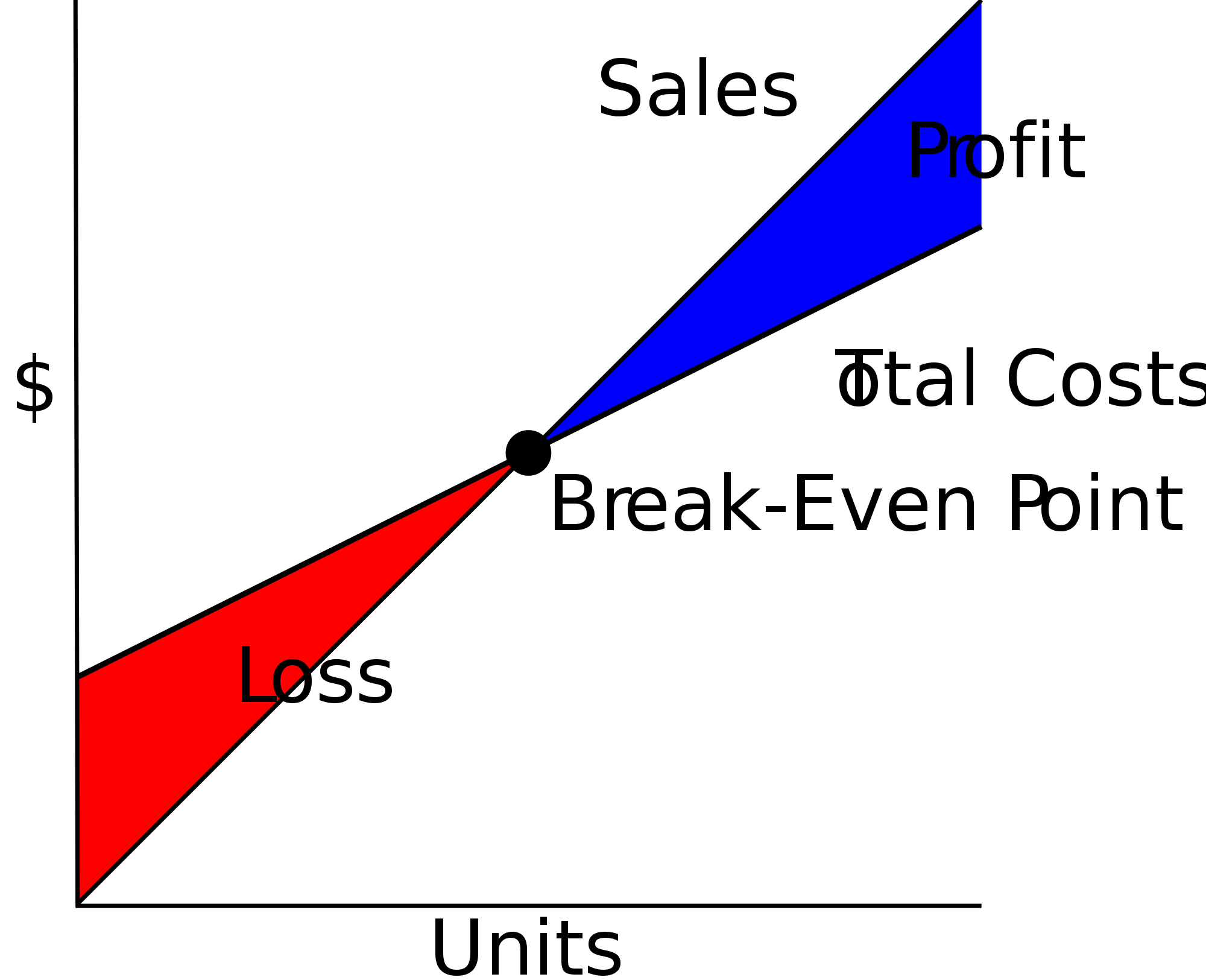
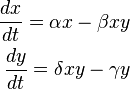
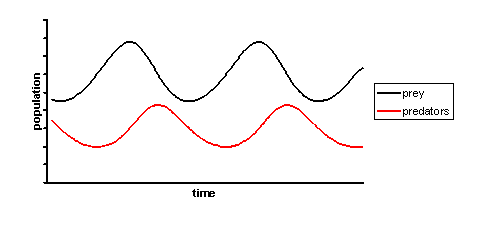

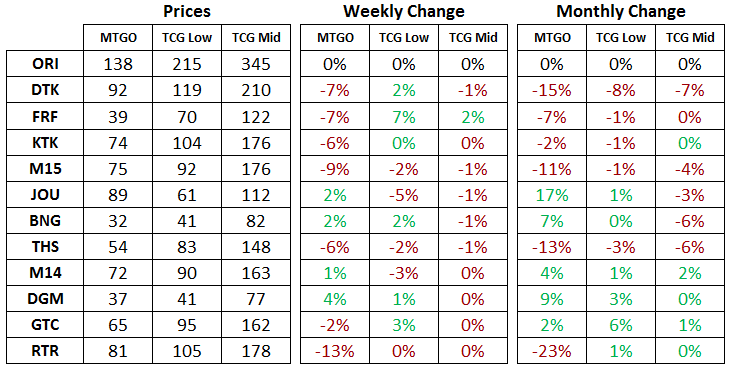
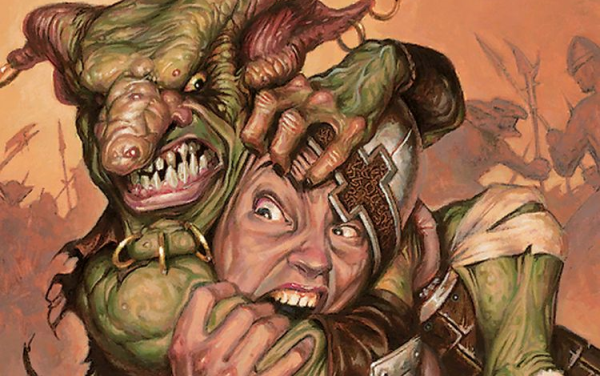
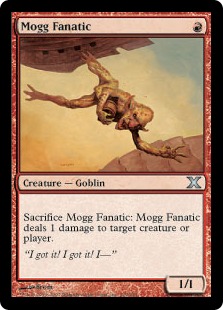 Burn gives you interaction
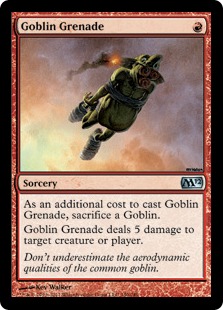 Burn gives you reach
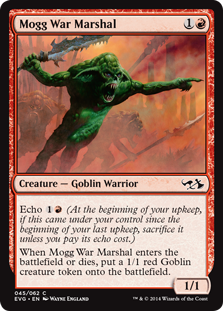 Always go wide
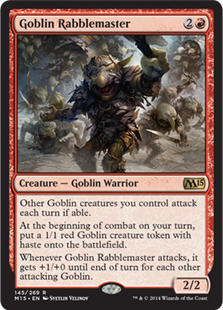 Goblin grinding
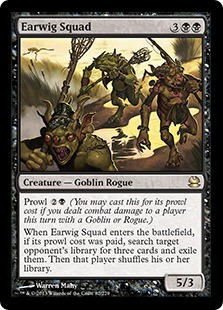 Non-traditional interaction
 Refueling with Ranger and Vial
 All-in aggression
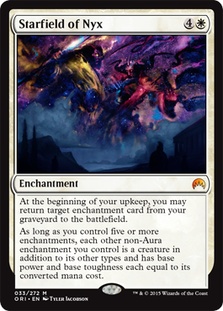
 for Grixis Twin and Burn, and around 60% for Elves and Amulet Bloom. Although some decks held value (Jund only jumped by a negligible 2%), the overall picture was one of increasing Modern prices. This was perhaps most notable in individual card prices, if not necessarily the decks using them. Cards like Snapcaster, Moon, and Liliana rose over 90% (over 100% in Snapcaster's case). Modern Masters may have driven down prices for staples like Confidant (down about 50%) and Tarmogoyf (-25%), but any card excluded from the set skyrocketed in the opposite direction. Modern hallmarks like Inkmoth Nexus, Cavern of Souls, and Aether Vial all saw huge price increases since the Modern community confirmed their MM2015 absence. Even uncommons and commons weren't immune to this effect: see Heritage Druid ($18.50), Might of Old Krosa ($8.99), and the embarrassing Serum Visions ($13.10).
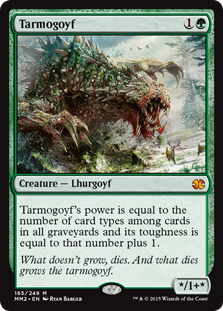 demand with supply increases through reprints and Modern Masters-style sets. This also relates to a classic eternal/nonrotating format argument about the difference between card "price" and card "availability". Did Wizards promise a format to solve card availability issues? Yes! Did they promise one to solve card price issues? Not explicitly, and maybe not even implicitly depending on how you define "availability" (Wizards hasn't). I don't want to get too involved in this argument here and you shouldn't either. Whether or not Wizards acknowledges Modern prices as a problem, the community is certainly worried. We all know players who don't care how "available" a Tarmogoyf is if it's still about $150. This article assumes that rising prices are a potential source of worry, especially for those who fear for Modern's longterm health.
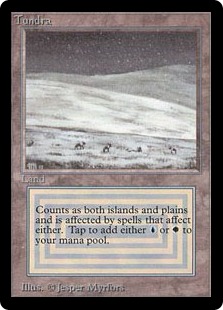 Because Wizards isn't going back on the Reserve List, no matter how many reddit, Source, and Salvation players argue otherwise, Legacy will continue to have reprint issues. That's bad news for Legacy prices. Unless the format gets less popular or someone discovers a bunch of Revised boxes in their basement, it means cards like Tropical Island and Tundra are unlikely to fall too far below $180 in the near future. But as we saw in the section above, Modern prices are also rising fast, with some cards already reaching Legacy levels. This leads us to ask: should we all just be playing Legacy instead? Or, stated another way, is Modern secretly just as expensive as Legacy (especially with all of the recent spikes)?
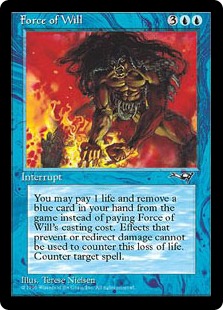 of the average card price in those two formats. Modern has some expensive outliers with Legacy-level prices, namely Jund and Abzan, but those decks are still cheaper than seven of the other eight decks in Legacy's tier 1. On the Modern side of things, Liliana of the Veil and Tarmogoyf are two of the biggest contributors to high deck prices. It's no coincidence that the two most expensive Modern decks are also the only two tier 1 Modern decks to play Goyf. Legacy is more mixed, with expensive cards sneaking into decks no matter what strategy they are playing: Show and Tell, Force of Will, and Wasteland all add up over the different lists. On its own, this table handily discredits the argument about Modern being as expensive as Legacy, but we also want to dive deeper to address some other takes on the debate.
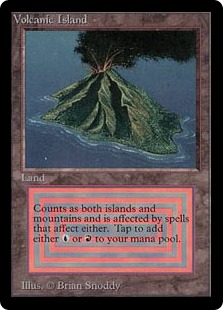 reduction. Grixis Control is the big winner here with a 62% price drop: that's the price you have to pay for those 4 Volcanic Islands and 2 Underground Seas. Comparing between formats, this makes seven of the eight tier 1 Legacy decks cheaper than two Modern options: Jund and Abzan. With the exception of Legacy's Grixis Control, all of the Legacy decks are still more expensive than the non-BGx Modern ones. Even the expensive Twin decks beat out the Legacy Ux strategies, and that's after removing the Reserve List posterchildren. This table shows both the price issues with Legacy that exist beyond the dual lands alone, but also just how much those dual prices affect Legacy decks. 40% of a tier 1 Legacy deck's cost is bundled in the 4-8 duals alone, which is a price issue Modern doesn't share.
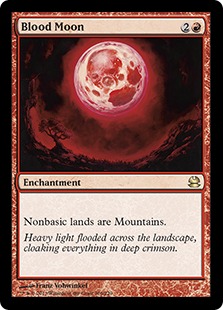 especially if you are comparing between Modern and Legacy. We can see a big reason for this in the average card prices, which actually increase when you exclude sideboard cards. This is because sideboard cards (with a few exceptions like FoW and Karakas in Infect or Moon in Twin) are relatively inexpensive. Another factor is how people build sideboards, which leans towards singleton bullets and not playsets. When you're only running one Blood Moon instead of three, that's $100 back in your wallet. Even cutting all the Legacy sideboard cards, the deck cost average is still twice that of Modern (assuming we leave in the Modern sideboard cards). Both formats see some standout sideboard-savers like Infect in Legacy (which drops to Modern Jund/Abzan price levels) and Affinity in Modern (enjoying a 20% price drop down to Burn levels), but most sideboards aren't taking up a big enough share of deck price to matter.
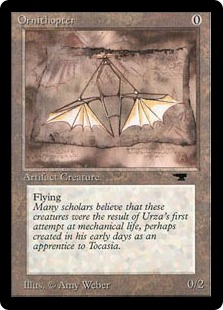
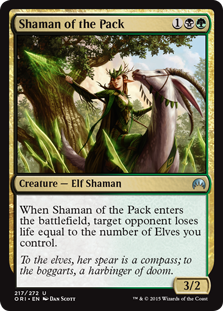
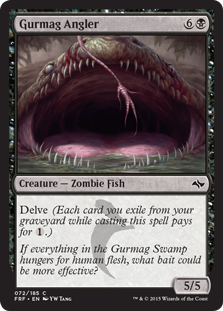
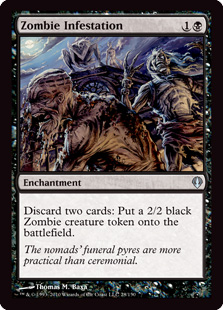
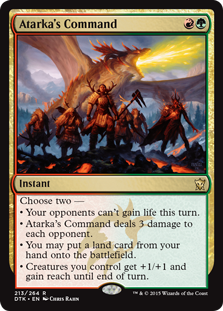
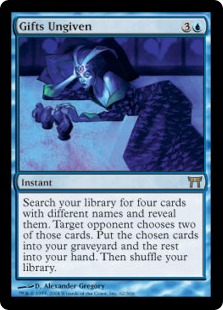
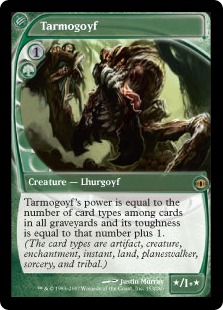
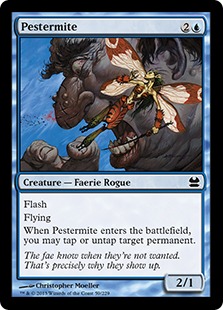
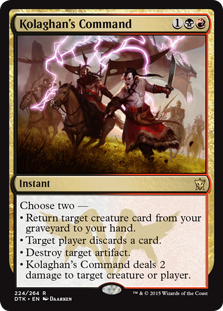
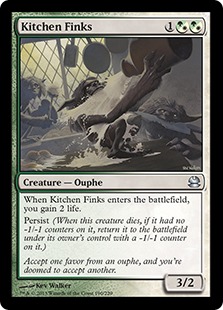
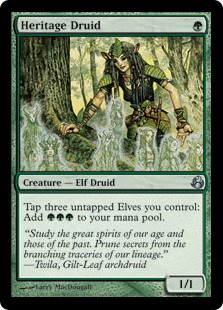


 For me, I think it comes down to weighing the alternatives and comparing power levels. Jeskai Control in Modern plays Mana Leak and Path to Exile side by side (which at times can be considered a weakness of the deck) but is born out of necessity to answer creatures like Tarmogoyf and Siege Rhino that dodge Lightning Bolt and Lightning Helix. This can be awkward at times as Path’ing a creature only to “lose” Mana Leak as a follow-up answer can be quite disastrous for the deck. Jeskai usually gets around this by boarding Leak out, or getting to six mana to Leak/Snap/Leak (an inefficient answer, but an answer nonetheless). If Jeskai had a comparable alternative, you can bet that either Leak or Path would get cut, but the options just aren’t there. Patrick Chapin and Guillaume Wafo-Tapa worked together on this sweet list in 2013 that cut Path to Exile for Azorius Charm:
 The answer to this question is due more to the state of Modern and the deck you are playing with/decks you expect to face than anything else. In my mind, a classic example of this when deckbuilding is Stony Silence vs. Izzet Staticaster in the UWR sideboard. Stony Silence has a few applications (mainly Affinity, and to a lesser extent Tron and the pretty much extinct UB Tezzeret deck) but is insanely good at what it does. On the other hand, Izzet Staticaster has very broad applications against most decks (mana creatures, Affinity, Infect, BW Tokens, Lingering Souls, Dark Confidant, half the Merfolk deck), but is rarely “lights out” when cast. Modern as a format exists in this weird environment where there are too many decks to prepare for everything, but most decks are very powerful and demand sideboard trumps. One strategy when constructing sideboards is to find the most applicable cards for the widest variety of matchups so you can improve against everything. The other end of the spectrum involves picking the worst four-five matchups, and playing multiple copies of the card/cards that best fight that specific strategy.
 Grixis Control! While Jeskai can offer the most “pure control” experience out of any deck in Modern, I’ve always find Jeskai to be lacking in a few areas that place it firmly in tier 2 in my mind. The ability to turn the corner, play a relatively low land count, maximize mana efficiency and answer threat-for-threat all combine to make Grixis Control a fun, challenging strategy for control lovers in Modern.
 I find it hard to imagine a scenario where I would rather have Languish vs. Damnation. Most of the time, the two will be interchangeable, except for when Damnation is better because Languish only hits x/4’s or less. Against Siege Rhino, Gurmag/Tasigur, creatures that regenerate, creatures pumped by modular, Tarmogoyf and Titans, I would rather have Damnation. I imagine that a deck full of x/5’s could use Languish as a one-sided wrath, but a careful opponent could always save a Lightning Bolt to finish off your creature after it has been shrunken.
 I do think this is possible and much of my testing for Pro Tour: Magic Origins has in fact been done on stream! Streaming is an incredible resource that to this point has been under-utilized for testing purposes in my opinion. There are downsides to this as all information discussed is public, making it difficult to “hoard tech”, but the positives greatly outweigh the negatives in my opinion. Sharing information with viewers, gaining multiple perspectives on every issue, just working and learning together has made me a much better player, and I owe it all to streaming and to my viewers. Here’s to hoping that more people embrace streaming and testing on stream in the future!