Are you a Quiet Speculation member?
If not, now is a perfect time to join up! Our powerful tools, breaking-news analysis, and exclusive Discord channel will make sure you stay up to date and ahead of the curve.
How many times have you heard something you disagree with? How often has it pertained to Modern? My answer to both questions is plenty. Lately, none spur me into debate more than the claims that countermagic is bad and midrange is dead.

In this article, we'll debunk each of these myths by examining theory, decklists, and results. It's time to pierce the veil!
Myth #1: Modern Counterspells are Weak
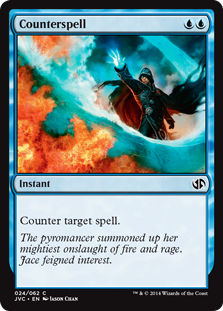
 There's a prevailing idea in the Modern community that the format's counterspells are bad to the point of being unplayable. This argument is at last losing traction a bit now that UWx has risen to Tier 1 status, but the notion that Counterspell isn't only safe for Modern, but underpowered for the format, continues to reverberate around the game stores and online forums I frequent. Granted, Counterspellwouldn't magically solve the problems permission decks face. It's true that Modern permission isn't as powerful or as prevalent as it is in eternal formats, but it's far from weak—I'd venture that if anything, it's just balanced.
Weighing Permission in a Proactive Format
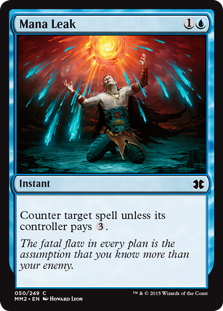
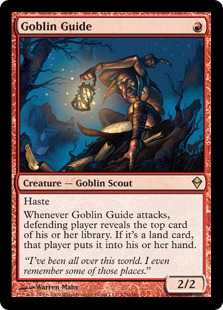
Modern rewards players for being highly proactive in their strategy, or quickly establishing a board advantage and riding that lead to a fast win. Decks with this gameplan are innumerable—Burn, Infect, Affinity, Hardened Scales, Hollow One, Zoo, Dredge, Humans, and Spirits all exemplify Modern's aggro bent. These decks tend to be full of more-or-less interchangeable, cheap threats that work together to create a snowball effect. It goes without saying that casting a two-mana Mana Leak on one such creature isn't very exciting. Incidentally counter-proof measures like Aether Vial and Cavern of Souls just add insult to injury.
Existing counterspells line up poorly against aggro decks not because the spells themselves are weak in the format, but because that's how Magic is and has always been. Take these excerpts from Mike Flores's 2003 fundamentals article, "Finding the Tinker Deck."
 On CounterSlivers, one of the game's early fish decks:
The CounterSliver deck is designed to slide low mana threats under counterspell walls and protect these with some control element (usually permission) while they hassle the opposing life total.
CounterSliver decks shine in Weissman-heavy fields, where any typical hand will yield a cheap threat, and the light-to-moderate permission count can stop creature removal and/or card advantage.
On Sligh, a red deck full of aggressive one-drops:
For a short while, WotC's printing of incredibly powerful and cheap cards, including Cursed Scroll, Fireblast, Jackal Pup, and Mogg Fanatic temporarily catapulted the Sligh archetype to Enigma-level status and made it the undisputed best deck of about three Constructed formats, concurrently.
In any case, Sligh decks have historically punished slow control decks and fallen prey to busty green creatures. In environments powered up by blue super decks, forcing green fatties to the fringe, it flourished.
 These passages illustrate that at least for the past 15 years, counterspells have underperformed against aggro decks. That's less a problem with the power level of counterspells and more a classic rock-paper-scissors strategy triangle at work.
Permission is still played in Modern, and excels in matchups historically kind to the spell type: against combo (which needs to find and resolve a key component, and usually a mana-intensive one) and control (which relies on late-game haymakers to close out games and prioritizes making land drops to wield the mana advantage that makes those spells castable). It's also fine against midrange, an aggro-control deck that carefully walks up the curve as games progress.
No Broken Counterspells
Part of the reason counterspells inhabit such a large portion of Legacy decks is the sheer power of the format's legal permission. Mana Leak is no Force of Will or Daze—for this reality, though, I think Modern players can rejoice. Counterspells are strategically weak to aggressive decks because they have to be weak to something; their effect is devastating. Unlike proactive disruption like Thoughtseize, counterspells are often tempo-positive, costing less mana than the spells they deal with. They force opponents to commit to a play first, paying all costs associated with their spells before being told "no." Reliably accessing this effect for zero mana is, frankly, busted.
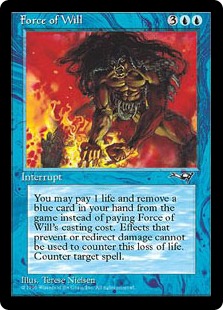 For proof of the brokenness of Daze and Force, look no further than the non-counterspell decks in Legacy. Rakdos Reanimator, Ad Nauseam Tendrils, Sneak and Show, Charbelcher, Storm, and Elves demonstrate the power level of combination decks acceptable in a world of free permission. Most of these decks are more than capable of winning on turns 1 or 2 unmolested, and none would be allowed into Modern.
The argument that free permission cancels out blistering combos snubs every other strategy in a given format. Modern is first and foremost about diversity, and forcing decks to play blue just to survive an onslaught of combos would probably remove more decks from the format than it would create.
Finding the Right Shell
The former two points skirt over the biggest impediment to this myth, which is that countermagic is in fact alive and well in Modern. It just thrives in certain shells, unlike in Legacy, where decks splash blue deliberately to access the broken permission. Historically, two deck types have emerged that want counterspells: control decks and tempo decks. These same decks utilize the card type in Modern.
UW Control, by Kyle Teagan (10th, SCG Columbus Team Open)
Creatures
3 Snapcaster Mage
1 Vendilion Clique
Planeswalkers
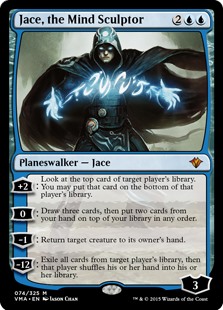
2 Jace, the Mind Sculptor
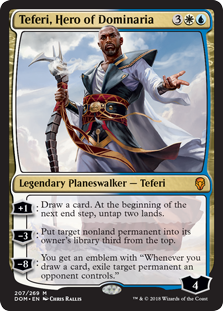
2 Teferi, Hero of Dominaria
Enchantments
1 Porphyry Nodes
Instants
3 Cryptic Command
2 Logic Knot
1 Negate
4 Opt
4 Path to Exile
2 Spell Snare
Sorceries
3 Ancestral Vision
1 Oust
3 Serum Visions
4 Terminus
Lands
7 Island
2 Plains
3 Celestial Colonnade
4 Field of Ruin
4 Flooded Strand
1 Glacial Fortress
2 Hallowed Fountain
1 Scalding Tarn
Sideboard
1 Spell Queller
1 Detention Sphere
1 Celestial Purge
2 Ceremonious Rejection
2 Dispel
1 Negate
2 Surgical Extraction
1 Lyra Dawnbringer
1 Vendilion Clique
1 Supreme Verdict
2 Timely Reinforcements
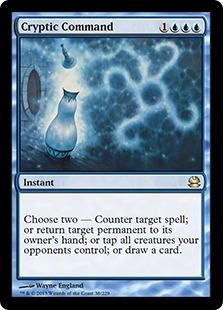
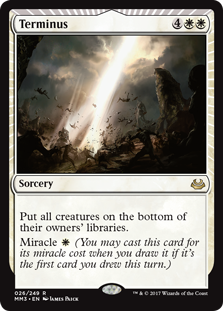 UW is the premier control deck in the format, and the deck is chock-full of countermagic. Its sweepers and removal get it to the late-game, where Cryptic Command and Logic Knot can shine; in the meantime, Negatedeals with noncreature spells. Spell Snare helps the deck recoup tempo against early-game plays from the opponent, and Spell Queller joins the fray against removal-light decks after siding.
This deck has enough ways to survive the early game to make good use of Modern's more expensive (and impactful) permission spells.
Counter-Cat, by Jordan Boisvert
Creatures
4 Wild Nacatl
4 Delver of Secrets
4 Tarmogoyf
3 Hooting Mandrills
1 Snapcaster Mage
Instants
4 Lightning Bolt
4 Path to Exile
2 Mana Leak
2 Spell Pierce
1 Spell Snare
2 Thought Scour
1 Opt
3 Mutagenic Growth
Sorceries
4 Serum Visions
1 Sleight of Hand
1 Faithless Looting
1 Chart a Course
Lands
4 Misty Rainforest
3 Scalding Tarn
2 Flooded Strand
2 Wooded Foothills
1 Stomping Ground
1 Hallowed Fountain
1 Steam Vents
1 Temple Garden
1 Breeding Pool
1 Island
1 Forest
Sideboard
2 Damping Sphere
1 Ancient Grudge
1 Destructive Revelry
1 Surgical Extraction
2 Huntmaster of the Fells
1 Hazoret the Fervent
1 Snapcaster Mage
1 Shapers' Sanctuary
2 Pyroclasm
1 Engineered Explosives
1 Negate
1 Mountain
Tempo decks seek to establish a lead on the board and gently disrupt opponents until their clocks can tie up the game. My own Counter-Cat deck is a good example of the thresh sub-archetype, which wins by backing individually powerful threats with spell-based disruption like countermagic and 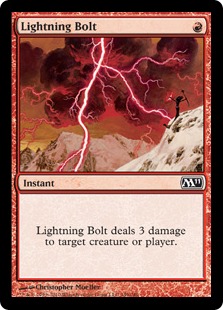 removal. An aggro deck like this one doesn't need its permission to be as decisive as UW's, but merely to enable its fairness in the face of combo. Merfolk runs Unified Will, Spell Pierce, and most recently, Deprive for the same reason. Their lack of permission is a major barrier to "pure" Zoo decks entering Modern.
While UW is interactive enough to support permission (using it defensively), Counter-Cat is proactive enough (using it aggressively). Decks that don't check these boxes, such as midrange, are doomed to be poor homes for countermagic. The subsequent failed experiments in, for example, Sultai might prematurely convince some brewers of permission's weakness relative to other forms of disruption. But as the results indicate, counterspells in Modern aren't weak. They just aren't broken.
Myth #2: Midrange is Dead
The rise of Mardu and ensuing rise of UW have led some Modern players to mourn the death of midrange as they knew it: black and green. But Jund clung on as a solid Tier 2 option before Assassin's Trophy was printed, and according to MTGGoldfish, seems to be reclaiming its throne as midrange poster boy with Trophy in the picture. As LL once said, don't call it a comeback. But what led so many players to decry BGx in the first place?
Midrange as Synergy Assassin
Fair decks like midrange rarely enjoy free wins, as with turn 1 Chalice or turn 2 infect for 10. In a world of Hollow Ones and Vengevines, curving Inquisition of Kozilek into Dark Confidant can feel underwhelming, to say the least. But these decks do have their great matchups.
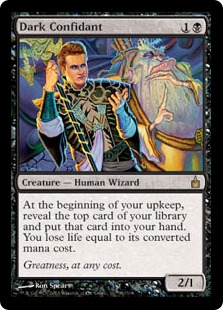 If there's one thing midrange excels at, it's picking apart synergy decks. Decks that need multiple or specific pieces to operate, such as mana dork decks, critical mass strategies like Burn, and one-card ponies like Lantern Control, struggle in the face of targeted discard and early pressure. Between Confidant to keep the cards flowing and Tarmogoyfto just finish the game before opponents recover, BGx has no shortage of ways to destroy players assembling components.
Inquisition into Confidant used to beat nearly everything in Modern. The format has changed and become more powerful over time, but those cards still make up the backbone of BGx. It's only natural that they aren't as strong, relatively, as they once were. But that combination, and the midrange decks it helms, is still a nightmare for the synergy decks Modern continues to house and will probably never divorce. By that token, midrange should always have a place in the format.
Old Faithful
 Another huge draw to midrange is its reliability. With their high land count, compact but streamlined threat suite, and similarly uniform disruption numbers, BGx decks are very good at executing their primary plan every game. Of course, that plan might not line up so well against some decks, and critically against the nut-draw from less consistent strategies. But it does perform adequately against many.
Discard spell into two-drop into three-drop won't win any games against triple Hollow One. But it's great at punishing stumbles from opponents, as well as more fragile opening hands. Many keeps in Modern revolve around a single card or two, and without that crucial piece, the hand becomes an easy mulligan. Besides giving pilots perfect information, targeted discard can exploit these weaknesses in hands to turn the slow, fair deck into a killing machine.
Jund, by Michael Olson (13th, SCG Columbus Classic)
Creatures
4 Bloodbraid Elf
3 Dark Confidant
3 Scavenging Ooze
4 Tarmogoyf
Planeswalkers
4 Liliana of the Veil
1 Liliana, the Last Hope
Instants
3 Assassin's Trophy
2 Fatal Push
2 Kolaghan's Command
4 Lightning Bolt
Sorceries
4 Inquisition of Kozilek
2 Thoughtseize
Lands
2 Forest
1 Mountain
2 Swamp
4 Blackcleave Cliffs
1 Blood Crypt
2 Bloodstained Mire
2 Overgrown Tomb
2 Raging Ravine
1 Stomping Ground
1 Treetop Village
1 Twilight Mire
4 Verdant Catacombs
1 Wooded Foothills
Sideboard
1 Damping Sphere
2 Nihil Spellbomb
1 Huntmaster of the Fells
1 Seal of Fire
1 Ancient Grudge
1 Assassin's Trophy
1 Fatal Push
2 Surgical Extraction
1 Kalitas, Traitor of Ghet
1 Angrath, the Flame-Chained
1 Anger of the Gods
2 Collective Brutality
Jund has never necessitated cantrips because it achieves consistency by redundancy. The deck plays enough of its key pieces that opening a solid mix of lands, disruption, and pressure is par for the course. As such, it mulligans lightly in the dark.
Tarmogoyf is Freaking Awesome
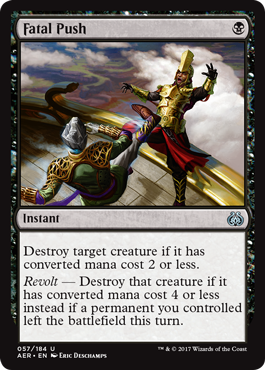 In "Pushing Back: How to Goyf in 2017," I discussed Tarmogoyf's applications in a post-Push world and how Fatal Push changed where the creature would be included. My predictions mostly rang true, chief among them that Goyf far from became obsolete.
Dropping to something like 5% of Modern decks, of course, marked a significant downturn from Goyf's glory days as the most-played creature in Modern by a mile. Back then, the Lhurgoyf was splashed into archetypes as diverse as aggro-combo and control in addition to helming aggro and midrange strategies alike.
The creature's continued relevance answers the question asked so often in that not-so-distant past: "what's a budget alternative to Tarmogoyf?" Hopefuls would be met with a deadpan "nothing," as nothing can really replace Tarmogoyf. Another two-mana combat creature with this good a rate simply does not exist in Modern. Stats are more important now than ever, and having a huge beater that's relatively easy to accommodate (Goyf asks only that players have a game of Magic, although purposefully building around Goyf can pay dividends of its own) is a boon for strategies that want to load up on disruption.
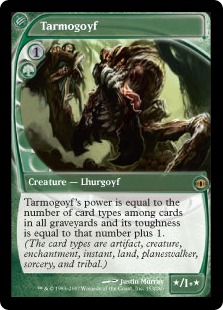 Today, those strategies are primarily midrange ones, and Goyf finds itself more or less confined to aggro-control decks. Given its unmatched rate and ease of inclusion, I don't see the creature going anywhere anytime soon, Fatal Push or no. Besides, Push seems to mostly see mainboard play in lower-tier decks, making Goyf a solid creature against Modern's performing gauntlet.
Fair or Square
I'm fortunate to have a platform in ModernNexus with which to frame my arguments. But part of the fun is shopping my ideas with others. If you disagree with any of the points made in this article, I'd love to hear from you in the comments. Until then, may you counter many Krark-Clan Ironworks!



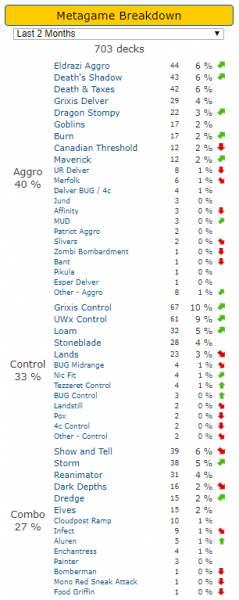
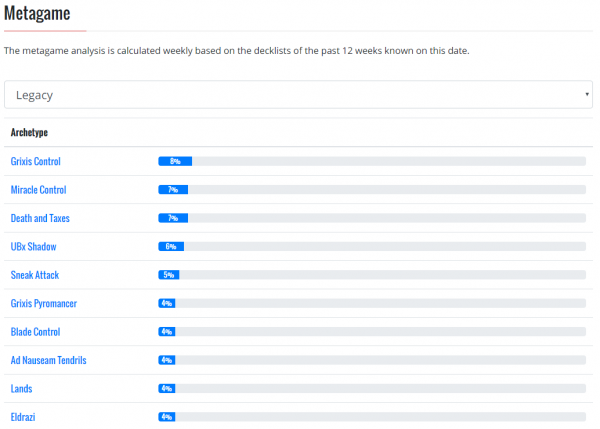




 Modern in this regard, as control decks have been top-tier
  Compare Dominaria Standard
 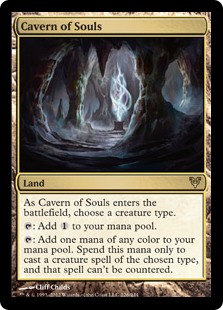 Some decks can play around counters by playing through them, such as UW Spirits playing Aether Vial and Cavern of Souls and Jund using discard to clear the road for threats. Their design makes playing around correct. However, most decks can only play around counters by just waiting for a better opportunity to play their spells. Unless said deck has crafted its strategy to force such a gamestate, the plan is unlikely to work. When not under pressure, control is free to draw cards and play lands, which is
 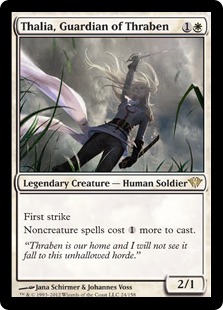 advantage. A second reason is every counter spent early is one not spent later. Trading Leak for Thalia, Guardian of Thraben is a fairly neutral exchange, but Leaking Primeval Titan is devastating. Let control counter the cheap spells so they can't counter the game winners!
 Classic Affinity vs Jeskai Control should be a slaughter. Affinity is filled with tiny creatures that die to one-for-one removal, and Jeskai plays nothing but cheap removal. There are very few cards that actually threaten Jeskai on their own, so Jeskai can afford to be judicious with its removal and clean up the Memnites and Vault Skirges once the Arcbound Ravagers and Signal Pests are gone. However,
  There's also the classic playing-around-sweepers strategy. Holding extra creatures to rebuild the board after Wrath of God is a tried-and-true technique. However, it's extremely contextual. The trick is to use enough resources to force control's hand by actually threatening a kill. A common strategy is to use enough cards to put control dead on board, with leeway for a removal spell, and then hold back. Should control hit Terminus, aggro should be able to threaten lethal the turn afterwards. For this reason, counterspells and the aggro-control archetype have a
 At the opposite end is
 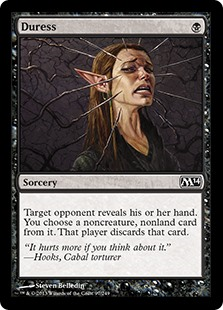 Esper and Jeskai Control often have the advantage against UW because they can use discard and burn respectively to dictate the flow of the game. In the former match, the game becomes about card advantage, as Esper's discard either strips relevant cards from UW or clears the road to resolve its own spells, forcing UW to find the right answers or die. In the latter, life total matters, since Jeskai is able to gradually whittle down UW with burn spells. The onus is on UW to either change the field of battle or win first.
 Victory Is Assured